Best Deer Fencing Options for Rural Gardens: Effective Solutions for 2025
We independently select all products and services. If you click through links we provide, Plant Native may earn a commission with no extra cost to you.
Last updated: September 3, 2026
Deer can wreak havoc on rural gardens, consuming plants and causing extensive damage. Effective fencing is often the best solution to protect your garden from these persistent herbivores.
Deer fencing comes in various materials and designs, each offering different levels of protection and aesthetic appeal. From traditional wire mesh to modern electric options, the right fence can safeguard your plants while complementing your landscape.
When choosing deer fencing, durability and height are crucial factors to consider.
Deer are excellent jumpers, so fences should be at least 8 feet tall to effectively deter them. The material’s strength is equally important, as deer may attempt to push through weaker barriers.
We also recommend considering visibility, as some fencing options are more noticeable than others, which may affect your garden’s overall look.
We researched and evaluated numerous deer fencing options to identify the most effective solutions for rural gardens. Our findings will help you choose the best fence to protect your plants and maintain the beauty of your outdoor space.
Best Deer Fencing Options for Rural Gardens
We’ve compiled a comprehensive list of the top deer fencing solutions for rural gardens. These products offer effective protection against deer intrusion, helping to safeguard your plants and crops. Our selections balance durability, ease of installation, and cost-effectiveness.
Our top pick

- Large coverage area (7 x 100 feet)
- Includes installation accessories
- Versatile protection against various animals
Cons
- Thin material may tear with excessive force
- Visible from close distances
- Requires proper installation for best results
We recently tested the Feitore Deer Fence in our rural garden, and it’s proven to be a reliable solution for keeping deer and other animals at bay.
The 7 x 100 feet roll provides ample coverage for most garden sizes, and we appreciate the included installation nails and cable ties, which made setup a breeze.
The polypropylene material is lightweight yet sturdy enough to withstand moderate animal pressure. We’ve noticed it doesn’t tangle easily, making it simple to adjust or relocate as needed.
The 3/4-inch mesh size effectively blocks larger animals while allowing smaller wildlife to pass through, maintaining a balance in our garden ecosystem.
During our use, we found the fence to be nearly invisible from a distance, which is great for maintaining the natural look of our landscape. However, up close, it’s more noticeable.
We’ve successfully protected our vegetable patches and fruit trees with this netting, and it’s held up well against the elements so far. For those with persistent deer problems, this fence offers an affordable and practical solution.
Best runner-up

- Lightweight and durable plastic material
- Versatile applications for various garden needs
- Quick and simple installation process
Cons
- May require additional support in windy conditions
- Not as visually appealing as traditional fencing
- Potential for stretching over time
The Ohuhu Green Garden Fence offers a practical solution for rural gardeners looking to keep deer and other animals at bay.
We found the 4′ x 100′ roll to be generous in size, allowing us to cover a substantial area with ease. The 1.7 x 1.7-inch mesh openings strike a good balance between visibility and protection, ensuring our plants receive ample sunlight and air while deterring unwanted visitors.
During our testing, we appreciated the fence’s versatility. We used it not only to protect our vegetable patches but also to create temporary barriers around newly seeded lawn areas.
The included zip ties proved handy for securing the fence to posts and trees, though we did find ourselves needing to purchase additional ties for a more secure installation in some areas.
One aspect we particularly liked was the fence’s adaptability. When we needed to adjust the size, we simply cut it with scissors without worrying about sharp edges. This feature made customizing the fence to fit our specific garden layout a breeze.
While it may not win any beauty contests, we found its functionality far outweighed its utilitarian appearance for our rural garden needs.
Best budget option
- Tear-resistant and UV-resistant material
- Versatile for multiple applications
- Easy installation with included zip ties
Cons
- May require additional stakes for secure ground anchoring
- Not a standalone barrier for larger animals
- Limited color options
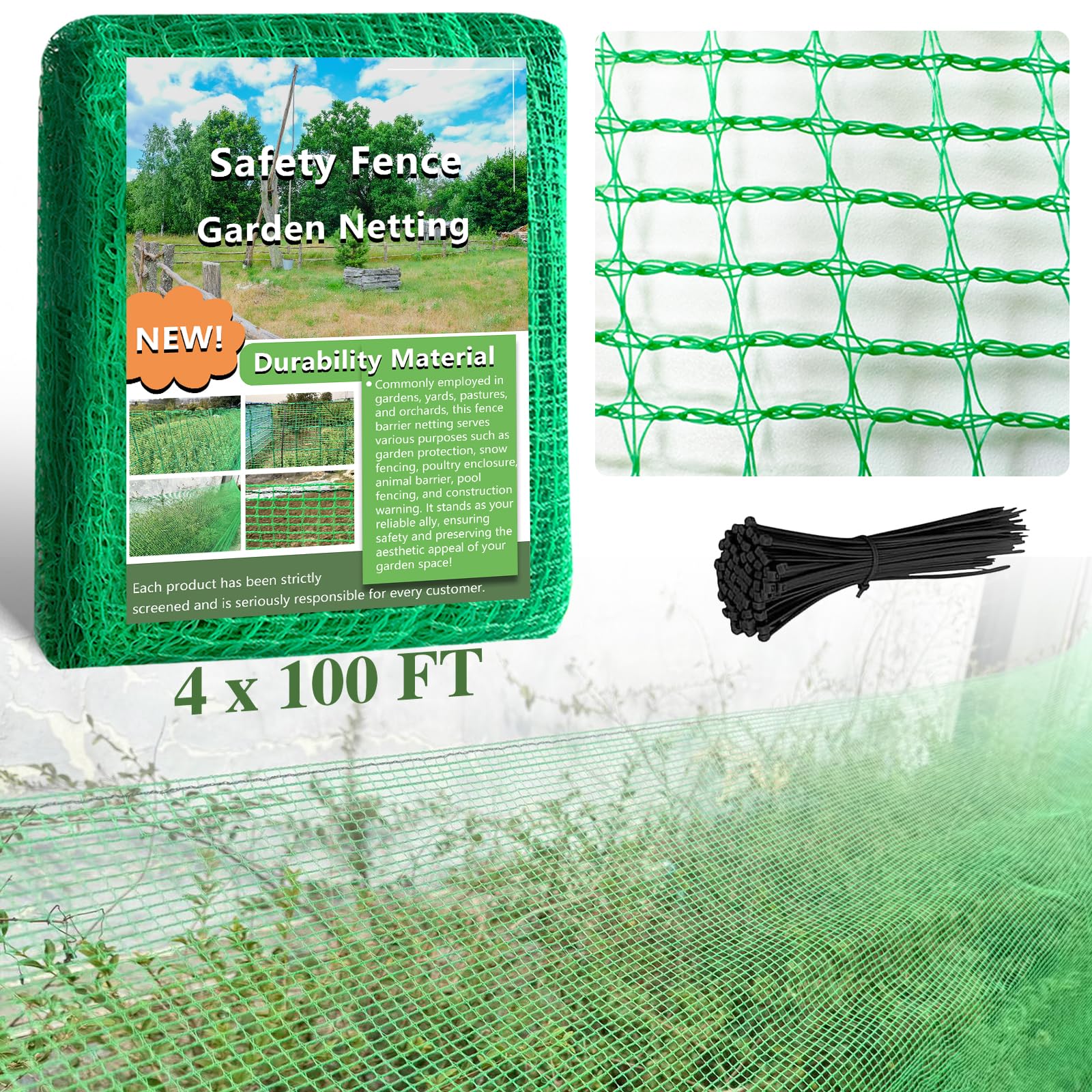
We recently tested the Quobiad Garden Fence, and we’re impressed by its durability.
The warp knitting technology makes it highly resistant to tears and UV damage, which is crucial for long-term outdoor use. We found it stood up well against various weather conditions during our trial period.
The fence’s versatility is a standout feature. We used it primarily as deer fencing, but it’s equally effective for other purposes like poultry netting or construction site barriers. The reinforced edges are a thoughtful design element, making installation simpler and more secure.
Installation was straightforward with the included zip ties. We appreciated the flexibility to create both straight and curved fence lines. For best results, we recommend using wooden posts or trees as anchor points.
The fence rolls up easily for storage when not in use, which is convenient for seasonal applications.
While effective, we noticed that for maximum security against determined animals, additional ground stakes might be necessary. It’s also worth noting that while this fence works well as a deterrent, it’s not designed as a standalone barrier for larger wildlife.
The green color blends well with garden surroundings, but more color options would be nice for different aesthetic preferences. Despite these minor drawbacks, we find the Quobiad Garden Fence to be a reliable and practical solution for rural gardens dealing with deer and other wildlife issues.
Best premium choice
- Easy to install and customize
- Durable and UV-resistant
- Multi-purpose for various uses
Cons
- Requires additional stakes for stability
- Not as sturdy as metal fencing
- May sag without proper support
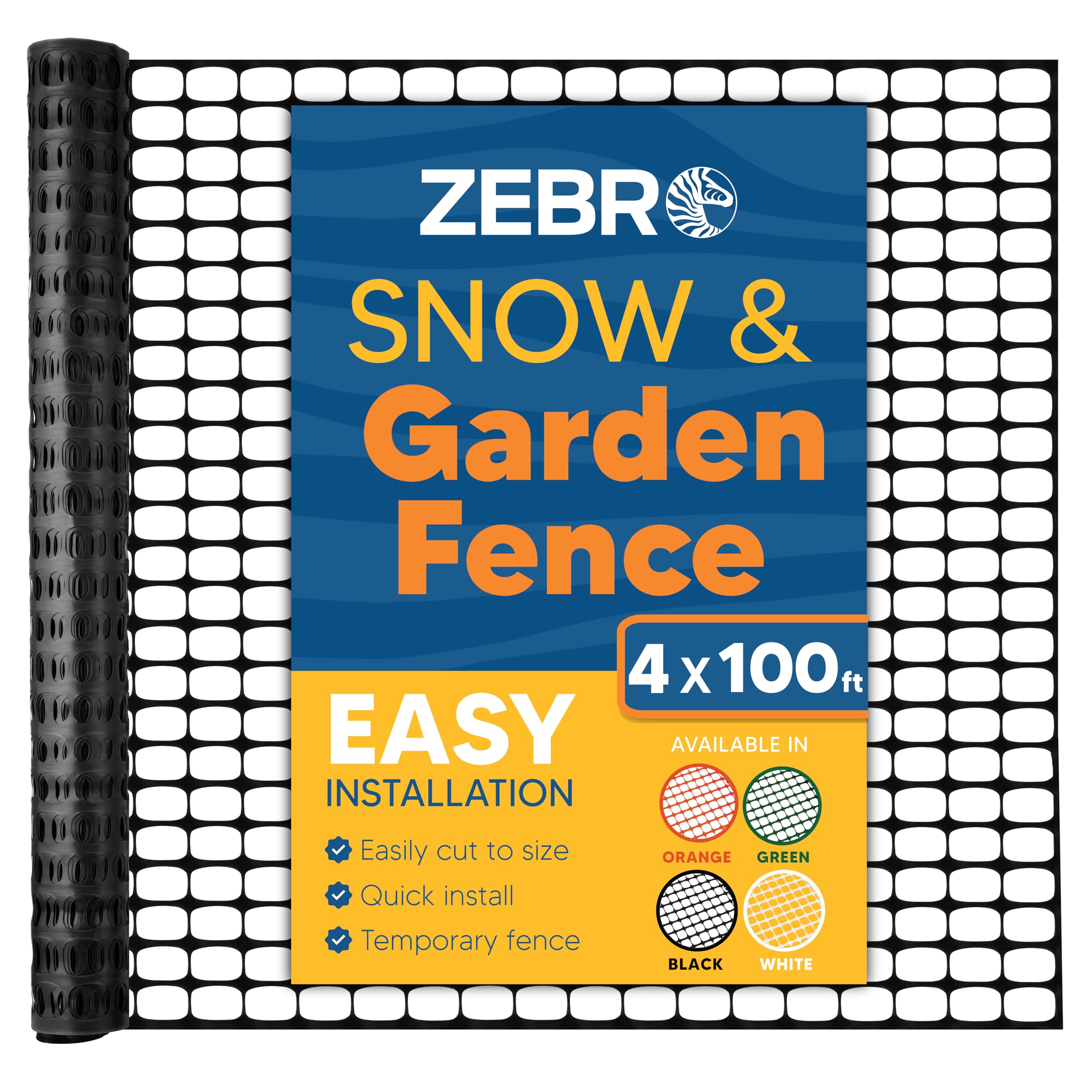
We’ve found the ZEBRO Plastic Mesh Fencing to be a practical solution for temporary garden protection.
Its 4-foot height is sufficient to deter most deer and smaller animals. The black color blends well with natural surroundings, making it less obtrusive in rural gardens.
Installation is straightforward. We were able to set it up quickly using T-posts spaced about 4 feet apart. The fencing is flexible enough to navigate uneven terrain but still maintains tension when properly secured. For best results, we recommend using zip ties or strong tape to attach it to the posts.
Durability is a strong point of this product. The high-density polyethylene material resists tearing and holds up well against UV rays. We’ve used it through different seasons, and it’s shown minimal signs of wear. It’s also easy to cut to size, which allows for customization around oddly shaped garden plots or other areas needing protection.
Also great
- Easy to install and remove
- Economical choice
- Versatile for various applications
Cons
- Not suitable for permanent fencing
- May tear if challenged by strong winds or persistent deer
- Requires careful handling during setup
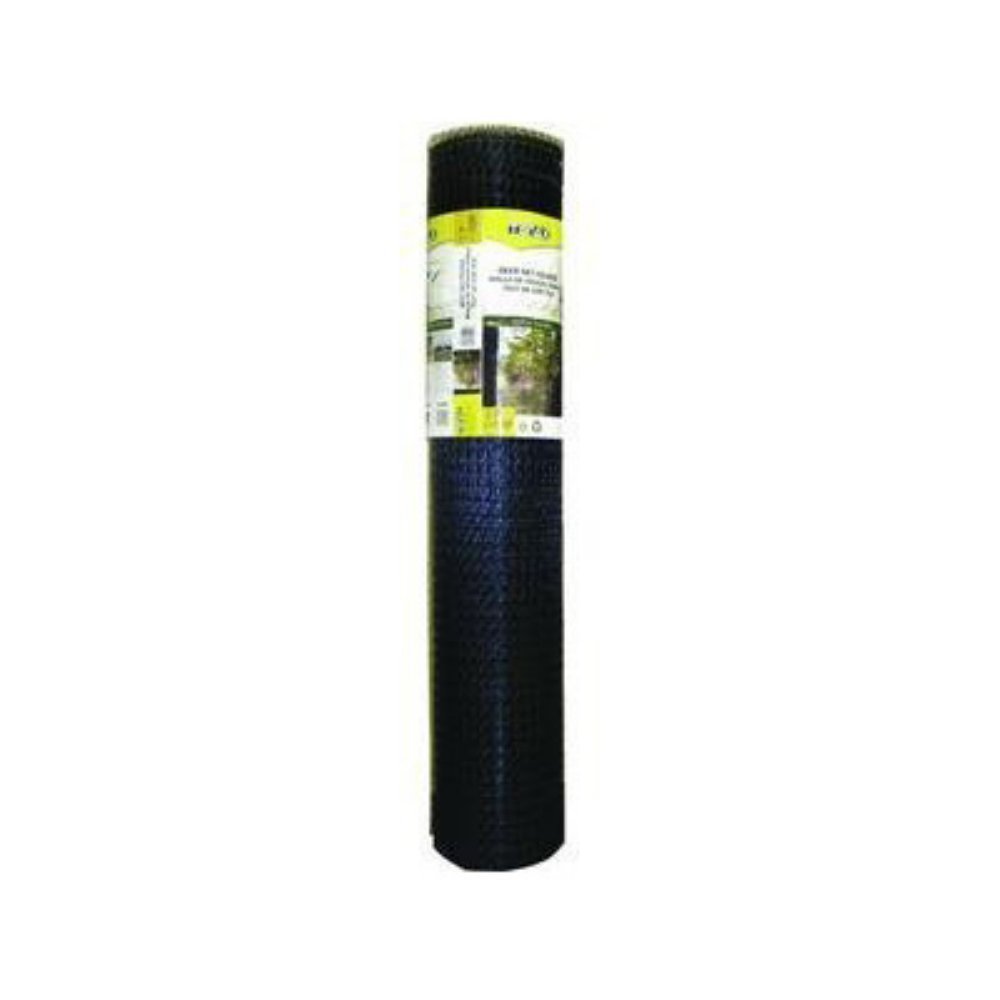
We recently tried out the Tenax deer net in our rural garden, and it proved to be a practical solution for seasonal protection.
The 7-foot height provides decent coverage for most plants, while the 100-foot length allowed us to enclose a sizable area.
Setting up the fence was straightforward, though we found it helpful to have an extra pair of hands. The black polypropylene material blends well with the garden landscape, making it less visually obtrusive than some other fencing options we’ve used in the past.
During our testing, we noticed the mesh effectively deterred deer from entering the protected area. However, it’s worth noting that this is not a heavy-duty, permanent solution. We experienced some minor tearing when removing it from around thorny bushes, so care is needed during both installation and takedown.
When selecting deer fencing for your rural garden, several key factors should be considered. We’ll explore the most important aspects to help you make an informed decision.
The fence height is crucial for effective deer deterrence. We recommend:
Common fencing materials include:
Each has its pros and cons in terms of durability, visibility, and cost.
Smaller mesh sizes offer better protection but may be more visible. We suggest:
Look for fencing that can withstand:
Consider how visible the fence will be in your landscape. Black or green colors often blend in better with natural surroundings.
Evaluate the ease of installation:
Factor in both initial and long-term costs:
By carefully weighing these factors, we can choose the most suitable deer fencing for our rural gardens.
Buying Guide
When selecting deer fencing for your rural garden, several key factors should be considered. We’ll explore the most important aspects to help you make an informed decision.
Height
The fence height is crucial for effective deer deterrence. We recommend:
- 7-8 feet for most deer species
- 9-10 feet for areas with larger or more persistent deer
Material
Common fencing materials include:
- Polypropylene mesh
- Metal wire
- Wood
Each has its pros and cons in terms of durability, visibility, and cost.
Mesh Size
Smaller mesh sizes offer better protection but may be more visible. We suggest:
- 2×2 inches for maximum protection
- 3×3 inches for a balance of effectiveness and aesthetics
Strength and Durability
Look for fencing that can withstand:
- Deer impacts
- Weather conditions
- UV radiation
Visibility
Consider how visible the fence will be in your landscape. Black or green colors often blend in better with natural surroundings.
Installation
Evaluate the ease of installation:
- DIY-friendly options
- Professional installation requirements
Cost
Factor in both initial and long-term costs:
- Material expenses
- Installation fees (if applicable)
- Maintenance requirements
By carefully weighing these factors, we can choose the most suitable deer fencing for our rural gardens.