
Best Deer Fencing Options for Rural Gardens: Effective Solutions for 2025
We independently select all products and services. If you click through links we provide, Plant Native may earn a commission with no extra cost to you.
Last updated: November 8, 2026
Deer can wreak havoc on rural gardens, consuming plants and causing extensive damage. Effective fencing is often the best solution to protect your garden from these persistent herbivores.
Deer fencing comes in various materials and designs, each offering different levels of protection and aesthetic appeal. From traditional wire mesh to modern electric options, the right fence can safeguard your plants while complementing your landscape.
When choosing deer fencing, durability and height are crucial factors to consider.
Deer are excellent jumpers, so fences should be at least 8 feet tall to effectively deter them. The material’s strength is equally important, as deer may attempt to push through weaker barriers.
We also recommend considering visibility, as some fencing options are more noticeable than others, which may affect your garden’s overall look.
We researched and evaluated numerous deer fencing options to identify the most effective solutions for rural gardens. Our findings will help you choose the best fence to protect your plants and maintain the beauty of your outdoor space.
Best Deer Fencing Options for Rural Gardens
We’ve compiled a comprehensive list of the top deer fencing solutions for rural gardens. These products offer effective protection against deer intrusion, helping to safeguard your plants and crops. Our selections balance durability, ease of installation, and cost-effectiveness.
Our top pick
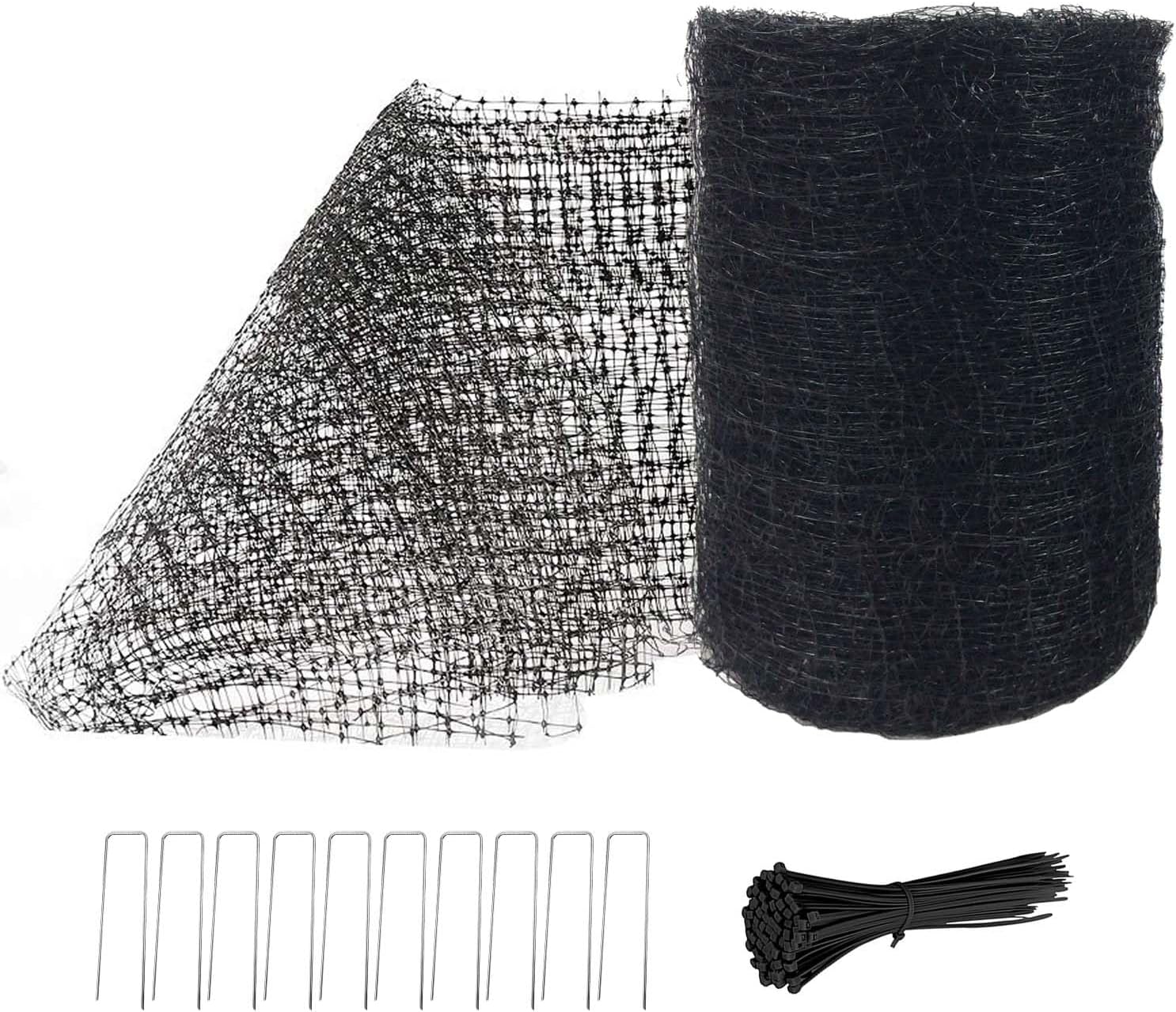
- 7 ft height suits deer exclusion
- Large 7 x 100 ft roll at a low price
- Includes 10 nails and 50 cable ties
- Lightweight, reusable polypropylene that won’t rust or rot
Cons
- Light netting can be torn by determined animals
- Posts or stakes are not included
- Needs taut installation on posts to stay upright
Bottom line: A budget-friendly 7-foot netting roll that covers a lot of ground. Pair it with sturdy posts for a tall, low-visibility, reliable deer barrier around vegetable beds and young trees.
Best runner-up
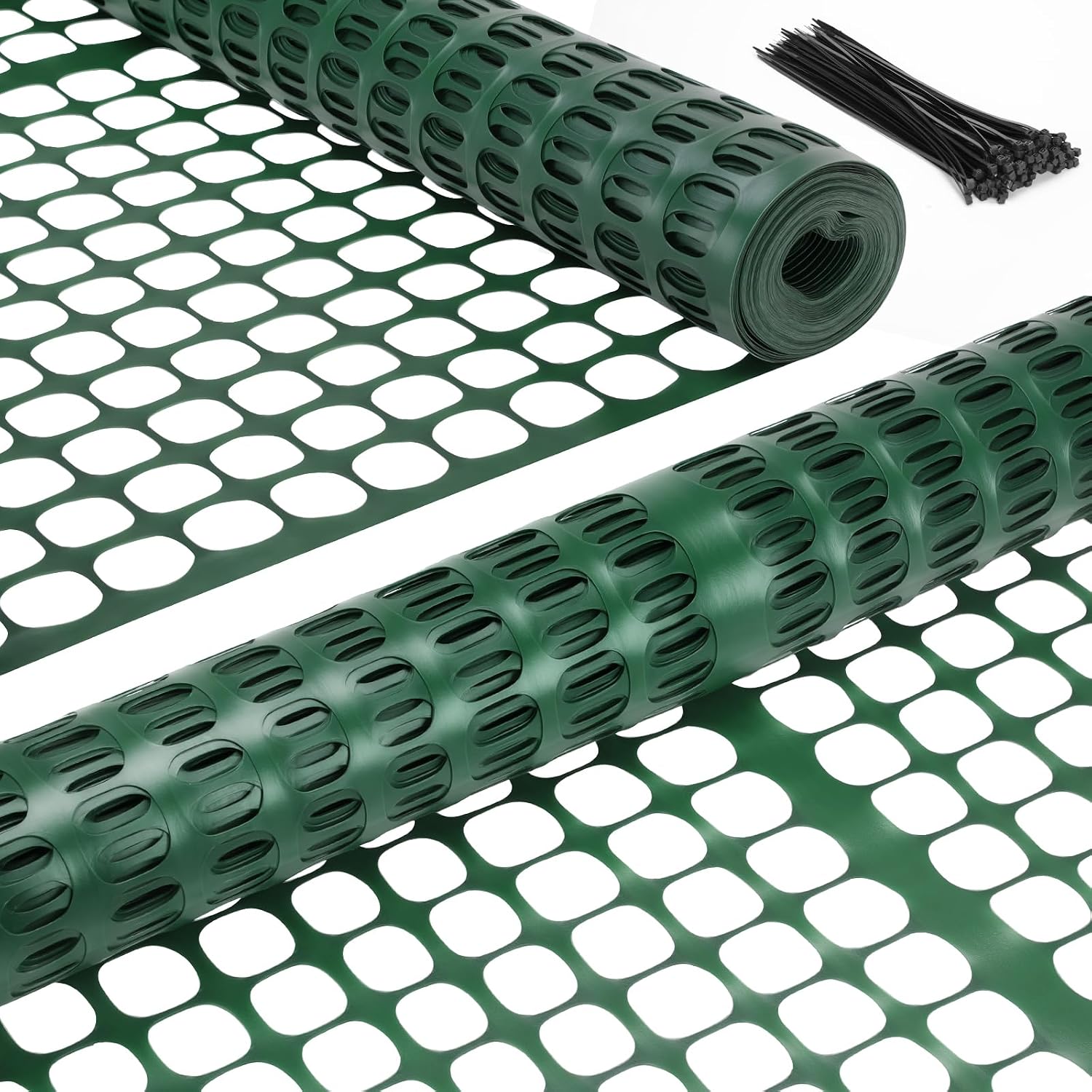
- Rigid, heavy-duty 15 lb mesh that holds its shape
- UV-resistant plastic rated for sun, rain and snow
- 100 cable ties included
- Cuts cleanly to fit any layout
Cons
- 4 ft height is low for deer, which can jump much higher
- Posts are not included
- Bright green is visible from a distance
Bottom line: A sturdy, reusable plastic barrier for garden borders, small enclosures and temporary barriers. For deer, use it as a lower layer or stack it on taller posts, since 4 feet alone won’t stop a jumping deer.
Best budget option
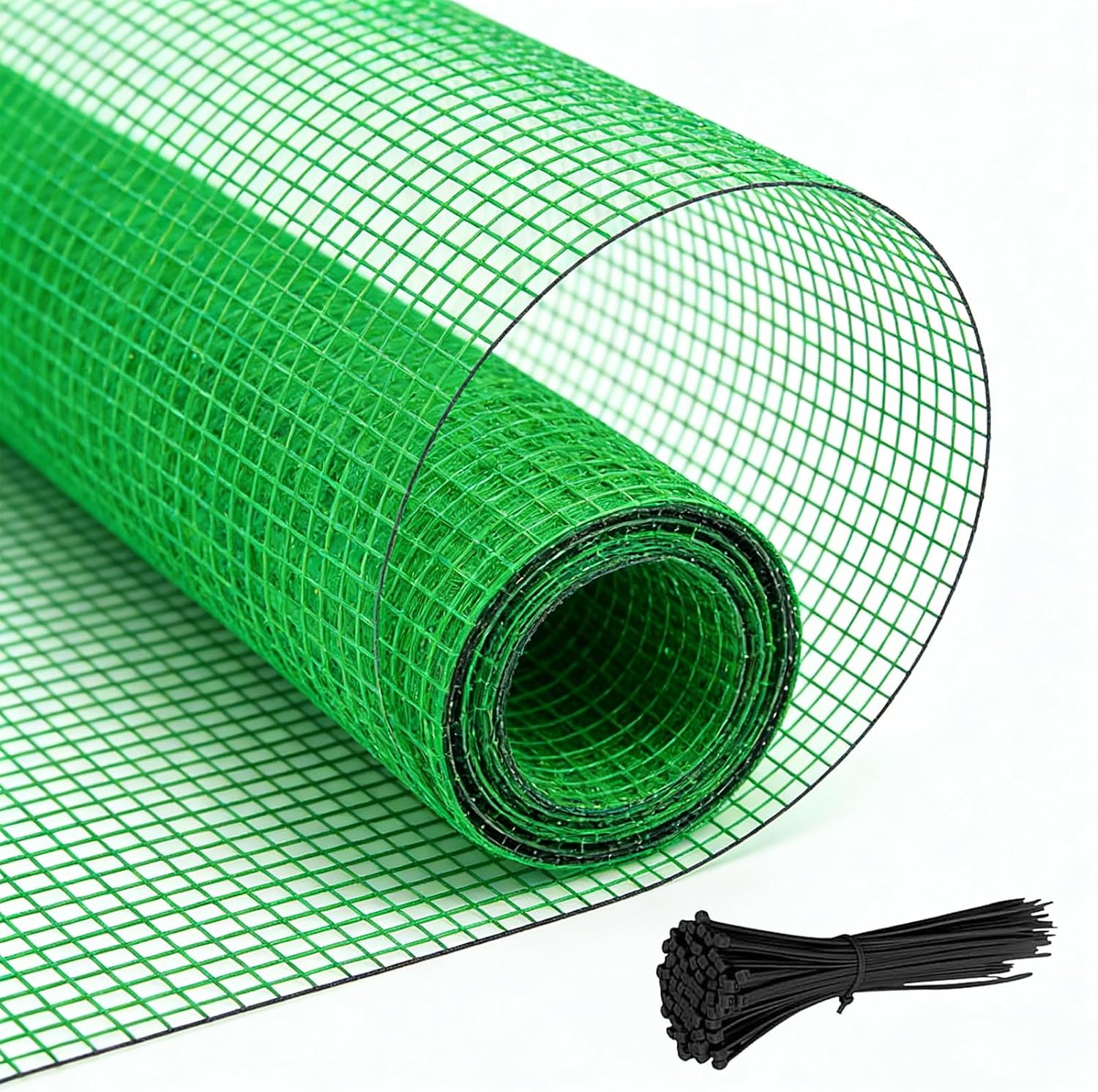
- Small 0.4" mesh also keeps out rabbits and birds
- Reinforced edges for stronger fixing
- 50 zip ties included
- Lowest price of the 4 ft rolls here
Cons
- 4 ft height won’t stop deer on its own
- Needs stakes or an existing fence for support
- Fewer reviews than the other picks
Bottom line: An inexpensive fine-mesh netting roll for edging beds, blocking small animals or poultry netting, and it rolls up for seasonal applications. For deer, layer it over an existing fence or mount it on tall stakes.
Best premium choice
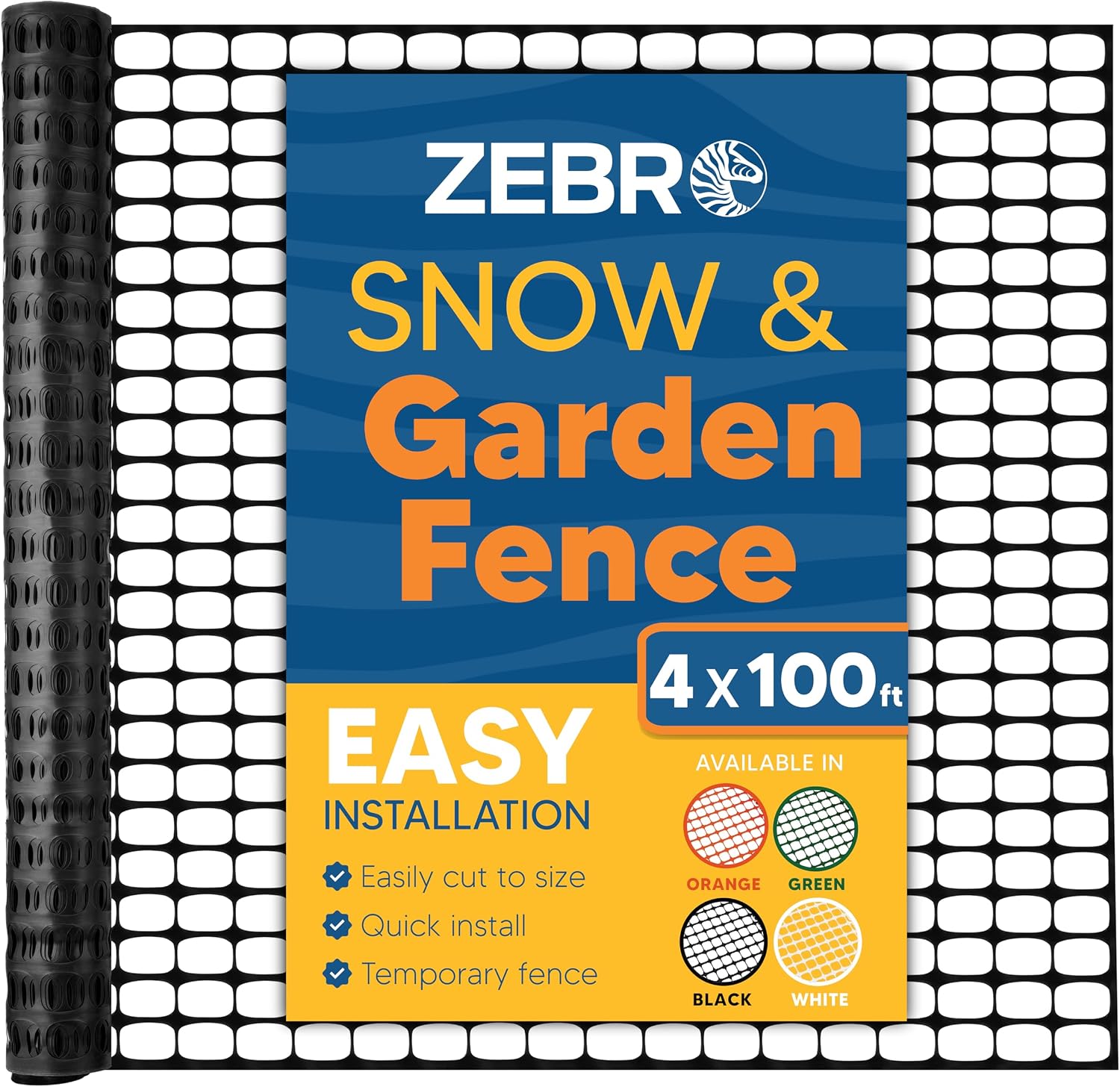
- Black color is less conspicuous in a garden
- Tear-, fade- and UV-resistant HDPE
- Easy to cut and shape around beds
Cons
- 4 ft height is low for deer
- Posts and ties not included
- Highest price of the plastic rolls here
Bottom line: A tidy, low-visibility black fence for seasonal garden protection. Set posts about 4 feet apart and add height if deer pressure is heavy.
Also great
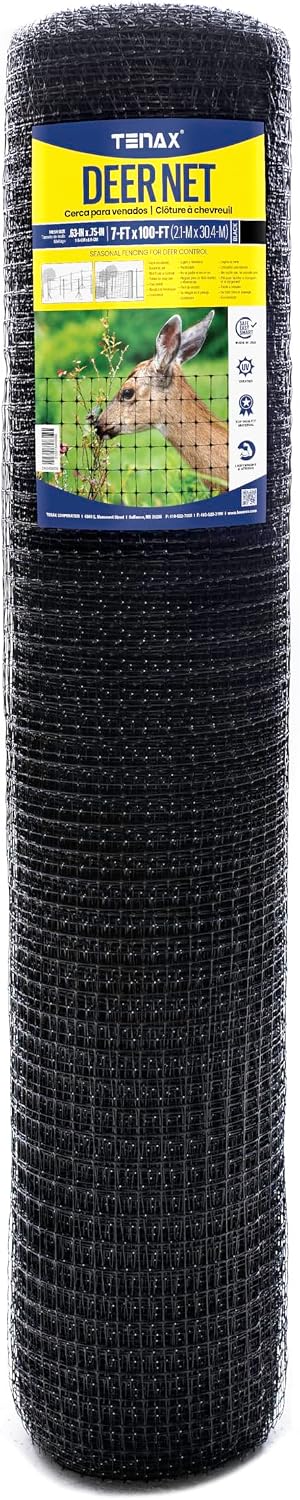
- 7 ft height suited to deer
- Fine mesh and black color blend into the landscape
- Easy to put up and take down each season
Cons
- Meant for seasonal, not permanent, fencing
- Netting can snag on thorny shrubs during setup
- Posts and fasteners not included
Bottom line: A tall, unobtrusive deer net from a long-established fencing brand. A good choice for seasonal protection of beds and orchards.
Buying Guide
When selecting deer fencing for your rural garden, several key factors should be considered. We’ll explore the most important aspects to help you make an informed decision.
Height
The fence height is crucial for effective deer deterrence. We recommend:
- 7-8 feet for most deer species
- 9-10 feet for areas with larger or more persistent deer
Material
Common fencing materials include:
- Polypropylene mesh
- Metal wire
- Wood
Each has its pros and cons in terms of durability, visibility, and cost.
Mesh Size
Smaller mesh sizes offer better protection but may be more visible. We suggest:
- 2×2 inches for maximum protection
- 3×3 inches for a balance of effectiveness and aesthetics
Strength and Durability
Look for fencing that can withstand:
- Deer impacts
- Weather conditions
- UV radiation
Visibility
Consider how visible the fence will be in your landscape. Black or green colors often blend in better with natural surroundings.
Installation
Evaluate the ease of installation:
- DIY-friendly options
- Professional installation requirements
Cost
Factor in both initial and long-term costs:
- Material expenses
- Installation fees (if applicable)
- Maintenance requirements
By carefully weighing these factors, we can choose the most suitable deer fencing for our rural gardens.
We independently select all products and services. If you click through links we provide, Plant Native may earn a commission with no extra cost to you. As an Amazon Associate I earn from qualifying purchases.
Some of this might be region-specific. What works in the south doesn’t always apply up north.
You’re right that soil prep is crucial — we should probably expand on that. Thanks for the feedback! -Plant Native Team