
5 Standout Eco-Friendly Row Tarp for Eco-Conscious Growers to Maximize Sustainability and Crop Protection
We independently select all products and services. If you click through links we provide, Plant Native may earn a commission with no extra cost to you. As an Amazon Associate I earn from qualifying purchases.
Last updated: September 9, 2026
Row tarps are a must for growers trying to shield crops from wild weather, pests, and weeds. They help lock in soil moisture, keep temperatures steady, and just generally keep plants happier.
If you care about the planet, picking an eco-friendly row tarp is a balancing act—protection versus sustainability. Most eco-friendly tarps use biodegradable, recycled, or renewable materials, so there’s less plastic waste and a smaller hit to the environment.
These tarps usually come with UV resistance and hold up well outdoors. When they’re done, you can compost or recycle them, which feels right if you’re trying to cut down on chemicals and plastic trash.
When you’re shopping, material, size, and durability all matter. Think about how long a tarp will last before it falls apart and if you can compost or recycle it after. We went hands-on with a bunch of options to find five eco-friendly row tarps that actually protect crops and fit a sustainable mindset.
Best Eco-Friendly Row Tarps
We researched a range of row tarps designed for growers who want to do right by the earth. Here are our picks—durable, reusable, and less harmful to the planet while still protecting crops.
Our top pick

- Durable rip-stop fabric holds up to rough use
- Double reinforced corners resist tearing
- Lightweight and easy to carry
Cons
- Smaller size limits coverage for larger rows
- Not UV resistant, may degrade with prolonged sun exposure
- Thin material can tear if handled roughly
We used the Stansport tarp on smaller garden beds and gear. Its reinforced corners and grommets made it easier to secure than most others.
The fabric feels tough but not heavy, so moving it around is no hassle. Still, you’ll want to watch out for sharp branches or rough ground—this tarp isn’t invincible.
It doesn’t handle long stretches of sun very well, so pulling it off during peak hours helps it last longer. For moderate coverage and decent sustainability, it gets the job done.
Best runner-up
- Durable material with tear resistance
- Metal grommets spaced closely for secure fastening
- Effective against rain, snow, and sun damage
Cons
- Slightly lightweight for heavy-duty uses
- Limited to smaller coverage areas
- Edges can feel a bit stiff when handling
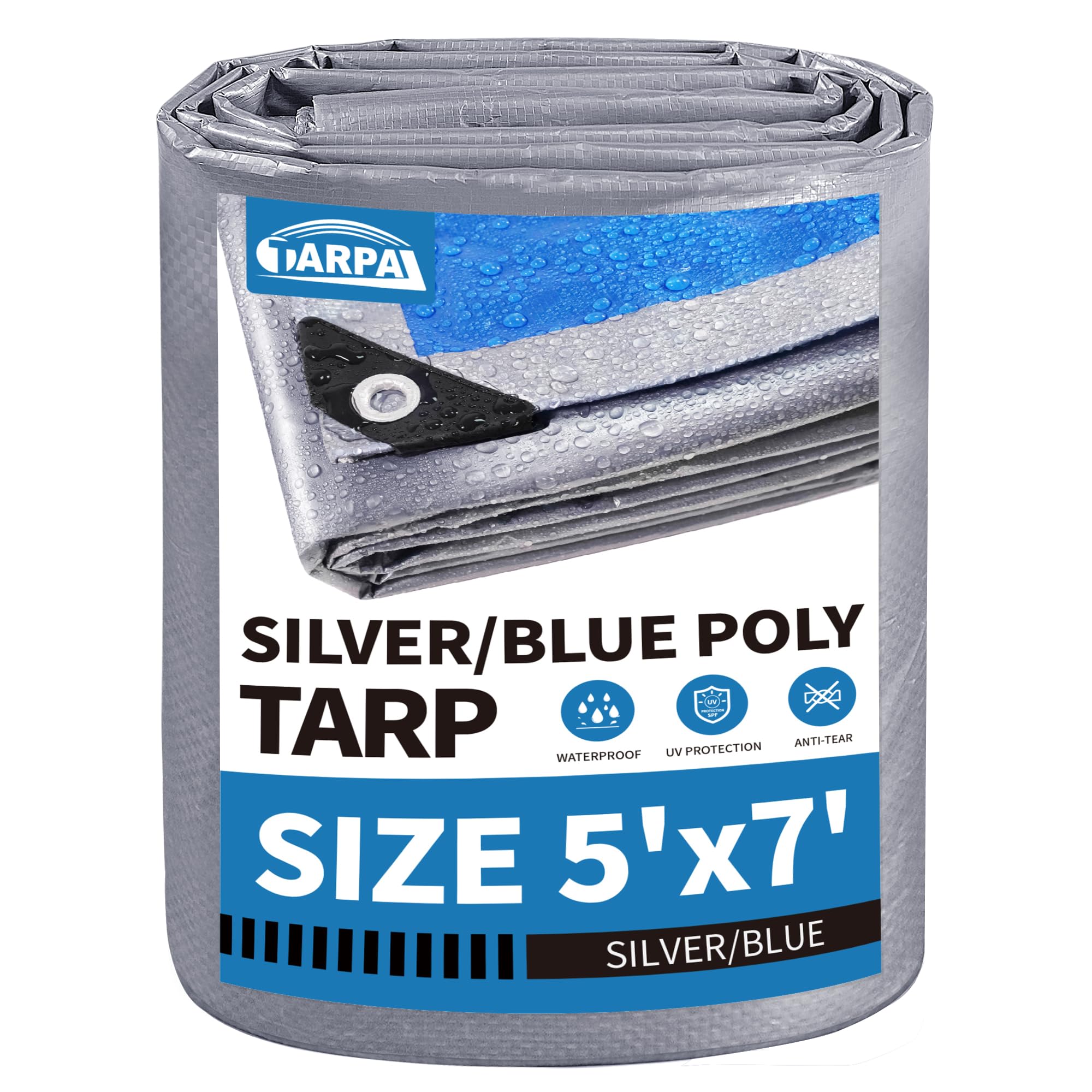
We tried the TARPAL tarp on outdoor storage and liked how it balanced weight and toughness. The 7.5mil thickness kept water out, and the UV protection helped cut down on sun damage.
Those closely spaced metal grommets made tying it down in the wind a breeze. It made a difference for keeping things secure.
It’s not the heaviest tarp out there, but it worked fine for garden gear and even small trailers. The silvery-blue color reflects sunlight, which helps with weather-resistance.
Best budget option
- Thick, well-constructed material stands up to weather and wear
- Metal grommets and reinforced edges add strength and ease of use
- True full size with consistent dimensions simplifies planning
Cons
- Price tends to be on the higher side for similar tarps
- Limited size options might not fit all row configurations
- Color choice is basic and may not blend well with all environments
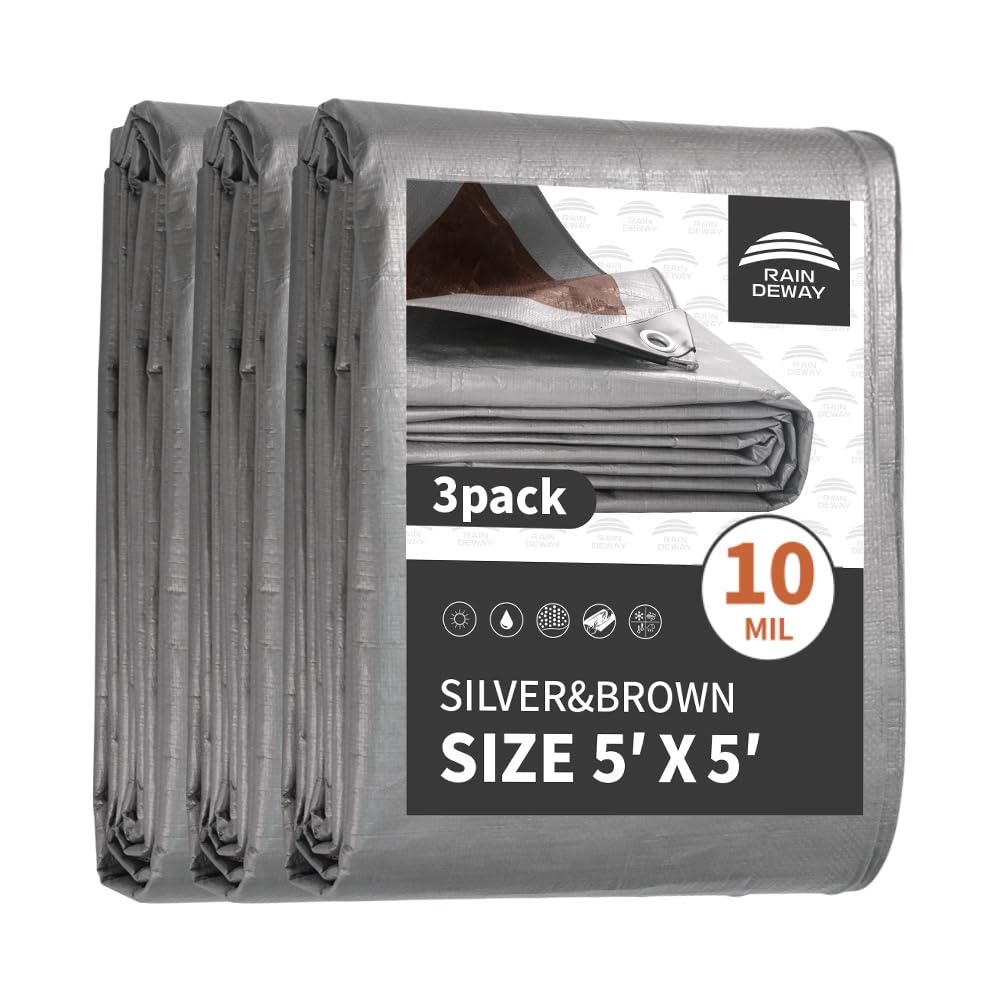
We noticed right away that the thickness helped prevent tears and punctures. The 10-mil polyethylene stood up to rain and sun, keeping our seed rows safe from harsh weather.
Strong winds didn’t budge it, and the reinforced grommets made securing everything simple. The sizing was accurate, so we didn’t waste time fighting with ill-fitting covers.
It costs a bit more, but if you’re reusing tarps every season, the value is there. The color is plain, but that’s not a dealbreaker if you just want function.
Best premium choice

- Strong, rip-stop fabric holds up well in wind and rain
- Waterproof coating keeps moisture out effectively
- Easy to clean and reuse for multiple seasons
Cons
- Smaller tie points on one side reduce secure fastening options
- Light weight, may need extra securing in heavy winds
- Not as thick as typical heavy-duty tarps
The 600D oxford material resisted tears and punctures, even on rough ground. It stayed put through shifting weather without falling apart.
Its waterproof PU coating stood up to rain, keeping soil and plants dry. The tarp’s lighter weight made it easy to move, though we had to anchor it well in gusty winds.
We liked its versatility—it doubled as a ground cover, shade cloth, and even a shelter roof. Cleaning was as easy as a hose-down or quick wipe, which is a must for sustainable growers.
Also great
- Thick 12 mil material resists tears and punctures effectively
- Rust-proof grommets with reinforced corners hold up under tension
- Versatile size fits small outdoor projects and plant covers
Cons
- Some users find the tie-down count uneven on edges
- Grommets may show early rust in harsh environments
- Sizing can be slightly off from stated measurements
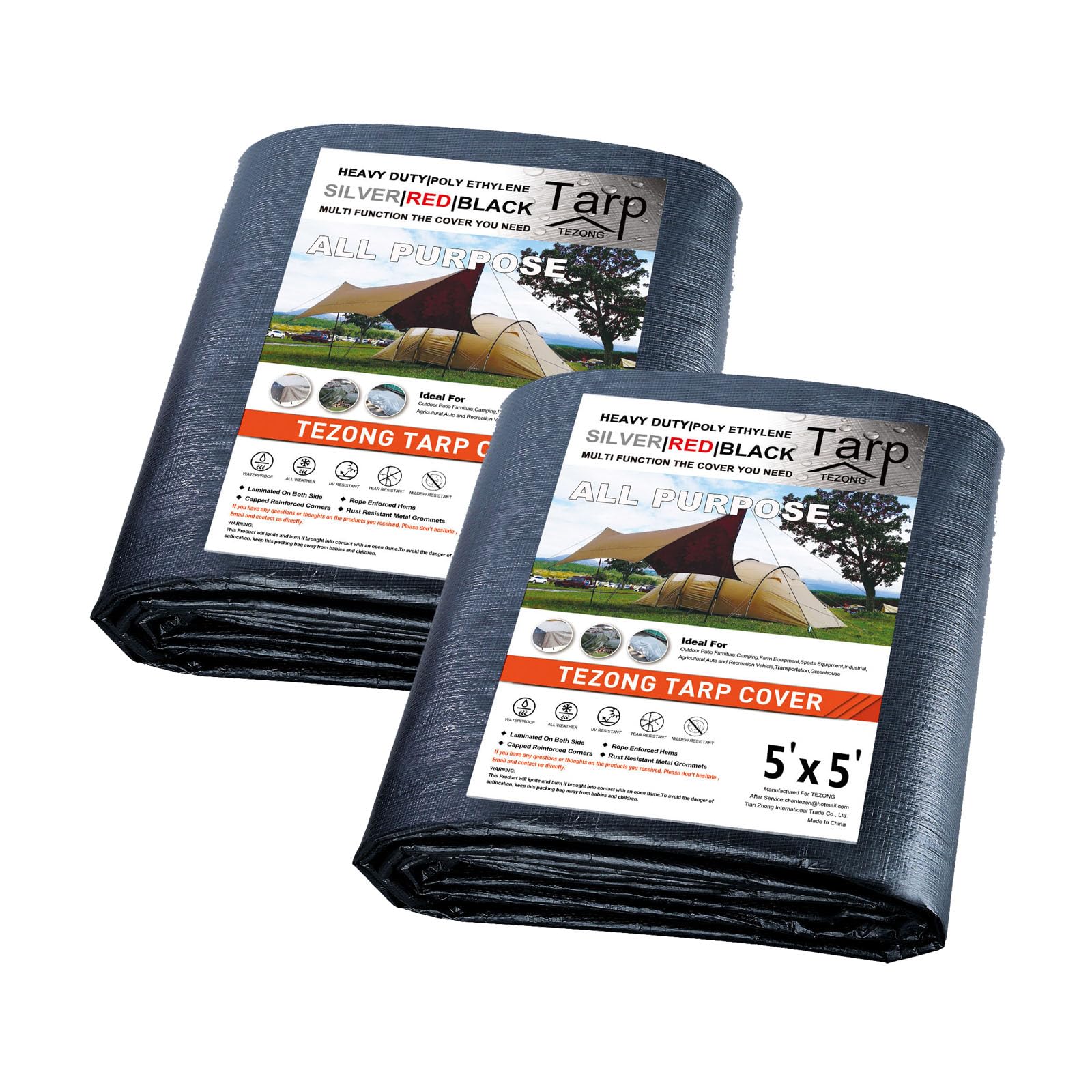
The TEZONG tarp’s sturdy build gave us confidence when covering plants against rain and wind. Its 12 mil thickness means it won’t fall apart after a season or two.
The black color blocks sunlight well, so it’s great for shading or stopping weeds. It’s light enough to handle easily, and the grommets are in the right spots for quick tie-downs.
We did notice some uneven grommet spacing and a bit of discoloration on the eyelets, but overall, it worked well for our eco-friendly gardening needs.
Conventional plastics? I avoid those, since they just turn into microplastics over time.
Lightweight tarps are easier to toss around, but they still have to stand up to the weather and keep pests out.
Honestly, it depends on your crops and the weather in your area.
Check for UV-resistant labeling—that’s usually a good sign it’ll last.
Cleaning and storing the tarp should be simple. I really don’t want to deal with something that’s a pain to maintain.
Reusable tarps just make more sense in the long run if you care about sustainability.
Buying Guide
When picking out an eco-friendly row tarp, I always pay close attention to material durability and environmental impact. Natural fibers or recycled plastics usually give you decent strength and break down without leaving a mess behind.
Conventional plastics? I avoid those, since they just turn into microplastics over time.
Size and weight matter, too. The tarp needs to cover your row without a ton of leftover material.
Lightweight tarps are easier to toss around, but they still have to stand up to the weather and keep pests out.
Water permeability is another thing to think about. Some folks want water to seep through to the soil, while others need total waterproofing to keep moisture in check.
Honestly, it depends on your crops and the weather in your area.
UV exposure can ruin a tarp fast. I always look for something that can handle a lot of sun, so I’m not replacing it every season.
Check for UV-resistant labeling—that’s usually a good sign it’ll last.
| Feature | What to Look For | Why It Matters |
|---|---|---|
| Material | Natural or recycled materials | Reduces environmental footprint |
| Size & Weight | Correct fit and manageable weight | Efficient coverage and usability |
| Water Permeability | Depending on irrigation and moisture | Controls soil moisture effectively |
| UV Resistance | UV-stabilized materials | Increases tarp durability |
Cleaning and storing the tarp should be simple. I really don’t want to deal with something that’s a pain to maintain.
Reusable tarps just make more sense in the long run if you care about sustainability.
Do the eco-friendly row tarps hold up well outdoors? The article says they come with UV resistance.