Low Maintenance Native Plants Idaho for Effortless Sustainable Gardens
Last updated: October 4, 2026
Idaho’s climate and soil make native plants a no-brainer for anyone after low maintenance gardening. These plants just know how to handle local weather, so you can skip a lot of the fuss that comes with non-native species.
Low maintenance native plants in Idaho thrive with minimal input because they’ve spent ages adapting to handle local weather and pests.
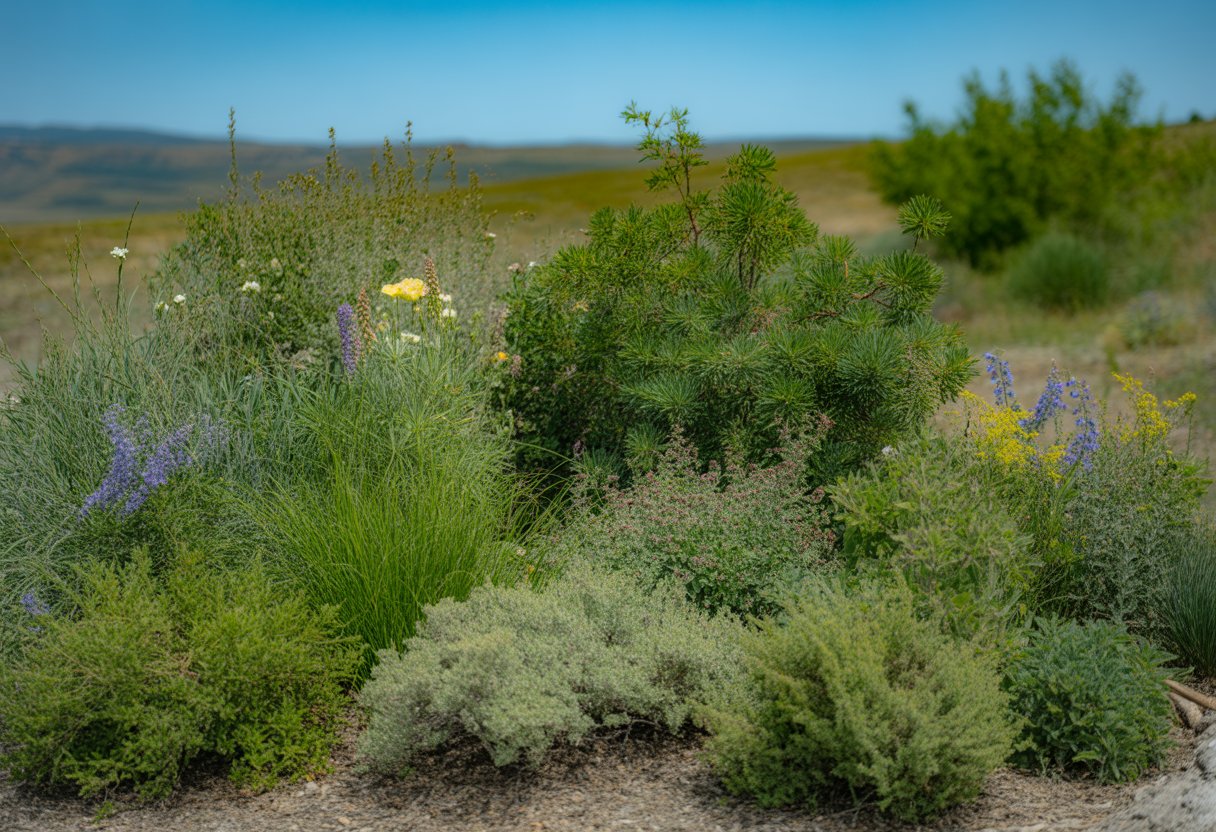
Pick the right native plants and you’ll spend way less time sweating over garden chores. Idaho bluegrass, yarrow, and sagebrush all pull their weight with barely any help.
Their resilience is honestly impressive and makes them perfect for sustainable, good-looking landscapes across Idaho.
Benefits of Low Maintenance Native Plants in Idaho
Low maintenance native plants in Idaho bring real advantages. They save water, support local ecosystems, and make caring for your landscape a whole lot easier.
These species fit right into Idaho’s climate, soil, and wildlife. They just work, and that’s not something you get with every plant.
Water Conservation and Drought Tolerance
Native plants in Idaho know how to get by with very little irrigation. Idaho fescue and rabbitbrush, for example, barely need any extra water compared to most ornamentals.
Choosing drought-tolerant natives means you’re not stuck watering all summer, which helps save precious water. That’s a big deal in Idaho, where summers can get pretty dry.
Their roots dig deep, holding soil in place and keeping moisture where it belongs. This makes the whole landscape tougher and helps the soil stay healthy.
Wildlife Habitat and Pollinator Support
Idaho’s native plants offer vital food and shelter for wildlife—think bees, butterflies, and hummingbirds. Wild lupine and goldenrod are magnets for pollinators.
When you keep native vegetation, you boost biodiversity. Birds, insects, and even small mammals stick around, which helps with pollination and keeps pests in check.
Planting native species lets you support the ecosystem and invite more wildlife into yards and parks. It’s a win for Idaho’s natural health.
Reduced Upkeep for Sustainable Landscapes
Native plants don’t need much fertilizer, pesticides, or pruning. Their built-in toughness means less work and fewer chemicals in your Idaho garden.
You’ll water less, replace plants less often, and deal with fewer bugs and diseases. Native plants just roll with the local climate, keeping things simple.
Choosing natives makes managing your landscape easier and supports sustainability. You save time, money, and honestly, a bit of sanity.
Top Low Maintenance Native Plant Species for Idaho
Idaho’s native plants are built for the state’s unique weather and soil. Picking the right ones means less watering, fewer chemicals, and not much maintenance.
Let’s check out some shrubs, trees, and wildflowers that just get on with it.
Hardy Shrubs and Perennials
Sagebrush (Artemisia tridentata) really owns Idaho landscapes. It barely needs water after it’s settled in and shrugs off cold winters.
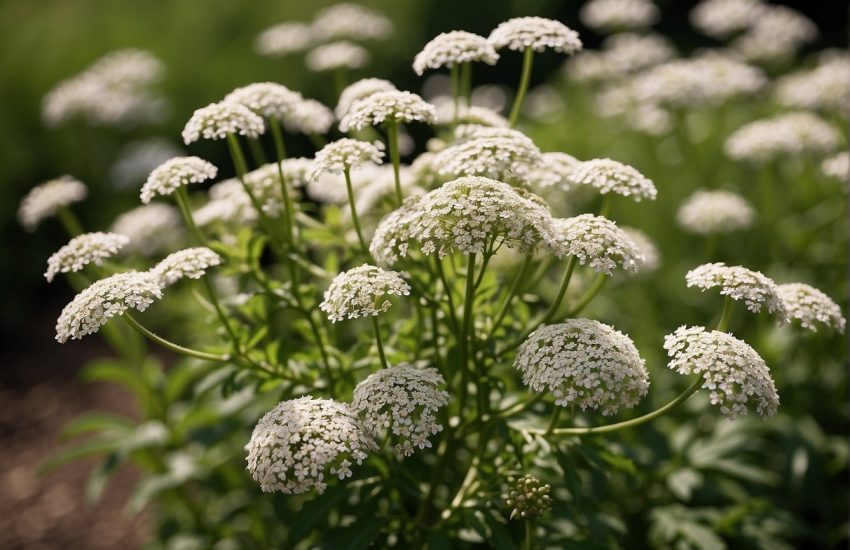
Achillea millefolium (yarrow) and Eriophyllum lanatum (woolly sunflower) are tough perennials. Yarrow likes dry, crummy soils and draws in pollinators. Woolly sunflower, with those silver leaves, stands up to heat and drought.
These plants don’t get sick easily and pests usually leave them alone. Their roots help hold the soil together, which is a bonus.
Easy-Care Native Trees
Idaho’s native trees like quaking aspen (Populus tremuloides) and ponderosa pine (Pinus ponderosa) fit right in. Aspen grows fast and handles the cold, while ponderosa pine isn’t bothered by drought or poor soil.
Western red cedar (Thuja plicata) is another good pick. It naturally resists rot and pests, though it likes a bit more moisture than sagebrush or pine.
These trees won’t need much pruning or fertilizer. They help local wildlife, too, and work in both cities and the countryside.
Colorful Wildflowers and Groundcovers
Milkweed (Asclepias spp.) is a must for monarch butterflies. It thrives in sunny, dry spots and spreads without much fuss.
Native sunflowers and some drought-tolerant succulents handle Idaho’s conditions well. Orange hawkweed and penstemon bring a splash of color and don’t ask for much.
Creeping wild strawberry covers ground, stops erosion, and keeps weeds down. These plants are easy on the eyes and the maintenance schedule.
Designing Idaho Landscapes With Native Plants
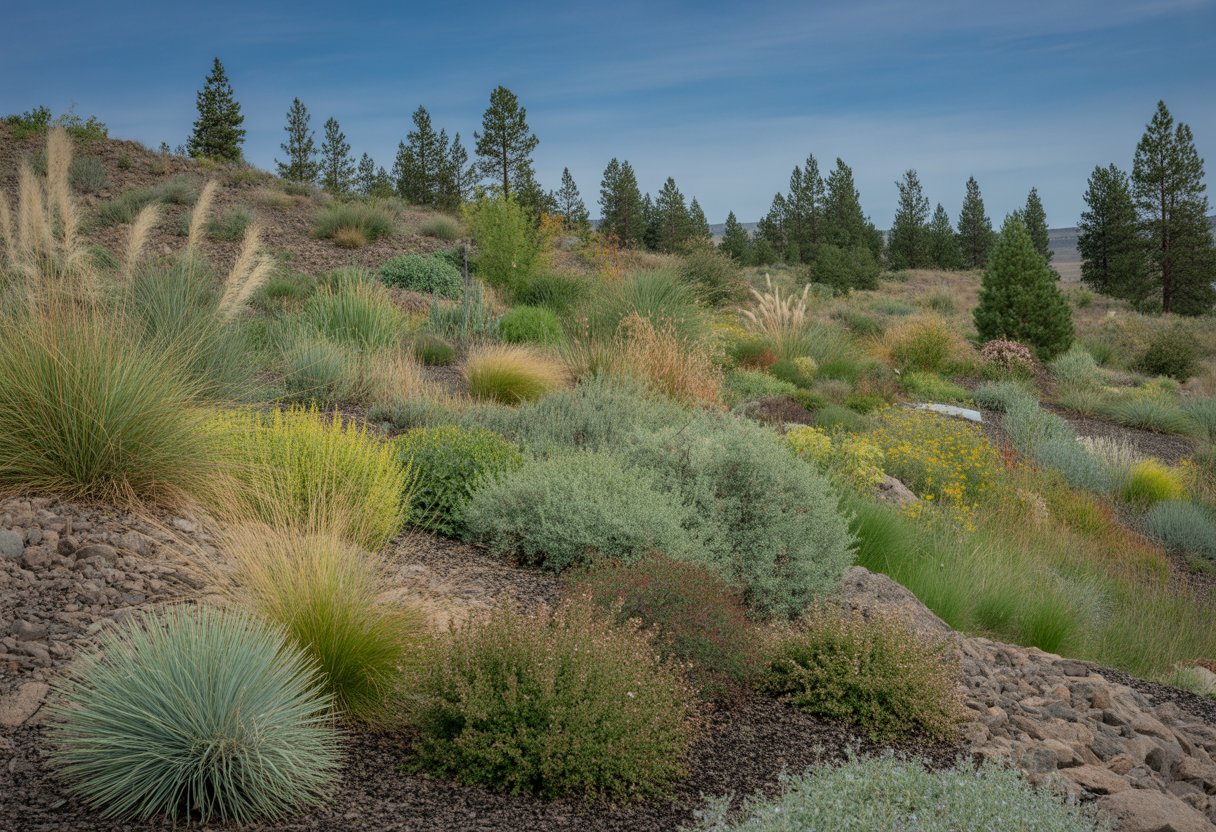
Good design comes down to picking plants for your region, drawing in wildlife, and mixing things up for some visual interest. A little planning means your landscape will mostly take care of itself.
Choosing the Right Plants for Your Region
Idaho covers a lot of ground—northwest forests, southwest deserts, and Great Plains grasslands. Matching plants to your area makes them more likely to thrive and cuts down on watering.
In the northwest, Oemleria cerasiformis (Indian plum) and Pseudotsuga menziesii (Douglas fir) do well. The drier southwest suits Artemisia tridentata (big sagebrush) and Eriogonum umbellatum (wild buckwheat). Grasslands? Go for Bouteloua gracilis (blue grama) and Andropogon gerardii (big bluestem).
Pairing plants with your local soil and rainfall keeps things simple and helps them grow naturally.
Creating Pollinator and Bird-Friendly Spaces
Native plants are clutch for birds and pollinators. Mix in flowers that bloom at different times so there’s always something for bees and butterflies.
Echinacea angustifolia (narrowleaf coneflower) and Asclepias speciosa (showy milkweed) attract pollinators across Idaho. Shrubs like Symphoricarpos albus (common snowberry) give birds berries late in the year.
Grouping plants together makes it easier for wildlife to find food. Varying heights and types of cover also help birds find places to nest.
Blending Color, Texture, and Structure
A balanced landscape mixes different plant forms to keep things interesting all year. Grasses like Festuca idahoensis bring a fine, almost feathery texture.
Broadleaf perennials such as Penstemon spp. throw in splashes of color. Evergreen shrubs step up and provide structure, especially when winter strips away everything else.
Try mixing tall grasses with low-growing wildflowers. This layering effect really makes a yard pop.
Color palettes that echo Idaho’s natural scenes—think purples, yellows, and greens—help the yard blend with its surroundings. If you group plants with contrasting leaf shapes and sizes, you’ll get more visual depth without much extra effort.