Mulching Techniques for Native Gardens: Essential Practices for Healthy Soil and Plant Growth
Last updated: August 30, 2026
Mulching is honestly one of the best ways to keep native gardens healthy. It helps regulate soil temperature, keeps moisture in, suppresses weeds, and improves soil structure.
All of these benefits are pretty important if you want native plants to do well.
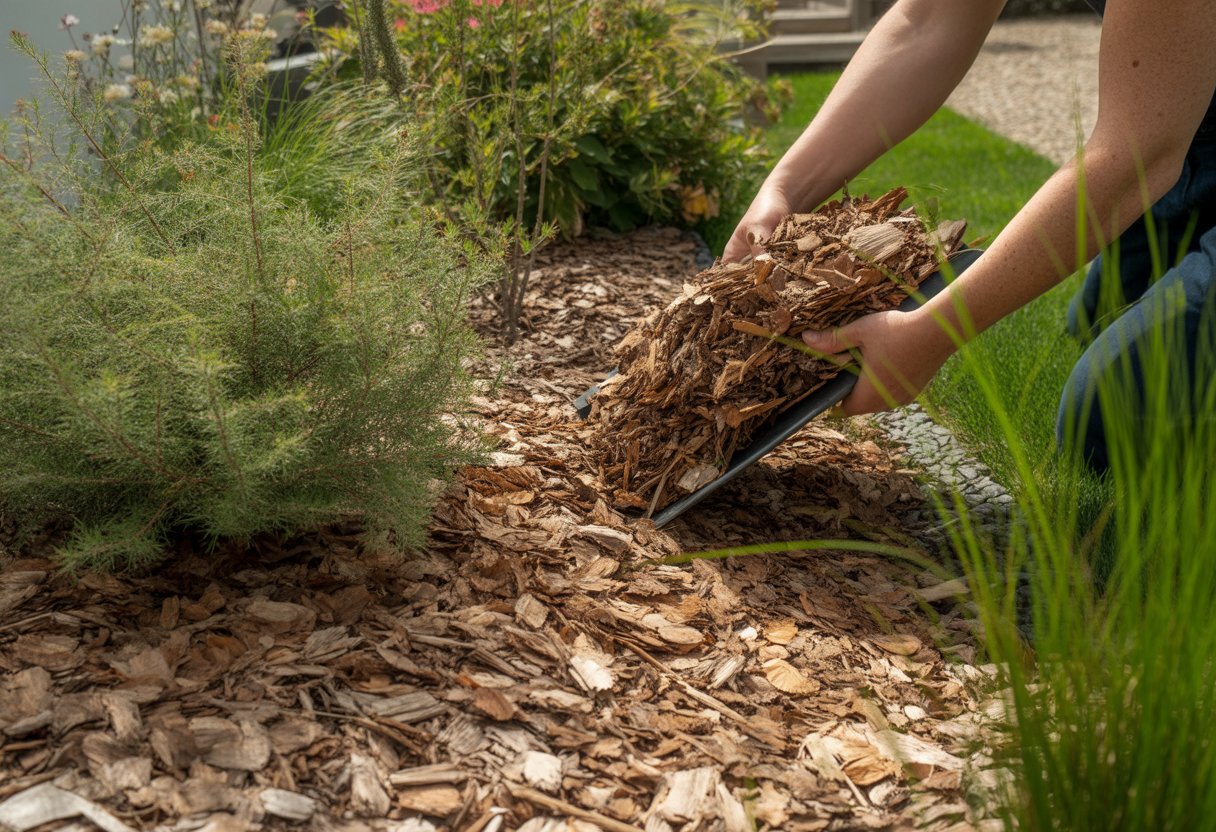
The best mulching techniques for native gardens use organic materials that break down slowly, giving the soil a boost without messing up the ecosystem. Picking the right mulch really lets native plants thrive because it mimics what they’d get in the wild.
When you apply mulch, just layer it around plants—don’t smother the stems or roots. This simple habit keeps roots happy and cuts down on how much work you have to do.
The Importance Of Mulching In Native Gardens
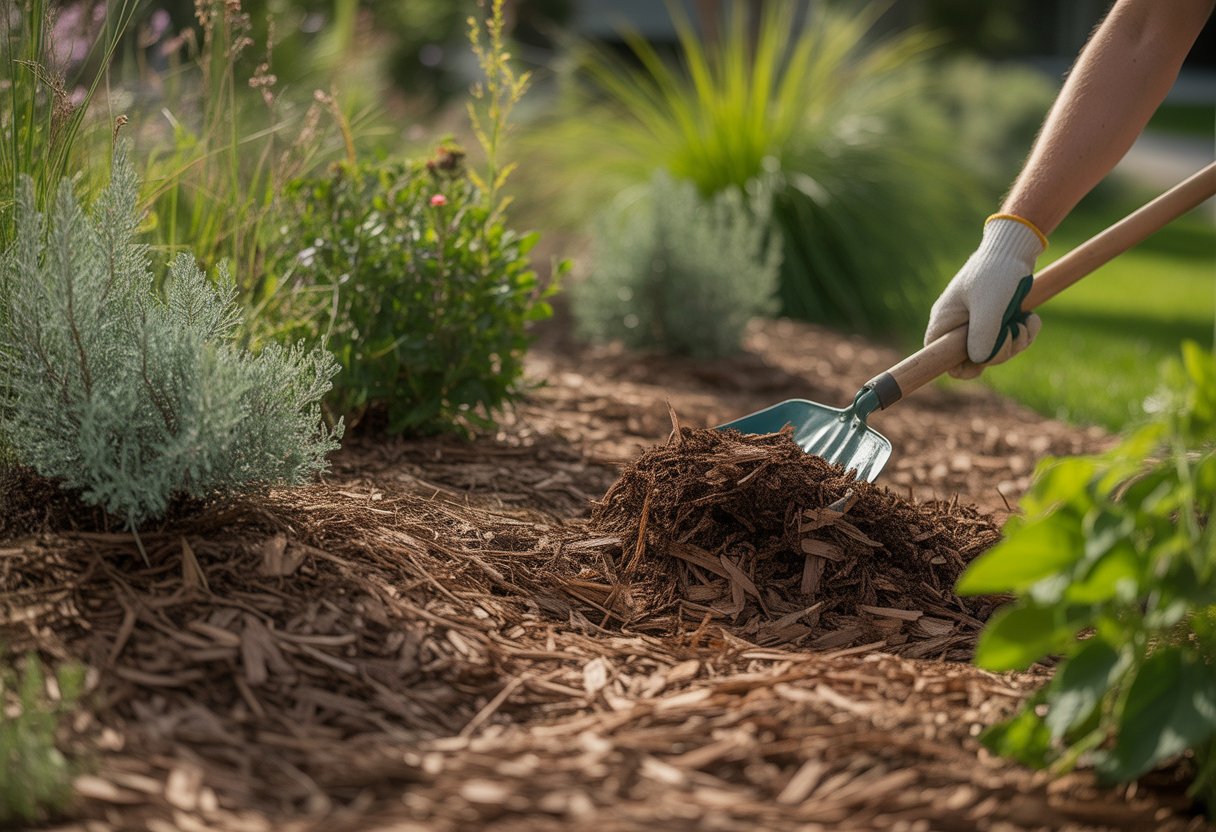
Mulching in native gardens does a lot behind the scenes. It keeps the soil in good shape, helps helpful critters thrive, and makes a real difference in how well native plants grow.
Benefits For Soil Temperature And Moisture Retention
Mulch acts like a little blanket on the soil, smoothing out those wild temperature swings. It keeps soil cooler in the summer and warmer in the winter, which makes life easier for native plant roots.
It also slows down evaporation by blocking sun and wind. That means you won’t have to water as often.
In dry areas or during drought, mulch helps the soil hold onto every drop of water. Native plants really depend on that for steady growth.
If you use organic stuff like shredded bark or leaves, it breaks down slowly and makes the soil even better at holding water. The process of breaking down also helps roots dig in and get strong.
Promoting Biodiversity And Wildlife Habitat
Mulch creates cozy spots for earthworms, microbes, and other tiny soil helpers. These creatures work hard to break down organic matter and boost soil nutrients.
Native garden mulch also gives insects and small animals a safe place to hang out. That’s a big deal for pollinators and other important wildlife.
It can even help keep invasive plants at bay, letting native plants take the lead. With a healthy understory, birds and other critters that rely on native plants get a better shot.
Impact On Plant Health And Growth
Mulch helps prevent soil from washing away and getting packed down. That means roots have room to spread and can soak up more water and nutrients.
By blocking out weeds, mulch gives native plants a better chance to thrive without constant weeding. Less stress from competition means stronger, healthier plants.
You’ll often see more microbial activity in mulched soil, which keeps nutrients cycling and available. That gives native plants the steady support they need to settle in and grow.
Types Of Mulches Suitable For Native Gardens
Picking the right mulch can really make a difference for soil health, water savings, and keeping weeds down. Each material has its own pros and cons depending on your garden and the native plants you’re growing.
Organic Mulch Options: Wood Chips, Straw, And Fallen Leaves
Wood chips stick around for a while and slowly feed the soil. They’re great at keeping soil temperatures steady and holding moisture.
Straw weighs less and breaks down a bit faster than wood chips. It’s solid for weed control, especially if you layer it right so water can still get through.
Fallen leaves work well as a natural mulch, returning nutrients to the soil. If you shred them first, they cover better and don’t mat down as much.
Inorganic Mulching Materials: Gravel And Plastic
Gravel lasts a long time and keeps weeds in check. It won’t add anything to the soil, but it’s good for rocky or drought-tolerant native plants.
Plastic mulch blocks weeds and keeps moisture in, but it can mess with soil breathing. It sometimes traps too much heat, especially in hot climates.
You’ll want to think about how you install gravel or plastic so you don’t cause problems for roots or soil.
Specialty Mulches: Hay Mulch, Grass Clippings, And Manure
Hay mulch helps with weeds and adds organic matter, but it might bring in seeds if you’re not careful. It breaks down pretty quickly and can help the soil feel looser.
Grass clippings are packed with nitrogen and break down fast, which is handy for poor soils. Let them dry out before spreading, or you might end up with a smelly, clumpy mess.
Manure brings in nutrients and makes the soil richer. Just make sure it’s well-aged before using, since fresh manure can burn plants or overload them with nitrogen.
Best Mulching Techniques For Native Plant Success
If you want native plants to really settle in, mulching helps with soil health, moisture, and less work for you. Different spots in your garden might need different approaches.
Layering Mulch For Garden Beds And Pathways
Layering mulch works better than just dumping it on. Put down a thin base of something coarse, like wood chips, to let air in and stop the mulch from getting packed down.
Add a finer layer, maybe shredded leaves or straw, to lock in moisture. For beds, aim for about 2 to 4 inches—enough to cover but not smother.
On pathways, go a bit thicker, up to 6 inches, for extra durability and weed control. Always keep mulch away from plant stems and trunks, or you’ll risk rot.
Check your mulch every so often to make sure it’s still the right thickness. If rain or watering washes it away, just top it up.
Using Mulch To Suppress Weeds, Conserve Water, And Enhance Curb Appeal
Mulch blocks sunlight, so weed seeds have a tough time sprouting. That means less need for herbicides, which is better for your native plants.
It also keeps water from evaporating too fast, so your soil stays moist longer. You won’t have to water as much, which is a relief in dry spells.
A neat mulch layer makes the garden look sharp and tidy. Pick something that looks good with your plants—natural bark or pine needles are usually a safe bet.
Addressing Nitrogen Depletion And Herbicide Contamination
Some organic mulches can tie up nitrogen for a bit as they break down. To avoid stressing your plants, add mulch after you’ve worked in some nitrogen-rich compost or a little fertilizer.
Stay away from mulches you can’t trace, since they might have herbicide residue. That stuff can really mess up native plants and the microbes in your soil.
If you’re unsure, test your mulch or stick with local, trusted sources. That way you keep the soil healthy and your plants safe.
Essential Care And Maintenance Of Mulched Native Gardens
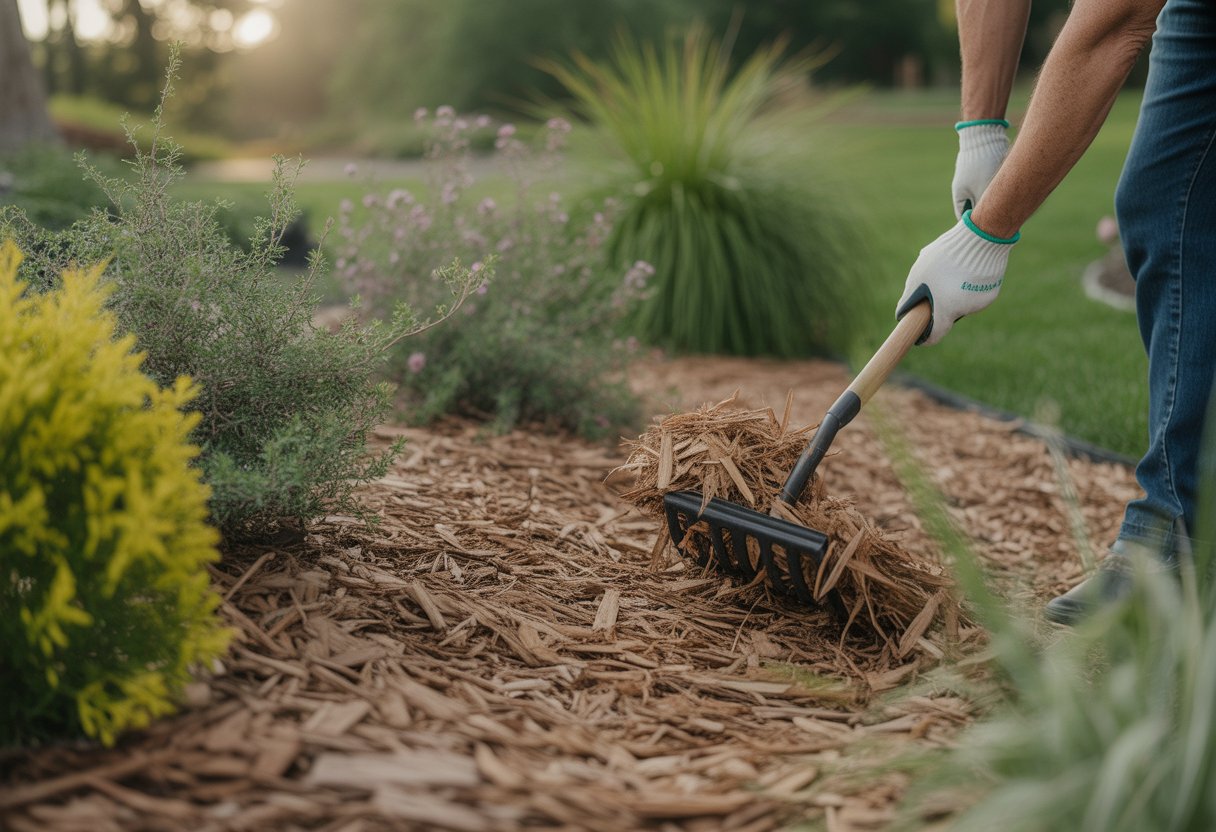
Keeping a mulched native garden in shape means watching mulch depth, helping plants through different growth stages, and tweaking things as the seasons change. These habits help native plants thrive and keep weeds and dry soil in check.
Monitoring Mulch Depth, Renewal, And Decomposition
Check your mulch every so often to keep it between 2 and 4 inches deep. Too little won’t stop weeds or hold moisture, but too much can smother roots and attract pests.
Top up mulch once a year, or more often if it breaks down fast. Organic mulches feed the soil as they decompose, but you’ll need to add more now and then.
If the old mulch gets packed down or moldy, rake it out before adding new stuff. Always keep mulch pulled back from stems to prevent rot and disease.
Supporting Germination And Mature Size Of Trees And Shrubs
Mulch helps seeds sprout by keeping things moist and stable. But don’t pile it too thick over new seedlings—they’ll have trouble pushing through.
For trees and shrubs, mulch boosts root growth and cuts down on moisture stress early on. Leaving a mulch ring around trunks keeps bark healthy and deters pests like rodents.
As your plants get bigger, adjust the mulch so roots don’t get crowded. Good coverage encourages roots to spread out, which is key for long-lived native plants.
Seasonal Adjustments And Irrigation Strategies
Mulch slows down evaporation, but you’ll still need to water, especially when it’s dry. Running soaker hoses under the mulch gets water right to the roots and keeps it from disappearing into thin air.
In winter, mulch shields roots from freeze-thaw cycles. When it’s hot, a little extra mulch helps lock in moisture.
Refresh mulch when the seasons change, and tweak your watering schedule as needed. Check soil moisture often so you’re not overwatering or letting things dry out—native plants can be picky, and a little attention goes a long way.
Utilizing Compost And Cover Crops For Soil Health
Adding compost under mulch boosts nutrient availability and improves soil structure. This simple step can really help native plants thrive.
Compost works like a slow-release fertilizer. It’s honestly one of those things every sustainable garden could use more of.
Planting cover crops in the off-season brings even more benefits. These plants fix nitrogen and help keep erosion in check.
A decent cover crop guide will point you toward species that actually fit your local native garden. It’s worth checking out before you just toss in whatever seeds you have.
Mixing mulch, compost, and cover crops together builds a more balanced, fertile spot for your plants. You’ll notice healthier soil life and long-term improvement, even if it takes a little patience.