Tools Every Ohio Gardener Needs for a Successful Growing Season
Last updated: November 3, 2026
Gardening in Ohio throws a curveball or two, thanks to its unpredictable weather and tricky soil. If you want your garden to actually thrive, you’ll need tools that can handle everything from stubborn clay to sudden rainstorms.
Picking the right gear makes planting, upkeep, and harvesting so much smoother. The wrong tools? They’ll just slow you down or wear you out.
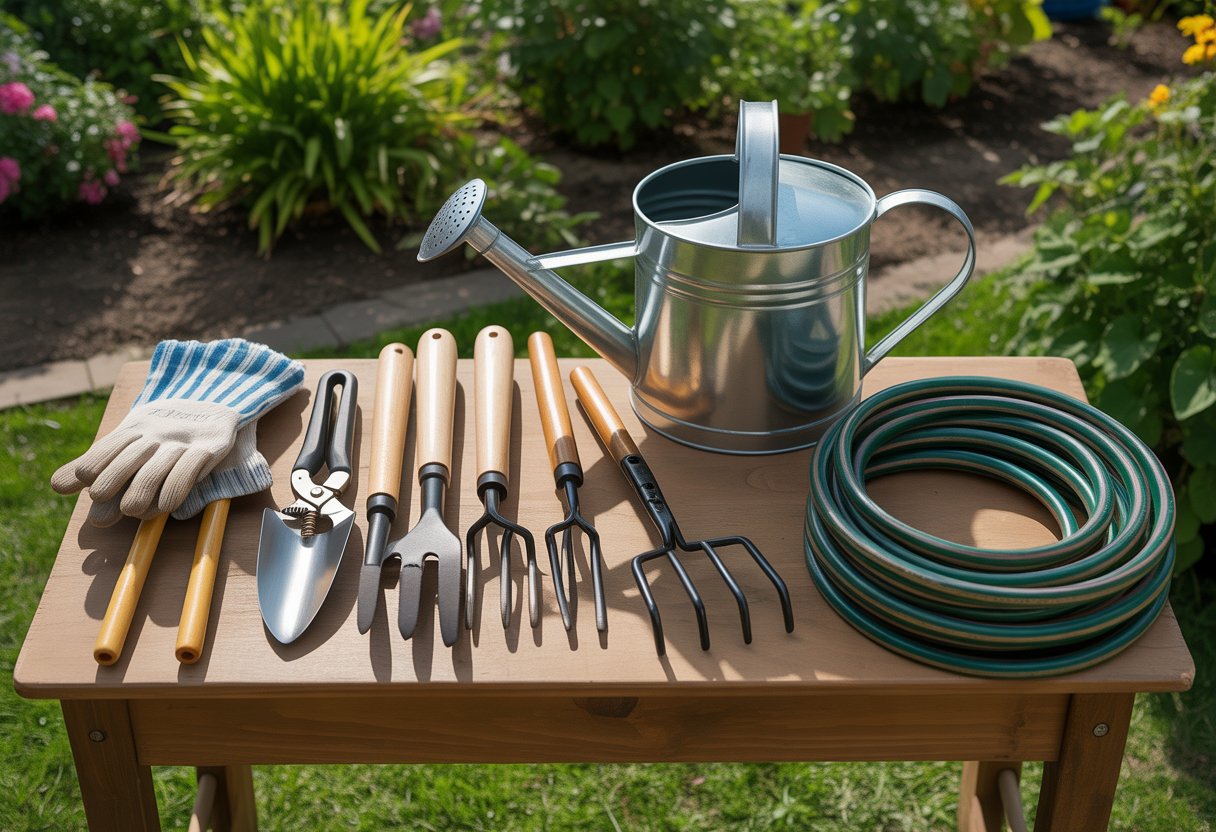
Every Ohio gardener should keep a sturdy pair of pruning shears, a reliable hand trowel, and a tough garden fork close by. These basics tackle most chores and work with Ohio’s soil.
Good tools take some of the hassle out of gardening. They just make life easier.
A decent watering system and gloves that actually fit your hands also go a long way. It’s all about comfort, right?
Knowing which tools work best for Ohio’s soil and weather gives you a head start.
Essential Gardening Tools for Ohio Gardeners
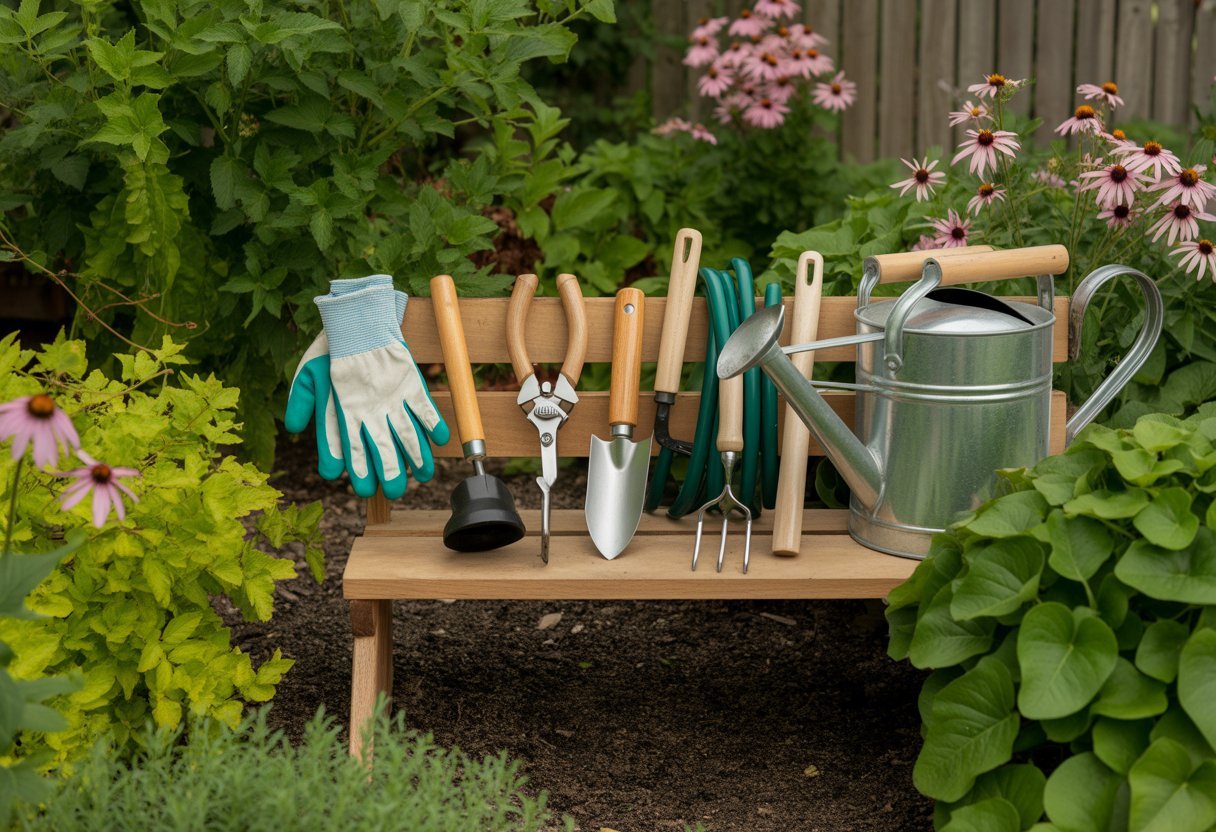
Ohio’s soil and weather can be all over the place, so you need tools that can handle a bit of everything. Quality hand tools, sharp cutters, and clever containers make gardening less of a chore.
Selecting the Right Shovel and Trowel
A garden shovel with a strong steel blade and a comfy handle (wood or fiberglass, take your pick) makes digging in Ohio’s clay way less painful. Pointed tips help slice through tough patches.
You’ll want a trowel that won’t rust and feels good in your hand. Six to eight inches is a sweet spot for blade length—just right for transplanting and loosening dirt.
Ergonomic grips matter more than you’d think. If you’re out there for a while, your hands will thank you.
Trowels with measurement marks? Super handy for getting seed depth right.
Choosing a Dependable Pruner
Sharp, reliable pruners keep your garden looking tidy and your plants healthier. Go for bypass blades—they make cleaner cuts and help stop diseases.
Adjustable tension and cushioned handles make a difference when you’re pruning for ages. Stainless steel blades are less likely to rust, so you don’t have to worry every time it rains.
Sharpen the blades every now and then, and add a dab of oil to keep them moving smoothly. Pruners with locks are just safer to toss back in the shed.
Using Practical Containers and Raised Beds
Containers and raised beds let you control soil and drainage, which is a big deal in Ohio. Untreated cedar or composite raised beds last longer and don’t rot as fast.
Pick containers with holes at the bottom and enough space—at least a foot deep and wide for most veggies. Moving them around is easier, and you can dodge pests by shifting locations.
Use a soil mix that drains well and packs in nutrients. Raised beds warm up quicker in spring, which can buy you a little more growing time.
Soil Preparation and Planting Aids
Good soil prep gives your plants a fighting chance. The right tools make it way easier to build healthy, workable soil.
Compost and Soil Amendment Tools
If you want to mix compost into Ohio’s heavy soil, you’ll need a solid garden fork. It’s perfect for turning and aerating compost, which helps it break down faster.
A shovel or spade helps you dig compost into your beds. For breaking up clumps and smoothing things out after, grab a soil rake.
A wheelbarrow or compost bin keeps things neat and saves a lot of back-and-forth. These tools help you add organic matter, which means better moisture and more nutrients for your garden.
Fertilizer Applications for Ohio Soil
Start with a soil test to figure out what your garden actually needs. Ohio soil often lacks nitrogen, so you’ll probably need to add some.
Broadcast spreaders make it easy to cover big areas with granular fertilizer. For smaller spots, handheld applicators let you target roots without wasting product.
Liquid fertilizers work fast if you run them through your watering system. Just don’t overdo it—follow the directions so you don’t fry your plants or mess up the soil.
Ohio Growing Season Essentials
Timing is everything in Ohio. The weather changes fast, so you need to get your seeds and tools ready at the right moment.
Some spring veggies need extra care to beat the summer heat. It’s a short window, but it’s worth it.
Planting Spring Vegetables
Lettuce, spinach, and radishes love cool soil—around 40°F is about right for planting. They handle a little frost and grow quickly, so you get early harvests.
Before planting, till and mix in compost to boost soil drainage and nutrition. Raised beds help warm the soil and keep roots from getting soggy.
You want steady moisture, but don’t drown your plants. A watering wand or drip system keeps things just damp enough.
Key Tools for Broccoli, Cauliflower, and Celery
Broccoli, cauliflower, and celery need rich, loose soil and consistent moisture. Use a soil thermometer to track when it’s warm enough—usually mid-April in Ohio.
A sharp trowel makes transplanting seedlings less stressful for the plants. Garden forks or hand rakes help loosen soil without wrecking the roots.
Mulch with straw or leaves to keep the soil temperature steady and lock in moisture. For celery, keep the soil evenly damp—using a moisture meter can help you get it just right.
Tips for Growing Strawberries and Onion
Strawberries love full sun and well-drained soil. They do best with a slightly acidic pH, somewhere between 5.5 and 6.5.
Raised beds or mounded rows help with drainage. They also cut down on disease, which is always a plus.
Plant strawberries as soon as spring kicks in. Give each plant about 12 to 18 inches of space so air can move through and fungal issues don’t take over.
A layer of mulch keeps weeds in check and helps the soil hold onto moisture. Honestly, it just makes life easier for you and the plants.
Onions like loose, fertile soil. You can start them from sets or seeds, but either way, wait until early spring when the soil’s warmed up to about 50°F.
If you’re growing onions from seed, thin the seedlings to 4 inches apart. This gives the bulbs room to develop, and you’ll end up with bigger onions.
A hand cultivator comes in handy for keeping soil loose around onion plants. It makes it tougher for weeds to compete and helps bulbs get bigger.
Water onions regularly, but don’t go overboard. Too much water leads to rot, and nobody wants that.