Native Mint for Vermont: Identification, Growth, and Uses in Local Ecosystems
Last updated: September 10, 2026
Native mint really brings something special to Vermont gardens. It thrives in the state’s climate and supports local ecosystems.
You’ll spot it growing wild all over Vermont, so it’s both easy to find and genuinely helpful for gardeners who care about native plants.
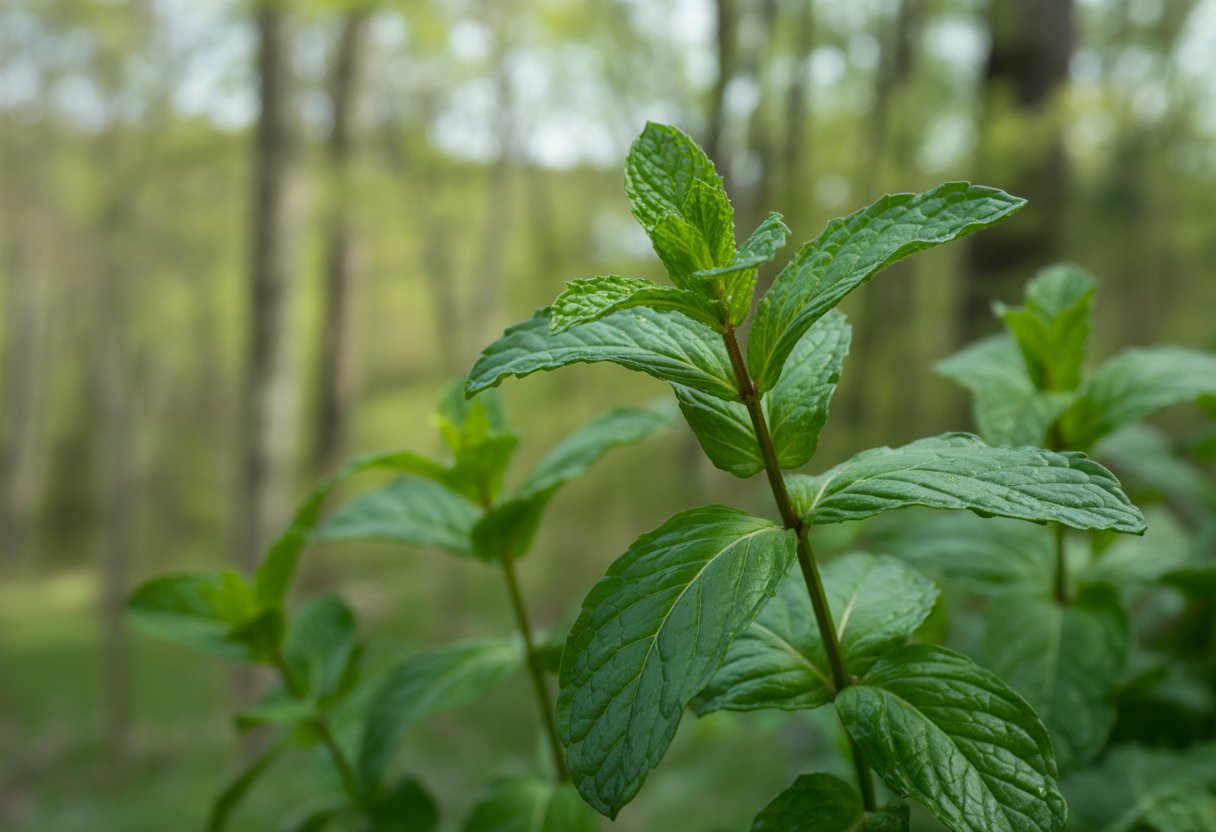
Native mint in Vermont is a hardy, aromatic herb that attracts pollinators and boosts garden biodiversity. It adapts naturally to local conditions, so you’ll spend less time fussing over it compared to non-native options.
Vermont gardeners often pick native mint because it improves soil health and gives beneficial insects a home. By choosing native plants like mint, people help preserve Vermont’s natural heritage and make their gardens more lively.
Understanding Native Mint in Vermont
Most native mints in Vermont belong to the mint family. They handle the region’s climate without much trouble.
These perennials stand out for their aromatic leaves and the role they play in local ecosystems.
Pycnanthemum incanum: Vermont’s Native Mountain Mint
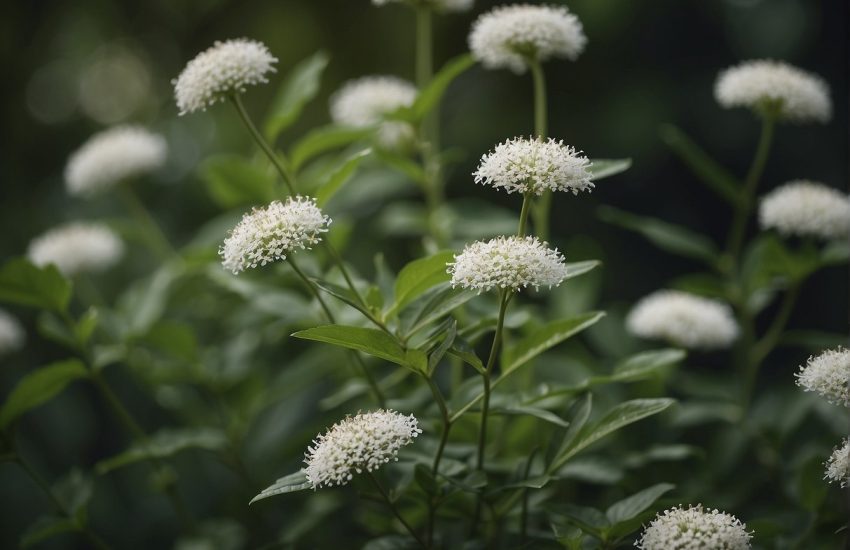
Pycnanthemum incanum, or mountain mint, is one of Vermont’s signature native species. This perennial herb grows about 2 to 4 feet tall.
It produces dense clusters of small, tubular flowers that range from pale lavender to white. Silvery hairs cover its leaves, giving them a grayish-green look.
Mountain mint likes well-drained soils and often pops up in open woods or along roadsides. Bees and butterflies flock to it, so it’s a go-to for native gardens and restoration projects.
Distribution and Native Range in Vermont
You’ll find mountain mint across much of eastern North America, and it’s pretty common throughout Vermont. It grows in both lowland and upland habitats.
The plant prefers sunny or partly shaded spots. It does best in dry to moderately moist soils and just doesn’t care for heavy shade or swampy areas.
Its spread across Vermont supports local wildlife and keeps native plant communities diverse. It fits in nicely with other mints and wildflowers from the region.
Key Characteristics of Native Mint Species
Vermont’s native mints all have a few things in common. They’re in the Lamiaceae family, have square stems, and their leaves are always aromatic.
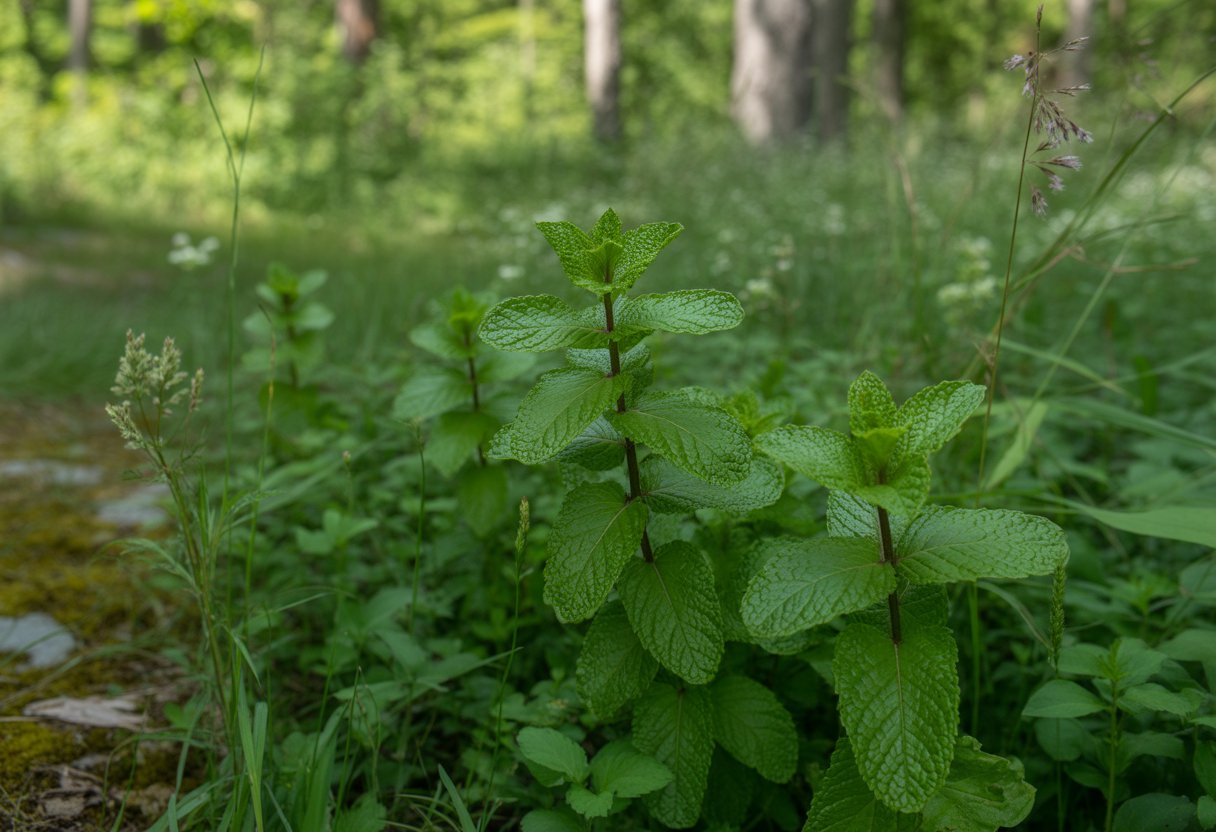
Leaves usually grow opposite each other, are ovate, and often a bit hairy. Flowers show up in clusters or spikes, with colors from white to lavender.
That classic minty scent comes from essential oils packed with menthol and similar compounds. These oils help repel insects and have uses in herbal medicine.
Most of these mints stick around year after year, offering steady ground cover and late-summer blooms for pollinators.
Ecological Benefits and Garden Uses
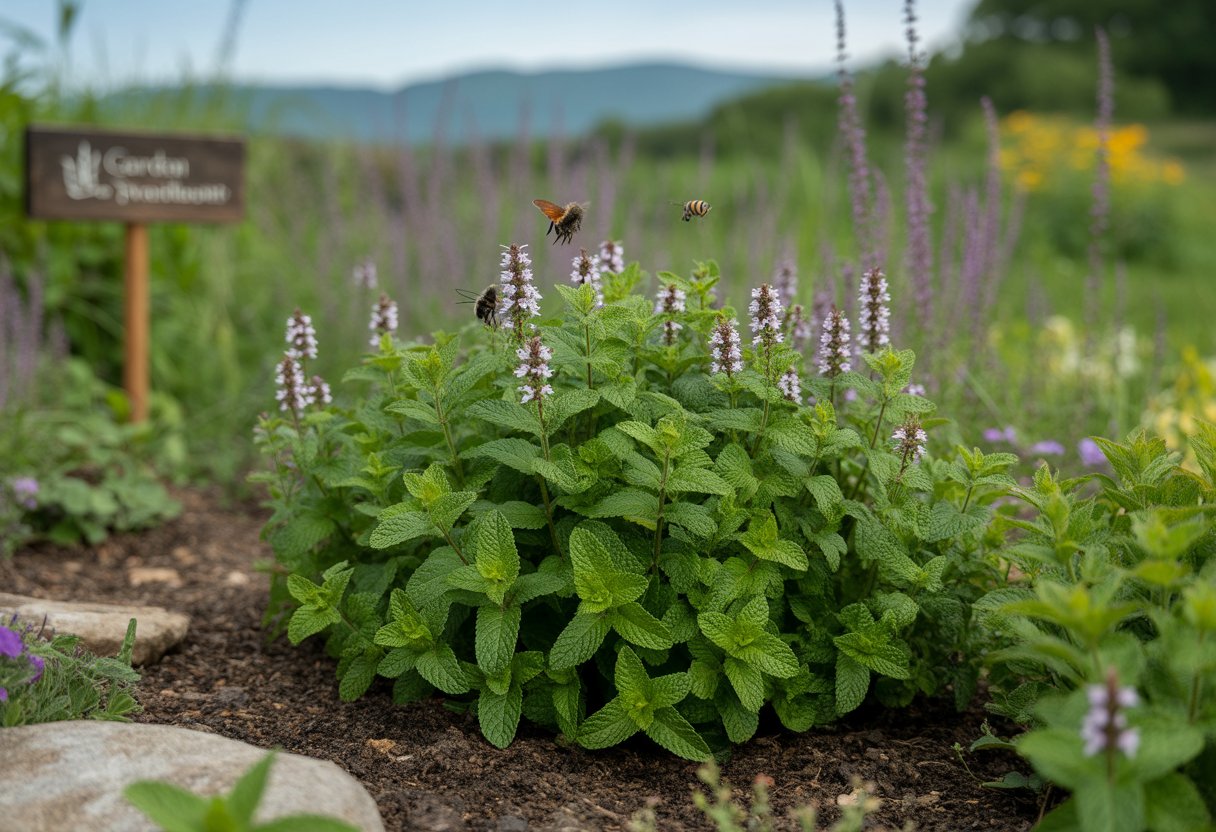
Native mint in Vermont brings a bunch of ecological perks and fits into many garden styles. It helps pollinators, shrugs off drought and deer, and teams up well with other native plants to make gardens more resilient.
Support for Pollinators and Biodiversity
Native mint draws in pollinators like bumblebees, butterflies, and even hummingbirds. Its flowers serve up nectar and pollen through the growing season.
By adding local biodiversity, it creates a more complex habitat. Planted near other natives like bee balm and black-eyed Susan, mint helps support a whole community of insects.
These relationships keep ecosystems in balance and improve pollination for nearby plants. When you plant native mint, you’re basically inviting helpful insects to stick around.
Deer Resistance and Drought Tolerance
Most Vermont native mints are deer resistant. Their strong-smelling oils turn deer away, so you won’t need to worry much about protective sprays.
They also handle drought well once settled in. Deep roots let them ride out dry spells better than many non-natives, which means less watering for you.
This combo of deer resistance and drought tolerance makes native mint a low-maintenance perennial that just keeps going, even when Vermont’s weather gets weird.
Companion Planting with Native Species
Native mint gets along well with little bluestem, black-eyed Susan, and bee balm. Together, they provide food for pollinators at different times and mix up the look of your garden.
Mint’s spreading habit helps keep weeds down, so you can skip some of the chemicals. Using it in your planting mix encourages natural pest control and keeps soil in place.
People also like native mint for its flexibility. It works with tea herbs and can be harvested without hurting its role in the garden.
Cultivation and Care in Vermont Gardens
If you want native mint to thrive, you’ll need to know a few basics about propagation, site selection, and ongoing care. Paying attention to soil and light, plus managing how it spreads, goes a long way in Vermont’s climate.
Germination and Propagation Methods
You can start native mint from seeds or by dividing rhizomes. Seeds need steady moisture and about 70°F to sprout—usually in 10 to 14 days. Lightly covering them helps with germination.
Dividing rhizomes is quicker and more reliable. In early spring or fall, dig up mature plants and split the rhizomes, making sure each piece has at least one node. Space them 12 to 18 inches apart so they have room to grow.
Cuttings from healthy stems also root in water or moist soil, often in just two weeks. This is a popular way to keep medicinal types going strong.
Ideal Growing Conditions: Sunlight, Soil, and Water
Native mint does best with full sun to partial shade. Aim for 4-6 hours of direct sunlight, though a bit of afternoon shade is fine, especially during hot spells.
Loamy or sandy soils with lots of organic matter work best. Keep pH between 6.0 and 7.5. If you’ve got heavy clay, mix in compost to loosen things up.
Water enough to keep the soil moist, but don’t drown it. Mint likes 1 to 1.5 inches of water weekly, with a little extra during dry times. Mulch helps hold in moisture and keeps roots cool.
Maintaining Healthy, Bushy Plants
Regular pruning keeps native mint bushy and healthy. Pinch the tips early to encourage more branches and thicker foliage.
If you snip off flowers as they appear, you’ll keep the plant focused on making leaves—handy if you’re after medicinal uses. Shearing the top third once or twice a season helps control its size and shape.
Since native mint spreads by rhizomes, keep an eye on it. Use barriers or containers if you want to stop it from taking over. Weeding around the plants helps them get the water and nutrients they need.
Conservation, Diversity, and Related Species
Native mints in Vermont face different conservation challenges and grow in a range of habitats. Related species live throughout the eastern U.S., and some have pretty specific needs.
Endangered and At-Risk Native Mint Populations
Some native mint species in Vermont and the broader East are endangered or at risk. Pycnanthemum tenuifolium (hoary mountain mint) is losing ground as its habitats disappear. Development keeps breaking up the open woods and prairies where it likes to grow.
Conservationists focus on protecting these habitats and watching over the remaining wild populations. Honey bees really benefit from these mints, which offer important nectar. States like Kentucky have listed certain mountain mints as vulnerable, so there’s a real need for more regional conservation.
Other Notable Mountain Mint Varieties in the Region
The genus Pycnanthemum includes several mountain mint species across the eastern U.S. Besides P. tenuifolium, you’ll find Pycnanthemum virginianum in places like southern Ontario, Georgia, and Alabama. These species adapt to everything from coastal plains to prairies.
Hoary mountain mint stands out for its silvery leaves and strong mint scent, which pollinators love. Differences in leaf shape and flower color separate the various types, adding to the diversity and ecological value of the group.
Historical and Current Distribution in Eastern U.S.
Historically, native mints grew across prairies, open woods, and coastal plains from Oklahoma and Kansas all the way to the Atlantic.
Populations in southern Ontario once thrived, though some spots have lost them because of land conversion.
In Vermont, you won’t find these mints everywhere, but they still hang on in protected woodlands and natural reserves.
Current distribution maps show pretty fragmented populations, which really just highlights how picky these plants can be about where they live.
Conservation efforts in places like Mississippi and Georgia offer some ideas for restoring mint populations up north.