
Low Maintenance Native Plants Indiana for Effortless Gardening and Sustainable Landscapes
Last updated: August 29, 2026
Low maintenance native plants make Indiana gardens and landscapes so much easier to care for. These plants have already adapted to the local climate and soils.
They need less watering, fertilizing, and pest control than non-native species. Choosing native plants cuts down on garden work and helps local ecosystems thrive.
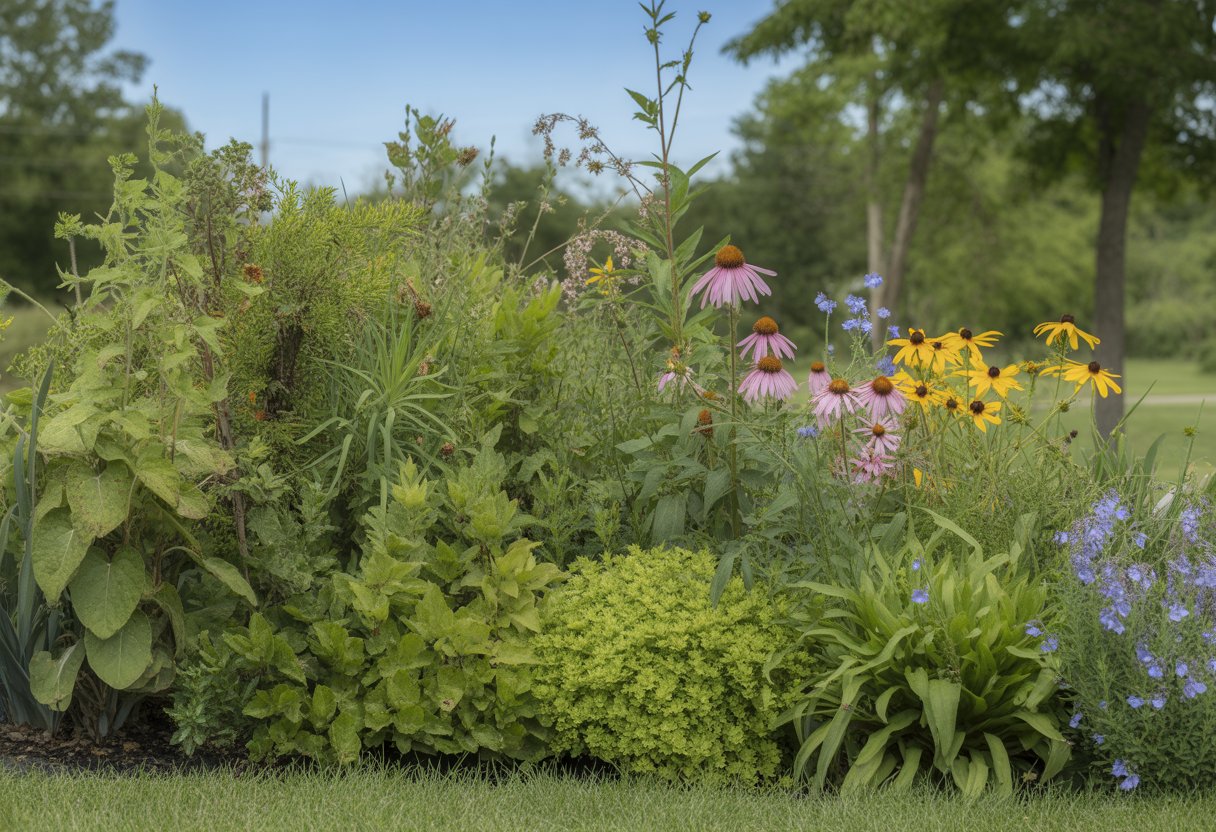
Plenty of native Indiana species—think purple coneflower, black-eyed Susan, and prairie dropseed—just do their thing with barely any fuss. They shrug off most regional pests and handle the wild swings of Indiana weather.
If you want an attractive, sustainable landscape but don’t want to spend your weekends fussing with plants, these natives are a perfect fit.
Native plants support biodiversity and save resources. Whether you’ve got a sprawling yard or a cozy garden patch, low maintenance natives are a practical way to build a healthy outdoor space.
Why Choose Low Maintenance Native Plants in Indiana
Low maintenance native plants in Indiana give gardeners some real, tangible benefits. They also help local ecosystems, which is honestly a win-win.
Wildlife gets a boost, you use fewer resources, and the region’s biodiversity stays a little stronger. It’s all part of a more sustainable garden that actually fits Indiana’s natural vibe.
Benefits for Gardens and Landscapes
Native plants that already fit Indiana’s climate and soil need less watering, fertilizing, and pest control than exotics. This means you spend less time and money on upkeep.
Their deep roots stabilize soil and help prevent erosion. Pretty handy, right?
You’ll also notice these plants bounce back from pests and diseases that trouble Indiana gardens. Both beginners and seasoned gardeners can appreciate a landscape that mostly takes care of itself.
Support for Pollinators and Wildlife
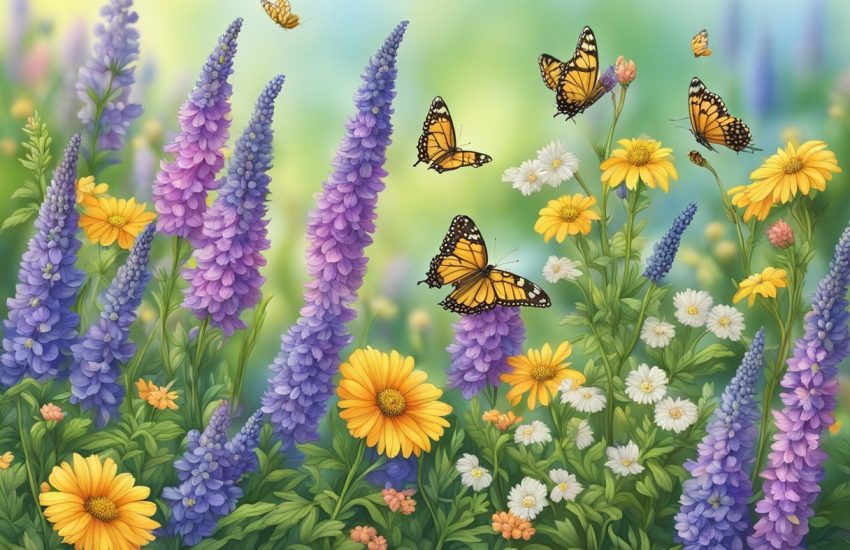
Native plants feed and shelter local pollinators—bees, butterflies, and native birds really depend on them. They help pollinator gardens by connecting habitats across Indiana.
If you want your garden to buzz with life, native plants are the way to go. They keep pollinator populations going, which matters for agriculture and the whole ecosystem.
Environmental Impact and Conservation
When you plant low maintenance natives, you cut down on chemical fertilizers, pesticides, and unnecessary watering. That’s less impact on the environment.
You’ll often see conservation yard signs where people use these plants to show off responsible gardening. Natives keep Indiana’s natural heritage alive and help stabilize local ecosystems.
Their presence supports long-term conservation. Wildlife habitat depends on these native plant communities.
Best Low Maintenance Native Plants for Indiana
Indiana’s native plants fit right into USDA hardiness zones 5 and 6. They handle sun, shade, or prairie conditions without much help.
Popular Flowering Species
Black-eyed Susan (Rudbeckia hirta) stands out in Indiana gardens. It blooms from mid-summer to fall and shrugs off drought once it settles in.
This flower loves full sun and well-drained soil. You can plant it and mostly forget it.
Blazing Star (Liatris spicata) brings tall, spiky purple flowers to your landscape. It likes sandy, well-drained soils and plenty of sun.
Pollinators flock to it, and you don’t have to water it much.
White Snakeroot (Ageratina altissima) grows in shade or partial sun and fits Indiana soil. It’s deer-resistant, too.
If you’ve got shady spots and want something easy, this one delivers.
Native Grasses and Prairie Plants
Indiana’s tallgrass prairies give us grasses like Big Bluestem (Andropogon gerardii). It grows 6-8 feet tall and needs almost no extra water after it’s established.
It handles a mix of soils and gives wildlife a place to hide.
Switchgrass (Panicum virgatum) makes a durable choice. It adapts to wet or dry soils and helps with erosion control.
Prairie plants and native grasses together make a landscape that’s both diverse and sustainable. If you want to make it even easier, try a native plant kit for shade gardens or prairie restoration.
Shrubs and Groundcovers
Oakleaf Hydrangea (Hydrangea quercifolia) puts out white blooms from late spring into summer. It grows in partial shade and adapts to different soils.
The foliage and bark look great, and it works well in low maintenance shrub borders.
For groundcover, Wild Ginger (Asarum canadense) thrives in shade and moist soils. It spreads on its own, so you spend less time mulching or weeding.
These shrubs and groundcovers fit Indiana’s climate. They fill multiple roles and don’t ask for much in return.
Designing and Planting Your Low Maintenance Native Garden
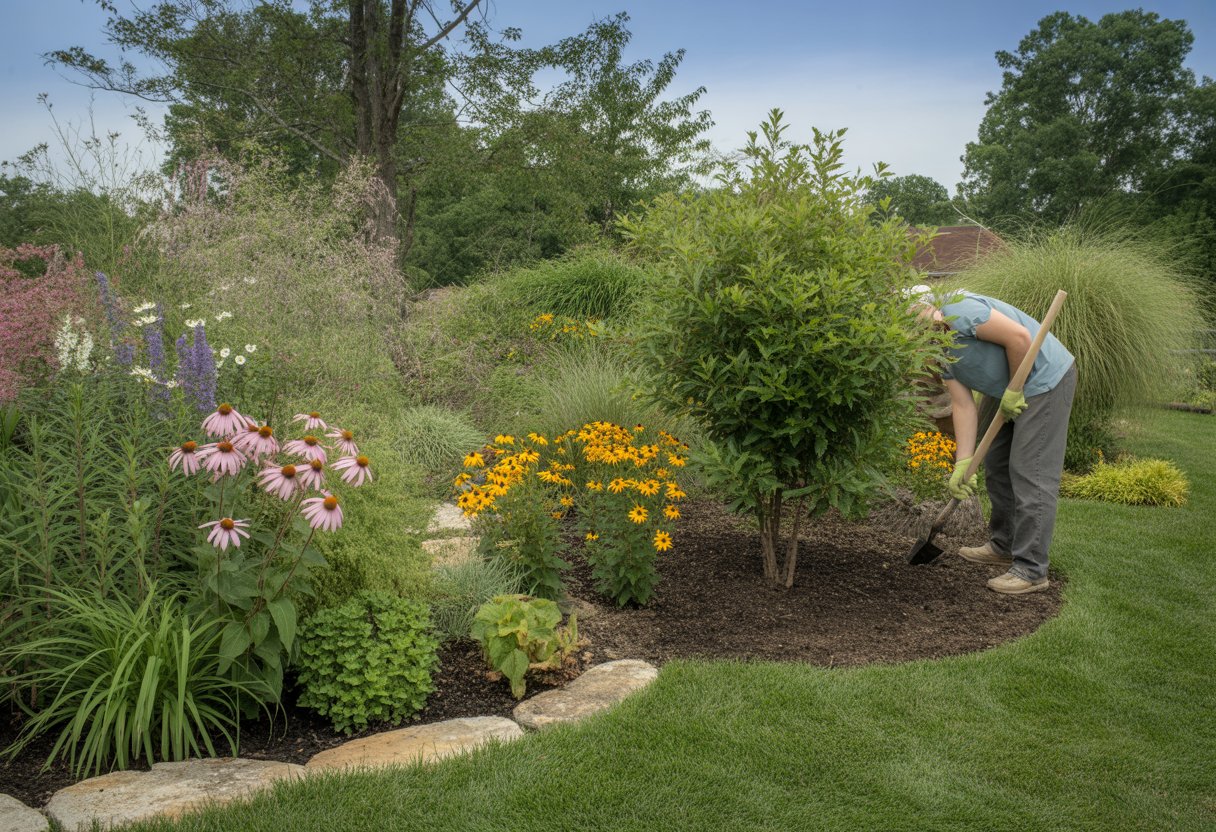
Building a low maintenance native garden in Indiana starts with simple planning. Think about sunlight, water needs, and how you’ll pick your plants.
Smart choices from the start save you work later and help pollinators, too.
Full Sun and Shade Considerations
Native plants that like full sun need at least six hours of direct light. Purple Coneflower and Black-eyed Susan thrive here and don’t need much watering once they’re settled.
Shade gardens need plants that handle low light, like Ferns or Solomon’s Seal. These natives prefer moist, well-drained soil, but they’re still simpler than most non-natives.
If you separate areas by sunlight, you can avoid overcrowding. Each plant gets what it needs, and you dodge a lot of common problems.
Drought Tolerance and Water Management
Drought-tolerant natives like Butterfly Milkweed and Little Bluestem grass do well in Indiana. You won’t have to drag the hose out much for these.
Setting up a 55 gallon rain barrel lets you collect rainwater for dry spells. Put it near your drought-tolerant plants or by a rain garden native plant kit to make watering even easier.
Mulching and grouping plants with similar water needs also help cut down on watering. Rain gardens or permeable soil areas keep excess water away from sensitive spots while putting it to good use elsewhere.
Utilizing Native Plant Kits and Plugs
Native plant kits make starting your garden less daunting. They group species that get along and don’t fight for resources.
Plant plugs give you young, healthy plants that settle in quickly. If you use plugs from a native kit, your garden fills out faster and weeds have less of a chance.
Mixing kits with both sun and shade species lets you cover more ground. It’s a solid way to build a tough, low maintenance native garden.
Care Tips and Maintenance Strategies
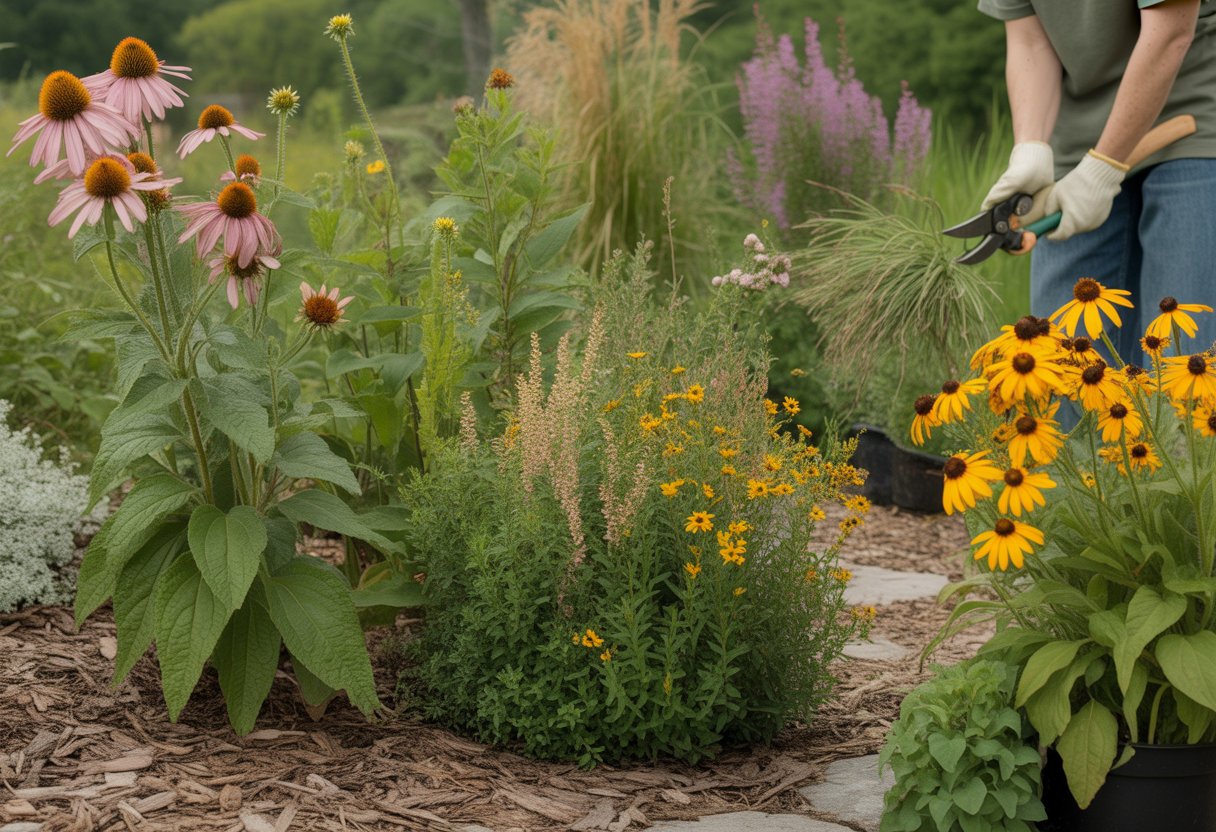
Keeping native plants happy in Indiana comes down to a few basics. Focus on beating back invasive species, and stay on top of seasonal chores.
It’s not hard, but it does make a difference.
Weed Control and Avoiding Exotic Species
Weed control is key for native plants to really shine. Regular mulching blocks weeds and keeps the soil moist.
Organic mulches—like shredded bark or leaves—work best in Indiana gardens.
Skip exotic species when you can. They often take over and crowd out the good stuff.
Keep an eye on new plantings and pull non-native seedlings fast. Spotting invasive weeds like garlic mustard or Japanese knotweed early saves you a headache later.
Try to weed every couple of weeks during the growing season. Hand pulling beats herbicides and keeps your native plants safe.
Healthy soil with good aeration makes it harder for aggressive weeds to move in.
Seasonal Tasks and Long-Term Success
Spring rolls around, and it’s the perfect moment to prune away dead stems and clear out debris. That way, native plants can finally soak up some sunlight and get better air circulation.
If you deadhead spent flowers, you’ll encourage fresh growth and keep blooms going longer—no need for extra fertilizer either. It’s a simple trick that makes a difference.
When summer hits, I usually water only during those long dry stretches. Native plants generally don’t need much, so it’s easy to avoid overwatering.
A slow-release fertilizer in early spring gives plants a boost, and you don’t have to fuss with frequent feeding. That’s honestly a relief.
Come fall, I cut back perennials after the first frost and toss on some mulch. That layer helps shield root systems from Indiana’s unpredictable winter.
I like to keep an eye on how vigorous the plants look each year. It’s not a bad idea to adjust your care routine if the weather goes haywire or your hardiness zone shifts.
Thanks for stopping by, Sylvia! We appreciate our readers and love the engagement. Wishing you a great growing season!
My neighbor has been doing this for years and her yard looks amazing. Time for me to give it a shot.
Good general info. I’d recommend also talking to your local extension office for area-specific advice.
You’re right that soil prep is crucial — we should probably expand on that. Thanks for the feedback! -Plant Native Team