Vegetable Planting Guide Alabama: Essential Tips for Successful Growing Seasons
Last updated: September 28, 2026
Vegetable planting in Alabama means getting to know the state’s unique climate and soil. Gardeners here can grow all sorts of veggies if they follow seasonal planting schedules that fit the region.
Most vegetables in Alabama do best when planted from early spring through late summer, but it really depends on the crop and those unpredictable local frost dates.
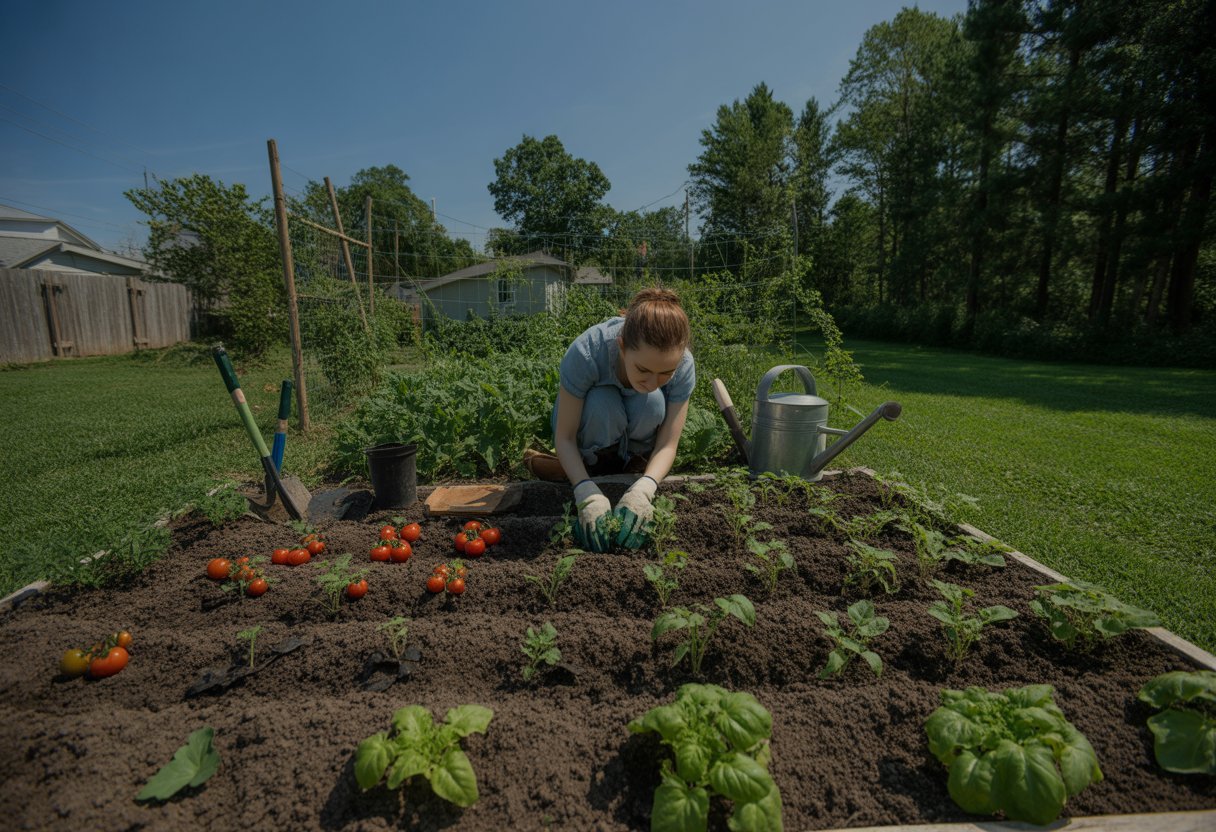
Alabama’s warm climate opens up the possibility for multiple growing seasons, but you’ve got to nail the timing to avoid summer’s brutal heat or a surprise frost. A vegetable garden here needs good soil preparation and crops that can handle the local weather.
Plenty of folks across the U.S. look for region-specific guides to boost their harvests and dodge common mistakes. This Alabama guide gives you practical steps and dates, so planning and keeping up with your veggie patch feels a bit less overwhelming.
Alabama Vegetable Planting Calendar and Climate
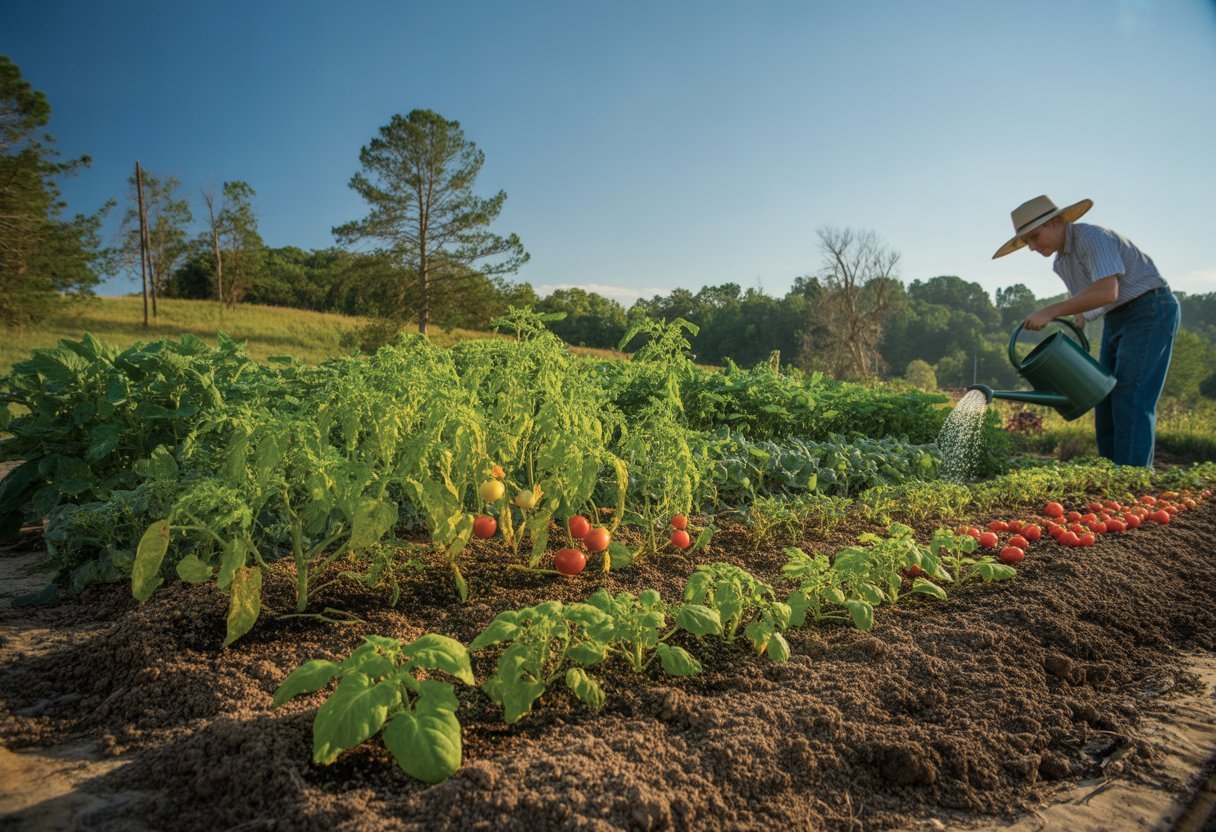
If you want to plant vegetables in Alabama, you’ve got to pay attention to climate patterns and frost dates. The state’s different hardiness zones and microclimates really shape when you should get seeds in the ground.
Understanding Hardiness Zones
Alabama covers USDA Hardiness Zones 7a to 9a. That means average annual minimum temperatures range from 0°F up north to about 30°F down south.
This zone info helps you pick veggies that’ll survive winter and thrive during the season.
Northern Alabama, like Jackson, sits in Zone 7b to 8a. Winters are cooler, so you’ll want to plant earlier in spring and squeeze in those fall crops late.
Southern Alabama’s warmer zones let you grow longer—sometimes all year if you’re lucky.
Knowing your specific zone helps you pick plants that can handle your local lows. It’s worth checking the zone map before you plan your planting schedule.
Key Planting Dates: Last and First Frost
The last frost date jumps around depending where you are. In the south, it’s often late March, while up north it can be mid-April.
For instance, Jackson usually gets its last frost around April 5. Down in Mobile, it might be as early as March 15.
First frost dates also shift with elevation and latitude. Southern Alabama sees it around late October, but farther north it’s usually early November.
These frost dates basically set your planting windows. Most gardeners start seeds indoors or plant outside about two weeks after the last frost for spring crops.
For fall harvests, aim for six to eight weeks before the first frost.
Regional Considerations in Alabama
Planting schedules in Alabama move around a lot thanks to the state’s geography and microclimates. North Alabama has cooler winters and shorter growing seasons than the coast.
Central Alabama gets hot in summer but enjoys a mild winter, which lets you plant more than once a year. Mountainous areas, like those near Birmingham, might see later last frost dates than you’d expect.
Local quirks—like how well your soil drains or your elevation—can tweak your planting calendar. Regional guides usually factor in these details to help you decide what and when to plant.
Seasonal Vegetable Planting Guide for Alabama
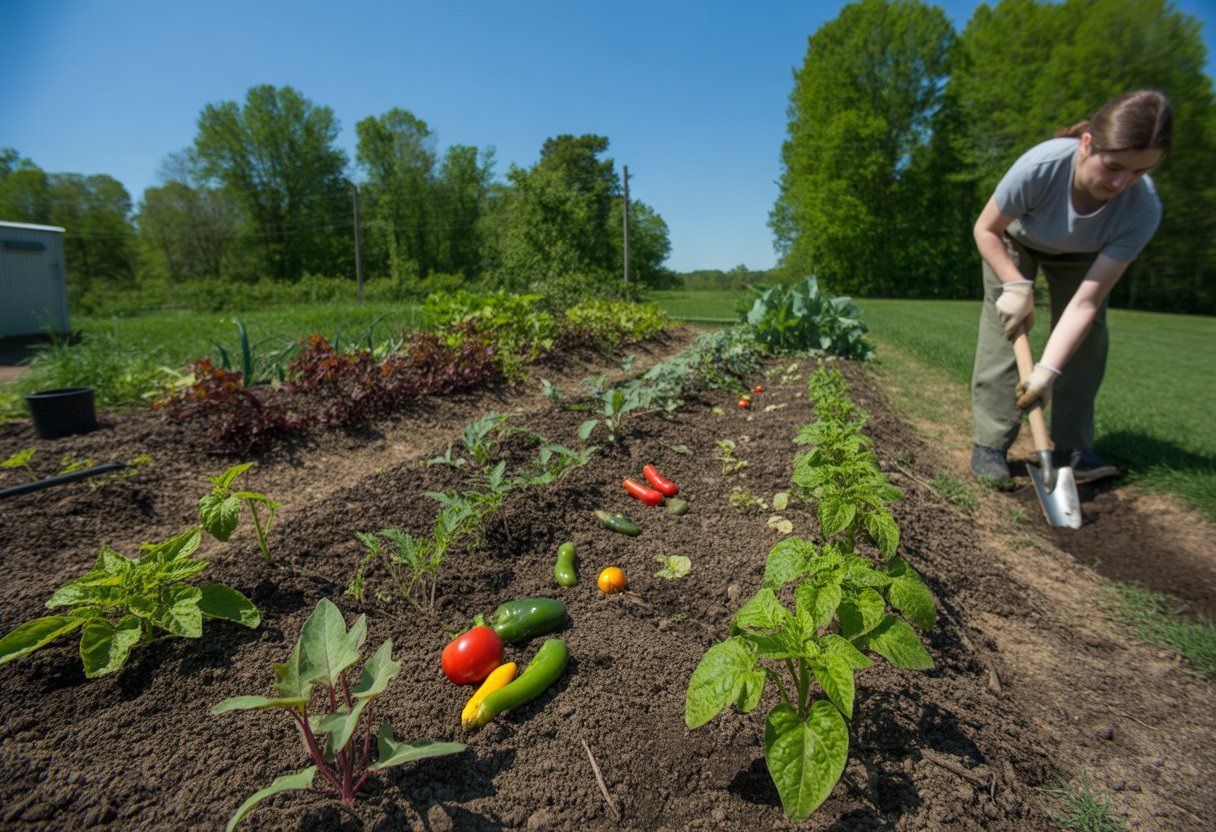
In Alabama, you have to watch the temperature swings and frost dates if you want your veggies to thrive. Adjust your planting times to match your local climate and you’ll give your crops a fighting chance.
Spring Planting Recommendations
Spring is the moment for tomatoes, broccoli, and sweet corn—just wait until after the last frost, usually from mid-March to early April.
Tomatoes do best when you transplant them outdoors once the soil warms up to 60°F. Broccoli likes to start indoors during late winter, then move outside early in spring so it doesn’t get scorched by the heat.
Sweet corn needs soil at least 60°F, so plant it in late March or early April. Getting these crops started early helps them mature before the summer heat kicks in.
Rosemary? You can start it inside or put it out in early spring, since it likes mild temps and soil that drains well.
Summer Planting Strategies
Summer in Alabama is no joke—hot and humid. Gardeners usually go for heat-lovers like okra and watermelon.
Okra is tough and drought-resistant, so plant it in full sun from late May to early June. Watermelon needs warm soil and room to stretch, so May is a good bet after frost danger passes.
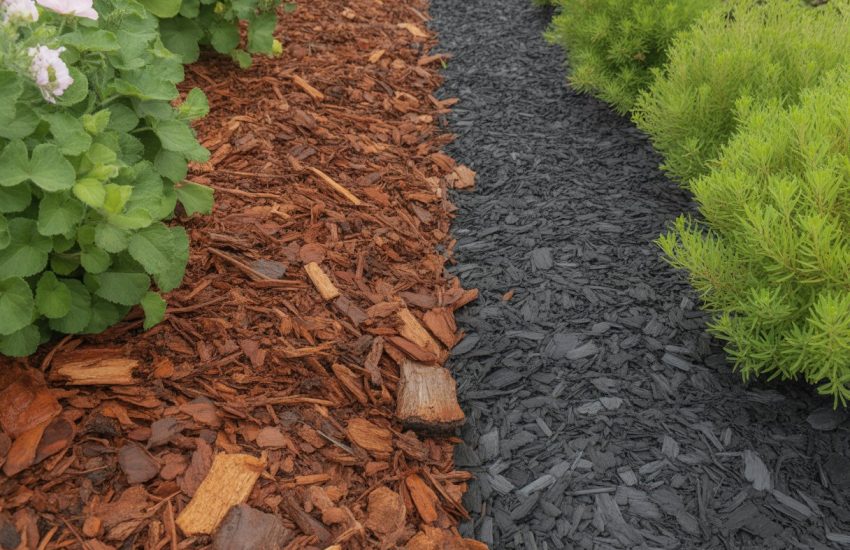
Shade and regular watering can help fight off heat stress. Mulch keeps moisture in and weeds down, which is honestly a lifesaver.
Skip planting tomatoes in midsummer. They just don’t handle the heat or disease pressure well during this stretch.
Fall and Winter Crop Planning
Fall works great for cool-season veggies like broccoli and leafy greens. Get broccoli seeds or seedlings in the ground from August through September to dodge both frost and lingering summer heat.
Planting times shift depending on your region, but mid-August is usually safe for fall crops. Rosemary can go in during fall too, since it doesn’t mind cooler weather.
For late fall and winter, try hardy crops like spinach and kale. Plant them in October or November. If you want to keep harvesting through the cold, use row covers or cold frames to protect your plants from freezes.
Plant Selection and Growing Tips for Alabama
Gardening in Alabama works best when you pick crops that fit the climate, prep your soil well, and keep up with maintenance as the season rolls on. The state’s warm and humid vibe really shapes your choices if you want good yields.
Choosing the Right Vegetables
Some veggies just love Alabama. Tomatoes, okra, broccoli, and watermelon usually do great.
Tomatoes and okra thrive in the hot, long growing season. Broccoli prefers the cooler spells of early spring or fall.
Watermelon needs lots of space and sun. Herbs like rosemary also handle Alabama’s heat and occasional drought pretty well.
Go for varieties labeled for the Southeast or specifically for Alabama—they’re bred to handle local pests and diseases.
Plant your warm-season crops after the last frost, usually late March or early April. Cold-season veggies do best when you start them in late summer or early fall.
Site Preparation and Soil Health
Start with a good site. Alabama soils often need a boost, so add organic matter like compost to improve texture and fertility.
A soil test will help you know what amendments to add, especially to keep pH between 6.0 and 6.8, which most veggies like.
Pick a spot that gets full sun and has decent air flow. Raised beds or mounded rows help with drainage—super important since Alabama gets plenty of rain.
Mulch is your friend. It holds in moisture and keeps weeds down, which really matters with all the humidity.
Try to rotate crops each year to avoid depleting the soil and cut down on disease. Planting cover crops in the off-season also builds up soil health and adds nitrogen.
Care and Maintenance
Consistent watering matters a lot for Alabama gardens. Drip irrigation or soaker hoses help cut down on fungal problems, which are pretty common in humid areas.
Most vegetables need about an inch of water each week. Keep an eye on the weather and adjust if there’s been a lot of rain.
Check your plants often for pests like aphids and caterpillars. These little guys can mess up leaves and fruits before you know it.
Try integrated pest management (IPM) strategies. They let you control pests without reaching for chemicals every time.
Fertilize according to your soil test results. Usually, you’ll want to use a balanced fertilizer every four to six weeks while things are growing.
Prune tomato suckers or thin out crowded plants now and then. That way, you’ll get better airflow and, honestly, better fruit.
Pick your veggies when they’re just right—especially okra and tomatoes. If you keep up with harvesting, your plants are more likely to keep producing.
Stick with clean garden habits. It’s not glamorous, but it really does help cut down on disease.