Ornamental Coreopsis for Landscaping Tips and Design Ideas
Last updated: August 3, 2026
Ornamental coreopsis gives you a reliable, cheerful splash of color in the garden with its bright, daisy-like flowers. It blooms for ages and shrugs off drought, so you don’t have to fuss over it much.
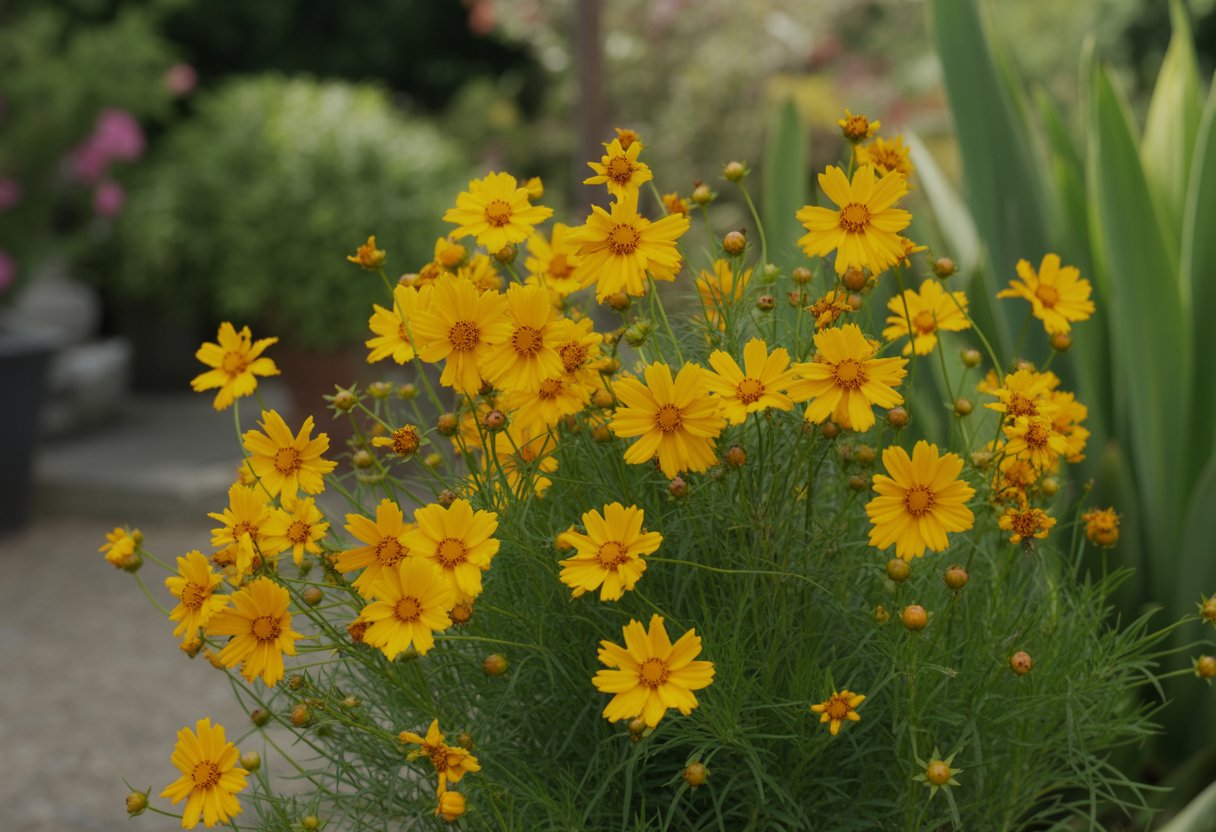
Low maintenance and pollinator appeal make ornamental coreopsis a solid pick for gardens that need both beauty and ecological value. Gardeners use it for borders, mass plantings, or just to liven up naturalized areas—honestly, it fits in almost anywhere.
You get a wild range of yellow, orange, and red shades, so it works with lots of styles and brings a pop of seasonal color. It doesn’t mind sun or a bit of shade, which makes it pretty adaptable.
Understanding Ornamental Coreopsis for Landscaping
Ornamental coreopsis brings versatility and bold color to all sorts of gardens. You’ll find annual and perennial species, so there’s something for every climate and design.
Types and Varieties of Coreopsis
Coreopsis, better known as tickseed, covers several popular landscaping species. Coreopsis tinctoria is an annual with yellow and red daisy-like blooms—great for quick color.
Coreopsis grandiflora and Coreopsis lanceolata are perennials, famous for their long bloom time and easygoing nature.
Coreopsis rosea and plains coreopsis add native wildflower charm and help local ecosystems out. Breeders have created loads of cultivars with different sizes, bloom shapes, and colors, so you can pick exactly what works for your border, mass planting, or even a container.
Characteristics and Appeal
Coreopsis shows off daisy-like flowers in vibrant yellows and golds, sometimes with a dash of red or orange. Most varieties grow about 1 to 3 feet tall and form bushy clumps.
Blooms usually start in late spring and keep coming through summer, especially if you deadhead them. The foliage is fine and a bit ferny—nice for adding texture.
These plants handle poor soils, drought, and full sun, so you don’t have to baby them.
Benefits of Using Coreopsis in Landscapes
Coreopsis draws in bees and butterflies, which is great if you want more pollinators around. Since it tolerates drought, you won’t have to water as much, which is a win for sustainable gardening.
It stands up to heat and lousy soil better than plenty of other flowers. Annual types like C. tinctoria give you fast color, while perennials like C. grandiflora stick around and bloom year after year.
With low maintenance and natural pest resistance, coreopsis saves you time and money whether you’re gardening at home or managing a bigger project.
Designing with Coreopsis in Landscape Settings
Coreopsis makes garden design easy with its bold color, long bloom season, and pollinator-friendly nature. It fits into nearly any setting, and you can mix it with other plants for nonstop interest from spring to fall.
Garden Styles and Plant Pairings
Coreopsis looks right at home in cottage gardens and flower beds, thanks to those cheery daisy blooms and reddish-brown centers. It also works in containers if you want to move color around.
Try pairing it with purple coneflowers, black-eyed Susans, or ornamental grasses for extra texture and contrast. These combos play up the yellow and gold tones and keep the garden lively.
In formal beds, coreopsis makes a great border or mass planting, especially in early and high summer. Its easygoing nature matches well with other sun-loving perennials.
Coreopsis in Pollinator and Wildlife-Friendly Gardens
If you’re into pollinator gardens, coreopsis is a must for bringing in butterflies, bees, and friends. Its long bloom time from spring to fall means pollinators always have something to visit.
Planting it with other natives that bloom at different times keeps food available for wildlife all season. Mixing in flowering shrubs and herbs helps attract a bigger variety of insects.
Coreopsis’s bushy shape even gives shelter to beneficial bugs, helping keep your garden’s ecosystem in balance.
Color Combinations and Seasonal Interest
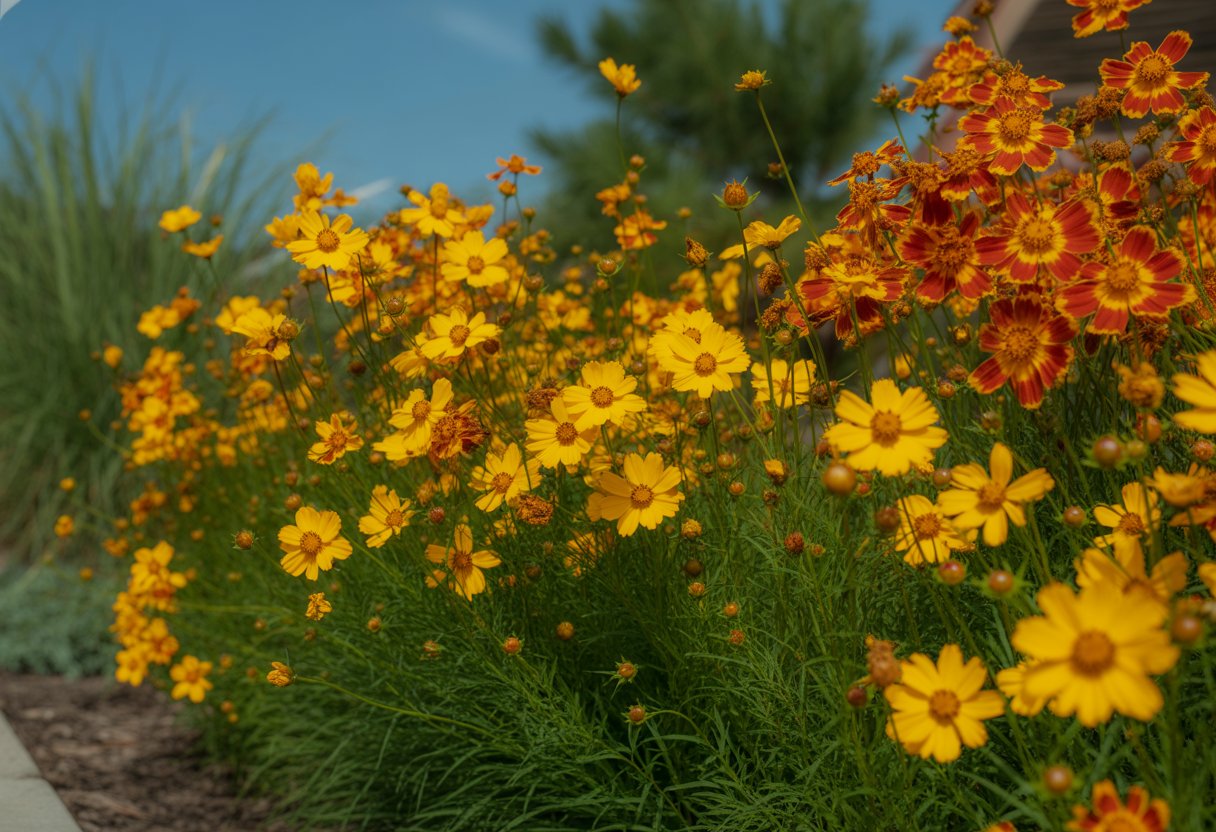
Coreopsis flowers come in yellows, oranges, and sometimes deep reds, often with a reddish-brown center. These shades look fantastic next to blue, purple, or white flowers for a little drama.
You can stretch out the color show by adding early bulbs and late asters, so there’s always something happening from spring through fall. The sturdy stems and bright flowers work well in cut arrangements, too.
If you mix different coreopsis cultivars, you’ll get a layered effect and a longer bloom period—perfect if you want a vibrant garden with minimal effort.
Growing and Maintaining Ornamental Coreopsis
Ornamental coreopsis does best with the right sunlight, soil, and a little care that matches its tough personality. You’ll want to pay attention to watering, deadheading, and dividing now and then to keep it happy.
Getting the basics right helps you avoid issues like root rot and keeps those blooms coming.
Ideal Planting Conditions
Coreopsis loves full sun, so aim for at least six hours of direct light every day. It can take a bit of shade, but you’ll get fewer flowers if it’s not sunny enough.
It grows in all sorts of soil, but well-draining soil is key—otherwise, you risk root rot. It’s fine with poor soil, though adding compost never hurts.
It’s hardy in zones 4 to 9, so most gardeners can grow it. Once it’s established, it handles humidity and drought just fine.
Watering and Soil Requirements
Give coreopsis moderate water and let the soil dry out between waterings—don’t drown it. Young plants need more moisture, but older ones are pretty drought-tough.
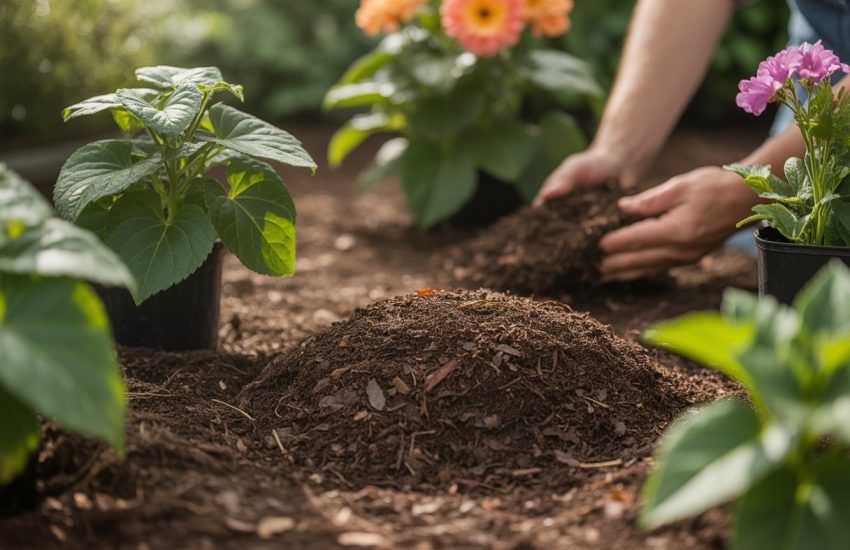
Sandy or loamy soil works best, and you can mulch to keep things moist (but not soggy). If you let it dry out too long, though, the plant will start to look stressed.
Seasonal Care and Maintenance Tasks
Deadheading spent blooms keeps flowers coming and tidies up the plant. It also helps stop unwanted self-seeding.
If you cut it back by about a third after the main bloom, you might get a second round of flowers and a neater shape. Coreopsis is easy to care for, but a quick fall cleanup helps it get through winter.
It rarely gets bothered by pests or deer, but keep an eye out for the occasional problem.
Propagation and Dividing Techniques
You can propagate coreopsis using coreopsis seeds or by division. If you sow seeds in early spring or start them indoors before the last frost, they tend to sprout pretty easily.
Divide plants every 2-3 years, either in early spring or late fall. This keeps older clumps in check and, honestly, helps the plants look and bloom better.
When you move divisions, try to keep the root systems whole. Stick them in well-drained soil where they’ll get plenty of sun.
Give everything a good drink after transplanting. That extra water helps cut down on transplant shock.