
Tools Every New Mexico Gardener Needs for Successful Year-Round Growing
Last updated: September 9, 2026
Gardening in New Mexico isn’t quite like gardening anywhere else. You need tools that can handle dry, sandy soil and relentless sun.
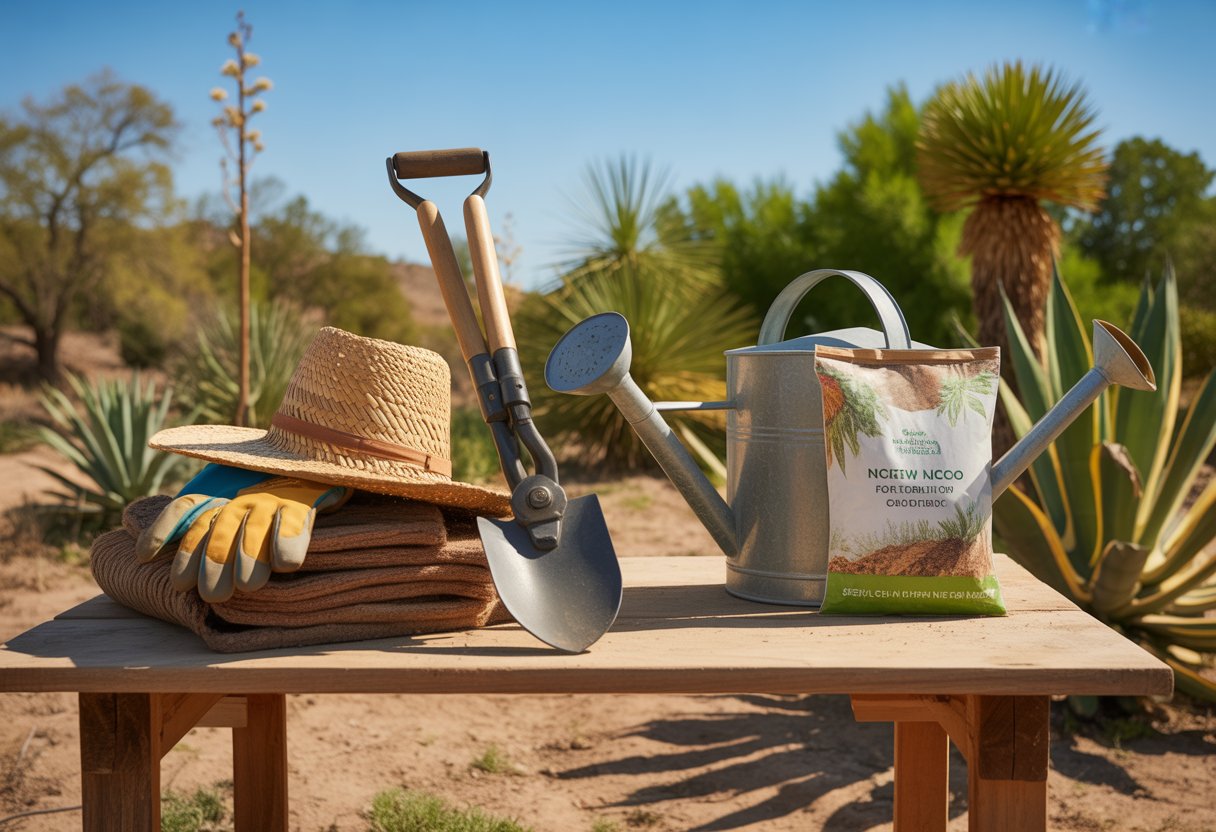
Essential tools include a sturdy trowel, a reliable watering system, and soil testing kits to monitor pH and nutrient levels effectively. These basics make it a lot easier to keep plants happy, even when the weather’s not cooperating.
Figuring out which tools to focus on will save you a lot of frustration. Here’s a rundown of what’s worth having on hand.
Essential Gardening Tools for New Mexico
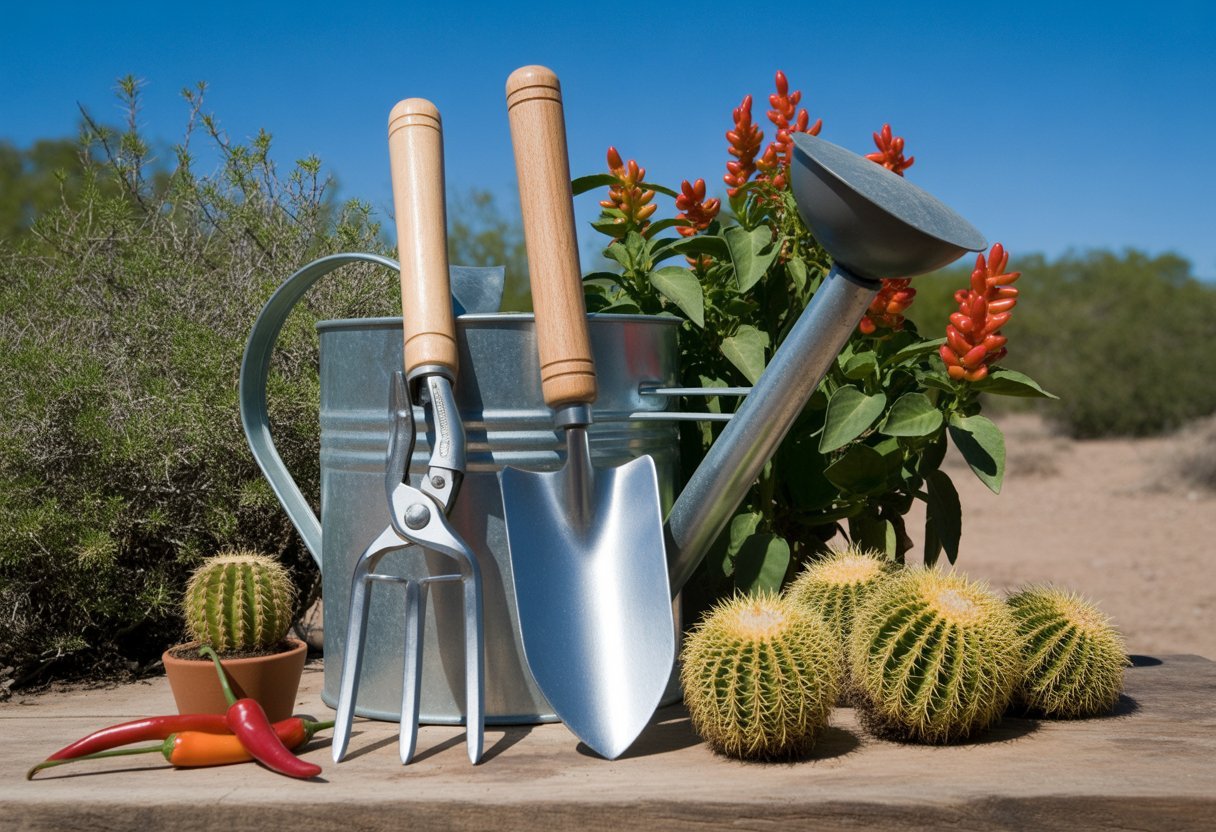
New Mexico’s dry climate and unpredictable soil really shape your tool choices. The right gear helps you stretch your water, shape your plants, and break up the tough ground.
Garden Hand Tools for Arid Climates
You’ll want durable hand tools that handle sandy, stubborn soil. A sturdy trowel with a pointed tip digs into compact ground and makes transplanting less of a chore.
Rust-resistant metals hold up better in the heat and dry air. I always look for comfortable grips—they really do save your hands on long days.
Weed pullers and small cultivators help loosen the soil without wrecking delicate roots. Lightweight tools make working outside under the sun a little less exhausting.
Watering Solutions for Southwestern Gardens
Water is precious here. A hose nozzle with adjustable sprays lets you target water where it’s needed and waste less.
Pick a watering can that’s tough but not too heavy. You want enough capacity to get the job done, but you don’t want to drench everything (or your shoes).
Drip irrigation systems or soaker hoses work wonders. They send water straight to the roots and cut down on evaporation, which is a big deal for native and drought-tolerant plants.
Pruning and Cutting Equipment
Plants in New Mexico need regular pruning, so you’ll want sharp shears and snips for dry or woody branches.
Ergonomic handles make a difference when you’re doing a lot of cuts. I reach for bypass pruners when trimming live plants—they give cleaner cuts, which helps with healing.
Loppers with long handles let you reach bigger branches without too much effort. Good steel blades stay sharp longer, even with all the dust around here.
Soil Preparation Tools
Getting the soil ready is half the battle. A garden hoe breaks up crusty layers and clears weeds fast.
A spade or fork with strong tines can punch through rocky or clay-heavy ground, letting roots breathe and soak up water. Look for sturdy handles—they’re less likely to snap.
Hand forks or small rakes help mix in compost and improve soil texture. Prepping the soil well gives your plants a fighting chance, especially in tough conditions.
Optimizing Soil and Fertility
Understanding soil quality and picking the right fertilizers really matters here. Plants need the right nutrients to survive the local climate and tough terrain.
Conducting a New Mexico Soil Test
Start with a soil test to check your pH and nutrients. Most New Mexico soils run alkaline, which changes what your plants can soak up.
You can get tests through local extension offices. Just dig a few samples, mix them, and send them in.
Results tell you about nitrogen, phosphorus, potassium, pH, and sometimes the smaller stuff. That info helps you pick the right fertilizer and avoid wasting time or money.
Choosing the Right Fertilizers
Use your soil test results to pick what your garden needs. Here, nitrogen and phosphorus are usually low because of the soil and water situation.
You can use granular or liquid fertilizers. Measuring cups or spreaders help you get the right amount and avoid overdoing it.
Organic options like compost or manure add nutrients and boost soil structure. Synthetic fertilizers are more precise but need careful handling—follow the test recommendations.
Effective Pest and Disease Control
Pests and diseases can sneak up on you fast in New Mexico. Picking the right products and knowing when to call for backup keeps your plants safe and your garden healthy.
Natural and Chemical Pest Control Products
Natural options like neem oil, insecticidal soap, and diatomaceous earth work against aphids, spider mites, and whiteflies. Neem oil doubles as a fungicide and breaks down quickly, which I appreciate.
Chemical insecticides—pyrethroids, carbamates—are stronger but require caution. Follow the label, wear gloves, and rotate products each year to avoid resistance.
Look for formulas labeled for New Mexico pests, like flea beetles and squash bugs. Mixing natural and chemical methods usually gives the best results without overdoing it on pesticides.
When to Consult an Exterminator
If pests spread fast or nothing seems to work, it’s time to call an exterminator. Pros can identify exactly what’s going on and use stronger treatments safely.
Big or stubborn infestations—think termites or invasive bugs—may need tools and chemicals you just can’t get at the store. Exterminators also spot diseases that look like pest damage but aren’t.
Getting expert help keeps you from using the wrong products or harming helpful insects. Plus, you’ll stay on the right side of New Mexico’s pesticide rules.
Garden Infrastructure for Local Success
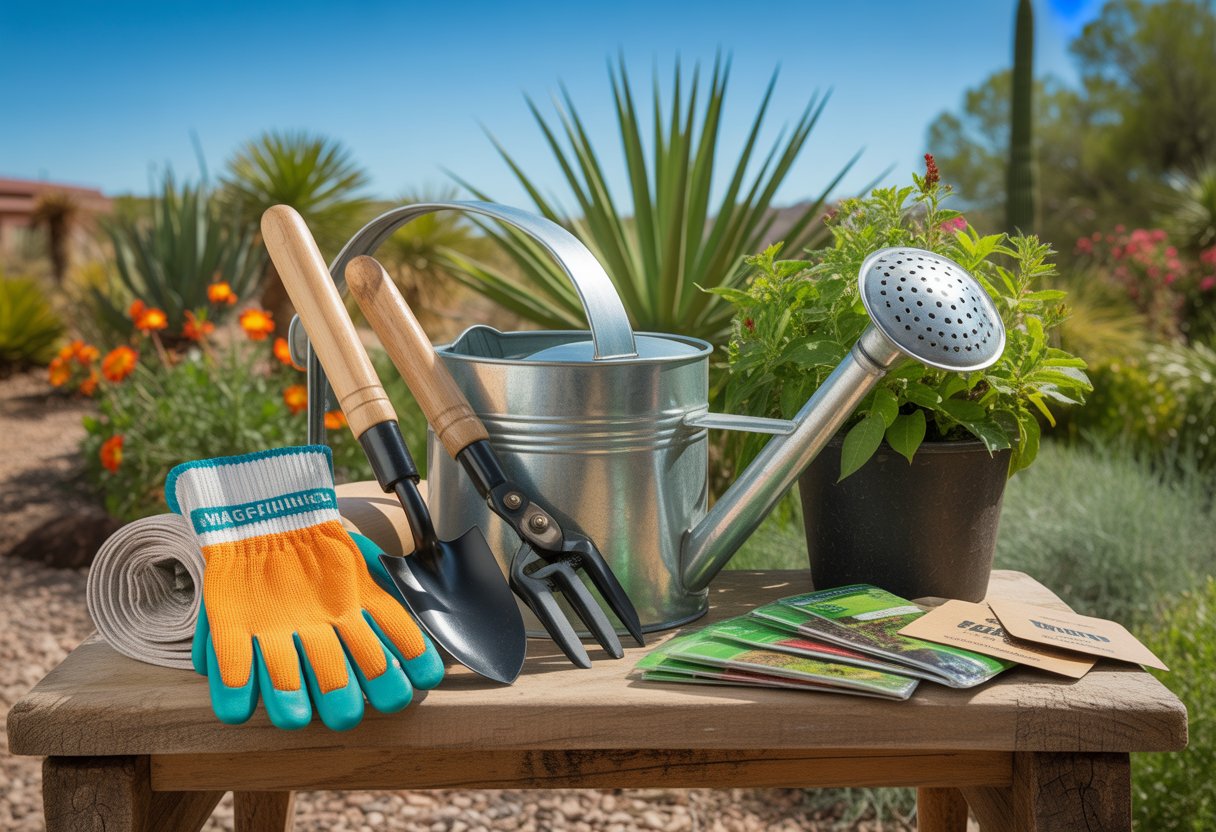
New Mexico’s climate and soil can be unpredictable. Setting up your garden right from the start helps you manage water and gives your plants a better shot, especially if you live somewhere like 87501 where dry spells hit hard.
Using Raised Beds in New Mexico
Raised beds drain better, which is huge in rocky or sandy soil. You get to mix in compost or other amendments and create a friendlier spot for roots.
They also make watering easier. By focusing moisture around the roots, raised beds help you save water—super important where rain is scarce. In places like 88001, they even help with erosion after sudden storms.
Pick materials that won’t fall apart in the sun or crack with temperature swings. Cedar and composite wood are good bets because they last and don’t attract pests.
Climate-Ready Garden Accessories
Gardeners in New Mexico really need accessories that can handle hot, dry conditions. Shade cloths help protect plants from sunburn and cut down on water loss.
Drip irrigation systems send water right to the roots, so you don’t lose much to evaporation or waste. Timers are a lifesaver, especially for keeping a consistent watering routine in places like zip code 87001, where the heat is relentless.
Windbreaks—think fences or even a row of shrubs—give delicate plants a fighting chance against those strong desert winds. Mulches, especially the organic kind, keep soil moist and help with temperature swings.


Nice one.
Not bad. I’d add that soil prep matters way more than most people think.
Wish I’d found this before I made some mistakes last season. Live and learn I guess!