Small Ornamental Trees for Yards That Enhance Curb Appeal and Require Minimal Maintenance
Last updated: September 12, 2026
Small ornamental trees can totally change a yard, adding beauty, structure, and just enough seasonal interest without taking over. They’re perfect for smaller spaces or for folks who want a manageable focal point.
The best small ornamental trees blend size, looks, and low maintenance to make any outdoor area pop.
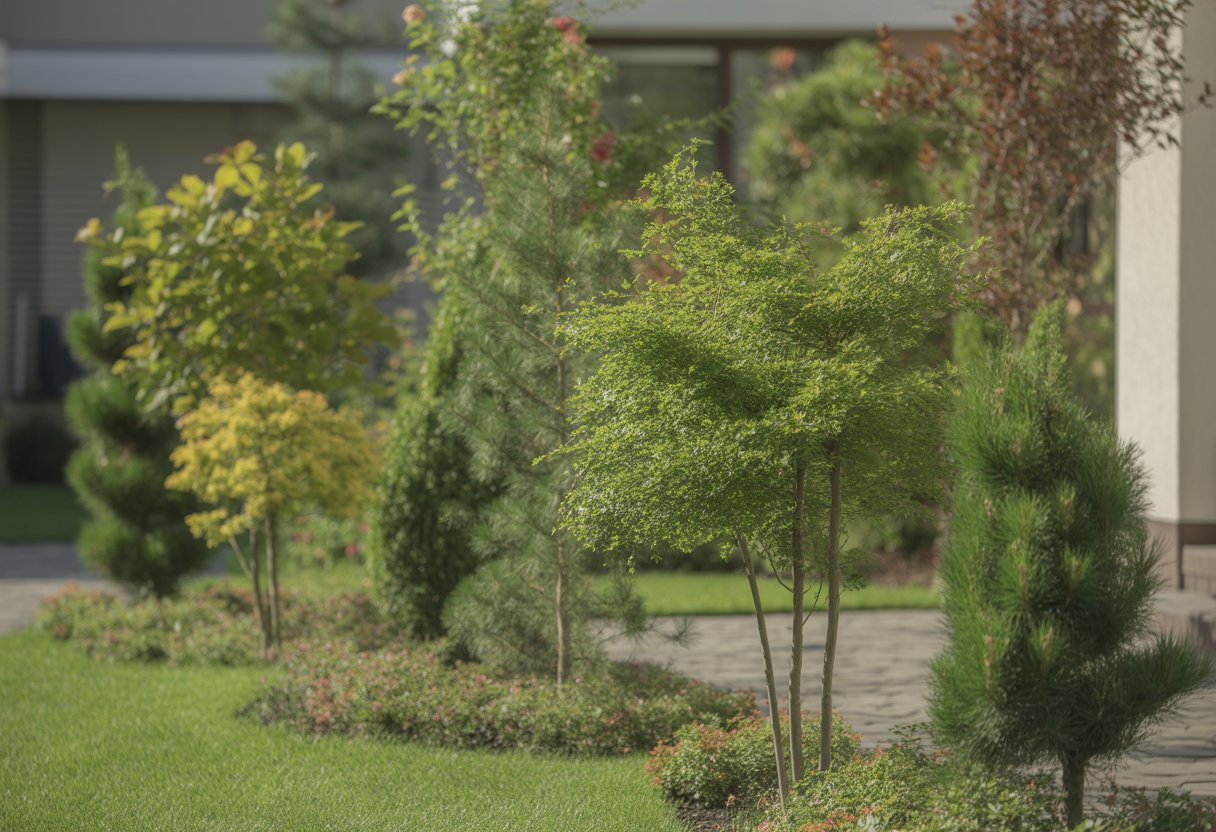
You’ll find these trees in all sorts of shapes, colors, and textures, so there’s something for every climate and style. They offer shade, privacy, and year-round visual appeal.
Picking the right tree comes down to things like soil, sunlight, and how the tree likes to grow. It’s worth taking a little time to match the tree to your yard’s quirks.
If you can nail the size limits and visual vibe, you’ll dodge common planting mistakes and get a nicely balanced garden design.
Best Small Ornamental Trees for Yards
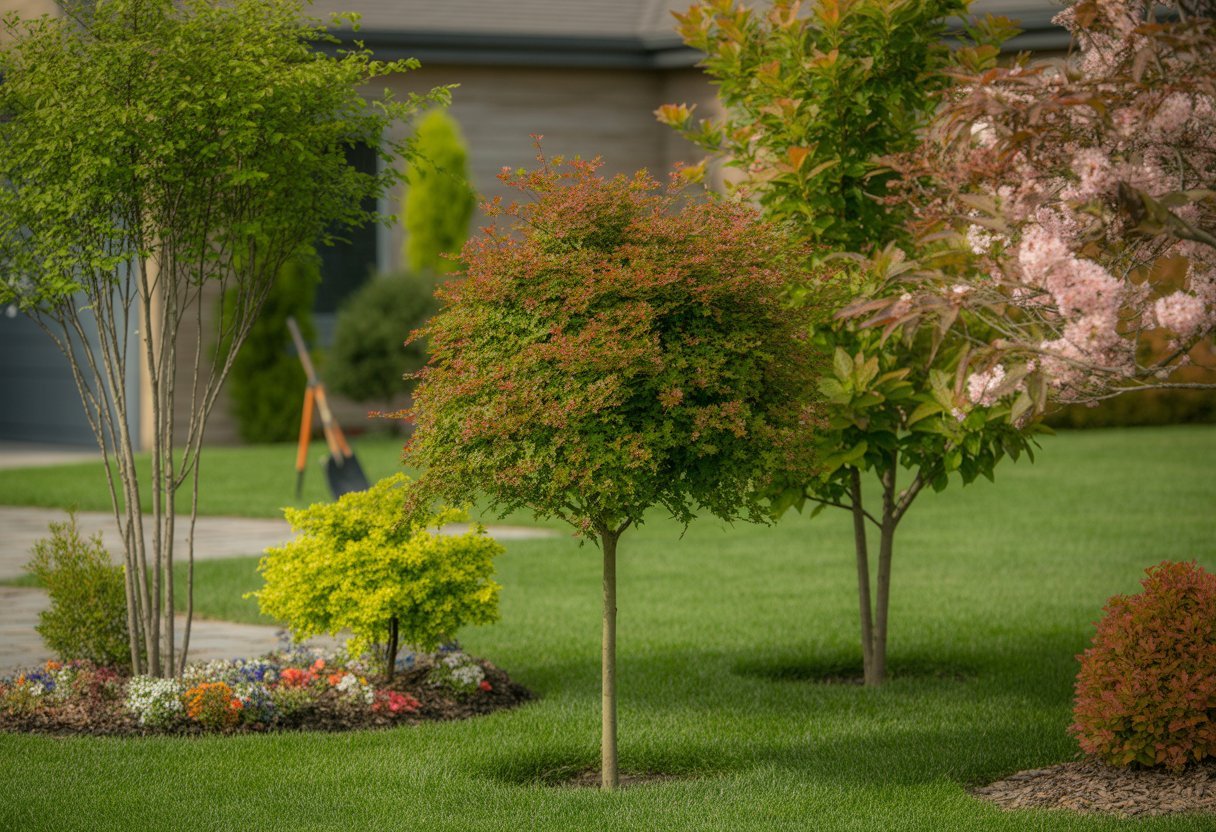
Small ornamental trees vary when it comes to blooms, leaf habits, and seasonal changes. Picking the right one depends on what you want to look at, how much work you want to do, and whether it’ll handle your local weather.
Flowering Varieties
Flowering small trees bring color and scent to the yard. The Eastern Redbud (Cercis canadensis) pops with bright pink blossoms in early spring and usually tops out at 20-30 feet, doing well in partial shade.
The Dogwood (Cornus florida) shows off white or pink flowers and has great fall color. It likes well-drained soil and does best in full to partial sun.
Crabapple (Malus spp.) gives you spring flowers and fruit that draws in wildlife. It generally grows 15-25 feet and needs good air movement to stay healthy.
These flowering trees really pull in pollinators like bees and butterflies.
Evergreen Options
Evergreen small trees keep things green all year and add structure. The Dwarf Alberta Spruce (Picea glauca ‘Conica’) grows slowly up to about 10-12 feet and keeps a tight, conical shape—great for cramped spots.
The Japanese Maple (Acer palmatum var. dissectum), which is semi-evergreen in warmer places, has delicate leaves and wild color shifts through the seasons.
Holly (Ilex spp.) brings glossy leaves and red berries in winter, helping out birds and adding a nice pop of color when most trees are bare.
Evergreens work well for privacy or foundation planting, and you don’t have to fuss with them much through the seasons.
Specimens for Seasonal Interest
Some trees really shine as the seasons change. The Serviceberry (Amelanchier spp.) blooms white in spring, makes edible berries in summer, and turns orange-red in fall.
The Sweetgum (Liquidambar styraciflua) has star-shaped leaves that go red, orange, and yellow in autumn. If you keep it trimmed, it usually stays under 30 feet.
Maidenhair Tree (Ginkgo biloba) stands out with fan-shaped leaves that turn a super-bright yellow before dropping, and it’s tough against disease.
These trees bring a lot of variety in texture and color, so your yard never gets boring.
Selecting the Right Ornamental Tree
Picking a small ornamental tree isn’t just about what looks good—it’s about size, what the tree needs, and how much effort you’re willing to put in. Each detail matters for how well the tree settles in and thrives.
Tree Size and Growth Habits
How tall and wide the tree gets is a big deal for fitting it into your yard. Most small ornamental trees fall between 8 and 25 feet tall.
Look for a tree with a growth rate and mature size that matches your space. That way, you won’t have to hack it back constantly or deal with it crowding everything else.
Think about the tree’s shape, too—rounded, columnar, or even weeping forms can totally change the vibe. Fast growers sometimes have weaker wood, while slow growers tend to stick around longer and need less maintenance. It’s smart to picture what the tree will look like in 10 or 15 years, not just right after planting.
Sunlight and Soil Requirements
Ornamental trees all have their own sunlight needs. Some love full sun (at least 6 hours a day), while others are happier in partial or full shade.
Match the tree’s light needs to your yard or you’ll end up with stunted growth or even sickly trees. Soil matters, too.
Most ornamentals like well-draining soil, but some get picky about acidity or whether the soil’s sandy or heavy. Test your soil’s pH and texture if you can. Mulching helps keep moisture in and makes the soil better, which trees love.
Maintenance and Care Considerations
Every tree asks for a different level of care—watering, pruning, feeding, and maybe fighting off pests. Trees with thick foliage sometimes need regular pruning to keep air moving and their shape tidy.
Some ornamentals shrug off pests and diseases, making life easier. Watering needs change with climate, soil, and how old the tree is. Young trees want more frequent water until they settle in.
If you pick a low-maintenance tree, you can keep your yard looking sharp without a ton of effort.
Design Ideas for Small Ornamental Trees in Landscapes
Small ornamental trees aren’t just pretty—they’re useful, too. Where you put them and what you plant nearby really makes a difference in how your yard feels.
Focal Point Placement
Small ornamental trees make great focal points in garden beds, patios, or near the front door. If you put them where people look first, they grab attention and really anchor the whole design.
They usually look best on their own or in small groups, so things don’t get too busy. For example, a Japanese maple near a seating area brings color and structure without taking over.
Scale matters. The tree should fit in with the other plants and the house—not overshadow them. Placing it somewhere with good light shows off its best features, like colorful leaves or flowers.
Companion Planting Strategies
Pairing small ornamental trees with compatible plants really brings out texture and color contrasts. Choose low-growing perennials or groundcovers that won’t compete for root space.
Evergreens, hostas, or ferns usually do well under shade-tolerant trees. They layer foliage in a way that’s just… visually interesting, you know?
Spring bulbs—think tulips—pop up with seasonal color next to deciduous small trees. It’s a quick way to keep things lively as the year goes on.
Skip plants that overshadow or crowd the tree’s root zone. Give everything enough space for healthy growth and easier upkeep.
| Companion Plants | Benefits | Considerations |
|---|---|---|
| Hostas | Shade tolerance, texture | Avoid aggressive spreaders |
| Dwarf evergreen shrubs | Year-round structure | Match scale to the tree |
| Spring bulbs | Seasonal color | Requires seasonal planting |