How to Propagate Lupine: A Step-by-Step Guide for Successful Growth
Last updated: October 8, 2026
Propagating lupines, like Lupinus perennis and wild lupine, works best if you use seeds or cuttings. Honestly, fresh seeds are the way to go—just scarify or soak them first to get better germination. That little prep step really makes a difference for healthy plants.
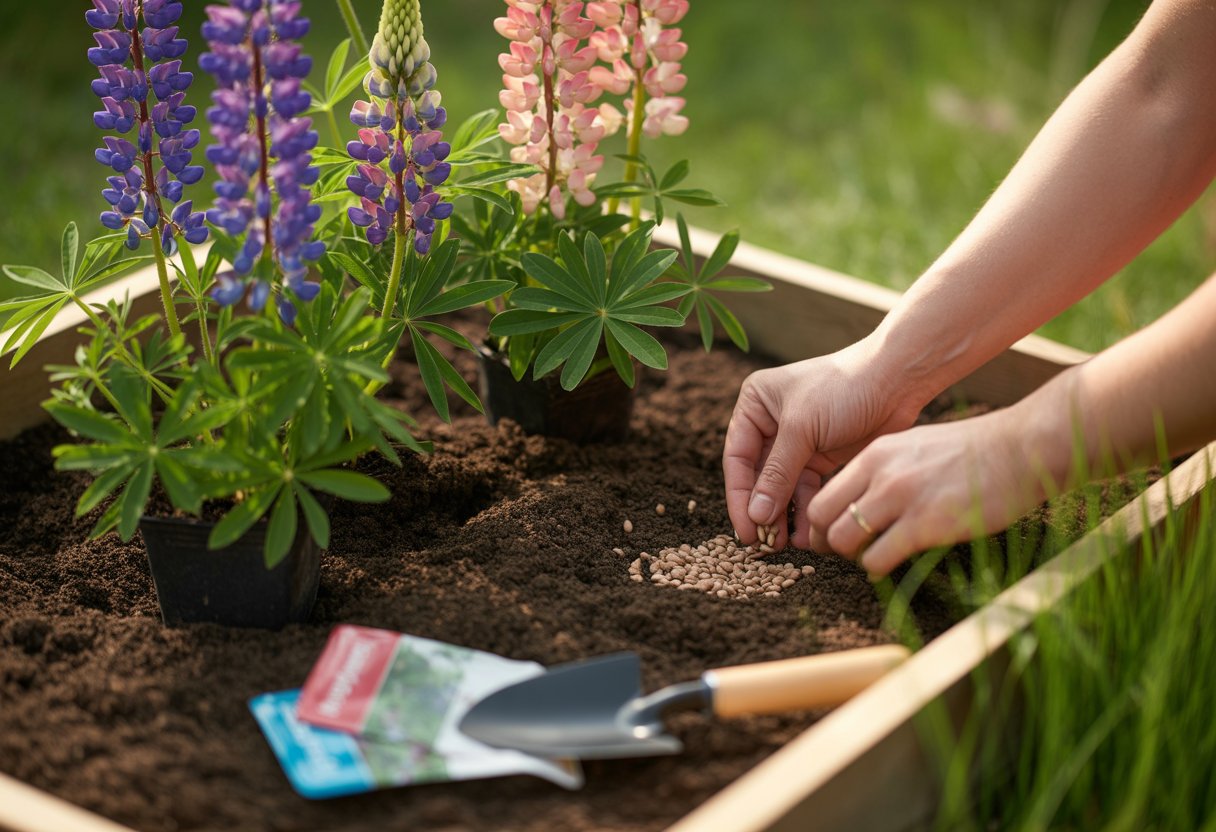
Wild lupine loves well-drained soil and full sun, so picking the right spot matters a lot. If you can mimic their natural habitat, your seedlings and mature plants will thank you.
Understanding Lupine Propagation
Lupines come in loads of species, each with their own quirks and preferred growing conditions. Knowing what kind you have helps you pick the right propagation method and gives your plants a better shot at thriving.
Types of Lupines
Most lupines fall under the Lupinus genus, and there are plenty of species to choose from. Lupinus perennis—wild lupine—is pretty common in North America and pops up in native plant gardens a lot.
You’ll also see Lupinus polyphyllus, which is famous for its tall, colorful flower spikes. Wild lupine likes sandy, well-drained soils with just the right amount of moisture. Garden lupines aren’t as picky, but they really don’t like heavy clay.
Your choice of lupine affects when you sow, how you prep the soil, and how well your transplants will do.
Propagation Methods Overview
Most folks propagate lupines by sowing seeds or using cuttings. Seeds have a tough coat, so scarifying or soaking them helps them sprout. You can sow seeds outdoors in the fall or start them inside 6-8 weeks before your last frost.
Cuttings aren’t as common, but you can root some lupine species this way. Take stem or basal cuttings in late spring or early summer, but be gentle—lupine stems are kind of fragile. Move young seedlings or cuttings outside when the soil’s workable and frost is gone.
Best Hardiness Zones
Lupines do best in USDA Hardiness Zones 3 through 7, although some types stretch that a bit. Lupinus perennis especially loves zones 3-5, so it’s a solid pick for northern gardens.
If you’re in zones 8 or 9, things get tricky—heat sensitivity and root diseases can be a headache. Picking a spot with good drainage and maybe a little afternoon shade can help if you’re in a warmer spot. Understanding your zone helps you time things right and pick the best propagation method.
Seed Propagation Steps
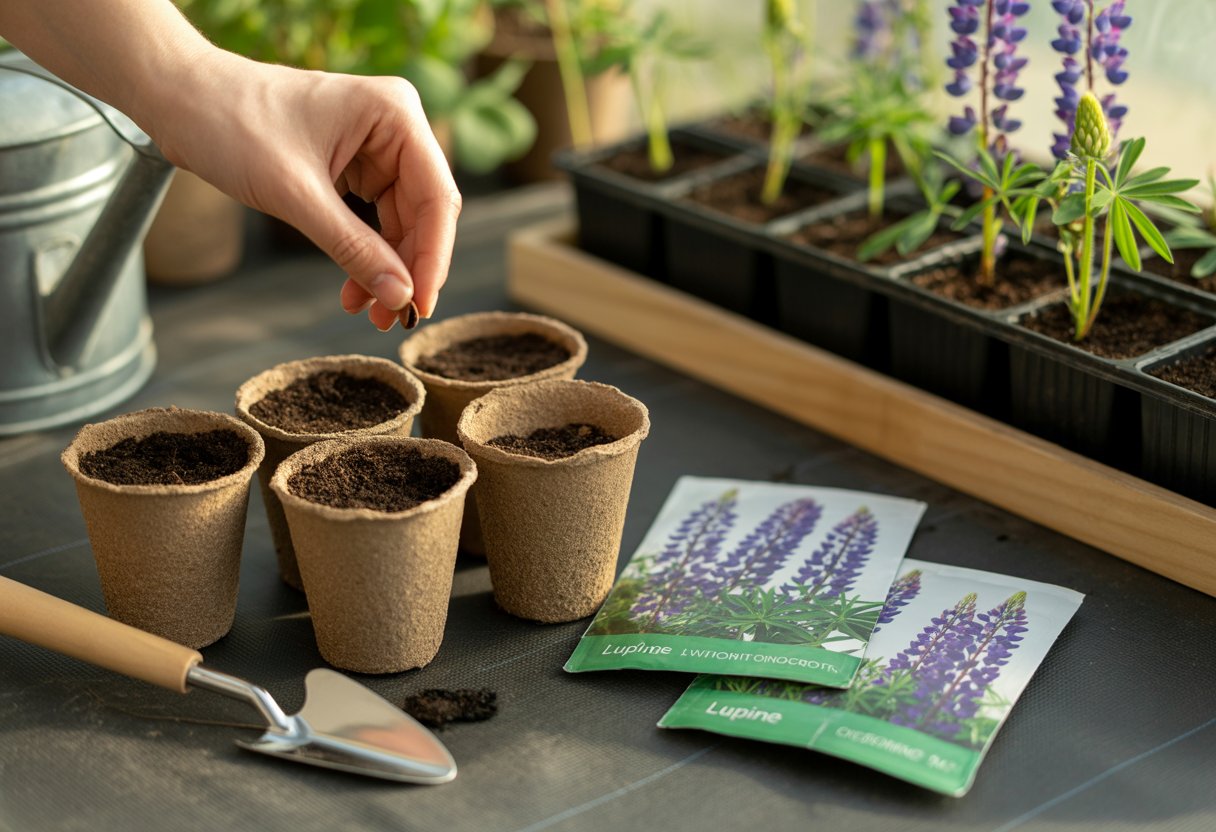
Growing lupine from seed takes a bit of patience and attention. You’ll need to harvest mature seeds, prep your soil, and move seedlings outdoors at just the right stage.
Harvesting and Preparing Lupine Seeds
Wait until lupine pods turn brown and dry—usually late summer or early fall—before harvesting. Snip off the seed heads and toss them in a paper bag to finish drying indoors.
Once dry, pop the seeds out of the pods. Lupine seeds are tough little things, so scarify them by gently sanding or nicking the coat. Or, just soak them in warm water for a day to soften them up.
Store seeds in a cool, dry spot until you’re ready to plant. Fresh seeds usually sprout best, but you can keep prepared seeds in airtight containers for up to two years and still get decent results.
Sowing Lupine Seeds Indoors and Outdoors
If you’re starting seeds indoors, plant them 6 to 8 weeks before your last frost. Use seed trays with a well-draining, acidic potting mix. Plant seeds about a quarter inch deep and keep the soil moist—but not soggy.
You can also sow seeds directly outside in late spring, once the soil hits at least 55°F (13°C). Pick a sunny, well-drained spot. Scatter the seeds or space them about a foot apart, then cover lightly with soil.
Seeds usually sprout in two to three weeks. Keep the soil evenly moist and skip heavy mulches early on. Overwatering is a no-go—too much moisture can invite fungal problems.
Transplanting Lupine Seedlings
Before moving seedlings outside, harden them off by gradually introducing them to outdoor conditions over a week or so. Don’t rush it—sudden changes can really throw them off.
Transplant into well-drained, acidic soil with plenty of sun. Space them 12 to 18 inches apart for good airflow. Give them a thorough watering right after transplanting.
Lupine roots are sensitive, so always handle seedlings by their leaves, not the stems. Don’t plant too deep; keep the root crown just below the soil surface. Mulch helps with moisture and weeds, but don’t pile it up against the stems.
Caring for Propagated Lupines
Good soil, pruning, and picking the right spot are all key for healthy lupines. Keep an eye on moisture and foliage, and you’ll have vibrant plants. Plus, lupines look great in gardens and make lovely cut flowers.
Soil and Moisture Requirements
Lupines really like well-drained, slightly acidic soil—shoot for a pH between 6.0 and 6.5. Heavy, soggy soil just leads to root rot and sad plants. Mixing in compost helps with drainage and adds nutrients.
Keep the soil evenly moist when plants are young, especially right after planting. Once they’re established, lupines can handle a bit of drought but still do best with regular watering.
Mulch around the base to hold in moisture and keep the soil cool. Try to water at the base rather than overhead, since wet foliage can get fungal diseases going.
Pruning and Maintaining Foliage
Prune regularly if you want bushier plants and fewer floppy stems. Cut off spent flower spikes as soon as they’re done blooming—this pushes the plant to focus on roots and leaves.
Snip off dead or yellowing leaves to boost airflow. A tidy plant is a healthier plant, honestly.
Prune in late summer or early fall to encourage strong growth for next year. Skip cutting into woody stems, since lupines grow mostly from the base.
Uses in Borders and as Cut Flowers
Lupines bring vertical interest and bold color to garden borders. They pair nicely with shorter plants, adding a bit of drama and contrast.
Their tall, spiky blooms really stand out and attract pollinators. If you’re after something that pops, lupines do the trick.
For cut flowers, pick flower spikes that are fully open but still have a few buds left. It’s best to cut the stems early in the morning, then drop them straight into water.
Lupines usually last about 5 to 7 days in a vase. If you change the water often and snip the stems again, you can stretch their life a bit.
They look great on their own or mixed into bouquets—honestly, they’re pretty versatile.