Top Beginner-Friendly Vegetables for Easy and Successful Gardening
Last updated: September 10, 2026
Starting a vegetable garden can actually be pretty simple—and, honestly, incredibly rewarding—if you pick the right plants. Some veggies just seem to grow themselves, needing barely any fuss, and they’ll thrive in all sorts of conditions.
The top beginner-friendly vegetables include lettuce, radishes, tomatoes, and zucchini because they are easy to grow and forgiving for new gardeners.
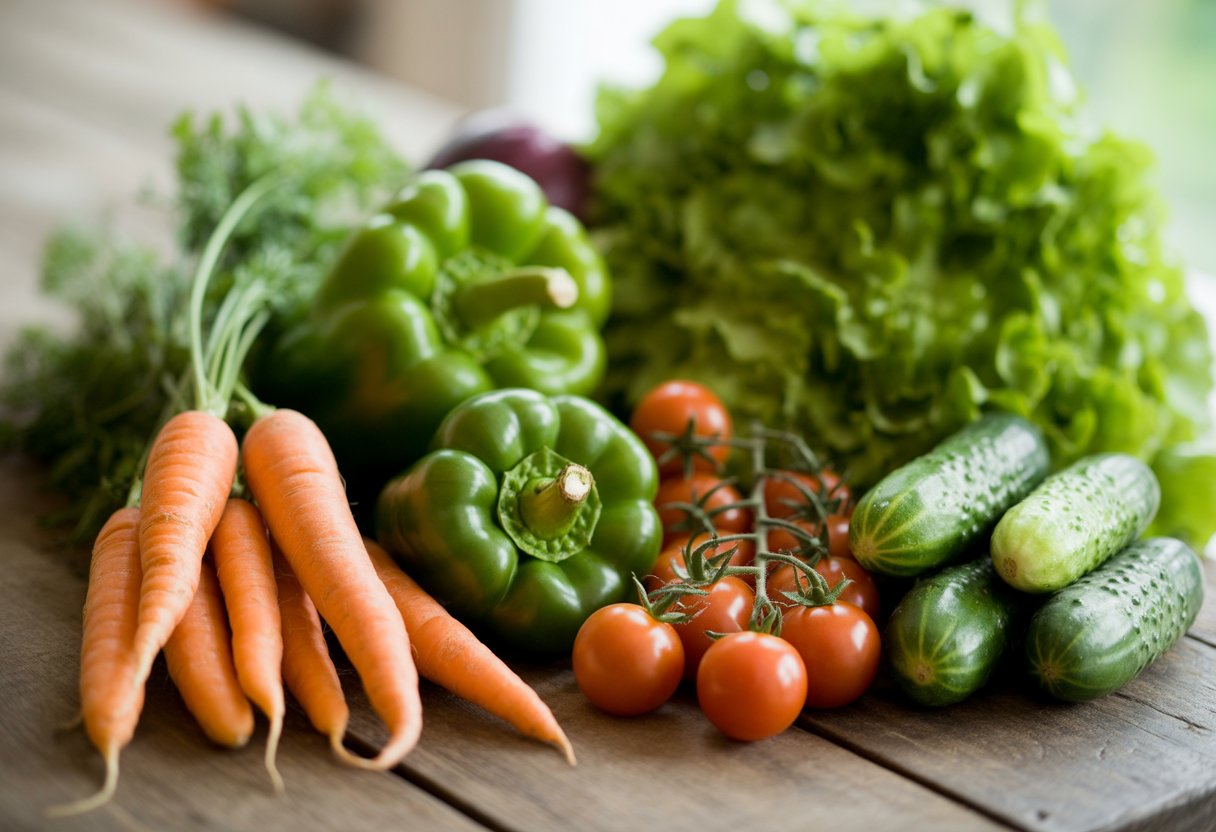
These vegetables give you a nice mix of quick harvests and low-maintenance care. That’s perfect if you’re just getting started and don’t want to stress over complicated gardening stuff.
Knowing which plants are this easy-going can save a lot of frustration. It might even make you want to keep gardening after your first try.
Essential Beginner-Friendly Vegetables
Beginner gardeners usually have the best luck with veggies that don’t need much attention and still grow well in different spots. Picking plants that can handle little mistakes—like forgetting to water or not getting enough sun—really helps you learn without feeling defeated.
Leafy Greens for Easy Success
Leafy greens like spinach, kale, chard, collards, arugula, and mustard are some of the easiest to grow. These greens actually like cooler weather and often germinate quickly—sometimes you’ll see little sprouts in just a few days.
They’ll do fine in partial shade and work great in raised beds or containers. Salad greens, especially arugula and mustard, don’t need much space, and if you keep picking the leaves, they’ll just keep growing.
Most pests leave these greens alone, which is a relief. Just keep the soil damp (not soggy), and thin out the seedlings after they sprout so the strongest ones have room.
Root Vegetables Beginners Love
Root veggies like carrots (try the Imperator 58 variety), radishes, beets, and turnips almost always work out for new gardeners. They just need loose, well-drained soil so the roots can grow deep and straight.
Radishes are especially good for impatient folks—they’re ready in just 20-30 days. Carrots take a bit longer, maybe 60-80 days, but once you plant them, they’re pretty hands-off.
Skip planting these in hard or rocky soil, though. Scallions and potatoes are also solid choices; potatoes need more space, but they usually give you a big harvest.
Beans and Peas for First-Time Gardeners
Beans and peas are awesome because they actually improve the soil by fixing nitrogen. If you’re just starting out, bush beans are a favorite—they don’t take up much space and you’ll get a quick harvest.
Pole beans and green beans need something to climb, like stakes or a trellis, but they’ll keep giving you beans for a longer stretch. Snap peas and snow peas grow well in cooler weather and you can eat the pods, too.
Peas like cooler soil, while beans want warmth and sun. Both don’t attract many pests and just need a steady watering routine (don’t drown them, though). Their fast growth and easy care make them a no-brainer for beginners.
Productive Warm-Season Crops for Beginners
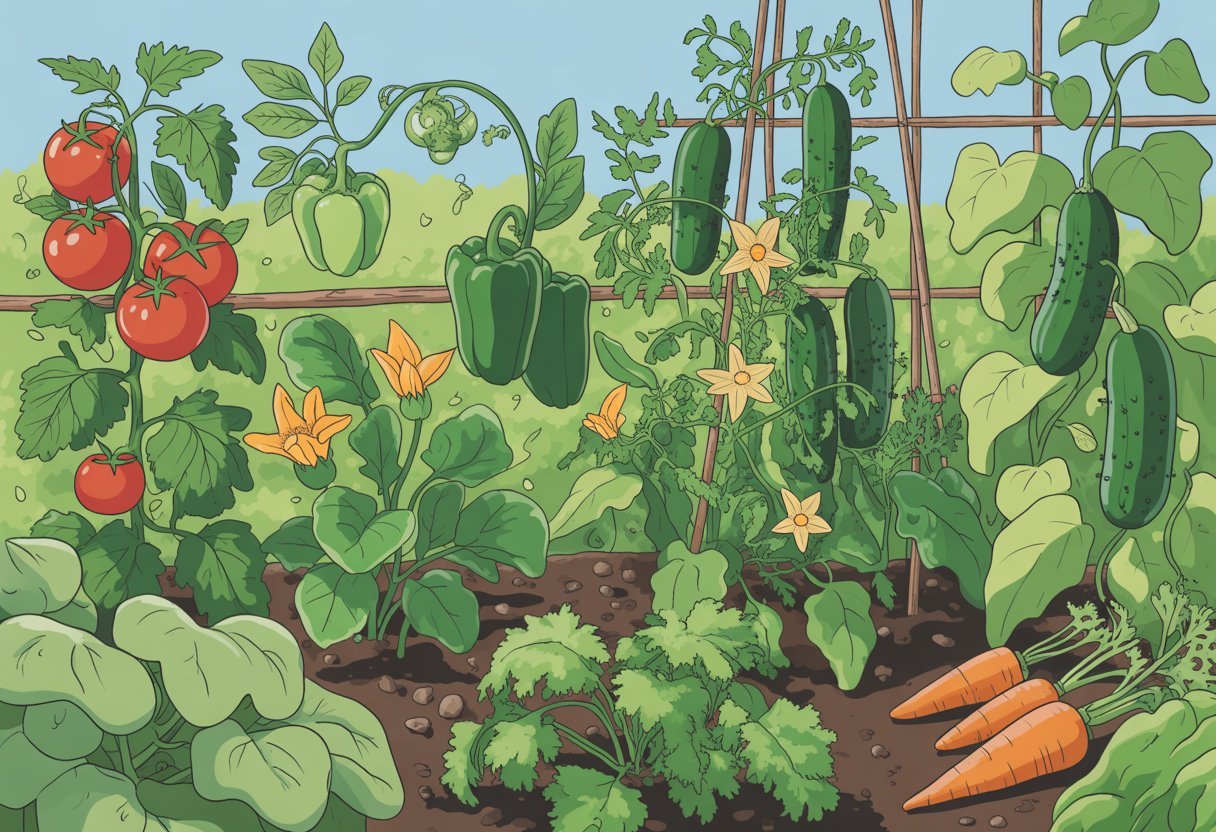
Warm-weather veggies that love sun and heat can be super rewarding for newbies. They usually just need regular watering and good drainage, but you don’t have to fuss much with pruning or pest control.
Squash and Zucchini Varieties
Squash and zucchini are seriously productive and almost too easy to grow. Summer squash grows fast and can give you more than you know what to do with.
Yellow crookneck and straightneck squash both crank out loads of tender veggies. Zucchini, which is just another type of summer squash, only really needs water and a bit of space to sprawl.
Both love rich, loose soil and full sunlight. They’ll even forgive a bit of neglect, but if you pick them young and often, you’ll get the best results.
Easy-Growing Tomatoes and Peppers
Tomatoes and peppers are classic warm-weather crops. Cherry tomatoes especially grow fast and produce tons of fruit, even in a small garden.
They’re also less likely to get diseases than those huge beefsteak types. Sweet peppers and hot ones (like jalapeños and bells) are pretty straightforward, too.
Give them steady water and warmth—no need to prune much. If you start with seedlings, you’ll skip some of the more annoying beginner problems.
Other Warm-Weather Options
Eggplants and okra are also solid choices if you want something a little different. Eggplants do best in full sun and warm soil, and they rarely get bothered by bugs.
Okra loves heat and needs regular watering, but it can handle dry spells better than most. Sweet corn takes up more space, but it’ll reward you if you have room.
Sunflowers aren’t edible, but they bring in pollinators and can help mark your garden rows. Cucumbers grow like squash and might need a trellis if you’re tight on space.
Simple Growing Methods and Garden Planning
Good vegetable gardening really comes down to picking the right spot, prepping your soil, and figuring out how you want to plant. Whether you use old-school garden beds or container gardening, there are ways to make things easier and get more out of your space.
Best Planting Locations and Soil Tips
Vegetables need full sun—at least 6 to 8 hours a day is best. Find a spot with soil that drains well so the roots don’t rot.
Before you plant, loosen up the dirt to help roots grow deep. Mixing in compost or other organic stuff boosts nutrients and helps the soil hold water.
It’s smart to check your soil’s pH, aiming for around 6.0 to 7.0 for most veggies. Try rotating crops each year to avoid pests and diseases getting out of hand.
You can use floating row covers to keep bugs off and protect young plants from sudden cold snaps. These covers let light in but block out trouble.
Growing Vegetables in Containers
Container gardening is perfect if you’re short on space or don’t have great soil. Always pick pots with drainage holes so water doesn’t pool at the bottom.
Go for a quality potting mix made for veggies—your plants will thank you. Containers dry out faster than garden beds, so check them often and water as needed, but don’t overdo it.
Choose disease-resistant varieties and productive plants that don’t mind a little crowding. Lettuce, radishes, and herbs are all champs in containers.
Feed your plants with a balanced fertilizer now and then, since nutrients can wash out of pots pretty quickly.
Maximizing Yields with Effective Techniques
Try cut-and-come-again harvesting for leafy greens—just snip off what you need and the plant keeps growing. It’s a simple way to get more from each plant.
Companion planting is worth a shot, too. Pairing the right veggies together can cut down on pests and help everything grow better.
Use stakes or trellises for climbing plants like beans or peas to make the most of your space. Give your plants enough room so air can move around; crowded plants get sick more easily.
Floating row covers and picking quick-growing or slow-bolting varieties can help you stretch out your harvest. There’s no need to do everything perfectly—just find what works for you.
Additional Beginner-Friendly Edibles
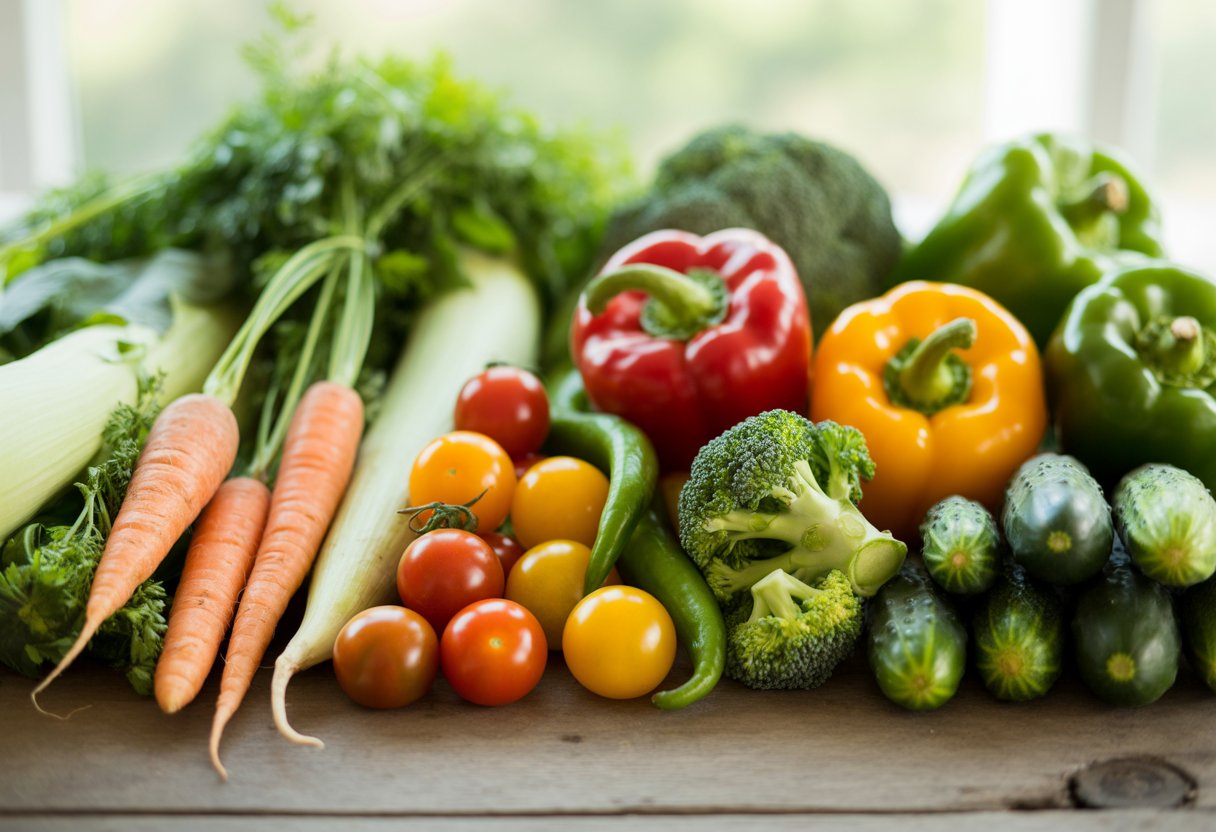
Trying out edibles beyond the usual veggies can make your garden more interesting and flavorful. A lot of these extras barely need any care and bring something special to the table.
Herbs to Complement Your Vegetable Garden
Herbs like basil, parsley, and sage are great picks for beginners. You can grow them in pots or garden beds, and they just need moderate water and a decent amount of sun.
Basil thrives when it’s warm, and you can keep harvesting leaves to get more growth. Parsley handles cooler weather and a bit of shade, while sage likes dry, sunny spots.
Besides making your food taste better, some herbs even help keep pests away if you plant them near veggies like asparagus or swiss chard. Plus, their small size means you can fit them just about anywhere.
Unique and Edible Flowers
Some edible flowers, like nasturtiums and pansies, bring bursts of color and a bit of nutrition to your plate. Purslane stands out as both a leafy vegetable and an edible flower.
It creeps low along the ground, showing off small, juicy leaves and bright yellow flowers. You can toss edible flowers into salads while they’re fresh, or just use them as a pretty garnish.
They need about the same care as your average leafy green—think regular watering and at least some sunlight. If you’re itching to grow something a bit different, edible flowers are a fun way to break out of the usual veggie routine.