
What Trees are Blooming Now in Georgia: A Guide to Springtime Flora
Last updated: September 10, 2026
Georgia is known for its beautiful blooms in the spring and summer months. As the weather warms up, many trees in Georgia start to bloom, creating a colorful and vibrant landscape. Knowing which trees are blooming now in Georgia can help you plan your outdoor activities and appreciate the natural beauty around you.
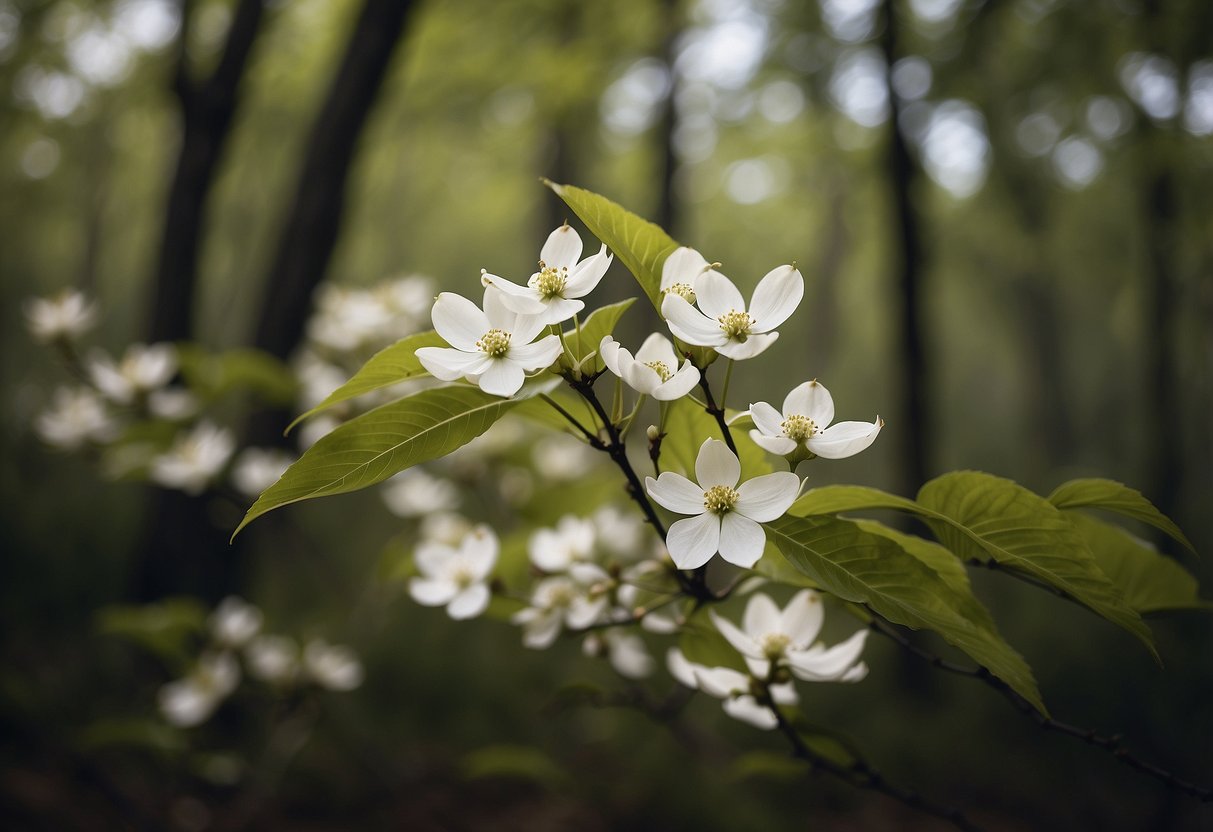
Some of the most common trees that bloom in Georgia during the spring and summer months include dogwood, cherry, and plum trees. These trees are known for their beautiful flowers and can be found in many parks and gardens throughout the state. In addition to these popular trees, there are many other species that bloom during this time, including magnolia, redbud, and crepe myrtle trees.
Whether you are a nature enthusiast or simply enjoy spending time outdoors, taking a walk through a blooming Georgia landscape can be a truly unforgettable experience. By knowing which trees are currently blooming, you can make the most of your time outside and appreciate the natural beauty that Georgia has to offer.
Flowering Trees in Georgia’s Spring and Summer
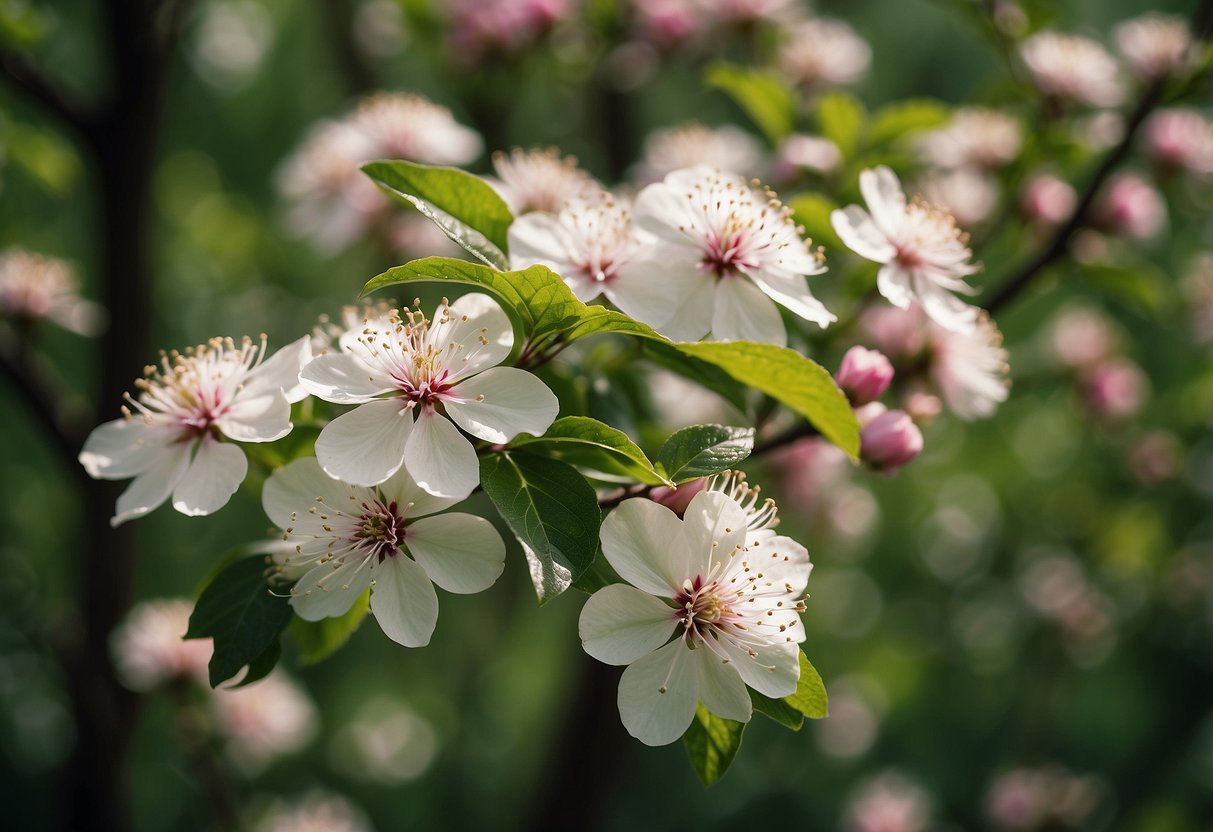
Georgia, also known as the Peach State, is home to a diverse range of flowering trees that add to the beauty and fragrance of its landscapes. In this section, we will explore some of the most popular flowering trees that bloom in Georgia during the spring and summer months.
Early Spring Bloomers
The early spring months in Georgia are characterized by the blooming of deciduous trees such as the Redbud and the Flowering Dogwood. The Redbud (Cercis canadensis) is a small tree that grows up to 30 feet tall and produces pink or purple flowers in early spring. The Flowering Dogwood (Cornus florida) is another popular tree that blooms in early spring. It produces showy white or pink flowers and is known for its attractive foliage and growth habit.
Late Spring and Early Summer Highlights
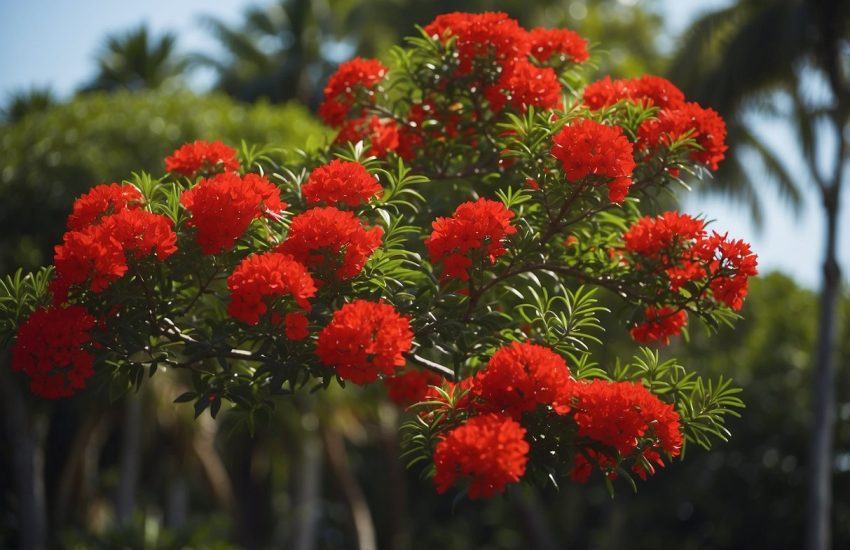
As the weather warms up, Georgia’s landscapes become adorned with a wider variety of flowering trees. One of the most popular is the Magnolia (Magnolia grandiflora), which produces large fragrant white flowers in late spring and early summer. Another popular tree is the Crape Myrtle (Lagerstroemia indica), which produces clusters of colorful flowers in shades of pink, red, white, and purple.
Overall, Georgia’s flowering trees add to the beauty and charm of the state’s landscapes. From early spring bloomers like the Redbud and Flowering Dogwood to late spring and early summer highlights like the Magnolia and Crape Myrtle, there is a wide variety of trees to admire and enjoy.
Tree Care and Landscaping Considerations
Optimal Soil and Pruning Practices
The type of soil and pruning practices are crucial factors in maintaining the health of trees. Georgia’s climate is generally humid, and the soil is often acidic. Therefore, it is essential to plant trees that are well-suited to these conditions. Trees that are drought-tolerant, such as pine, maple, and palm, are ideal for Georgia’s dry summers and humid falls.
Well-drained soil is crucial for the health of trees. Poorly drained soil can lead to root rot, which can be fatal to trees. Therefore, it is recommended to plant trees in well-drained soil and to avoid planting in areas where water accumulates.
Regular pruning is also essential for the health of trees. It is recommended to prune trees regularly to remove dead or diseased branches. This helps to prevent the spread of diseases and pests and promotes healthy growth. Pruning also helps to maintain the shape and size of trees, making them more aesthetically pleasing.
Selecting Trees for Georgia’s Climate
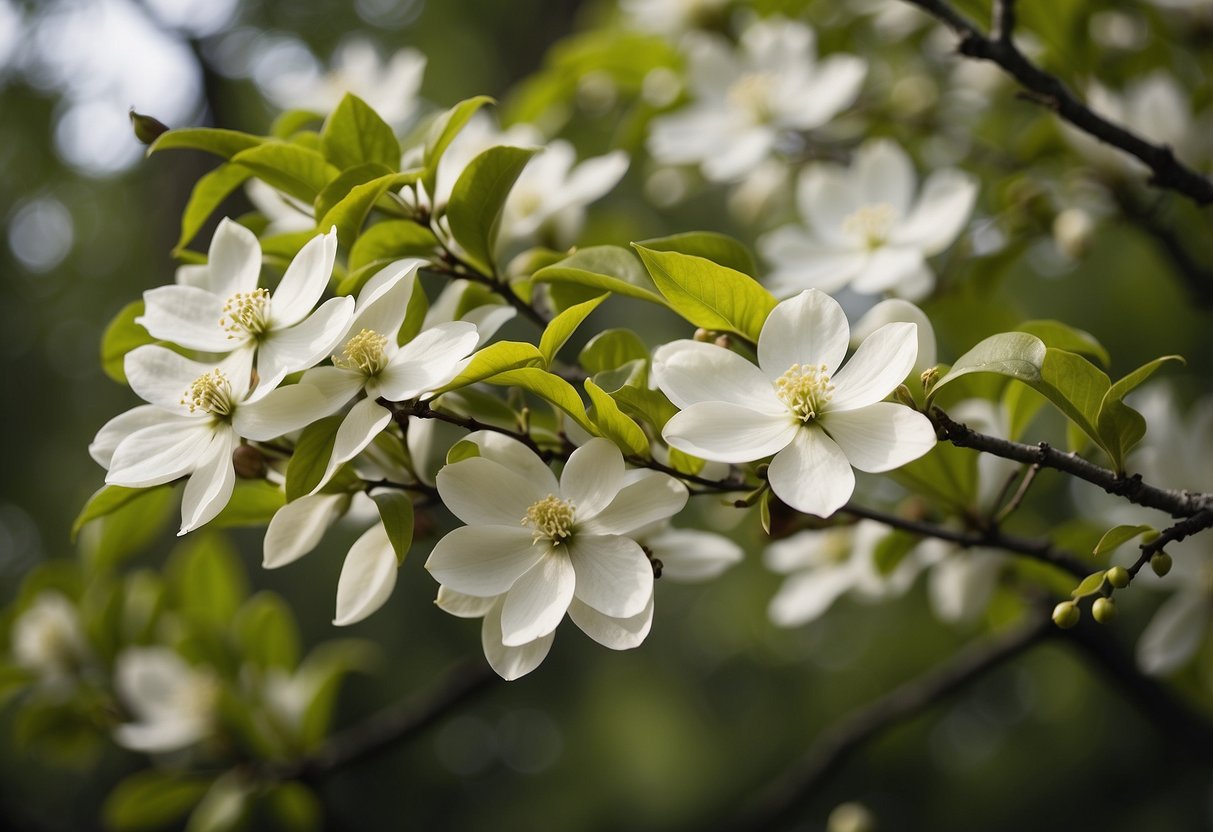
When selecting trees for landscaping, it is essential to consider Georgia’s climate. Ornamental trees, such as the flowering dogwood and the Bradford pear, are popular choices for their beauty. However, it is important to ensure that the selected trees are well-suited to Georgia’s climate.
Drought tolerance is an essential factor to consider when selecting trees for Georgia’s climate. Trees that are drought-tolerant, such as the bald cypress and the live oak, are ideal for Georgia’s dry summers and humid falls. These trees require less water and are more resilient to drought conditions.
Diseases can also be a problem for trees in Georgia. It is important to select trees that are resistant to common diseases in the area. For example, the Southern magnolia is resistant to many diseases and pests that affect other trees in Georgia.
Mulching can also be beneficial for the health of trees. Mulch helps to retain moisture in the soil and regulates soil temperature. It also helps to suppress weeds and prevents soil erosion.
In summary, selecting trees that are well-suited to Georgia’s climate, planting in well-drained soil, regular pruning, and mulching are all essential practices for maintaining healthy trees in Georgia’s landscape.
Late Summer and Fall Blooming Trees in Georgia
Georgia’s tree season doesn’t end in spring. Several species put on spectacular displays later in the year:
- Crape Myrtle (Lagerstroemia indica): Georgia’s signature summer tree, blooming from June through September in shades of pink, red, white, lavender, and purple. Ubiquitous in Atlanta’s suburbs and throughout the state. Multiple sizes available from dwarf shrub form to 30-foot trees.
- Southern Magnolia (Magnolia grandiflora): Produces large, fragrant white blooms from May through August. Georgia’s official state tree. The blooms can be 8-12 inches across and are extraordinarily fragrant on warm evenings.
- Sweetbay Magnolia (Magnolia virginiana): A native Georgia species that blooms from May through August with smaller, lemon-scented white flowers. Semi-evergreen and tolerates wet soil better than Southern Magnolia.
- Franklinia (Franklinia alatamaha): An extraordinary tree — now extinct in the wild — that was discovered in coastal Georgia in 1765. Produces large white flowers from late summer into fall. All specimens today descend from trees collected from the wild before the species disappeared.
Georgia’s Native Flowering Trees Worth Knowing
Beyond the familiar ornamentals, Georgia has a rich native tree flora with exceptional flowering displays:
- Wild Plum (Prunus americana): One of the first native trees to bloom in late February and March, covering itself in masses of small white flowers before the leaves appear. Important early pollen source for native bees.
- Serviceberry (Amelanchier arborea): North Georgia’s first major bloomer — delicate white flowers in March, often while snow is still on the mountains. The edible berries ripen in June and attract dozens of bird species.
- Fringetree (Chionanthus virginicus): An underused native gem that blooms in April-May with fringe-like white flowers that drape the tree in white. Dioecious — male trees have showier flowers; female trees produce dark blue berries loved by birds.
- Sweetshrub (Calycanthus floridus): Technically a shrub, but often tree-sized. Blooms in spring with unusual maroon, burgundy flowers that have an intense fruity scent.
Best Places in Georgia to See Spring Tree Blooms
Georgia offers spectacular spring blooms across the state:
- Atlanta Botanical Garden: World-class display of flowering trees and spring bulbs, with thousands of cherry, dogwood, and redbud specimens
- Callaway Gardens (Pine Mountain): Legendary azalea collection — over 700 varieties — plus exceptional dogwood displays in spring
- Amicalola Falls State Park: In early spring, the trails are lined with redbud, serviceberry, and wild plum — especially beautiful with a mountain backdrop
- Piedmont Park (Atlanta): Volunteer-planted cherry trees create a mini-Tidal Basin effect in late March
- Stone Mountain Park: Flowering dogwoods along the mountain’s base create a spectacular display in April
Key Takeaways
- Georgia’s flowering tree season runs from February (wild plum, serviceberry) through September (crape myrtle, magnolia)
- Dogwood and redbud are the iconic spring bloomers — typically peak in late March to mid-April
- Native trees like serviceberry, fringetree, and wild plum provide blooms plus wildlife value
- Crape myrtle is Georgia’s summer bloomer — available in dozens of colors and sizes
- North Georgia blooms run 1-2 weeks later than South Georgia due to cooler temperatures
Frequently Asked Questions
When do dogwood trees bloom in Georgia?
Flowering dogwood (Cornus florida) typically blooms in Georgia from late March through mid-April, with some variation depending on location and weather. South Georgia dogwoods often peak in late March, while North Georgia mountain dogwoods may not peak until April 10-20. The Dogwood Festival in Atlanta celebrates this bloom — usually held in early April — and is a reliable indicator of peak bloom timing.
What are the pink flowering trees in Georgia in spring?
The most common pink flowering trees you’ll see in Georgia spring are: Eastern Redbud (Cercis canadensis) — small to medium tree with magenta-pink blooms directly on the branches and trunk; pink Flowering Dogwood cultivars (Cornus florida ‘Rubra’ and similar varieties); Saucer Magnolia (Magnolia x soulangeana) with large pink-purple flowers; and various cherry tree cultivars. Crape myrtles in shades of pink bloom from June through September.
Are there flowering trees that bloom in winter in Georgia?
Yes — a few trees bloom in late winter in Georgia. Japanese flowering cherry varieties like ‘Okame’ can bloom as early as late February in South Georgia. Winter-blooming camellias are technically shrubs but can reach tree size and bloom from October through March. The earliest native bloomer is usually wild plum (Prunus americana) in late February-early March, followed by serviceberry in March.
Related reads: best flowering trees to grow in Georgia, best cherry trees for Georgia, and ornamental trees for Georgia landscapes.
 Looking for a nursery that carries native flowering trees in Georgia?
Browse our native plant nursery directory: Georgia
Thanks for stopping by, Sam! We appreciate our readers and love the engagement. Wishing you a great growing season!
My kids are getting interested in gardening which is awesome. We’re starting small.
My husband and I are redoing the front yard this spring. Saving this for reference.
Good general info. I’d recommend also talking to your local extension office for area-specific advice.
You’re right that soil prep is crucial — we should probably expand on that. Thanks for the feedback! -Plant Native Team