Container gardening with natives for sustainable and low-maintenance landscaping
Last updated: September 5, 2026
Container gardening with native plants is a practical way to bring local flora into small spaces—think patios, balconies, or even a sunny stoop. You get to grow species that already know how to handle your region’s climate and soil, so you’re not constantly fussing with extra water or fertilizer.
Using native plants in containers supports local ecosystems and creates low-maintenance, sustainable gardens.
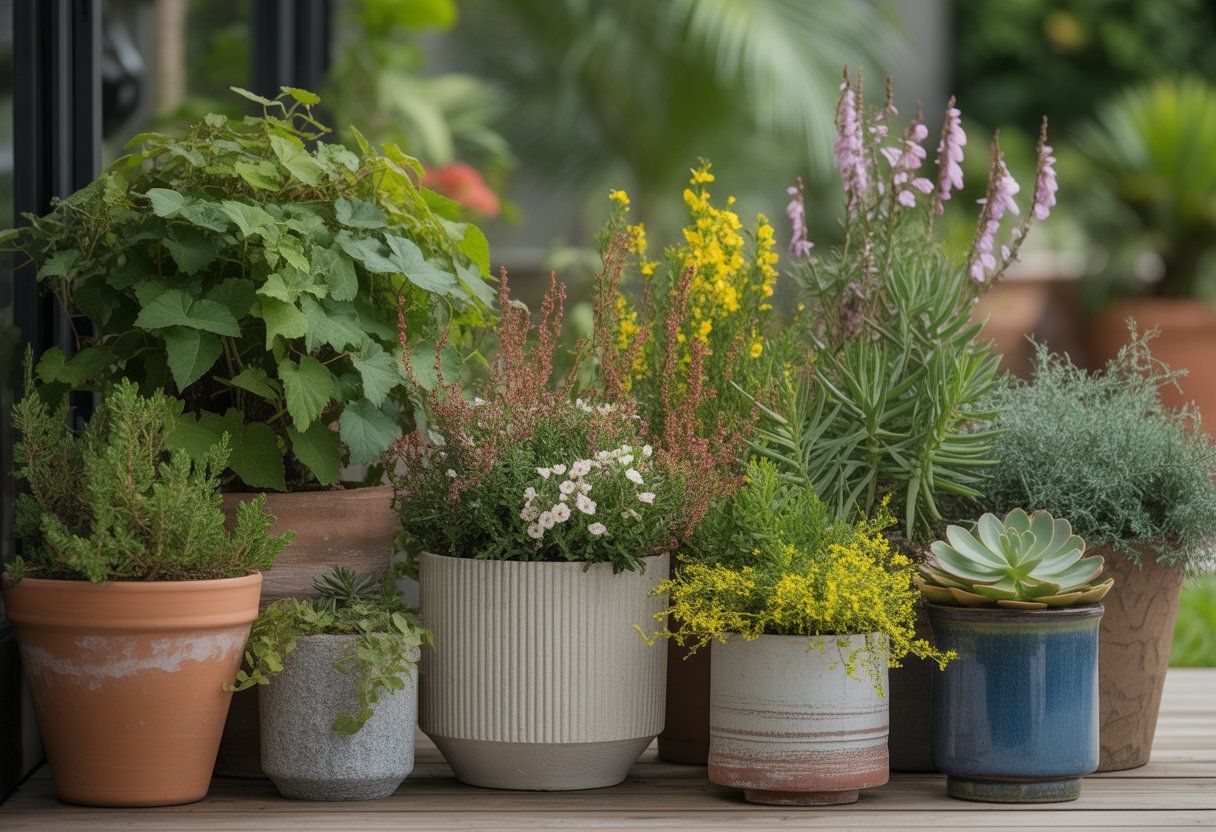
This approach works well for anyone who wants the perks of gardening but doesn’t have a huge yard. Native plants tend to shrug off pests and diseases, which makes them a solid bet for containers where things can get a bit unpredictable.
When you focus on natives, you’re helping out biodiversity and keeping regional plant heritage alive.
Choosing Native Plants For Container Gardening
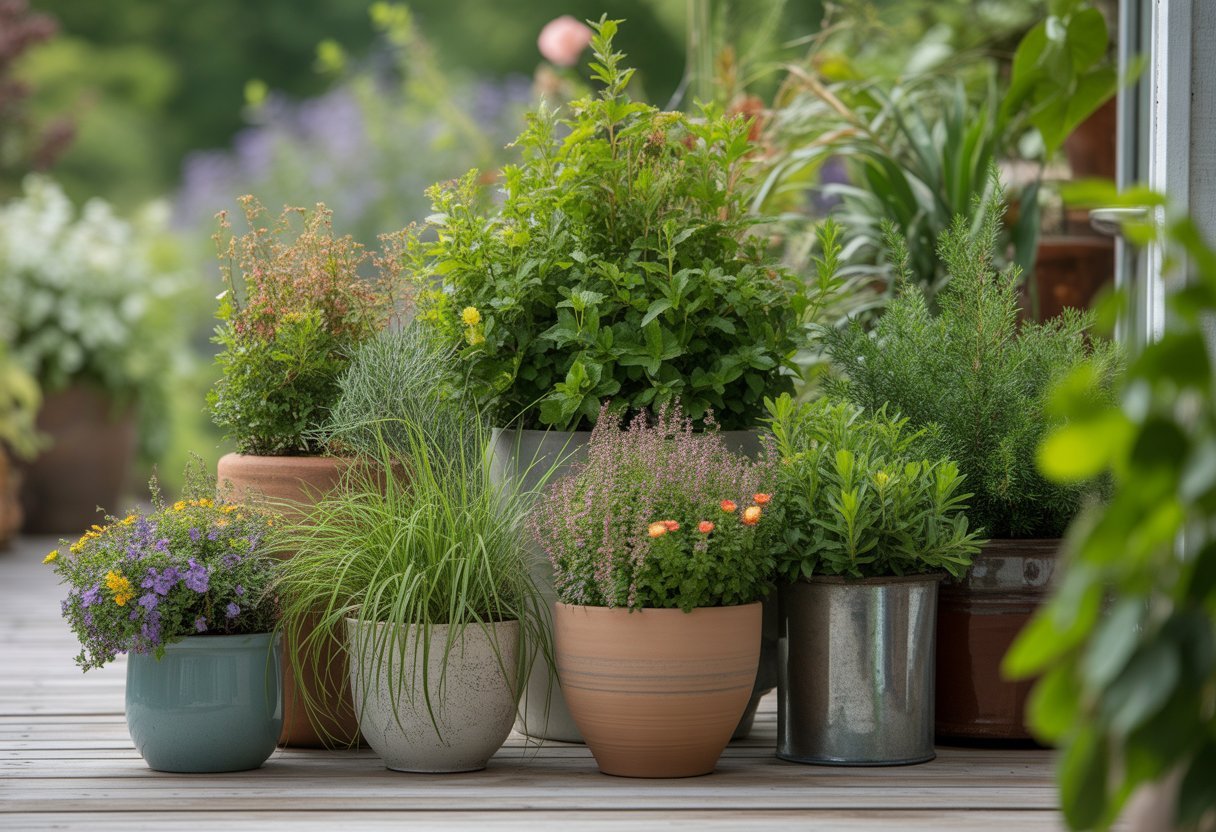
Picking the right native plants for containers depends on stuff like plant size, sunlight needs, and their role in the local ecosystem. Matching these up means healthier plants and a boost for native pollinators and wildlife.
Best Native Plants for Containers
Small to medium-sized natives really shine in pots.
Plants like Iris cristata and Columbine have tidy roots and compact habits, so they fit without fuss. Grasses such as Prairie dropseed or sedges like Palm sedge add cool texture but won’t take over.
Flowering natives—Coreopsis, Phlox, Rose verbena—bring a splash of color and attract pollinators. If you’ve got bigger containers, Sunflowers and asters can work, too. Native vines like Sage or Salvia spill over edges for a little drama.
Stick with plants that have manageable root systems, and your container garden will thank you.
Selecting Plants for Pollinators and Wildlife
Native plants support native insects way better than non-natives do.
Golden Alexanders make top-notch host plants for caterpillars. Hairy aster, Violets, and Salvia pull in bees, butterflies, and even hummingbirds.
Mix up bloom times so there’s always something for pollinators to snack on. If you add a Pollinator penthouse or cluster your containers near pollinator hotspots, you’ll see more visitors. Vines and flowering natives in pots can turn a small space into a mini wildlife garden.
Considerations for Light, Bloom Times, and Growth Habits
Know how much sun your containers get—seriously, it makes a difference.
Ferns and Iris cristata dig the shade, while Coreopsis, Sunflowers, and Prairie dropseed want full sun. If you stagger bloom times—asters late, phlox midseason, columbine early—you’ll keep things interesting and keep pollinators happy.
Compact plants help avoid crowding, and taller or vining natives need bigger pots or good partners. Give everyone their space, prune as needed, and you’ll dodge most disease and growth headaches.
Designing and Planting Your Native Container Garden
Picking containers and figuring out where to put your plants is a big deal if you want your native container garden to thrive. The right pot keeps roots happy, and a smart layout makes everything look intentional—even if you’re just winging it.
Space is always a factor, especially in tight spots.
Selecting the Right Containers
You need good drainage or your plants are toast. Ceramic pots with drainage holes are popular—they hold moisture but let extra water out.
Match the pot size to the plant’s mature root ball. If you’re growing something tall, heavier pots keep things steady, but they’re a pain to move. If you need flexibility, go for lightweight plastic pots with solid drainage.
A well-draining soil mix made for natives gives roots a fighting chance.
Arranging Natives for Visual Impact
Mixing up heights and textures keeps things interesting.
Put taller natives like Echinacea or Solidago in the middle or back. Edge the pot with groundcovers like Sedum or Heuchera.
Play with color—green foliage paired with bright flowers makes everything pop. Repeating key species in different pots ties the look together, so it doesn’t feel random.
Balcony and Small Space Considerations
If you’re gardening on a balcony, use vertical space with hanging pots or shelves. Compact natives are your friends here.
Drought-tolerant types like Artemisia or Gaillardia mean less watering. Make sure your containers sit securely—nobody wants a pot falling off the railing.
Lightweight pots and plants labeled as balcony botanicals make life easier and your space more inviting.
Soil, Drainage, and Maintenance for Native Plants
Native plants in containers need the right soil, careful watering, and some basic upkeep. These details matter more when roots are boxed in and can’t go exploring.
Understanding what your plants need keeps them happy and resilient in limited root space.
Creating the Ideal Potting Mix for Natives
Start with a high-quality potting soil. Mix in compost for nutrients and beneficial microbes, and add perlite to keep things light and airy.
Compost boosts fertility, and perlite helps drainage—no one likes soggy roots. Skip heavy garden soil; it packs down and suffocates roots.
Aim for a loose, well-draining mix rich in organic matter. For drought-tolerant natives, use more perlite and keep things sandy.
Ensuring Proper Drainage and Watering
Good drainage keeps roots healthy—every pot needs at least one solid drainage hole. Elevate containers with feet or gravel so water doesn’t pool and block the holes.
Water consistently, but don’t overdo it. Most natives handle a bit of drought but hate wet feet. Check the top inch of soil—if it’s dry, give them a drink.
Container soil dries out faster than garden beds, so check more often.
Fertilizing and Mulching
Natives don’t need much fertilizer. Use a slow-release, balanced type made for natives, or dilute a liquid feed now and then during the growing season.
Too much fertilizer leads to floppy leaves and weak roots—nobody wants that. Add a thin layer of mulch to lock in moisture and keep the roots cool.
Shredded bark or leaf mold works great, breaking down over time to boost soil health. Just keep mulch away from plant stems to avoid rot.
Ongoing Care: Deadheading and Drought Management
Regular deadheading helps native species keep blooming longer. Snip off spent blooms as soon as you spot them, so the plant focuses on fresh growth instead of making seeds.
When things get dry, native container plants can really struggle. Give them a good soak, but don’t do it too often—this way, their roots reach down deeper.
Change up your watering routine with the seasons. Hot, dry weather? They’ll want more water. Cooler days? Ease up a bit.