Best Small-Space Native Plants for Compact Urban Gardens and Balconies
Last updated: August 17, 2026
So many gardeners hit a wall trying to find plants that actually thrive in tight spaces and still help the local ecosystem. When you go with native plants made for small areas, you can get all the natural perks—without everything getting crammed together.
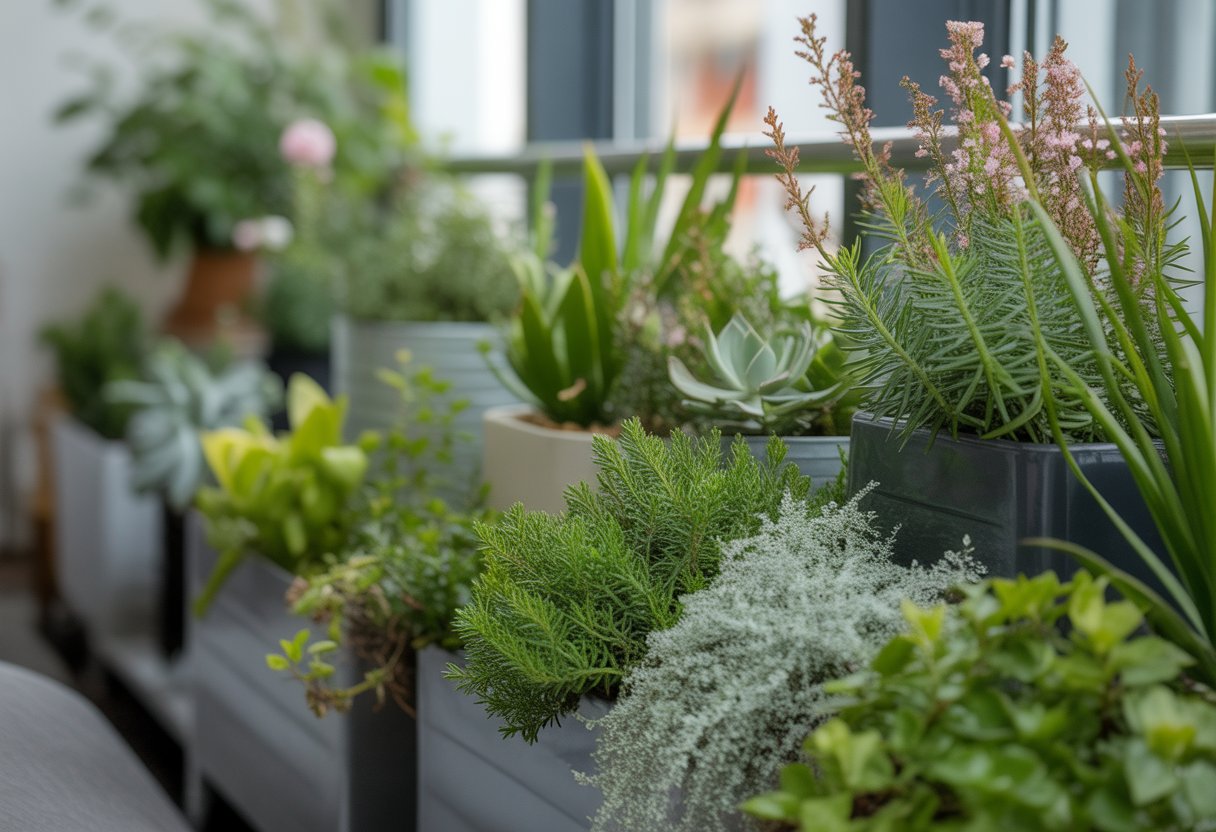
The best small-space native plants are the ones that barely ask for attention, fit into compact corners, and still manage to provide habitat for local wildlife. You’ll usually find these plants have deep roots, shrug off drought, and look interesting for months—perfect for patios, balconies, or those tiny yards that barely count as yards.
When you pick the right species, you’re basically setting up a sustainable garden that saves water and brings in pollinators. It’s kind of amazing how the right native plants can turn even the most cramped spot into a lively, healthy patch of green.
Selecting the Best Small-Space Native Plants
When you’re choosing native plants for small spaces, you really want to think about how they grow, what they need, and whether they’ll get along with your local conditions. If you pick carefully, you’ll support a healthy ecosystem and spend less time on upkeep.
Key Characteristics of Small-Space Native Plants
Native plants for tight spots tend to be compact, slow-growing, or just naturally tidy—so your balcony or little yard doesn’t turn into a jungle. Lots of them have shallow roots, so they won’t fight with each other or mess with nearby structures.
Plants that don’t mind drought or pests are a smart pick since you probably don’t want to baby them. If you can get flowers or cool foliage color changes through the seasons, that’s a bonus, and it won’t make things feel crowded.
Local natives that can handle your weather keep things low-stress, especially when the climate throws surprises. As a rule of thumb, stick with species that top out at about 3 feet tall or wide if you want to keep things manageable.
Assessing Light and Soil Conditions
Figuring out how much sun your spot gets is a big deal. Native plants vary a lot—some love full sun, others prefer deep shade. Try to keep track of how many hours of sunlight your site gets each day to help you narrow it down.
Soil matters more than most people think. Check your soil’s pH and feel—sometimes you’ll need to toss in compost or sand to fix drainage or fertility for certain native species.
Most native plants do best in soil that hasn’t been messed with, but adding organic matter can perk up poor soils in city yards. Good drainage is key; swamp milkweed likes it wet, but plenty of others want things dry and well-drained.
Choosing Native Species for Your Region
If you pick plants that are native to your specific region, they’ll handle local weather, pests, and soils like champs. Regional native plant guides or your local extension service usually have lists for small gardens.
Go for local ecotypes if you can—they tend to survive better since they’re genetically in tune with your area. Out west, California fuchsia is great, while purple coneflower suits the Midwest.
Watch out for invasive look-alikes by double-checking with local conservation groups. When you stick with true local natives, you’re also helping out the wildlife that depends on them for food and shelter.
Designing Small Gardens with Native Plants
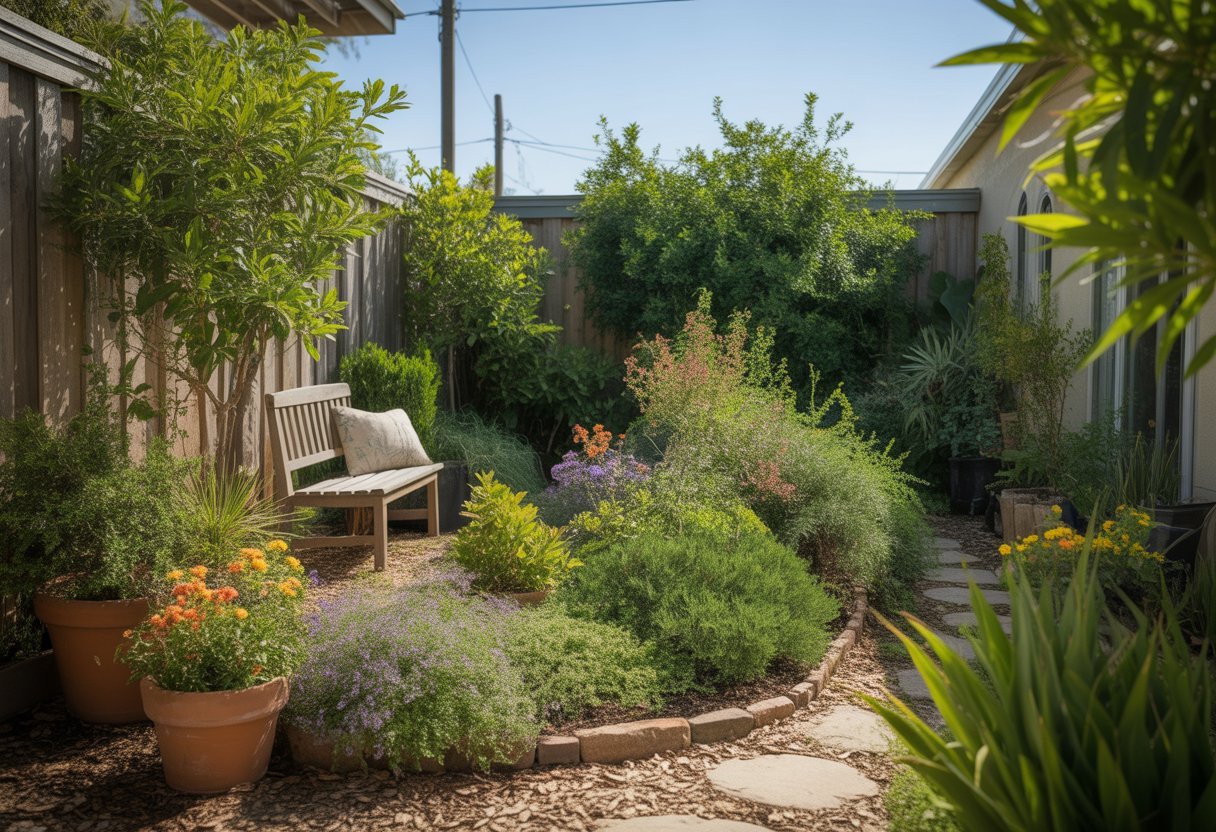
Designing a small native garden is really about picking and placing plants so you get the most beauty and ecological bang for your buck. Mixing up plant types gives you layers and textures, which is good for looks and for wildlife.
Incorporating Native Flowers and Wildflowers
Native flowers and wildflowers bring bursts of color and keep things interesting without taking over. Try coneflowers, black-eyed Susans, and milkweed—they’re great nectar sources for pollinators.
Cluster your flowers together or plant them in drifts—it looks more natural and helps support insects by giving them steady blooms all season. In small spaces, compact varieties won’t crowd each other out.
Butterfly weed and wild columbine can handle sun or partial shade and don’t need much fuss once they settle in. Their different flower shapes and colors play well with native grasses and shrubs for a balanced look.
Using Native Grasses and Ferns
Native grasses and ferns add texture and structure, making your small garden feel more like a slice of nature. Ornamental grasses like little bluestem or prairie dropseed stand tall and show off changing colors, especially in autumn.
Ferns are perfect for shady or woodland corners, bringing a lush, soft vibe. Christmas fern and maidenhair fern love moist, shaded spots and stay green all year.
Both grasses and ferns help hold the soil in place, which is handy in compact spaces. They barely need fertilizer and create a mini-habitat for local wildlife.
Integrating Native Shrubs and Trees
Native shrubs and small trees can anchor a small garden and offer habitat, too. Redbud trees fit well in tight spots and put on a show with their early spring flowers.
Shrubs like spicebush or ninebark give you different heights and bloom times, keeping things interesting through the seasons. Tuck them along edges or in corners to define space without making it feel crowded.
Stick with species that already thrive in your area for less hassle. Mixing shrubs and trees with flowers and grasses mimics natural communities and helps boost urban biodiversity.
Supporting Biodiversity and Wildlife
Small native plants can do a lot for local ecosystems, even in cramped spaces. They feed pollinators, birds, and beneficial insects, all while keeping things balanced and healthy.
Attracting Pollinators and Beneficial Insects
Plants like wild indigo and joe pye weed really bring in pollinators—bees, butterflies, and all sorts of helpful bugs. They pump out plenty of nectar and pollen, which keeps everyone fed.
If you plant a mix that blooms at different times, you’ll have a steady buffet for pollinators all year. The shape and structure of native plants also give insects places to hide and breed.
A diverse patch of natives helps not just pollinators, but also the good bugs that keep pests in check. That means you can skip the chemicals and let nature handle things.
Planting Host Plants for Butterflies
Butterflies need specific host plants for their caterpillars. Milkweed and wild indigo are must-haves if you want to see more butterflies hanging around. Adding these to your small space encourages them to lay eggs.
Host plants feed the caterpillars, helping them grow into adult butterflies. With a little planning, you can really boost butterfly diversity—even in a city.
To keep butterflies happy, skip the pesticides and make sure there are sunny spots. Putting host plants near nectar flowers makes the whole area more attractive to butterflies at every stage.
Providing Food and Shelter for Birds and Small Mammals
Some small native plants grow berries and seeds that birds and small mammals love. Serviceberry and elderberry, for example, offer important food, especially during migration or the winter.
Shrubs and thick foliage create shelter and nesting spots. Even in a tiny space, you can help wildlife find safety where natural habitats are scarce.
Native plants also support tons of insects, which birds and mammals eat. That creates a mini food web, all within a small garden.
Creating a Thriving Pollinator Garden
A pollinator garden packed with native plants gives you the most bang for your buck—nectar, host plants, and shelter, all in one. Joe pye weed and wild indigo are star performers, keeping things lively through the seasons.
Layering plant heights adds depth and attracts more species. Grouping plants in clumps makes it easier for pollinators to find what they need.
Keep an eye on things and avoid pesticides to protect your pollinators. If you can get neighbors involved, even better—community planting builds both biodiversity and awareness.
Sustainable Care and Maintenance for Small Native Gardens
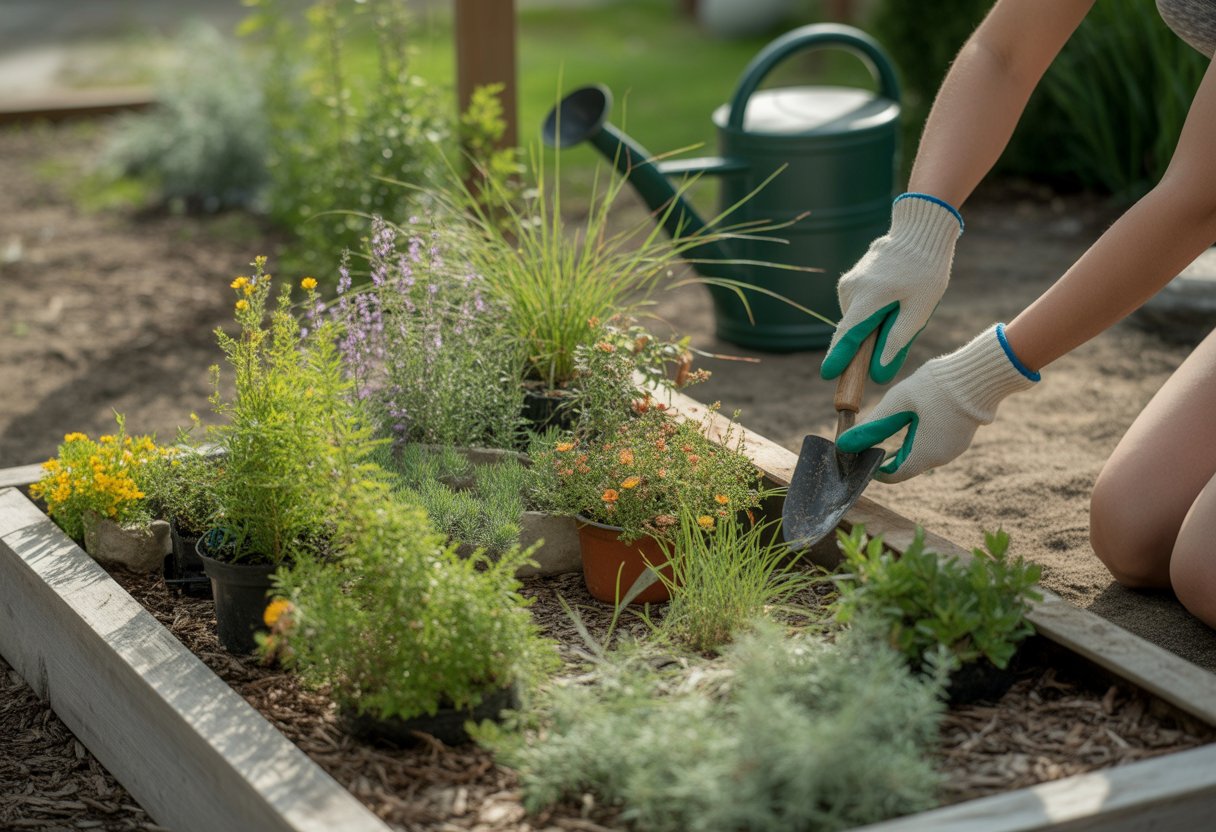
Looking after a small native garden mostly comes down to smart watering and keeping the soil in good shape. Watering and mulching the right way keeps plants happy without wasting resources, and good soil means stronger, healthier plants.
Watering and Mulching Practices
Once native plants settle in, they really don’t need much water. Deep, occasional watering helps roots grow strong—shallow watering just makes them weak and can invite disease.
Mulch with shredded bark or leaf litter to lock in moisture and keep the soil cool. A 2-3 inch layer does the trick, cutting down on evaporation and weeds.
Don’t pile mulch against stems, or you’ll risk rot. Check moisture at root level, not just at the surface, to figure out when to water next.
Erosion Control and Soil Health
Stopping soil erosion keeps nutrients where they belong and protects roots from exposure. You can plant groundcovers or group native plants with different root types to help anchor soil, especially on slopes or in tight corners.
Sometimes, natural barriers like rocks or even biodegradable mats work wonders for cutting down runoff after heavy rain. Keeping organic matter in the soil also helps water soak in and gives a boost to the good microbes living underground.
If you test your soil’s pH and texture before planting, you’re way more likely to pick species that’ll actually thrive there. That little step goes a long way in keeping your soil healthy for the long haul.