Best Bird Baths for Garden Wildlife: Top Picks for 2026
We independently select all products and services. If you click through links we provide, Plant Native may earn a commission with no extra cost to you. As an Amazon Associate I earn from qualifying purchases.
Last updated: August 18, 2026
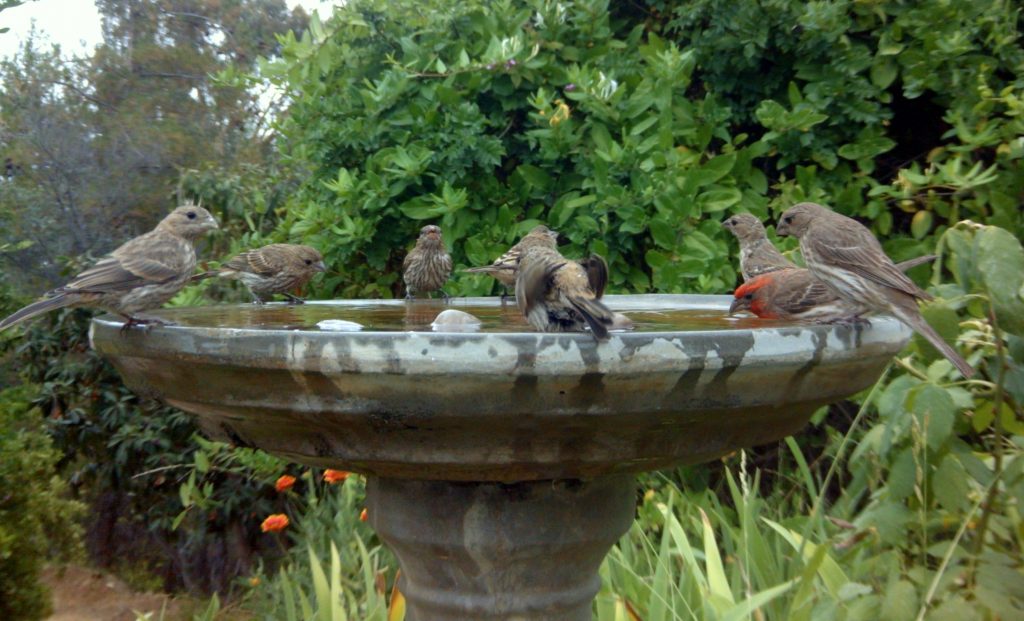
Birds are a beautiful addition to any garden, and providing them with a safe and clean source of water is essential for their survival. Bird baths not only serve as a source of hydration for birds, but they also attract them to your garden, creating a peaceful and serene environment. Choosing the right bird bath can be overwhelming, as there are many options available in the market.
When looking for the best bird bath for garden wildlife, it is important to consider the material, size, and depth. The material of the bird bath should be non-toxic and easy to clean, as it will require regular maintenance. The size of the bird bath should be appropriate for the birds you wish to attract, and the depth should be shallow enough to prevent drowning but deep enough for birds to bathe comfortably.
We spent hours researching and testing various bird baths to identify the ones that are best for garden wildlife. In this article, we will share our top picks for the best bird baths that are not only functional but also aesthetically pleasing.
Key Takeaways
- Bird bath depth matters — 1-3 inches is ideal; too deep and birds won’t use it
- Texture and footing in the basin is important — smooth surfaces make birds hesitant to land
- Location affects use — near shrubs gives birds quick cover to escape predators, but not so close cats can hide
- Fresh water every 1-2 days prevents mosquito breeding and algae buildup
- A solar-powered fountain or dripper increases bird activity dramatically — birds prefer moving water
- In winter, a bird bath heater keeps water liquid and makes your bath a rare winter resource
Frequently Asked Questions
What type of bird bath attracts the most birds?
Moving water attracts significantly more birds than a static basin — the sound of dripping or splashing water is an auditory cue that draws birds from much greater distances. A simple drip attachment (a plastic bottle with a small hole, or a dedicated dripper) or a solar-powered fountain pump dramatically increases visitor numbers and diversity. In terms of style, ground-level baths attract ground-feeding birds (sparrows, juncos, towhees, robins) that won’t use elevated baths. Elevated baths attract a different mix including warblers and smaller songbirds. The most wildlife-inclusive setups include both a ground-level and an elevated bath.
How often should you clean a bird bath?
Change the water every 1-2 days in warm weather to prevent mosquito larvae from developing (mosquitoes can complete egg-to-larva in 24-48 hours in still water). Clean the basin thoroughly — scrubbing off algae and debris — at least once per week. Use a stiff brush and a solution of 1 part white vinegar to 9 parts water for regular cleaning; rinse thoroughly before refilling. Avoid soap (leaves residue that can harm birds) and bleach solutions unless rinsed extremely thoroughly and the bath is allowed to air completely before use. A moving water fountain significantly reduces algae growth between cleanings.
What is the best material for a bird bath?
Material affects durability, ease of cleaning, and winter survival. Concrete and stone are durable and have natural texture that gives birds good footing, but can crack in freeze-thaw cycles if water freezes while the bath is full. Resin and plastic birdbaths are lightweight, freeze-proof, and easy to clean, but less naturalistic and can become brittle with UV exposure over years. Glazed ceramic is beautiful but slippery (unsafe for birds) and vulnerable to freeze damage unless the glaze is uneven or the basin is textured. The best practical choice for most gardeners: reinforced resin or molded concrete, depending on your climate and aesthetic preference.
More wildlife garden guides: best bird feeders for native birds, animals of the desert biome, and ground covers for wildlife gardens.