Nutka Rose (Rosa nutkana)
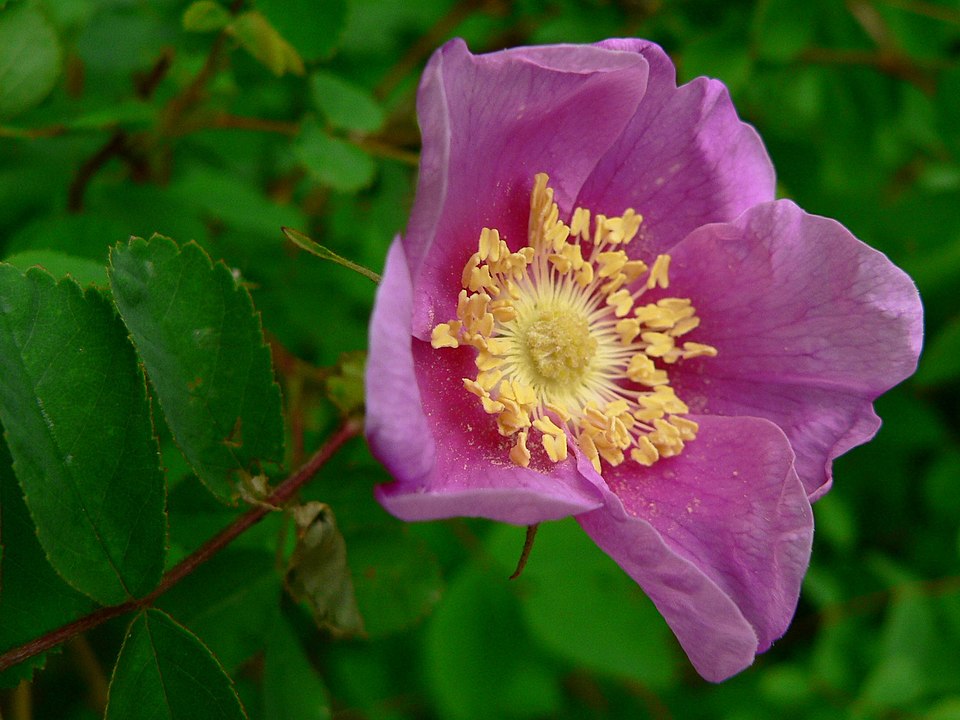
Rosa nutkana, commonly known as Nutka Rose or Nootka Rose, is a remarkable native rose species that serves as both a beautiful ornamental and a critical wildlife resource across western North America. Named after Nootka Sound on Vancouver Island where it was first scientifically described, this robust shrub represents one of the most widely distributed native roses in North America, with populations extending from Alaska to New Mexico and from the Pacific Coast to the Great Lakes region.
This hardy member of the Rosaceae family combines exceptional adaptability with outstanding ecological value, thriving in diverse habitats from coastal areas to mountain slopes at elevations up to 9,000 feet. Nutka Rose is distinguished by its large, fragrant pink flowers that can reach 3 inches across, making them among the largest of all native rose species. The striking blooms appear from late spring through early summer, followed by bright red to orange rose hips that persist through winter, providing critical food for wildlife during the lean months.
In the wild, Nutka Rose typically forms dense thickets that provide invaluable habitat structure for wildlife while preventing soil erosion on slopes and disturbed areas. Its thorny stems offer protection for nesting birds, while the abundant flowers support diverse pollinator communities and the nutritious hips feed numerous bird and mammal species. This combination of beauty, wildlife value, and ecological function makes Nutka Rose an exceptional choice for native plant gardens, restoration projects, and sustainable landscaping throughout its extensive natural range.
Quick Facts
| Scientific Name | Rosa nutkana |
| Plant Type | Native Plant |
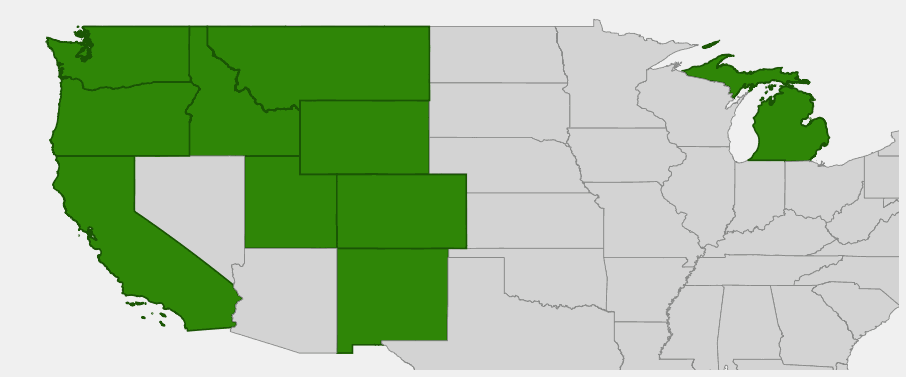
| Native Range | OR, WA, CA, AK, ID, MT, WY, CO, UT, NM, MI |
| Sun Exposure | Part Shade to Full Shade |
| Water Needs | High |
| Soil Type | Well-draining native soils |
| USDA Hardiness Zones | 6-9 |
Identification
Nutka Rose is easily recognizable once you know its distinctive characteristics, which set it apart from other native and non-native roses in its range. This vigorous shrub combines classic rose features with specific adaptations that reflect its diverse native habitats.
Growth Form & Size
Nutka Rose typically grows 3-10 feet tall, forming dense, suckering colonies that can spread 6-8 feet wide or more. The growth form varies from low, spreading thickets in harsh mountain conditions to tall, upright shrubs in protected forest edges. The plant develops multiple stems from a spreading root system, creating the dense, impenetrable thickets characteristic of the species in optimal conditions.
Stems & Thorns
The stems are woody, ranging from reddish-brown to gray-brown, and are armed with stout, slightly curved thorns that are typically paired at the nodes. The thorns are substantial — about 1/4 to 1/2 inch long — and help distinguish Nutka Rose from thornless species like Thimbleberry. Young stems may appear more reddish, while older canes develop gray-brown bark that may peel slightly.
Leaves
The compound leaves are palmately divided into 5-7 oval leaflets (occasionally 3-9), each 1-3 inches long with serrated margins. The leaflets are arranged on short petioles and have a distinctive blue-green to gray-green color that helps identify the species. Each leaflet is oval with a pointed tip and fine teeth along the margins. The stipules at the base of each leaf are prominently winged and often reddish, providing another identification marker.
Flowers
The flowers are among the most spectacular features of Nutka Rose and are key to identification. Individual blooms are large — typically 2-3 inches across — with 5 bright pink petals (occasionally white) surrounding a prominent center of yellow stamens. The flowers usually appear singly at the tips of branches, though occasionally 2-3 flowers may cluster together. The blooms are notably fragrant and appear from late May through July, depending on elevation and latitude.
Fruit (Rose Hips)
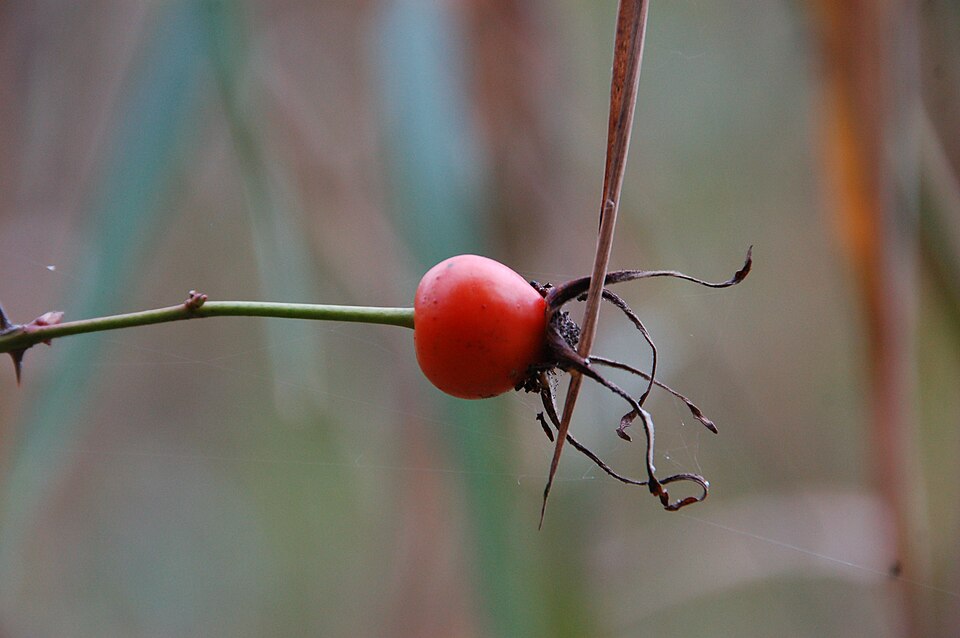
The rose hips are distinctive and provide excellent winter identification. They are round to pear-shaped, about 1/2 to 3/4 inch in diameter, and ripen from green to bright red or orange-red. Unlike some rose species, Nutka Rose hips are smooth (lacking bristles or prickles) and topped with persistent sepals that remain attached through winter. The hips contain numerous small, hard seeds surrounded by irritating hairs.
Native Range
Nutka Rose boasts one of the most extensive native ranges of any North American rose, stretching across diverse climatic and geographic regions from Alaska to New Mexico and from the Pacific coast to the Great Lakes. This remarkable distribution demonstrates the species’ exceptional adaptability and ecological success across varied environmental conditions.
In the Pacific Northwest, Nutka Rose is found throughout Oregon, Washington, northern California, and into British Columbia and Alaska. The species extends eastward across the northern Rocky Mountains through Idaho, Montana, Wyoming, and Colorado, with isolated populations reaching as far east as Michigan in the Great Lakes region. Southern populations occur in Utah, New Mexico, and high-elevation areas where conditions remain suitable for this cool-climate adapted species.
This vast range reflects the species’ evolution during the Pleistocene, when cooler climates allowed continuous distributions across what are now fragmented habitats. Today’s populations represent both continuous ranges in suitable habitat and relict populations persisting in favorable microclimates within otherwise unsuitable regions.
Within its native range, Nutka Rose typically establishes in habitats that provide the specific environmental conditions it requires for optimal growth and reproduction. These habitat preferences have evolved over thousands of years and represent the species’ ecological niche within Pacific Northwest ecosystems.
📋 Regional plant lists featuring Nutka Rose: Western Oregon & Western Washington
Growing and Care Guide
Successfully cultivating Nutka Rose requires understanding its natural habitat preferences and providing growing conditions that closely mimic those found in its native environment. This species has evolved specific adaptations to Pacific Northwest conditions, making it well-suited for regional gardens when properly sited and maintained.
Site Selection and Preparation
Choosing the right location is crucial for successful establishment of Nutka Rose. The ideal site should provide environmental conditions that closely match those found in the species’ natural habitat, including appropriate light levels, soil conditions, and moisture availability.
Site preparation should focus on creating growing conditions that support the plant’s natural growth patterns while ensuring long-term sustainability. This often involves soil amendments, drainage considerations, and planning for the plant’s mature size and growth habit.
Planting and Establishment
Proper planting technique is essential for successful establishment of Nutka Rose. The best planting times typically coincide with the Pacific Northwest’s natural growing seasons, when temperatures and moisture levels are optimal for root development and early growth.
During the establishment period, regular monitoring and appropriate care help ensure the plant develops a strong root system and adapts well to its new environment. This critical phase often determines the long-term success of the planting.
Ongoing Maintenance
Once established, Nutka Rose typically requires minimal maintenance when properly sited. However, some periodic care may be beneficial to maintain plant health and appearance, particularly in garden settings where growing conditions may differ from natural habitats.
Understanding the plant’s natural growth cycles and seasonal requirements helps gardeners provide appropriate care while avoiding unnecessary interventions that might disrupt the plant’s natural processes.
Wildlife and Ecological Value
Nutka Rose serves important ecological functions within its native ecosystem, supporting biodiversity and providing habitat and food resources for various wildlife species. These ecological relationships have evolved over thousands of years and represent complex interdependencies between the plant and other organisms.
Wildlife Habitat and Food Sources
Many wildlife species depend on Nutka Rose for critical resources including food, shelter, and nesting sites. These relationships often involve complex seasonal patterns that align with the plant’s growth cycles and resource availability.
Different parts of the plant may serve different ecological functions, with flowers, fruits, seeds, foliage, and even the overall plant structure providing resources for different wildlife communities throughout the year.
Ecosystem Services
Beyond its direct value to wildlife, Nutka Rose contributes to broader ecosystem health through various ecological services. These may include soil stabilization, water cycle regulation, carbon sequestration, and support for beneficial insects and other organisms.
The species also plays important roles in plant community dynamics, influencing the establishment and success of other native species through various ecological interactions and environmental modifications.
Cultural & Historical Uses
Nutka Rose holds significant cultural importance for Indigenous peoples throughout its extensive range, with dozens of tribal nations incorporating various parts of the plant into their traditional practices, medicine, and food systems. The rose hips, in particular, have been a crucial food source for millennia, providing essential vitamins and nutrients during winter months when other fresh foods were scarce.
Indigenous Food Uses
Rose hips were widely harvested by Indigenous groups including the Blackfoot, Cree, Nlaka’pamux (Thompson), Secwepemc (Shuswap), and numerous Pacific Northwest tribes. The hips were eaten fresh when ripe, but more commonly were dried for winter storage. Many groups developed sophisticated processing techniques to remove the irritating internal hairs while preserving the nutritious flesh, often cooking the hips into sauces, jams, or mixing them with other foods like pemmican.
The Blackfoot people called rose hips “okatope” and considered them essential winter food, often trading them with other tribes. The high vitamin C content made rose hips particularly valuable for preventing scurvy during long winter months. Some groups would cook the hips into thick syrups or dry them into cakes for storage, while others fermented them into alcoholic beverages.
Medicinal Applications
Various parts of Nutka Rose were used medicinally by Indigenous peoples for treating a wide range of ailments. Rose hip tea was commonly used for stomach troubles, colds, and as a general health tonic. The inner bark was sometimes used to treat diarrhea and eye infections, while poultices made from crushed leaves were applied to wounds and sores.
Many tribes recognized the connection between rose hips and health maintenance, though they may not have understood the modern concept of vitamin C deficiency. The Cree and other northern groups made rose hip tea a regular part of their diet during winter months, which undoubtedly helped maintain health during challenging seasons.
Other Traditional Uses
Beyond food and medicine, Nutka Rose provided materials for various utilitarian purposes. The thorny stems were sometimes used to make fishing weirs or protective barriers around camps. The tough, fibrous inner bark could be processed into cordage, though other plants were generally preferred for this purpose.
Some tribes incorporated roses into spiritual practices, viewing them as symbols of love, beauty, and the life-giving power of nature. Rose petals were occasionally used in ceremonies or to scent stored foods and clothing.
Modern Uses & Research
Contemporary research has validated many traditional uses of Nutka Rose. Rose hips are indeed exceptionally high in vitamin C — containing 50-100 times more vitamin C per weight than citrus fruits. They also contain significant levels of vitamin E, beta-carotene, and various antioxidant compounds that support immune system function.
Today, rose hips are harvested commercially in some areas for use in teas, jams, jellies, and dietary supplements. The species is also increasingly recognized for its value in sustainable landscaping and restoration projects, where its wildlife benefits and low maintenance requirements make it highly desirable.
Some modern foragers continue traditional harvesting practices, though collection should always be done sustainably and with proper permission on private or protected lands. The best rose hips are typically collected after the first frost, which helps sweeten them and makes processing easier.
Conservation and Restoration Value
Nutka Rose represents an important component of Pacific Northwest biodiversity and plays valuable roles in habitat restoration and conservation projects. Its use in restoration efforts helps reestablish authentic native plant communities and support regional ecosystem health.
Conservation efforts for this species contribute to maintaining the genetic diversity and ecological integrity of Pacific Northwest ecosystems. These efforts are particularly important given ongoing habitat loss and environmental changes affecting the region.
Landscape Applications
In landscape settings, Nutka Rose offers numerous benefits for gardeners seeking to create authentic Pacific Northwest gardens that support native biodiversity. Its natural beauty and ecological value make it an excellent choice for various landscape applications.
Successful landscape use requires understanding the plant’s natural requirements and growth patterns, allowing designers and gardeners to integrate it effectively into broader planting schemes that benefit both aesthetics and ecological function.
Design Considerations
When incorporating Nutka Rose into landscape designs, consider its mature size, growth habit, seasonal changes, and relationships with other plants. These factors help ensure successful integration and long-term satisfaction with the planting.
The species works well in various design contexts, from naturalistic plantings that mimic wild habitats to more formal garden settings where native plants are featured prominently. Understanding its aesthetic qualities helps maximize its landscape impact.
Companion Planting
Nutka Rose associates naturally with other Pacific Northwest native species, and these relationships can be replicated in garden settings to create authentic and ecologically functional plantings.
Choosing appropriate companion plants helps create plant communities that support each other through complementary resource use, beneficial interactions, and shared habitat requirements. These associations often result in more resilient and self-sustaining plantings.
Seasonal Interest and Maintenance
Throughout the year, Nutka Rose provides various forms of interest and beauty, with seasonal changes that reflect its adaptation to Pacific Northwest climate patterns. Understanding these seasonal rhythms helps gardeners appreciate and care for the plant appropriately.
Different seasons may require different maintenance approaches, from supporting active growth during favorable conditions to protecting the plant during challenging periods. Aligning maintenance activities with natural cycles promotes plant health and reduces unnecessary interventions.
Frequently Asked Questions
How do I tell Nutka Rose apart from other wild roses?
Nutka Rose has distinctively large flowers (2-3 inches across) that are usually solitary, plus smooth rose hips without bristles. The leaflets are typically 5-7 per leaf with a blue-green color, and the thorns are stout and slightly curved. The large size of both flowers and finished rose hips helps distinguish it from smaller native roses.
Are the rose hips edible and nutritious?
Yes, Nutka Rose hips are highly edible and extremely nutritious, containing 50-100 times more vitamin C than citrus fruits. However, the seeds inside contain irritating hairs that should be removed before eating. The hips are best harvested after the first frost and can be used for teas, jams, jellies, or eaten fresh after processing.
How aggressive is Nutka Rose’s spreading habit?
Nutka Rose spreads by underground runners and can form extensive colonies over time, but it’s not typically considered invasively aggressive in landscape settings. The spreading habit can be managed through root barriers or periodic removal of runners. In restoration settings, this natural spreading is often beneficial for erosion control and wildlife habitat creation.
Can Nutka Rose tolerate urban conditions?
Yes, Nutka Rose is quite adaptable to urban environments and tolerates air pollution, compacted soils, and various urban stresses better than many native plants. It’s particularly valuable for urban wildlife gardens, green infrastructure projects, and areas where tough, low-maintenance native plants are needed.
When is the best time to see the flowers?
Nutka Rose typically blooms from late May through July, with peak flowering usually occurring in June at lower elevations. Higher elevation populations may bloom later, extending the season into August. The large, fragrant pink flowers are most abundant during the first few weeks of the blooming period and are worth seeking out for their impressive size and beauty.

Looking for a nursery that carries Nutka Rose?
Browse our native plant nursery directory: Oregon · Washington