Yellow-Eyed Grass (Sisyrinchium californicum)
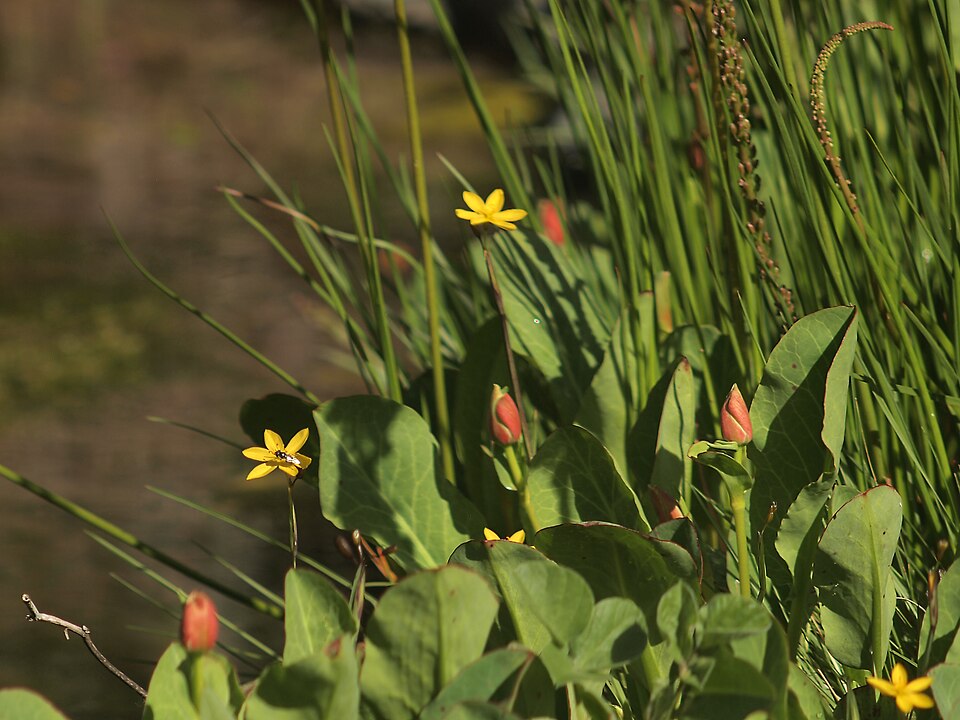
Sisyrinchium californicum, commonly known as Yellow-Eyed Grass, is a delightful and diminutive member of the iris family that brings bright splashes of golden color to moist Pacific Coast meadows and stream edges. Despite its common name, this charming plant is not actually a grass but produces grass-like foliage topped with cheerful yellow flowers that bloom throughout much of the growing season. This California native represents one of the most reliable and long-blooming wildflowers in wetland and meadow habitats, providing both ornamental value and crucial ecological functions in riparian and seasonal wetland ecosystems. Its ability to bloom almost continuously from spring through fall makes it particularly valuable for both wildlife habitat and garden color.
Quick Facts
| Scientific Name | Sisyrinchium californicum |
| Plant Type | Perennial herb |
| Height | 4-16 inches (10-40 cm) |
| Sun Exposure | Full Sun to Part Shade |
| Water Needs | High |
| Soil Type | Moist, well-drained soils |
| Soil pH | 6.0-7.5 (neutral) |
| Bloom Time | April-September |
| Flower Color | Bright yellow, 6-petaled |
| USDA Hardiness Zones | 8-10 |
Identification
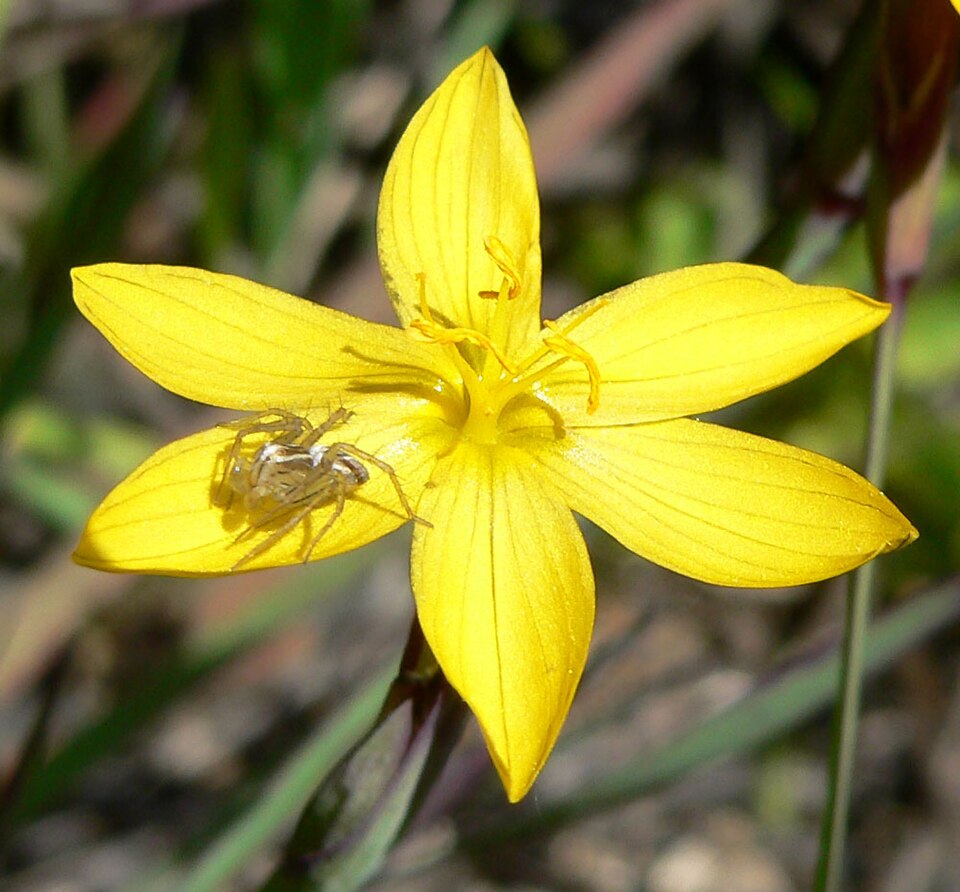
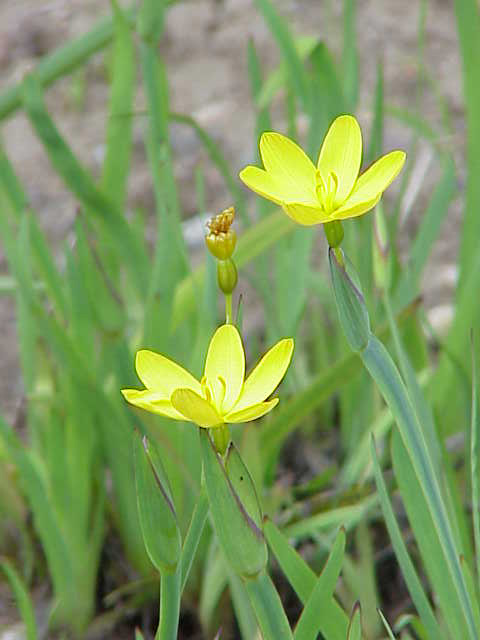
Yellow-Eyed Grass forms small, neat clumps of narrow, grass-like leaves that arise directly from the ground in a fan-like pattern. The leaves are typically blue-green to gray-green and somewhat stiff, growing 4-12 inches tall and about 1/8 to 1/4 inch wide. The most distinctive and delightful feature of this plant is its flowers – bright golden-yellow, star-shaped blooms with six pointed petals that appear on slender stems above the foliage. Each individual flower is relatively small, typically 1/2 to 3/4 inch across, but they are produced in succession throughout the growing season, creating an almost continuous display of color from spring through fall.
Flowers and Blooming Pattern
The flowers of Yellow-Eyed Grass are truly spectacular considering the plant’s modest size. Each flower consists of six bright yellow petals with darker yellow centers and prominent stamens. The flowers open in the morning and typically close by afternoon, but new buds continue to develop throughout the growing season. This succession of bloom makes Yellow-Eyed Grass one of the most reliable sources of color in moist meadow environments.
Growth Habit
The plant grows from short rhizomes and forms slowly expanding colonies over time. Individual plants remain relatively small, but established colonies can create substantial patches of year-round foliage punctuated by bright flowers throughout the growing season. The grass-like foliage provides attractive texture even when the plant is not in bloom.
Distinguishing Features
Yellow-Eyed Grass can be distinguished from true grasses by several key characteristics. Unlike grasses, which are members of the Poaceae family, Yellow-Eyed Grass belongs to the iris family (Iridaceae) and produces distinctive six-petaled flowers. The leaves, while grass-like in appearance, are more rigid and have a slightly different texture than true grass blades. When not in bloom, the plant can be identified by its characteristic fan-like arrangement of leaves emerging from the base and its preference for consistently moist habitats.
The flowers themselves are unmistakable – bright golden-yellow, star-shaped blooms with six pointed petals that typically measure 1/2 to 3/4 inch across. Each flower has six prominent stamens with yellow anthers and a three-parted style. The flowers open in the morning sun and typically close by early to mid-afternoon, though they may remain open longer on cooler, overcast days.
Seed Development and Dispersal
After successful pollination, Yellow-Eyed Grass develops small, three-chambered capsules containing numerous tiny, dark seeds. The capsules split open when mature, releasing seeds that can be dispersed by water, wind, or wildlife. This seed production contributes to the plant’s ability to establish new colonies and maintain genetic diversity within populations.
Native Range
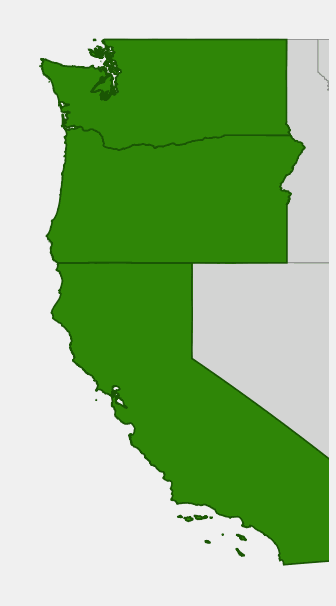
Native range of Yellow-Eyed Grass. USDA (County-Level Data)
Yellow-Eyed Grass is native to coastal California, Oregon, and Washington, where it typically inhabits moist meadows, stream banks, seeps, and the edges of seasonal wetlands. This species demonstrates the beauty and ecological importance of Pacific Coast wetland communities, thriving in areas that remain consistently moist throughout the growing season but may experience some drying in late summer.
Growing & Care Guide
Yellow-Eyed Grass is an excellent choice for gardeners with consistently moist areas, bog gardens, or water features. While it requires specific moisture conditions, it is relatively easy to grow once its basic needs are met and can provide months of continuous color with minimal maintenance.
Moisture Requirements
The most critical requirement for successful cultivation of Yellow-Eyed Grass is consistent moisture. The plant thrives in conditions that remain evenly moist throughout the growing season and cannot tolerate drought or extended dry periods. It is perfect for bog gardens, the edges of ponds or streams, or naturally wet areas in the landscape. The soil should be moist but not waterlogged – good drainage is still important to prevent root rot.
Soil and Site Selection
Choose a location that receives full sun to partial shade, with morning sun being particularly beneficial. The soil should be fertile, humus-rich, and capable of retaining moisture without becoming waterlogged. A slightly acidic to neutral pH (6.0-7.5) is ideal. If planting in a garden setting, consider creating a bog garden or installing drip irrigation to maintain consistent moisture levels.
Planting and Establishment
Plant Yellow-Eyed Grass in spring or fall when temperatures are moderate and natural moisture is more readily available. Space plants 6-8 inches apart if creating a colony effect, or use single specimens as accent plants in moist areas. The plant establishes readily when moisture conditions are appropriate and will begin blooming in its first growing season.
Maintenance
Once established in appropriate conditions, Yellow-Eyed Grass requires minimal maintenance. Remove spent flower stems if desired, though this is not necessary as the plant continues to produce new flowers throughout the season. The plant may self-seed in suitable conditions, gradually creating naturalized colonies. Division can be performed every few years if desired to increase plantings or control spread.
Companion Planting
Yellow-Eyed Grass combines beautifully with other moisture-loving native plants to create authentic wetland plant communities. Excellent companions include native sedges such as Carex obnupta (Slough Sedge) and Carex stipata (Awlfruit Sedge), various native rushes (Juncus species), and other wetland wildflowers like Monkey Flower (Mimulus species) and native irises. These combinations create diverse, ecologically valuable plantings that support a wide range of wildlife.
Seasonal Care
In its native range, Yellow-Eyed Grass experiences distinct wet and dry seasons, with most growth occurring during the cooler, wetter months from fall through spring. During summer, natural populations may experience some dormancy as soil moisture decreases, though cultivated plants with consistent irrigation can continue growing and blooming. In garden settings, maintaining consistent moisture throughout the growing season will produce the best flowering display.
Propagation
Yellow-Eyed Grass can be propagated by seed or division. Seeds should be collected when capsules are fully mature and beginning to split open. Fresh seeds germinate readily when planted in moist, sandy soil. Division of established clumps can be performed in early spring or fall, with each division requiring adequate roots and growing points. The plant’s rhizomatous nature makes division relatively straightforward once clumps are well-established.
Wildlife & Ecological Value
Despite its small size, Yellow-Eyed Grass provides important ecological benefits in wetland and meadow communities. Its long blooming period and nectar production make it particularly valuable for supporting pollinator populations throughout the growing season.
Pollinator Support
The bright yellow flowers attract various small pollinators, including native bees, small butterflies, and beneficial wasps. The nearly continuous blooming habit makes Yellow-Eyed Grass particularly valuable for sustaining pollinator populations when other wildflowers may not be in bloom. Small native bees are frequent visitors and important pollinators for this species.
Seed Production
The small seeds produced by Yellow-Eyed Grass provide food for various small birds and contribute to the plant’s ability to establish in new areas. The seeds are an important component of the seed bank in wetland communities, helping to maintain plant diversity in these critical habitats.
Wetland Functions
As part of wetland plant communities, Yellow-Eyed Grass helps stabilize soil, filter water, and contribute to the overall ecological health of these important ecosystems. The plant’s root system helps prevent erosion along stream banks and in seasonal wetland areas.
Butterfly and Moth Support
Yellow-Eyed Grass supports various butterfly and moth species, both as a nectar source and as a host plant for some specialized species. Small copper butterflies and various skippers are frequent visitors to the bright yellow flowers, while the foliage provides habitat for various moth caterpillars that have evolved to utilize iris family plants. The plant’s long blooming period makes it particularly valuable for supporting late-season butterfly populations when other nectar sources may be scarce.
Aquatic Ecosystem Integration
In its natural wetland habitats, Yellow-Eyed Grass serves important functions in aquatic ecosystem health. The dense root systems help stabilize shorelines and reduce erosion, while the foliage provides cover for small amphibians and aquatic invertebrates. The plant’s ability to tolerate fluctuating water levels makes it valuable for natural water filtration and sediment capture in seasonal wetlands and stream edges.
Rare Species Associations
Yellow-Eyed Grass habitat often supports rare and specialized wetland species that depend on the specific microhabitat conditions created by seasonal wetland communities. These may include specialized invertebrates, amphibians, and other plants that require the unique combination of seasonal flooding, specific soil chemistry, and plant community structure that Yellow-Eyed Grass helps maintain.
📋 Regional plant lists featuring Yellow-Eyed Grass: Western Oregon & Western Washington
Cultural & Historical Uses
While Yellow-Eyed Grass may appear to be a modest wildflower, it holds significant cultural and ecological importance in California’s indigenous traditions and the broader story of Pacific Coast wetland conservation. Members of various California Native American tribes, including the Yurok, Pomo, and Miwok peoples, recognized and utilized plants from seasonal wetland communities like those where Yellow-Eyed Grass thrives.
Indigenous peoples of California developed sophisticated understanding of seasonal wetland ecosystems, recognizing that these habitats provided crucial resources during specific times of year. While Yellow-Eyed Grass itself was not a major food or material source, it served as an indicator species for the health and timing of wetland community cycles. The presence of blooming Yellow-Eyed Grass signaled the optimal times for gathering other wetland resources, including sedge roots, tule shoots, and the seeds of various wetland grasses.
The plant’s association with clean, flowing water made it a valuable indicator of water quality for indigenous communities. Areas where Yellow-Eyed Grass thrived were recognized as sources of clean water and healthy wetland foods. The plant’s sensitivity to water quality changes meant that its presence or absence could indicate environmental changes that might affect other important resources.
In modern ethnobotanical research, Yellow-Eyed Grass and its habitat represent the sophisticated ecological knowledge systems that indigenous peoples developed over thousands of years of observation and interaction with California’s diverse ecosystems. The seasonal wetlands where Yellow-Eyed Grass grows were often managed through controlled burning and other practices that maintained the open, sunny conditions these plant communities require.
Today, Yellow-Eyed Grass serves as an important symbol in wetland conservation efforts throughout California and the Pacific Coast. The dramatic loss of seasonal wetland habitat – estimated at over 95% in California – has made plants like Yellow-Eyed Grass indicators of ecosystem health and targets for restoration efforts. Conservation organizations use the presence of Yellow-Eyed Grass and similar species to identify high-quality wetland remnants worthy of protection.
Modern ecological restoration projects often include Yellow-Eyed Grass as both a goal species and a tool for restoration success. Its relatively easy cultivation, long blooming period, and attractiveness to pollinators make it valuable for restoration projects aimed at recreating functional wetland plant communities. The species is increasingly used in educational programs to teach about the importance of seasonal wetland conservation and the intricate relationships between water, soil, plants, and wildlife in these threatened ecosystems.
Frequently Asked Questions
Is Yellow-Eyed Grass actually a grass?
No, despite its common name, Yellow-Eyed Grass is not a true grass. It belongs to the iris family (Iridaceae) and produces distinctive six-petaled flowers, while true grasses are members of the Poaceae family and have very different flower structures. The “grass” name comes from its narrow, blade-like leaves that resemble grass foliage.
Why do the flowers close in the afternoon?
Yellow-Eyed Grass flowers typically open in the morning and close by afternoon as an adaptation to optimize pollination. Most of their pollinators – including native bees and small butterflies – are most active during the cooler morning hours. Closing during the hot afternoon helps protect the delicate flower parts and conserve moisture.
Can Yellow-Eyed Grass survive drought conditions?
Yellow-Eyed Grass requires consistent moisture and cannot tolerate extended dry periods. In its natural habitat, it grows in areas that remain moist year-round or experience only brief seasonal drying. For cultivation, this means it’s best suited for bog gardens, pond edges, or areas with supplemental irrigation during dry periods.
How do I create suitable growing conditions for Yellow-Eyed Grass?
The key is consistent moisture without waterlogging. Create a bog garden with humus-rich soil that drains slowly, install a drip irrigation system, or plant near a water feature. The soil should remain evenly moist throughout the growing season, similar to the edge of a natural pond or stream.
Will Yellow-Eyed Grass spread and naturalize in my garden?
Yes, under suitable conditions, Yellow-Eyed Grass will gradually spread through underground rhizomes and may also self-seed. This spreading habit allows it to form the attractive colonies seen in nature. However, it spreads slowly and is not considered invasive – the spread can be easily controlled by dividing clumps every few years if desired.

Looking for a nursery that carries Yellow-Eyed Grass?
Browse our native plant nursery directory: Oregon · Washington