Goat’s Beard (Aruncus dioicus)
Aruncus dioicus, commonly known as Goat’s Beard or Bride’s Feathers, is a majestic native perennial that brings dramatic architectural presence and ethereal beauty to shade and woodland gardens. This impressive member of the Rosaceae (rose) family is prized for its towering plumes of creamy white flowers that rise above large, compound leaves, creating a spectacular display that can rival any exotic ornamental in both size and elegance.
Native to moist woodlands, stream banks, and mountain slopes across much of temperate North America, Goat’s Beard is one of the largest and most striking native perennials available to gardeners. The plant forms substantial clumps that can reach 4 to 7 feet tall and equally wide, making it an excellent choice for creating bold focal points in larger garden spaces. Despite its impressive size, the plant has an airy, graceful quality due to its finely divided foliage and feathery flower plumes.
What makes Goat’s Beard particularly valuable in modern gardens is its exceptional shade tolerance combined with its ability to thrive in conditions ranging from full sun to deep shade. This versatility, coupled with its deer resistance, long bloom period, and minimal maintenance requirements, has made it increasingly popular among gardeners seeking reliable native plants that provide significant visual impact throughout the growing season.
Identification
Goat’s Beard is unmistakable when in bloom, with its towering plumes of tiny white flowers creating a dramatic display that can be seen from considerable distance. Even when not flowering, the plant’s large, compound leaves and substantial size make it easy to identify in the garden.
Leaves
The leaves are large, compound, and doubly or triply divided, creating a fine-textured, almost fern-like appearance. Each leaf can be 8 to 20 inches long and equally wide, composed of numerous small leaflets that are oval to lance-shaped with serrated edges. The leaflets are typically 2 to 4 inches long with pointed tips and prominent veining. The overall effect is of delicate, lacy foliage that provides an excellent textural contrast to broader-leafed plants. The leaves emerge bright green in spring, mature to dark green in summer, and often turn yellow to golden-yellow in fall before dropping.
Flowers
The flowers are the plant’s most spectacular feature — massive, feathery plumes that rise 1 to 3 feet above the foliage on sturdy stems. Individual flowers are tiny, creamy white to pure white, with prominent stamens that give the clusters their fluffy, feathery appearance. Male and female flowers are borne on separate plants (dioecious), with male plants typically producing more showy, denser flower clusters, while female plants have slightly more open plumes that later develop small, dry seed capsules. The bloom period extends from late spring through midsummer, typically lasting 4 to 6 weeks.
Stems & Growth Habit
Goat’s Beard forms large, slowly expanding clumps from woody crowns and spreading rhizomes. The stems are sturdy and upright, capable of supporting the heavy flower plumes without staking. Young stems may be reddish or purplish, maturing to green or brown. The plant has a distinctly architectural presence, creating bold vertical elements in the landscape.
Seeds & Fruit
Female plants produce small, dry seed capsules that follow the flowers. While not particularly ornamental, these seed heads can add subtle winter interest if left standing. The seeds are tiny and can self-sow in favorable conditions, though seedlings are typically slow to develop and may take several years to reach flowering size.
Quick Facts
| Scientific Name | Aruncus dioicus |
| Family | Rosaceae (Rose) |
| Plant Type | Herbaceous Perennial |
| Mature Height | 4–7 ft |
| Sun Exposure | Full Sun to Part Shade |
| Water Needs | Moderate |
| Bloom Time | Late Spring to Midsummer |
| Flower Color | Creamy White |
| USDA Hardiness Zones | 3–7 |
Native Range
Goat’s Beard has one of the most extensive native distributions of any North American perennial, occurring naturally across much of the temperate regions of North America from Alaska south to California and Georgia, and from coast to coast in Canada and the northern United States. This remarkably wide distribution reflects the species’ adaptability to diverse climatic and soil conditions.
In its natural habitat, Goat’s Beard typically grows in moist, rich soils in woodland settings, along streams and rivers, in mountain meadows, and on forest edges. The plant is commonly found in deciduous and mixed forests, particularly in areas with reliable moisture and rich, organic soils. It thrives in the dappled light conditions found in forest clearings and along woodland margins, though it can also be found in more open meadows at higher elevations.
The species shows considerable ecological flexibility across its range, growing from sea level to elevations above 8,000 feet in mountainous regions. This adaptability has made it a valuable plant for restoration projects and naturalistic landscaping throughout much of North America, as it can thrive in a wide variety of site conditions while providing consistent garden performance.
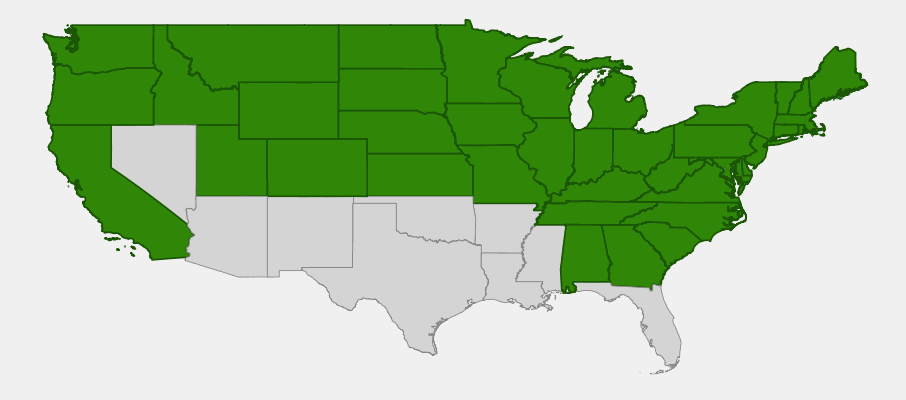
📋 Regional plant lists featuring Goat’s Beard: North Carolina & South Carolina
Growing & Care Guide
Goat’s Beard is among the most reliable and low-maintenance native perennials available, adapting to a wide range of conditions while requiring minimal care once established. Its tolerance for both sun and shade makes it exceptionally versatile in the garden.
Light
One of Goat’s Beard’s greatest strengths is its adaptability to different light conditions. The plant thrives in everything from full sun to deep shade, though its performance varies somewhat with light exposure. In full sun, plants tend to be more compact and produce more abundant flowers, but require consistent moisture to prevent stress. In partial shade, the plant reaches its optimal balance of size, flower production, and ease of care. In deep shade, Goat’s Beard remains attractive but may grow taller and produce fewer flowers while developing a more open, graceful habit.
Soil & Water
Goat’s Beard grows best in moist, well-drained soil rich in organic matter, but it adapts to a wide range of soil types and conditions. Unlike many native plants, it tolerates both acidic and slightly alkaline soils, and can handle everything from sandy loam to clay soils as long as drainage is adequate. The plant performs best with consistent moisture, particularly during hot summer weather, but established plants show good drought tolerance. Mulching around the base helps retain soil moisture and suppress weeds.
Planting Tips
Plant Goat’s Beard in spring or fall, spacing plants 3-4 feet apart to allow for their mature spread. The plant can be slow to establish, often taking 2-3 years to reach full size, but once established it’s extremely long-lived and reliable. Choose the planting site carefully, as mature plants develop extensive root systems and don’t transplant easily. When planting, dig a hole twice as wide as the root ball and amend heavy clay soils with compost to improve drainage.
Pruning & Maintenance
Goat’s Beard requires minimal maintenance once established. Deadhead spent flower stalks if desired, though many gardeners prefer to leave them for winter interest and to allow for self-seeding. Cut the entire plant back to ground level in late fall or early spring before new growth begins. The plant rarely needs division and can remain in the same location for decades. Established clumps are drought-tolerant and rarely need supplemental watering except during extended dry periods.
Landscape Uses
Goat’s Beard’s impressive size and architectural presence make it valuable in many garden settings:
- Woodland gardens — creates dramatic focal points in naturalistic plantings
- Shade gardens — one of the few large perennials that thrives in deep shade
- Rain gardens — excellent for areas with variable moisture
- Stream and pond edges — naturalistic plantings near water features
- Background plantings — provides height and structure to perennial borders
- Wildlife gardens — attracts pollinators and provides habitat
- Cutting gardens — excellent for large floral arrangements
Wildlife & Ecological Value
Goat’s Beard provides significant ecological value, particularly during its extended bloom period when it serves as an important nectar source for a wide variety of beneficial insects and pollinators.
For Birds
While birds don’t typically eat Goat’s Beard seeds, the plant’s large, dense clumps provide excellent cover and nesting sites for ground-nesting birds and small songbirds. The sturdy stems can support bird nests, while the dense foliage offers protection from predators. In winter, the dried seed heads may provide food for small seed-eating birds such as finches.
For Mammals
Goat’s Beard is generally avoided by deer and rabbits due to its somewhat bitter taste and coarse texture, making it valuable for gardens where browsing pressure is high. Small mammals such as chipmunks and mice may seek shelter among the dense clumps, while the extensive root systems provide habitat for various soil-dwelling organisms.
For Pollinators
The massive flower plumes are highly attractive to a wide variety of pollinators, including native bees, honeybees, butterflies, beneficial wasps, and hover flies. The abundant tiny flowers provide easily accessible nectar and pollen over an extended bloom period, making Goat’s Beard particularly valuable for supporting pollinator populations. The plant is especially important for smaller pollinators that can’t access the nectar in larger, tubular flowers.
Ecosystem Role
In natural ecosystems, Goat’s Beard contributes to biodiversity by providing habitat structure and supporting complex food webs. The plant’s extensive root system helps prevent erosion, particularly on slopes and stream banks, while its large leaves contribute significant organic matter to the soil as they decompose. As a long-lived perennial, Goat’s Beard provides consistent habitat that supports stable populations of beneficial organisms.
Cultural & Historical Uses
Goat’s Beard has a long history of use by indigenous peoples across North America, who recognized both its practical and medicinal properties. Various Native American tribes used different parts of the plant for treating ailments ranging from digestive issues to wounds and skin conditions. The Cherokee, in particular, used root preparations for treating kidney problems and as a general tonic, while other tribes used leaf poultices for treating cuts and sores.
European settlers quickly adopted Native American uses for Goat’s Beard and incorporated the plant into their folk medicine practices. The roots were commonly used to make teas and tinctures for treating various ailments, and the plant gained a reputation as a reliable herbal remedy. However, modern medical research has not extensively studied these traditional uses, and the plant should not be used medicinally without proper guidance.
In the horticultural world, Goat’s Beard gained attention relatively late compared to many other native plants. While it was known to early botanists, it wasn’t widely cultivated until the 20th century when interest in native plants and naturalistic gardening began to grow. The plant’s impressive size and reliability quickly made it popular among landscape designers working with large-scale naturalistic plantings.
Today, Goat’s Beard is increasingly valued not only for its ornamental qualities but also for its ecological benefits and low maintenance requirements. It has become a staple plant in sustainable landscaping, rain gardens, and habitat restoration projects, where its ability to thrive in diverse conditions while supporting wildlife makes it particularly valuable.
Frequently Asked Questions
How long does it take for Goat’s Beard to reach full size?
Goat’s Beard is typically slow to establish, taking 3-5 years to reach its full mature size of 4-7 feet tall and wide. Young plants may produce only small flower clusters in their first year or two, but once established, they become increasingly impressive with age.
Can Goat’s Beard be divided?
While technically possible, Goat’s Beard rarely needs division and can be difficult to divide successfully due to its extensive, woody root system. The plant is long-lived and can remain in the same location for decades without declining. If division is necessary, it’s best done in early spring with a sharp spade, and divisions may take a year or more to recover.
Will Goat’s Beard grow in full shade?
Yes, Goat’s Beard is one of the few large perennials that thrives in deep shade. In full shade, plants may grow taller and have a more open habit, with slightly fewer flowers, but they remain attractive and healthy. The foliage texture and size make it valuable even when flowering is reduced.
Is Goat’s Beard invasive or aggressive?
No, Goat’s Beard is not considered invasive. While it can self-seed in favorable conditions, seedlings grow slowly and are easy to manage. The parent plant expands gradually through short rhizomes but is not aggressive and won’t overwhelm other plants in mixed plantings.
Can I grow Goat’s Beard in containers?
While possible, Goat’s Beard’s large mature size makes it impractical for most container situations. The plant develops extensive root systems and requires significant space to reach its full potential. It’s much better suited to in-ground plantings where it can develop its characteristic impressive stature.

Looking for a nursery that carries Goat’s Beard?
Browse our native plant nursery directory: North Carolina · South Carolina