
When to Plant Sassafras in New York Best Seasonal Guide for Successful Growth
Last updated: August 22, 2026
Sassafras albidum, a native deciduous tree, pops up all over New York’s forests. People love it for its spicy aroma and those wild fall colors.
Getting the timing right for planting sassafras really matters if you want it to thrive.
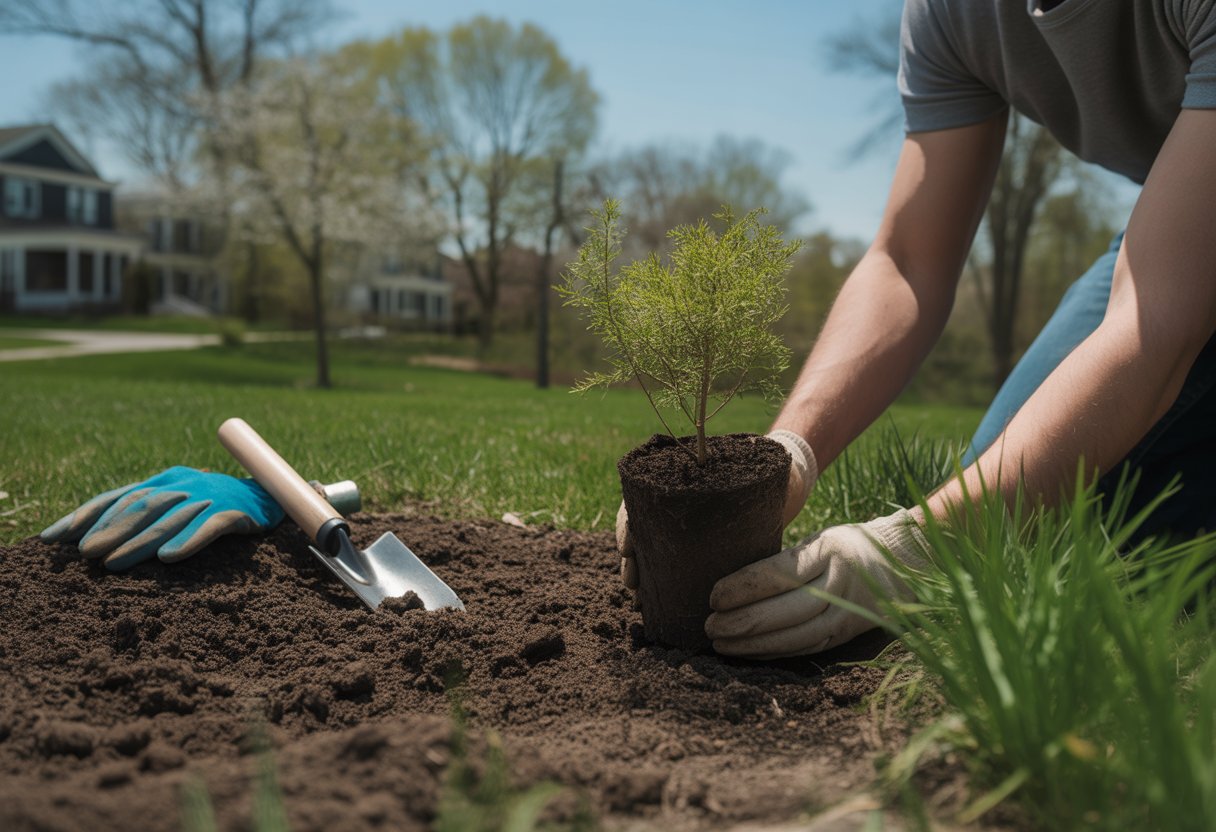
You’ll get the best results planting sassafras in New York in early spring after the last frost or in early fall, once things cool down but before the ground freezes. These windows give the tree a shot at building roots before tough weather hits.
Because sassafras is a native tree, it usually settles in well to local soils and climate—assuming you plant at the right time.
Best Time to Plant Sassafras in New York
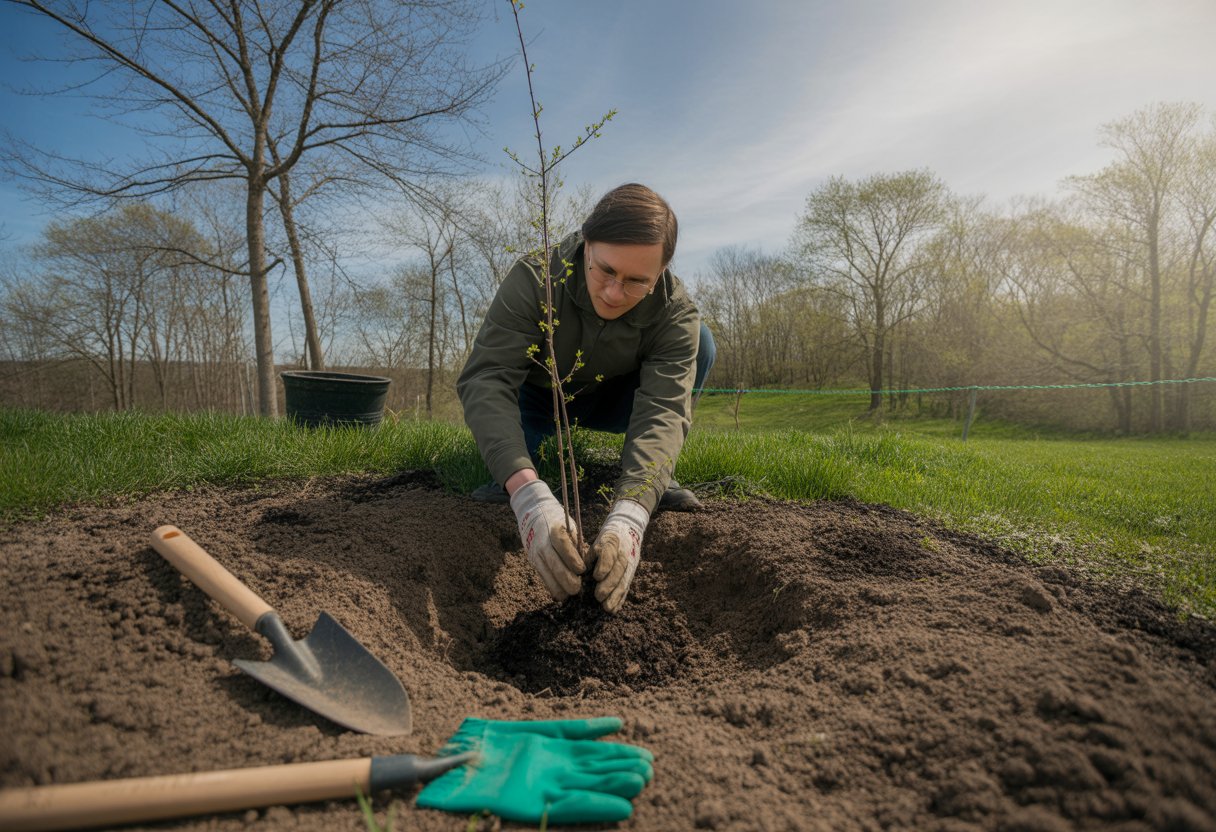
Planting at the right moment gives sassafras its best shot at solid growth. It’s worth thinking about climate, soil, and your specific region to match where sassafras naturally grows.
Optimal Planting Months
In New York, aim for early spring—late March to mid-May. This lets the roots settle in before summer heat turns up.
You can also plant in the fall, from late September to early November, but make sure the soil’s still warm enough for roots to get started. Don’t bother planting when it’s freezing or blazing hot; that’s just asking for trouble.
Young sassafras trees like sandy soil that drains well. If you’re stuck with clay, prepping the soil first helps a ton.
New York Hardiness Zones
Sassafras handles USDA zones 4 to 8, which covers almost all of New York. Up north, you’re in zones 4 and 5; down south, it’s usually 6 or 7.
Hardiness zones basically tell you if sassafras can survive the winter. In chillier spots, get your tree in the ground earlier in spring to dodge frost damage.
Knowing your zone helps you pick the best planting window, especially if you’re in a city or suburb where microclimates can mess with the rules.
Seasonal Weather Considerations
Spring in New York is a mixed bag—warm days, surprise frosts. Wait until after the last expected frost before planting.
Sassafras likes steady moisture but hates soggy roots. Spring rains help, and sandy soil drains off extra water.
Summer can stress young trees with heat and drought. Watering and mulching during dry spells makes a big difference. Fall planting gives you cooler temps, but you risk an early frost before the roots settle.
Site Selection and Ideal Growing Conditions
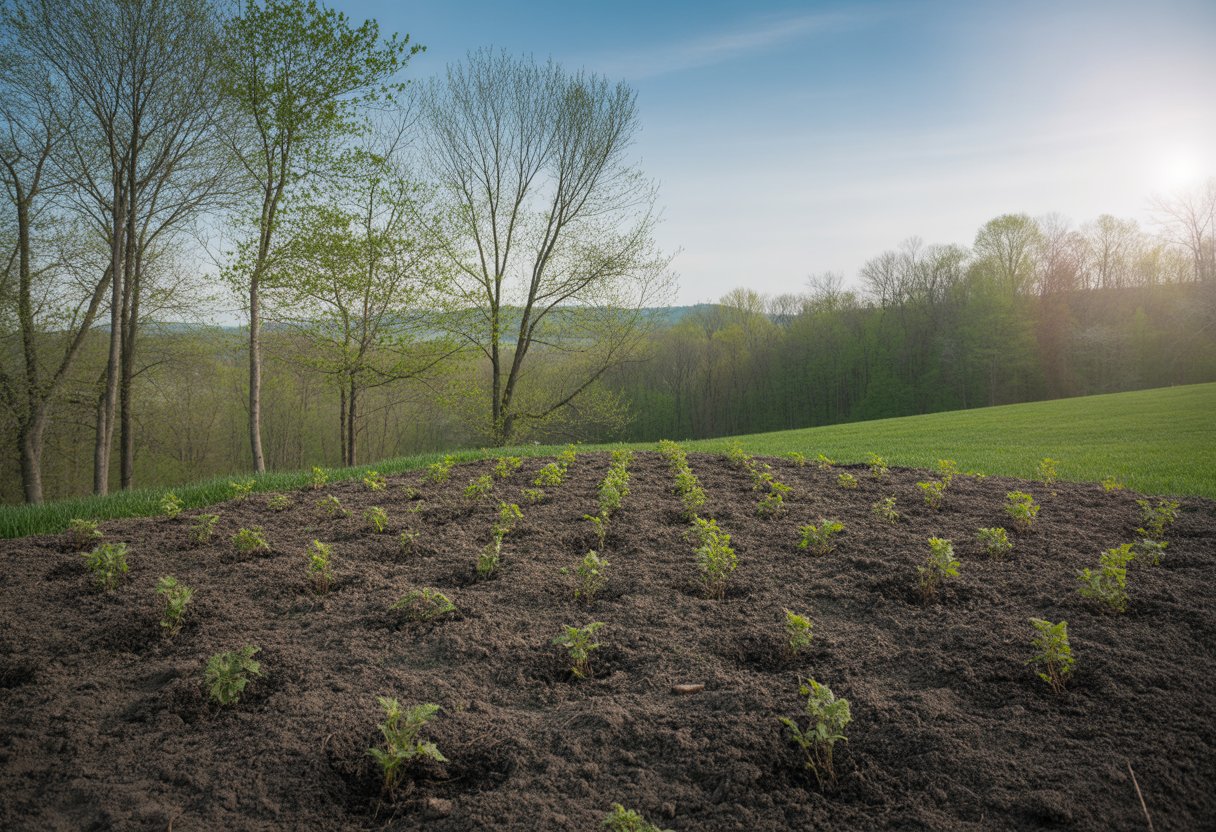
Sassafras does best where sun, soil, and water all play nicely together. Pick a spot that gives it what it needs, or you’ll be fighting an uphill battle.
Sunlight and Shade Requirements
Sassafras likes full sun to partial shade. Shoot for at least 4-6 hours of direct sun each day.
Too much shade stunts growth and shrinks the leaves. On the flip side, partial shade, especially in the afternoon, can help young trees avoid getting scorched.
If you can, plant where morning sun hits and afternoon shade offers a break. That’s usually a sweet spot.
Soil Type and pH
Go for well-drained soil. Sandy loam is best, but sassafras will tolerate clay if it drains well.
Ideal pH is 5.5 to 6.5—a little on the acidic side. If your soil is way off, nutrients get locked up and growth slows.
Heavy, soggy soils can rot roots. Mixing in organic matter helps drainage and gives roots more room to grow.
Watering Schedule
Once sassafras settles in, it handles drought pretty well. But for the first couple of years, it needs regular moisture.
Water deeply once or twice a week, depending on rain and soil. Let the top inch dry out between waterings.
Don’t drown it—overwatering leads to root rot. Mulch helps keep moisture in and keeps the soil temperature steady, so you don’t have to water as often.
Sassafras Care and Maintenance
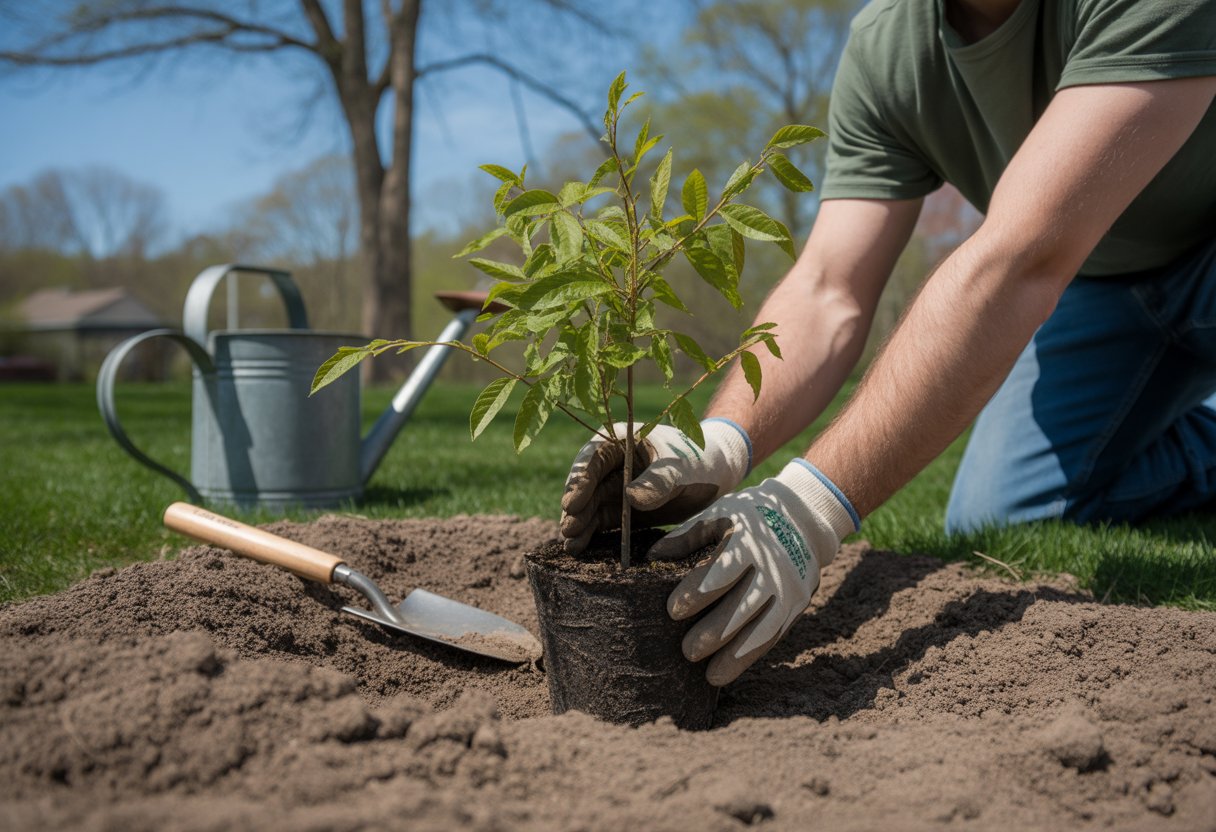
Sassafras needs a little attention to stay happy and keep its unique character. It’s not a high-maintenance tree, but a few basics go a long way.
Mulching and Pruning
Spread mulch around the base, about 2–3 inches deep, using shredded bark or leaves. Don’t pile it against the trunk—leave some space to avoid rot.
Prune in late winter or early spring, before new growth shows up. Cut out dead or damaged branches right away. Light pruning boosts airflow and helps prevent saprole, a fungus that can kill branches.
Sassafras handles selective pruning better than heavy cuts. Skip pruning when sap’s running high, or you’ll attract pests like the sassafras borer.
Common Pests and Problems
Japanese beetles love sassafras leaves and can weaken the tree. Deer and woodchucks might nibble young shoots, setting back growth.
The sassafras borer tunnels under bark and can really mess things up. Watch for small holes and sawdust-like frass to catch them early.
Sassafras shrugs off most diseases but can get fungal infections like saprole if things stay damp. Good pruning and mulching help keep fungus away. Sassafras oil has carcinogens, but you’re not at risk if you handle the tree normally in the garden.
Wildlife and Ecological Role
Sassafras feeds and shelters a bunch of wildlife. It’s a host plant for spicebush swallowtail butterflies—pretty neat, right?
In some places, marsh rabbits and black bears chew on bark and roots. Birds and butterflies flock to the aromatic leaves and seeds.
The tree’s berries feed wildlife and help spread seeds. Sassafras supports pollinators and herbivores, keeping local ecosystems humming along.
Sassafras Varieties and Key Botanical Features
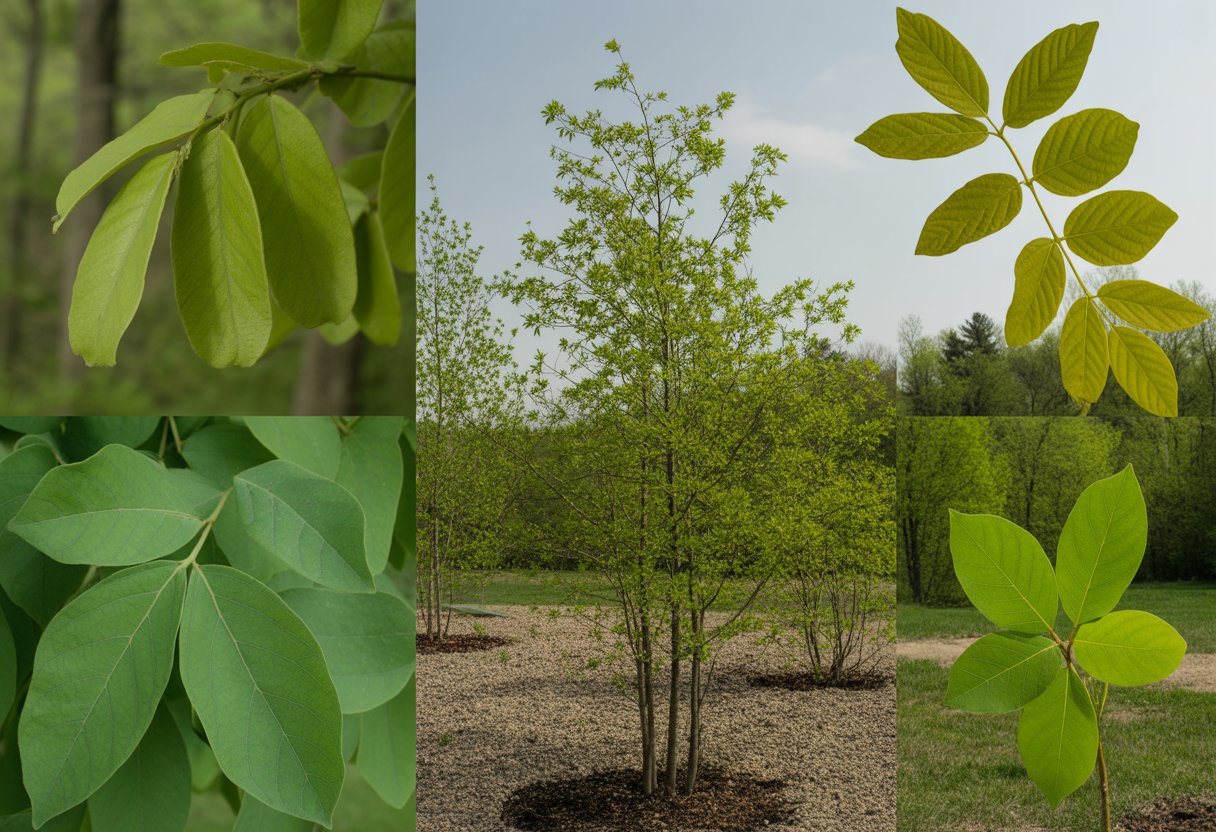
Sassafras albidum, also called common or white sassafras, stands out for its quirky leaves and seasonal habits. It’s part of the Lauraceae family and brings a lot of personality to the landscape.
Notable Traits and Lifespan
This tree usually grows 30 to 60 feet tall—sometimes bigger if it’s lucky. Under good conditions, it can live over 80 years. Young shoots have reddish-brown bark and obvious red stalks.
Sassafras is dioecious, so male and female flowers grow on separate trees. That affects fruit and seed production. It’s well-suited to the eastern U.S., including New York.
People call it the “mitten tree” because its leaves look like mittens, gloves, or plain ovals. The tree can resprout after fires, which is pretty cool for forest recovery.
Flowers, Leaves, and Berries
In early spring, small yellow flowers show up before the leaves. Male and female flowers are different, and both matter for pollination.
You’ll spot three leaf types: unlobed ovals, two-lobed mittens, and three-lobed forms. Crush a leaf and you’ll get that spicy scent.
By late summer, blue-black berries appear on female trees, attracting birds that help spread seeds. You’ll need both male and female trees for berries to show up.
Taxonomy and Distribution Info
Sassafras albidum sits in Lauraceae, that big family of aromatic trees and shrubs. You’ll find it native to eastern North America, and it pops up all over New York state.
There aren’t any officially recognized subspecies, like “red sassafras.” Still, you might spot some local quirks—leaf colors can shift, and sometimes the stalks look a little redder.
This species likes well-drained soils. It usually hangs out in mixed forests or just along the roadside, not too picky but definitely has its preferences.
Climate and soil type set some limits on where it grows, but it does well in USDA zones 4 through 9. If you’re thinking about planting or conserving it in New York, it helps to know what this tree actually wants.
My kids are getting interested in gardening which is awesome. We’re starting small.
Thanks Ruth! Let us know how it goes. -Plant Native Team
Not bad. I’d add that soil prep matters way more than most people think.
You’re right that soil prep is crucial — we should probably expand on that. Thanks for the feedback! -Plant Native Team