Witherod Viburnum (Viburnum cassinoides)
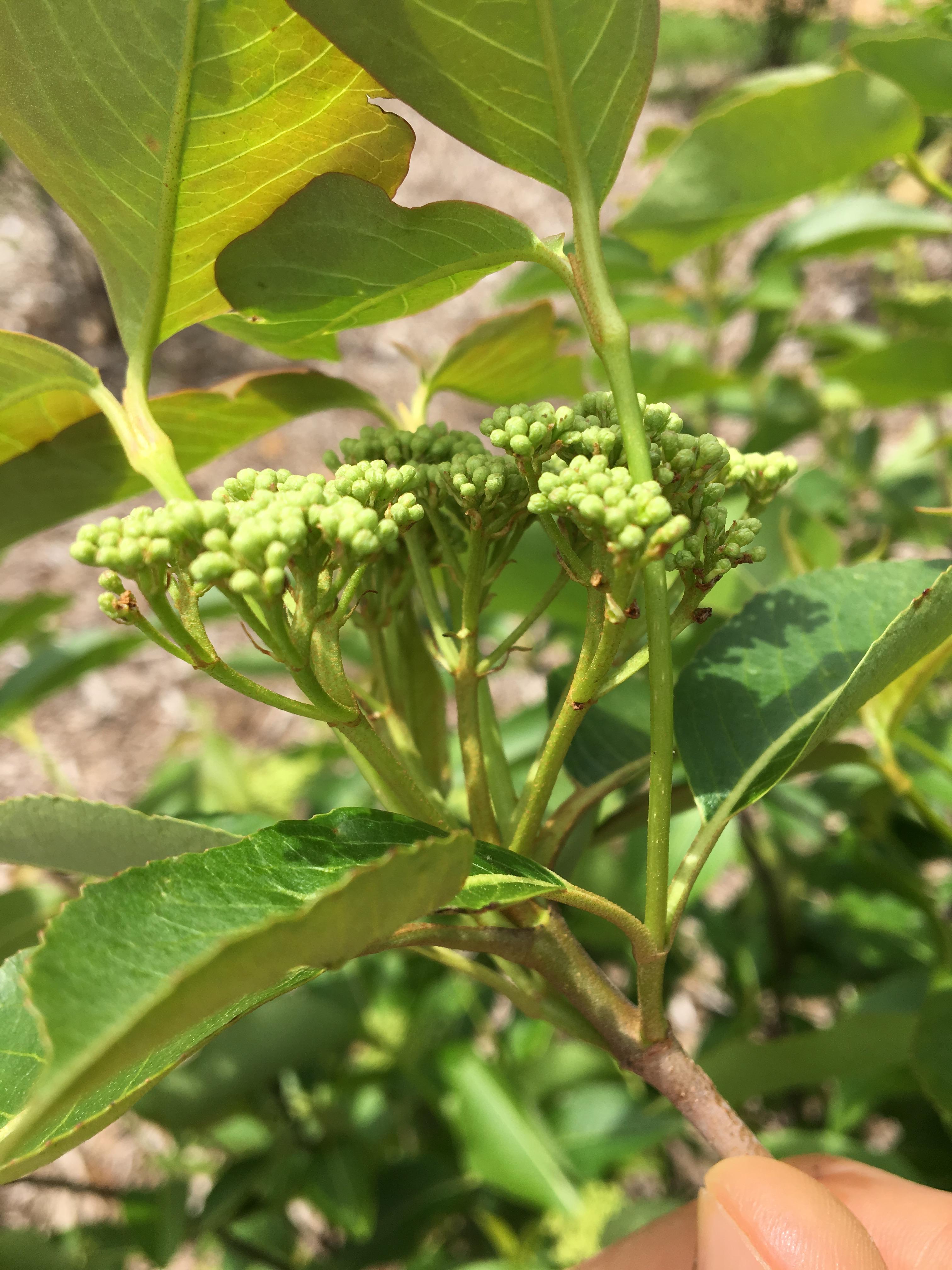
Viburnum cassinoides, commonly known as Witherod Viburnum, Wild Raisin, or Appalachian Tea, is a versatile native deciduous shrub that brings year-round interest and exceptional wildlife value to gardens throughout the eastern United States. This member of the Adoxaceae family (formerly Caprifoliaceae) typically grows 5 to 6 feet tall and wide, forming an upright, rounded crown with multiple stems arising from the base. The species is renowned for its spectacular progression of fruit colors — from green to pink to red to blue to black — often with multiple colors present simultaneously, creating one of the most striking berry displays among North American shrubs.
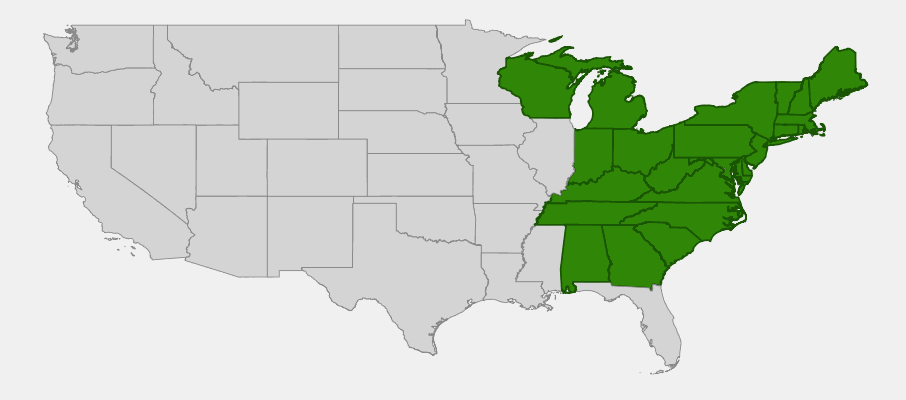
Native to wetlands, stream corridors, and moist woods from Canada south to Alabama and west to Minnesota, Witherod Viburnum adapts remarkably well to diverse garden conditions despite its wetland origins. The shrub produces flat-topped clusters of small, creamy-white flowers in early summer, followed by the famous multi-colored berry display that persists well into fall. The simple, opposite leaves turn attractive shades of yellow, orange, and reddish-purple in autumn, extending the plant’s seasonal interest beyond its remarkable fruit display.
Beyond its ornamental qualities, Witherod Viburnum serves crucial ecological functions as a native pollinator plant and wildlife food source. The flowers attract numerous beneficial insects, while the berries provide important nutrition for over 40 species of birds during late summer and fall migration periods. Its ability to thrive in both wet and moderately dry soils, combined with tolerance for full sun to full shade conditions, makes it one of the most adaptable native shrubs for diverse landscape situations. This remarkable combination of beauty, ecological value, and adaptability has made Witherod Viburnum increasingly popular among gardeners seeking sustainable, low-maintenance native plants that support local wildlife.
Identification
Witherod Viburnum is distinguishable from other viburnums and native shrubs by several key characteristics that remain consistent throughout its range.
Growth Form & Habit
Witherod Viburnum typically grows as a multi-stemmed deciduous shrub reaching 5 to 6 feet in height and width, though exceptional specimens in ideal conditions can reach 8-10 feet tall. The growth habit is upright and somewhat rounded, with numerous stems arising from the base to form a dense, well-branched structure. The stems are slender but strong, often developing a slightly zigzag pattern. Young stems are reddish-brown and may have small, light-colored lenticels (breathing pores), while older bark becomes grayish-brown with a somewhat scaly texture.
Leaves
The leaves are simple, opposite, and deciduous, measuring 2 to 4 inches long and 1 to 2.5 inches wide. They are elliptical to ovate with pointed tips and entire or finely serrated margins — this entire margin characteristic helps distinguish Witherod from some other viburnums that have more prominently toothed leaves. The upper surface is dark green and somewhat lustrous, while the underside is paler with fine hairs, particularly along the veins. The leaves have prominent venation with 6-10 pairs of parallel lateral veins. Fall foliage provides attractive yellow to orange to reddish-purple colors, often with multiple colors on the same plant.
Flowers
The flowers appear in late spring to early summer (typically May through July, depending on latitude) in flat-topped to slightly rounded clusters called cymes. These flower heads are 2 to 4 inches across and contain numerous small individual flowers, each about ¼ inch diameter with five white to creamy-white petals. All flowers in the cluster are fertile (unlike some ornamental viburnums with sterile outer flowers), and they produce a pleasant, subtle fragrance. The flowers are perfect (having both male and female parts) and are primarily insect-pollinated.
Fruit
The fruit of Witherod Viburnum is its most distinctive feature and the source of one of its common names, “Wild Raisin.” The berries are small drupes, about ¼ to ⅜ inch long, that undergo a remarkable color progression as they ripen. They begin green, then turn pink, red, blue, and finally blue-black to black when fully mature. This color progression doesn’t happen uniformly across the cluster, so a single fruit head often displays berries of green, pink, red, blue, and black simultaneously — creating one of the most spectacular fruit displays in the North American flora. The berries persist well into fall and are eagerly consumed by birds.
Quick Facts
| Scientific Name | Viburnum cassinoides |
| Family | Adoxaceae (Moschatel) |
| Plant Type | Deciduous Shrub |
| Mature Height | 5–6 ft |
| Sun Exposure | Full Sun to Full Shade |
| Water Needs | Moderate to High |
| Bloom Time | May – July |
| Flower Color | White to creamy-white |
| USDA Hardiness Zones | 3–8 |
Native Range
Witherod Viburnum has an extensive native range across eastern North America, extending from Newfoundland and Nova Scotia south through New England and the Appalachian Mountains to northern Georgia and Alabama, and west through the Great Lakes region to southeastern Saskatchewan, Minnesota, and northern Wisconsin. The species also occurs in scattered locations in the northern Rocky Mountains. This broad distribution reflects the plant’s remarkable adaptability to diverse climatic and environmental conditions.
Throughout its range, Witherod Viburnum typically inhabits moist to wet soils in a variety of settings including stream banks, lakeshores, bog margins, wet meadows, and the edges of swamps and marshes. However, it also occurs in upland situations including moist woods, forest clearings, and mountain slopes where soils remain reasonably moist. The species is particularly common in the transition zones between wetland and upland habitats, where it often forms dense colonies that provide important wildlife habitat and erosion control.
In northern portions of its range, Witherod Viburnum is often found growing alongside other cold-hardy shrubs such as Gray Dogwood, Elderberry, and various willows. In southern areas, it associates with plants like Spicebush, Ninebark, and other moisture-loving species. The plant’s tolerance for both acidic bog conditions and more neutral soils makes it a valuable component of diverse plant communities throughout its extensive range.
📋 Regional plant lists featuring Witherod Viburnum: North Carolina & South Carolina
Growing & Care Guide
Witherod Viburnum is among the most adaptable and forgiving native shrubs, capable of thriving in diverse conditions while providing exceptional ornamental and ecological value with minimal maintenance requirements.
Light
One of Witherod Viburnum’s greatest assets is its remarkable tolerance for varying light conditions. The species performs well in everything from full sun to full shade, making it extremely versatile for different garden situations. In full sun, plants tend to be more compact and produce heavier flower and fruit displays, while in shade they develop a more open, graceful form. Plants in partial shade often represent the best compromise, producing good flowers and fruit while maintaining attractive form. This light adaptability makes Witherod Viburnum excellent for woodland gardens, forest edges, and areas with changing light conditions due to seasonal canopy changes.
Soil & Water
Witherod Viburnum demonstrates impressive soil adaptability, though it performs best in moist, well-drained to somewhat poorly drained soils. The species tolerates clay, loam, and sandy soils with pH ranges from quite acidic (4.5) to slightly alkaline (7.5). While it naturally occurs in consistently moist to wet conditions, established plants show good drought tolerance and can adapt to drier garden soils. The plant is particularly valuable for sites that experience seasonal moisture fluctuations — wet in spring, drier in summer — as it handles both extremes well. For optimal performance, provide consistent moisture during the establishment period and during extended dry spells.
Planting Tips
Plant Witherod Viburnum in spring or fall when temperatures are moderate and moisture is typically more abundant. Space plants 5 to 8 feet apart for individual specimens, or 4 to 6 feet apart if creating a naturalistic screen or mass planting. The species establishes relatively quickly and begins producing flowers and fruit within 2-3 years of planting. When planting in rain gardens or bioswales, position plants where they can receive the benefits of collected water while ensuring crowns remain above standing water levels.
Pruning & Maintenance
Witherod Viburnum requires minimal pruning under normal circumstances and is best left to develop its natural form. If pruning is necessary, do it immediately after flowering to avoid removing developing fruit clusters. The plant responds well to renewal pruning — cutting back to 6-12 inches above ground level in late winter — and will regrow vigorously with improved form and flowering. Remove dead, damaged, or crossing branches as needed. Avoid over-fertilizing, as this can reduce flowering and fruiting while promoting excessive vegetative growth.
Landscape Uses
The versatility of Witherod Viburnum makes it suitable for numerous landscape applications:
- Mixed shrub borders — excellent backdrop plant with multi-season interest
- Wildlife gardens — outstanding bird and pollinator plant
- Rain gardens and bioswales — tolerates periodic flooding
- Woodland gardens — thrives in partial to full shade
- Naturalistic plantings and native plant gardens
- Erosion control on slopes and stream banks
- Four-season gardens — flowers, fruit, fall color, winter form
- Foundation plantings — appropriate scale for residential use
Wildlife & Ecological Value
Witherod Viburnum provides exceptional wildlife value and serves as a keystone species in many ecosystems, supporting diverse wildlife communities throughout multiple seasons.
For Birds
The berries of Witherod Viburnum are consumed by over 40 species of birds, making it one of the most important native fruit sources in eastern North America. Major consumers include American Robin, Cedar Waxwing, Eastern Bluebird, Gray Catbird, Northern Cardinal, Various Thrushes (Hermit, Wood, Swainson’s), Rose-breasted Grosbeak, and numerous warbler species during fall migration. The extended fruiting period — with berries available from late summer through fall and into early winter — provides crucial nutrition during migration and winter survival periods. The dense branching structure also provides excellent nesting habitat for many songbird species.
For Pollinators
The abundant flowers attract a diverse array of pollinators during the early summer blooming period. Native bees including mining bees, sweat bees, and leafcutter bees are frequent visitors, along with honeybees, bumblebees, and various beneficial wasps. The flowers also attract butterflies and moths, including various skippers and smaller butterflies. The relatively long blooming period (4-6 weeks in most locations) provides a reliable nectar source during early summer when many spring flowers have finished blooming.
For Other Wildlife
Small mammals including chipmunks, squirrels, and various mice consume the berries, helping with seed dispersal. The dense growth provides cover for small mammals and ground-nesting birds. White-tailed deer occasionally browse the foliage, though the plant is not heavily preferred. Various moth and butterfly larvae use Viburnum species as host plants, including the Hummingbird Clearwing moth.
Ecosystem Services
Witherod Viburnum provides important ecosystem services including erosion control through its extensive root system, water quality improvement through nutrient uptake in riparian settings, and soil stabilization in wetland transition zones. The plant contributes to biodiversity by supporting numerous insect species, which in turn support bird populations and other wildlife. Its ability to thrive in both disturbed and pristine habitats makes it valuable for restoration projects and habitat creation.
Cultural & Historical Uses
Witherod Viburnum has a rich history of human use, particularly among Indigenous peoples of eastern North America who utilized various parts of the plant for food, medicine, and practical purposes. The common name “Wild Raisin” reflects one of the most widespread traditional uses — the ripe berries were eaten fresh or dried for winter storage. When properly ripened (blue-black stage), the berries are sweet and palatable, though earlier stages can be quite astringent. Various tribes throughout the plant’s range collected and processed the berries, often mixing them with other fruits or using them to flavor traditional foods.
The inner bark of young stems was used medicinally by several Indigenous groups. The Ojibwe used bark preparations to treat various ailments, while other tribes employed it for different medicinal purposes. European settlers adopted some of these uses and gave the plant the name “Appalachian Tea” because the bark was sometimes used to prepare a medicinal beverage. However, it’s important to note that modern knowledge about the plant’s medicinal properties is limited, and historical uses should not be attempted without proper expertise.
The strong, flexible young stems found practical applications in basket making and as handles for various tools and implements. The wood, while not commercially important due to the plant’s shrubby nature, was occasionally used for small carved items or craft projects. European settlers also discovered that the berries could be used to make jellies and preserves when properly processed, though this required careful selection of fully ripe fruit.
In modern horticulture, Witherod Viburnum has gained recognition as an outstanding native ornamental plant. While it was occasionally transplanted to gardens in the 19th and early 20th centuries, widespread horticultural use didn’t begin until the native plant movement gained momentum in the latter half of the 20th century. Today, several cultivars have been selected for improved ornamental characteristics, including more compact forms and enhanced fruit production.
The species has also found applications in modern ecological restoration and green infrastructure projects. Its tolerance for varying moisture conditions, ability to stabilize soil, and exceptional wildlife value make it a preferred choice for stream bank restoration, constructed wetlands, and urban stormwater management projects. Research has documented its effectiveness in bioretention systems and rain gardens, where it helps remove pollutants from stormwater runoff while providing habitat and aesthetic value.
Frequently Asked Questions
Are the berries of Witherod Viburnum edible for humans?
Yes, the fully ripe berries (blue-black stage) are edible and were traditionally used by Indigenous peoples. However, berries in earlier color stages can be quite astringent and unpalatable. Only fully ripe berries should be consumed, and even then they’re better cooked or processed rather than eaten fresh. Many people find the raw berries have an unusual flavor that’s an acquired taste.
Why do the berries change colors, and how long does the display last?
The color progression from green to pink to red to blue to black occurs as the berries mature and their chemical composition changes. This process typically takes place over 4-8 weeks in late summer and early fall. The spectacular multi-colored display occurs because berries within the same cluster ripen at different rates, creating the famous “rainbow berry” effect that can persist for several weeks.
How can I tell Witherod Viburnum from other native viburnums?
Witherod can be distinguished by its smooth-margined or very finely serrated leaves (most other viburnums have more prominently toothed leaves), its multi-colored berry progression, and its preference for moist soils. The flat-topped flower clusters and the distinctive berry color sequence are the most reliable identification features.
Will Witherod Viburnum grow in dry soils?
While Witherod naturally occurs in moist to wet soils, established plants show good drought tolerance and can adapt to moderately dry garden conditions. However, they perform best and produce better flower and fruit displays with consistent moisture. In dry sites, provide supplemental watering during extended dry periods, especially during the first few years after planting.
When is the best time to see the berries at their most colorful?
The peak berry display typically occurs in late August through September, though timing varies with latitude and local growing conditions. The display is most spectacular when you can see green, pink, red, blue, and black berries all present on the same cluster. The show continues into fall until birds consume most of the berries or they drop naturally.

Looking for a nursery that carries Witherod Viburnum?
Browse our native plant nursery directory: North Carolina · South Carolina