Smooth Aster (Aster laevis)
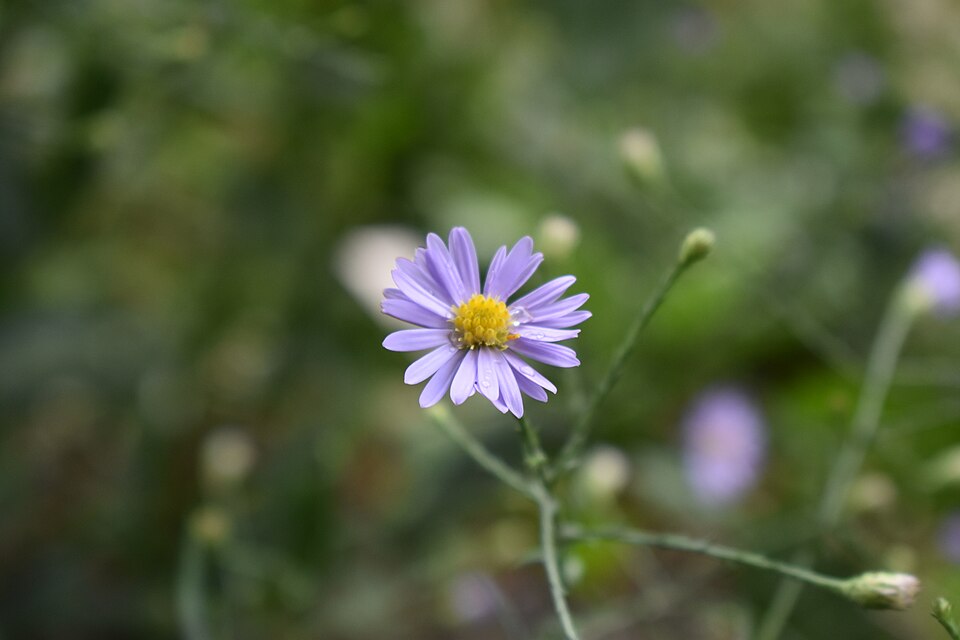
Aster laevis, commonly known as Smooth Aster, is one of the most distinctive and reliable late-season wildflowers of the Great Plains and eastern prairies. This hardy perennial member of the Asteraceae family earns its common name from its notably smooth, waxy stems and leaves that lack the hairiness found on many other aster species. With its striking purple-blue flowers that bloom from late summer through fall, Smooth Aster provides crucial late-season nectar when few other native plants are flowering, making it invaluable for migrating monarch butterflies and other pollinators preparing for winter.
Growing 2 to 4 feet tall with a sturdy, upright habit, Smooth Aster forms robust clumps over time through underground rhizomes, creating impressive displays when naturalized in prairies, meadows, or restored grasslands. Its lance-shaped leaves are distinctive for their smooth texture and blue-green color, often with a waxy coating that helps the plant conserve moisture during dry periods. The flowers, arranged in loose, open clusters at the top of each stem, feature numerous small purple-blue blooms with bright yellow centers that attract an exceptional diversity of late-season pollinators.
Native across much of the northern Great Plains and extending eastward through the upper Midwest, Smooth Aster is perfectly adapted to the challenging conditions of prairie landscapes — drought, harsh winters, and poor soils. Its deep taproot and rhizomatous growth make it an excellent choice for restoration projects, rain gardens, and low-maintenance native landscapes throughout its range. The species also provides important late-season wildlife habitat, with its seeds feeding numerous bird species and its sturdy stems providing overwintering shelter for beneficial insects.
Identification
Smooth Aster is a robust perennial herb that typically grows 2 to 4 feet tall, occasionally reaching 5 feet in ideal conditions. The plant forms substantial clumps through underground rhizomes, with multiple stems arising from the base to create dense colonies over time. The most distinctive feature that gives this aster its common name is the completely smooth, hairless stems and leaves — unusual among the many aster species that tend to be hairy or rough to the touch.
Stems & Leaves
The stems are sturdy, upright, and notably smooth with a waxy or glaucous appearance, often with a bluish or purplish tinge. The leaves are alternate, lance-shaped to linear, and 2 to 5 inches long. They are clasping — meaning they wrap partly around the stem at their base — and have smooth margins without teeth. The leaves have a distinctive blue-green color and waxy coating that gives them a somewhat succulent appearance and helps the plant retain moisture during dry periods.
Flowers
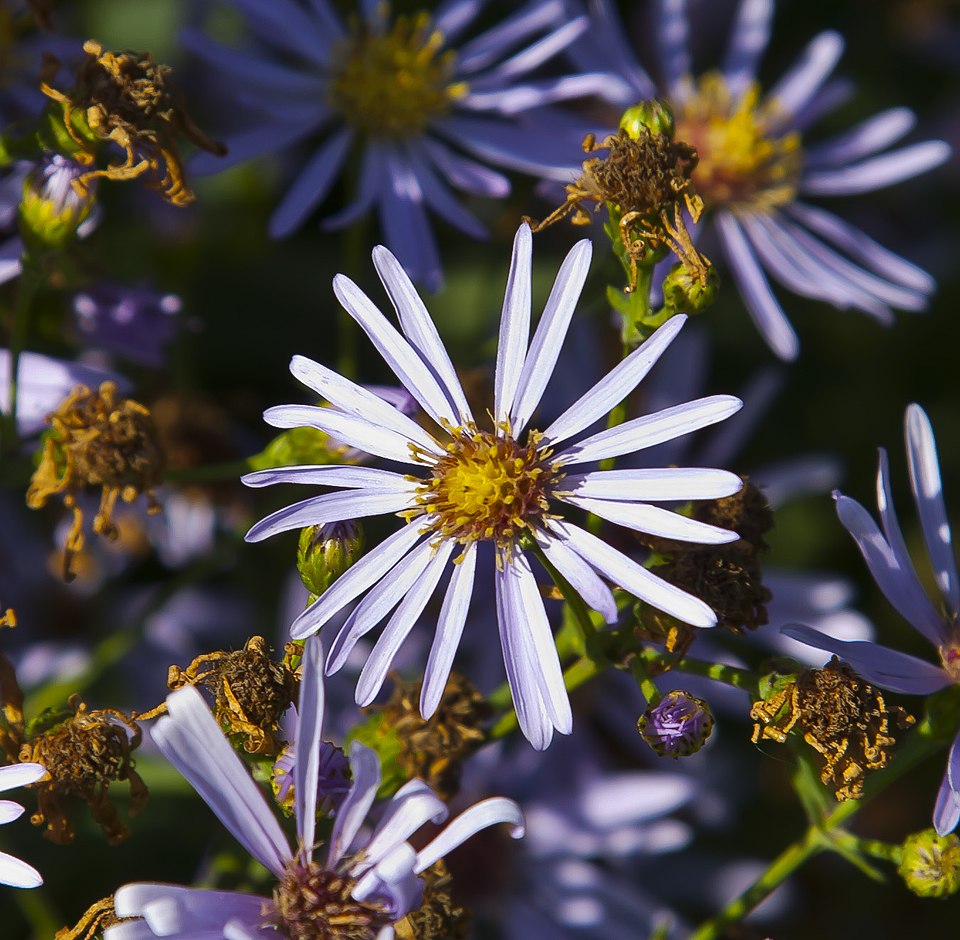
The flower heads appear in loose, open, branching clusters (corymbs) at the top of the plant from late August through October. Each individual flower head is about ¾ to 1 inch across, with 15 to 20 narrow purple-blue to violet ray petals (technically ray florets) surrounding a bright yellow center disk. The ray petals are typically ½ to ¾ inch long and have a slight curve. The yellow center consists of numerous tiny disk florets that mature from the outside in, creating a changing pattern of color as the flowers age.
Seeds & Fruit
The seeds (technically cypsela) are small, brown, and topped with white to tan fluffy bristles (pappus) that help with wind dispersal. Seeds ripen in late fall and are an important food source for goldfinches, siskins, and other seed-eating birds. The fluffy seed heads persist into winter, adding textural interest to the landscape and continuing to provide food for wildlife.
Quick Facts
| Scientific Name | Aster laevis |
| Family | Asteraceae (Aster) |
| Plant Type | Perennial Wildflower |
| Mature Height | 2–4 ft |
| Sun Exposure | Full Sun to Part Shade |
| Water Needs | Moderate |
| Bloom Time | August – October |
| Flower Color | Purple-blue to violet |
| USDA Hardiness Zones | 3–8 |
Native Range
Smooth Aster is native to a broad swath of North America, extending from the Great Plains eastward through much of the upper Midwest and into parts of the Northeast. Its range includes the northern Great Plains states of North Dakota, South Dakota, Minnesota, and extends south through Nebraska, Kansas, Iowa, Missouri, and parts of Oklahoma and Texas. Eastward, it occurs through Wisconsin, Illinois, Indiana, Ohio, Michigan, and into parts of New York and Pennsylvania.
This wide distribution reflects the species’ adaptability to diverse prairie and grassland habitats. In the western portions of its range, Smooth Aster is found in mixed-grass and tallgrass prairies, often on slightly alkaline soils. Moving eastward, it occurs in prairie remnants, old fields, disturbed areas, and open woodlands. The species shows particular affinity for areas with periodic disturbance — such as areas that historically experienced fire or grazing — which helps maintain the open conditions it prefers.
Smooth Aster is considered a conservative species in ecological terms, meaning it’s somewhat sensitive to habitat degradation and tends to be found in higher-quality prairie remnants. However, it can also establish in restored prairies and naturalized areas when conditions are suitable, making it valuable for both conservation and restoration efforts across the Great Plains and upper Midwest.
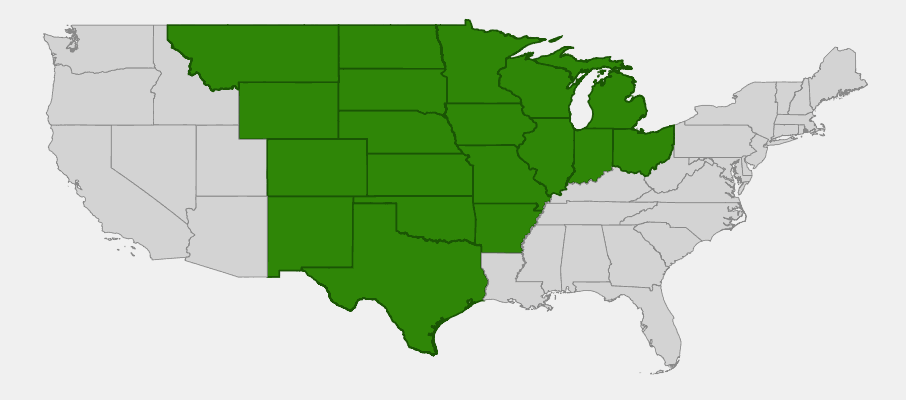
📋 Regional plant lists featuring Smooth Aster: North Dakota, South Dakota & Western Minnesota
Growing & Care Guide
Smooth Aster is an excellent choice for gardeners seeking a low-maintenance native perennial that provides late-season color and wildlife value. Once established, this resilient prairie plant requires minimal care and actually thrives on neglect, making it perfect for naturalized areas, rain gardens, and wildlife habitats.
Light
Smooth Aster performs best in full sun, where it develops the most robust growth and heaviest flowering. It can tolerate partial shade, particularly morning shade with afternoon sun, but may become somewhat leggy and produce fewer flowers in shadier conditions. In its native prairie habitat, this species is adapted to open, sunny conditions with minimal tree cover.
Soil & Water
This adaptable species thrives in average to poor soils and actually prefers lean conditions over rich, fertile ground. It grows well in clay, loam, or sandy soils and tolerates a wide pH range from slightly acidic to alkaline (pH 6.0–8.0). Smooth Aster is notably drought-tolerant once established, thanks to its deep taproot system, though it will produce more vigorous growth with moderate moisture. Avoid over-watering or overly rich soils, which can lead to weak, floppy growth and increased susceptibility to disease.
Planting Tips
Start Smooth Aster from seed or container plants. Seeds require a cold stratification period and can be direct-sown in fall or spring after 30 days of cold, moist treatment. For container plants, spring planting is ideal, allowing the plants to establish before their first winter. Space plants 18 to 24 inches apart, as mature clumps will spread 2 to 3 feet wide through rhizomes. This species is perfect for prairie restorations, native plant gardens, and naturalized areas.
Pruning & Maintenance
Smooth Aster requires very little maintenance. You can cut plants back to 6 inches in late winter or early spring before new growth begins. Some gardeners prefer to leave the stems standing through winter to provide habitat for beneficial insects and seeds for birds. If plants become too tall and floppy (rare in poor soils), you can pinch or cut them back by one-third in early summer to promote more compact, bushy growth.
Landscape Uses
Smooth Aster excels in numerous garden applications:
- Prairie and meadow gardens — essential component of authentic prairie plantings
- Wildlife gardens — crucial late-season nectar source for butterflies and bees
- Rain gardens and bioswales — tolerates periodic flooding and drought
- Naturalized areas — excellent for low-maintenance, sustainable landscaping
- Cut flower gardens — long-lasting in arrangements
- Erosion control — deep roots and spreading habit stabilize soil
- Cottage gardens — provides late-season color when many flowers are fading
Wildlife & Ecological Value
Smooth Aster is among the most ecologically valuable native plants for late-season wildlife support, blooming when most other flowers have finished and providing critical resources during autumn migration periods.
For Birds
The seeds of Smooth Aster are consumed by numerous bird species, particularly finches, siskins, juncos, and sparrows. American Goldfinches are especially fond of aster seeds and will often perch on the sturdy stems to extract seeds directly from the fluffy seed heads. The dense, persistent stems provide excellent winter shelter for small birds, while the late-season flowers attract insects that serve as important protein sources for migrating warblers and other insectivorous birds.
For Mammals
White-tailed deer and elk occasionally browse the foliage, though the plant’s somewhat bitter taste makes it less preferred than other prairie plants. Small mammals like voles and mice may consume the seeds, while the dense clumps provide shelter for various ground-dwelling species. The deep root system also improves soil structure and water infiltration, benefiting the entire prairie ecosystem.
For Pollinators
Smooth Aster is exceptional for late-season pollinators, blooming from August through October when few other plants are flowering. The flowers attract over 30 species of butterflies, including migrating Monarchs that depend on late-season nectar for their journey south. Native bees, including bumblebees, leafcutter bees, and various specialist aster bees, are frequent visitors. The long blooming period and abundant nectar make this species crucial for building pollinator populations and supporting autumn migration.
Ecosystem Role
As a deep-rooted prairie plant, Smooth Aster plays important ecosystem roles including carbon sequestration, soil improvement, and water filtration. Its extensive root system can extend 6 to 10 feet deep, accessing nutrients and moisture unavailable to shallow-rooted plants while helping prevent soil erosion. The plant’s ability to spread via rhizomes helps stabilize soil and create habitat structure. In prairie ecosystems, Smooth Aster serves as an indicator species for high-quality remnants and successful restorations.
Cultural & Historical Uses
Indigenous peoples of the Great Plains and upper Midwest regions have long utilized Smooth Aster for various medicinal and practical purposes. Many Plains tribes, including the Dakota, Lakota, and Ojibwe, recognized the plant’s value and incorporated it into their traditional ecological knowledge systems. The roots were sometimes used in traditional medicine for treating digestive ailments and respiratory conditions, though specific preparation methods were closely guarded cultural knowledge passed down through generations.
The leaves and flowers were occasionally used as a poultice for skin conditions, taking advantage of the plant’s anti-inflammatory compounds. Some tribes also used the dried stems and seed fluff for kindling, as the fluffy pappus catches spark easily and burns cleanly. The timing of Smooth Aster’s bloom served as an important phenological indicator, marking the transition toward winter and signaling the time for final preparations before the harsh prairie winter.
European settlers in the Great Plains quickly learned to recognize Smooth Aster as an indicator of good prairie soils suitable for farming, though ironically, the conversion of prairies to agriculture led to dramatic declines in the species. Historical accounts from early botanists and settlers describe vast autumn prairies painted purple with blooming asters, a sight that has become increasingly rare as native grasslands were converted to agriculture.
In modern times, Smooth Aster has gained recognition as an essential component of prairie restoration efforts and sustainable landscaping. Conservation organizations and native plant societies across the Midwest promote the species for its ecological benefits and its role in supporting declining pollinator populations. The plant has also found use in the cut flower industry, where its long-lasting blooms and sturdy stems make it valuable for autumn arrangements and dried flower crafts.
Frequently Asked Questions
How do I tell Smooth Aster apart from other asters?
The key identifying feature is the completely smooth, waxy stems and leaves — most other asters are hairy or rough. The blue-green, clasping leaves with their smooth margins are also distinctive. The flowers are typically a deeper purple-blue than many other aster species.
Will Smooth Aster spread and take over my garden?
Smooth Aster spreads slowly through underground rhizomes, forming gradually expanding clumps. It’s not aggressively invasive like some plants, but it will naturalize over time. You can control its spread by dividing clumps every 3-4 years or by creating physical barriers.
Why are my Smooth Asters falling over or looking floppy?
This usually indicates too much water or too rich soil. Smooth Aster is adapted to lean, poor soils and can become weak and floppy in fertilized or frequently watered conditions. Reduce watering and avoid fertilizing for more robust, upright growth.
When should I cut back my Smooth Asters?
You can cut them back in late winter/early spring before new growth begins, or leave them standing through winter for wildlife habitat. The persistent stems and seed heads provide food for birds and shelter for beneficial insects throughout the winter months.
Can I grow Smooth Aster from seed?
Yes! Seeds need cold stratification (30 days of cold, moist conditions) and can be direct-sown in fall or spring. Germination can be sporadic, so plant more seeds than you need plants. Container-grown plants will give you more predictable results if you want specific placement in your garden.

Looking for a nursery that carries Smooth Aster?
Browse our native plant nursery directory: North Dakota · South Dakota · Minnesota