Gregg Ash (Fraxinus greggii)
Fraxinus greggii, commonly known as Gregg Ash or Littleleaf Ash, is a distinctive small tree or large shrub native to the rocky limestone canyons and desert mountain ranges of the Chihuahuan Desert region. A member of the olive family (Oleaceae), Gregg Ash is the only ash species adapted to survive in the hottest, driest parts of the Chihuahuan and Sonoran Deserts, having evolved remarkable drought tolerance through small leaf size, semi-evergreen habit, and deep root systems capable of accessing moisture from fractured limestone bedrock. The Arizona regional plant list notes it is “good food for wildlife” — an apt description for a tree that produces dense clusters of winged samaras (seeds) that feed many species of birds and small mammals throughout the year.
Growing to about 15 feet in height, Gregg Ash forms an attractive multi-stemmed small tree or large shrub with dark green, glossy, pinnately compound leaves containing 3–7 leaflets. These leaves are notably small — a key drought adaptation that reduces water loss through transpiration. In favorable canyon locations with some seepage through limestone bedrock, Gregg Ash can form dense stands; on exposed rocky slopes, it grows more sparsely as scattered individuals in crevices and on ledges, revealing its remarkable ability to extract moisture from seemingly impenetrable rock. Its semi-evergreen character provides year-round canopy structure in otherwise leafless desert canyon walls.
For the southwestern gardener working with limestone or alkaline soils, Gregg Ash is a valuable small tree that tolerates conditions that defeat most other trees. It is one of the few native ash species suitable for smaller garden spaces and partial shade environments in the desert Southwest, and its wildlife value — particularly the abundant samaras relished by finches, sparrows, and other seed-eating birds — makes it a productive habitat plant throughout the year. Its small, fine-textured leaves and picturesque multi-stemmed growth habit provide year-round ornamental interest as well as ecological function.
Identification
Gregg Ash typically grows as a multi-stemmed large shrub or small tree, 10–15 feet (3–4.5 m) tall with a similar spread. The form varies from densely multi-stemmed and shrubby to more tree-like in canyon locations with better moisture. Bark on older stems is gray and somewhat ridged; young stems are smooth and olive-green.
Leaves
The leaves are pinnately compound, 2–4 inches (5–10 cm) long, with 3–7 leaflets (most commonly 5). Each leaflet is small and narrow — only ½–1 inch (1.2–2.5 cm) long and ¼–½ inch wide — giving the tree a fine-textured, delicate appearance very different from most other ash species. The leaflets are oval to elliptic with slightly toothed margins, dark green and glossy above, paler below. The leaves are semi-evergreen in warm winters, often persisting through mild Arizona winters before dropping in spring as new growth emerges. The small leaf size, compared to other ashes, is a key drought adaptation that reduces water loss through transpiration.
Flowers & Fruit
Flowers emerge in early spring (March–April) before or with the new leaves. As in other ash species, flowers are inconspicuous — small, lacking petals — and arranged in dense clusters on the branches. The fruit is the most distinctive feature — small, single-winged samaras (keys) about ¾–1 inch (2–2.5 cm) long, borne in dense clusters that turn from green to tan as they mature. The samaras remain on the tree for months and are consumed by many bird species, particularly small finches and sparrows. The abundant fruiting makes Gregg Ash one of the more wildlife-productive small trees for dry southwestern landscapes, providing seed crops year-round.
Quick Facts
| Scientific Name | Fraxinus greggii |
| Family | Oleaceae (Olive Family) |
| Plant Type | Semi-Evergreen Small Tree / Large Shrub |
| Mature Height | 15 ft |
| Sun Exposure | Full Sun to Part Shade |
| Water Needs | Low to Moderate |
| Bloom Time | March – April |
| Flower Color | Inconspicuous (wind-pollinated) |
| USDA Hardiness Zones | 7–10 |
Native Range
Gregg Ash is native to a relatively limited range centered on the Chihuahuan Desert and adjacent mountains of the Texas Trans-Pecos region, southern New Mexico, and southeastern Arizona. In Arizona, it occurs primarily in the southeastern mountains — the Huachuca, Dragoon, Chiricahua, Rincon, and Santa Catalina ranges — typically on rocky, limestone-rich canyon walls and slopes between 3,500 and 7,000 feet elevation. It extends south into the Mexican states of Chihuahua, Sonora, Coahuila, and Tamaulipas, where it is more widespread.
Within its Arizona range, Gregg Ash occupies a distinctive ecological niche: it is most abundant in limestone canyon systems where seeping water provides the moisture its roots seek in fractured rock. It also occurs on rocky, exposed slopes and ridge tops, particularly where limestone or calcareous substrates provide the alkaline conditions it prefers. It is commonly associated with Mexican Blue Oak, Emory Oak, Arizona Cypress, and various manzanita species in the mid-elevation canyon woodland communities of the Sky Islands.
The species was first collected and described by American botanist Josiah Gregg (1806–1850), the frontier trader and explorer whose botanical collections contributed significantly to understanding the flora of Texas and northern Mexico. Gregg traveled extensively in Texas, Chihuahua, and adjacent states, and numerous plants were named in his honor. Fraxinus greggii was formally described by botanist Asa Gray from Gregg’s collections, cementing the explorer’s name in botanical history.
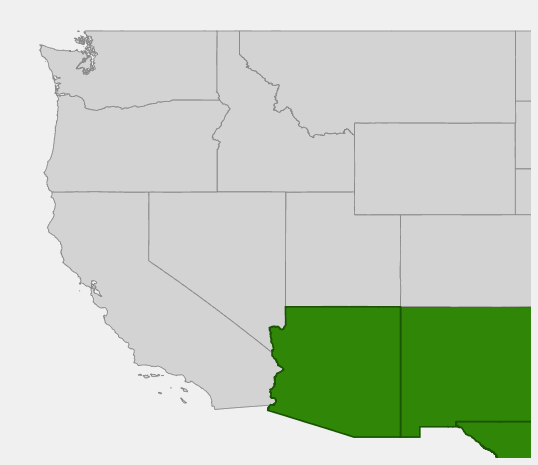
📋 Regional plant lists featuring Gregg Ash: Arizona
Growing & Care Guide
Gregg Ash is a distinctive small tree for gardens in the Chihuahuan Desert region and the Sky Islands of southeastern Arizona. It requires well-drained, preferably alkaline or calcareous soils and tolerates both full sun and partial shade. Its relatively low water needs make it suitable for xeriscape designs where a small tree form is desired.
Light
Gregg Ash grows naturally in both fully exposed canyon walls and in partial shade beneath larger trees. In garden settings, it performs well in full sun to partial shade (3–6 hours of direct sun). At lower, hotter elevations, afternoon shade reduces stress and improves performance. In its natural canyon habitat, it often grows where the canyon walls provide morning sun and afternoon shade — replicating this in the garden produces the most vigorous growth and healthiest foliage.
Soil & Water
Gregg Ash prefers rocky, well-drained, alkaline soils — the calcareous soils found throughout its native Chihuahuan Desert range. It tolerates both sandy and rocky substrates but dislikes heavy clay that holds moisture. Its water needs are low to moderate: once established, it survives on natural rainfall in much of Arizona but benefits from monthly deep watering during the driest periods. It is more drought tolerant than most ash species but less so than the most extreme desert species.
Planting Tips
Plant Gregg Ash in fall or early spring, choosing a site with good drainage and exposure that matches your elevation. At lower elevations, prefer sites with afternoon shade; at higher elevations (above 5,000 ft), full sun is appropriate. Do not over-fertilize — lean, rocky soils actually produce better-adapted, more drought-resistant plants than rich, amended soils. Allow a generous root zone when planting.
Pruning & Maintenance
Gregg Ash can be trained as a single or multi-trunk small tree by selectively removing competing stems over several years. Prune in late winter while dormant. The abundant samaras can be left on the tree for wildlife or removed if neatness is desired. Monitor for emerald ash borer in areas where that invasive pest has established and report any suspected infestations to your local extension office.
Landscape Uses
- Small specimen tree for hot, dry gardens
- Canyon garden and rocky slope planting
- Wildlife habitat tree — seed production supports finches, sparrows, and other birds
- Shade tree for small spaces — provides filtered shade
- Mixed desert scrub or woodland garden
- Naturalizing on limestone slopes and rocky cuts
Wildlife & Ecological Value
For Birds
Gregg Ash produces abundant clusters of winged samaras that are eagerly consumed by Lesser Goldfinches, Pine Siskins, Yellow-rumped Warblers, House Finches, and other small birds. The dense canopy provides nesting habitat and cover for many species, including Hutton’s Vireo, which is closely associated with oak-ash canyon woodlands in the Sky Islands. The small, dense canopy of Gregg Ash often hosts foraging flocks of warblers, vireos, and other insectivorous birds during spring and fall migration.
For Mammals
White-tailed deer browse the foliage of Gregg Ash in the mountains of southeastern Arizona. The samaras are cached and eaten by small rodents, and the dense canopy provides thermal cover for ringtail cats and other small mammals in canyon habitats. Coatis and javelinas also visit stands of Gregg Ash in the Sky Islands region.
For Pollinators
As a wind-pollinated tree, Gregg Ash does not offer significant nectar resources to pollinators. However, the early spring pollen may be harvested by pollen-seeking native bees in years when it flowers before other pollen sources are available, providing a modest early-season contribution to desert bee communities.
Ecosystem Role
In the limestone canyon ecosystems of southeastern Arizona, Gregg Ash is an important structural species, creating canopy and mid-story shade that allows ferns, mosses, and shade-tolerant wildflowers to persist in otherwise arid canyon environments. Its roots penetrate deep into fractures in limestone bedrock, helping stabilize canyon walls and preventing erosion. The abundant samara production provides a renewable seed crop that supports bird and small mammal populations year-round.
Cultural & Historical Uses
Gregg Ash was used by Indigenous peoples of the Chihuahuan Desert and surrounding mountain ranges primarily as a fuel wood and tool-making material. The wood is dense, strong, and takes a good polish — qualities valued in a region where large timber was scarce. Various Apache groups, whose traditional territory overlapped with the range of Gregg Ash in southeastern Arizona and New Mexico, made use of ash wood for tool handles, bows, and other implements where strength and flexibility were required. The distinctive fine-textured foliage and canyon habitat made Gregg Ash a recognizable landmark in the desert mountain landscape.
The abundant samaras of Gregg Ash were reportedly eaten by some Indigenous peoples in times of food scarcity, though they are not a preferred food source due to their small size and modest caloric value. The tree was also used medicinally in the folk medicine traditions of northern Mexico, with bark and leaf preparations reported to have astringent properties. The species’ association with reliable water sources in canyon systems made it a useful indicator plant for travelers seeking springs and seeps in the desert mountains.
In modern horticulture, Gregg Ash remains a relatively specialist plant, better known to botanists and native plant enthusiasts than to mainstream gardeners. However, its exceptional drought tolerance, small stature, and year-round wildlife value are gaining it increasing attention as a suitable small tree for southwestern xeriscape gardens. It is occasionally available at specialty native plant nurseries in Arizona, New Mexico, and Texas, and is recommended by the Lady Bird Johnson Wildflower Center and other native plant organizations for habitat gardens in its native range.
Frequently Asked Questions
Is Gregg Ash related to the large ash trees in the East?
Yes — Gregg Ash is in the same genus (Fraxinus) as the familiar White Ash, Green Ash, and other large eastern ash trees. However, it is much smaller and far more drought tolerant, having evolved to survive in the arid Chihuahuan Desert rather than the moist forests of the eastern US. Its small leaf size, semi-evergreen habit, and deep root system are all adaptations to desert conditions.
Is Gregg Ash affected by the emerald ash borer?
This is an important concern. The emerald ash borer (Agrilus planipennis) is a devastating invasive pest that has killed hundreds of millions of ash trees across North America. While it has primarily impacted eastern ash species so far, it is expanding its range westward. Native ash species in the Southwest — including Gregg Ash — are potentially vulnerable. Monitor your trees for signs of infestation (D-shaped exit holes, S-shaped galleries under bark, canopy dieback) and report any suspected infestations to your state forestry department.
How drought-tolerant is Gregg Ash compared to other southwestern trees?
Gregg Ash is considerably more drought tolerant than other ash species but somewhat less so than the most extreme desert trees such as palo verde and ironwood. It is best suited to elevations above 3,500 feet in Arizona, where some monsoon moisture is available. At lower desert elevations, it requires supplemental irrigation and afternoon shade to thrive.
Can Gregg Ash grow in alkaline soil?
Yes — Gregg Ash actually prefers alkaline, limestone-derived soils. It grows natively on calcareous rock faces and canyon walls where the pH may exceed 8.0. This makes it an excellent choice for southwestern soils that are often highly alkaline and would cause chlorosis in many other tree species. The combination of drought tolerance and alkaline soil adaptation makes it a standout choice for difficult sites.
How tall does Gregg Ash get?
In most garden settings, Gregg Ash reaches 10–15 feet tall with a similar spread over many years. In particularly favorable canyon locations with moisture seeping through limestone rock, it can occasionally exceed 15 feet. The growth rate is moderate — expect 1–2 feet per year under good conditions. Its small ultimate size makes it suitable for smaller gardens where a large ash tree would be impractical.

Looking for a nursery that carries Gregg Ash?
Browse our native plant nursery directory: Arizona