Shellbark Hickory (Carya laciniosa)
Carya laciniosa, commonly known as Shellbark Hickory or King Nut Hickory, is one of the most majestic native trees of the eastern United States — a towering, long-lived member of the Juglandaceae (walnut) family that can reach 70 to 90 feet tall and live for centuries. Distinguished by its spectacular shaggy bark, which peels away in long, thick, curved plates to reveal an inner bark of lighter gray — and by its enormous nuts, the largest produced by any hickory species — Shellbark Hickory is a monument of the eastern bottomland forest and one of the most valuable mast trees for wildlife in North America.
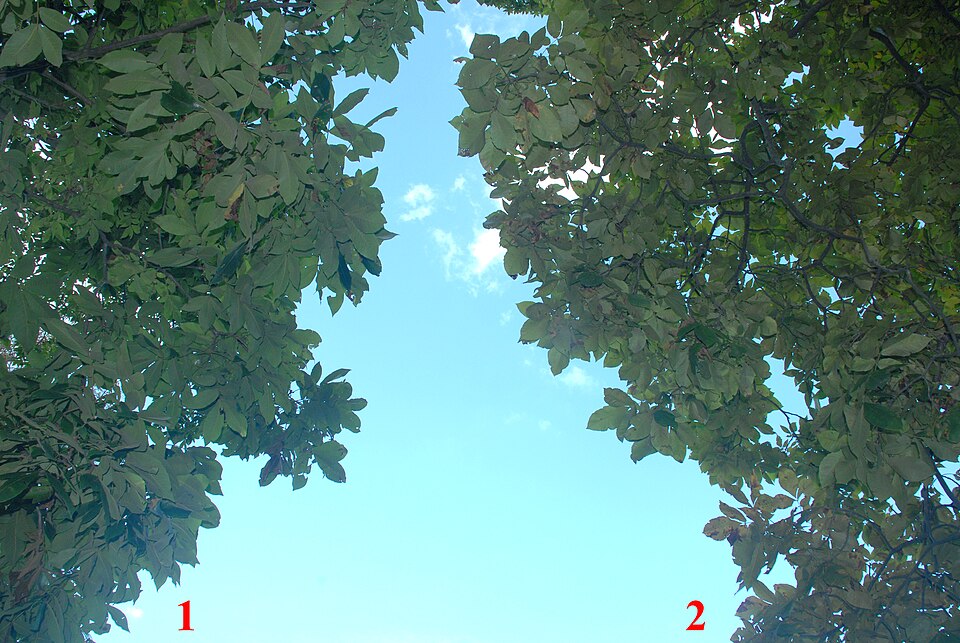
Shellbark Hickory is an inherently noble tree: slow-growing, long-lived, and powerfully built. Its scientific name laciniosa — “torn” or “slashed” in Latin — perfectly describes the deeply furrowed, shaggy bark that is the tree's most distinctive feature. The massive compound leaves, typically with 7 leaflets (though sometimes 5 or 9), can reach 2 feet in length, creating a dense, tropical-looking canopy. In fall, the foliage turns a brilliant golden yellow before dropping, one of the finest autumn displays of any native hickory.
For Iowa, Illinois, and Missouri gardeners and landowners with adequate space, Shellbark Hickory is an outstanding long-term investment in ecological quality. Though slow to establish and requiring patience before significant mast production, a mature Shellbark is a wildlife magnet of the first order — supporting foxes, deer, Wild Turkey, Wood Ducks, squirrels, and dozens of other species. For riparian plantings, bottomland restorations, and legacy tree planting on large properties, no native tree surpasses Shellbark Hickory in ecological and aesthetic value.
Identification
Shellbark Hickory is a large to very large deciduous tree, typically 70 to 90 feet tall at maturity, with occasional specimens exceeding 100 feet. The crown is broadly oval to oblong, relatively open, with large upswept branches in mature trees. The most reliable identification characters are the unique shaggy bark, large compound leaves with 7 leaflets (occasionally 5 or 9), and the very large nuts in thick husks.
Bark
The bark of Shellbark Hickory is its most spectacular and distinctive feature. On mature trees, the outer bark breaks into long, thick, curved plates or strips that separate from the trunk at the top and bottom while remaining attached in the middle — creating the characteristic shaggy appearance. The plates are grayish-brown, often several inches thick, and can be 2 to 4 feet long on large trees. The inner bark revealed beneath the peeling plates is smooth and lighter gray. Young trees have relatively smooth, tight gray bark. Shellbark bark plates tend to be thicker, longer, and more dramatically curling than those of Shagbark Hickory.
Leaves
The leaves are pinnately compound, typically 15 to 22 inches (38–55 cm) long — among the largest compound leaves of any native North American tree. Most leaves have 7 leaflets (though 5 or 9 occur), arranged with 3 large terminal leaflets and 2 pairs of smaller lateral leaflets. The leaflets are 4 to 9 inches long, broadest near the middle, with serrated margins and a pointed tip. The upper surface is dark green, smooth to slightly hairy; the undersurface is paler and hairy, especially on the veins. A key difference from Shagbark Hickory: Shellbark leaves are typically larger and usually 7-leafleted rather than the 5-leafleted typical of Shagbark.
Flowers & Fruit
Shellbark Hickory is monoecious — bearing separate male and female flowers on the same tree. Male flowers appear as hanging, yellow-green catkins (3 to 5 inches long) in spring as the leaves emerge. Female flowers are tiny, in clusters of 2 to 5 at shoot tips. Pollination is entirely by wind.
The fruit is the largest nut produced by any Carya species — a rounded to oblong nut enclosed in a husk 1½ to 2½ inches (4–6 cm) thick, ripening to brown-black in September through October, splitting cleanly into 4 equal sections. The nut itself is 1½ to 2 inches across, broadly ovoid to nearly spherical, with a thick, hard, light tan to whitish shell. The kernel is sweet, rich-flavored, and edible — the largest and most flavorful of all hickory nuts. The thick husk can be messy when it falls, staining pavement and lawns.
Quick Facts
| Scientific Name | Carya laciniosa |
| Family | Juglandaceae (Walnut) |
| Plant Type | Deciduous Tree |
| Mature Height | 70–90 ft |
| Sun Exposure | Full Sun |
| Water Needs | Moderate to High |
| Bloom Time | April – May (catkins) |
| Flower Color | Yellow-green (catkins) |
| USDA Hardiness Zones | 5–8 |
Native Range
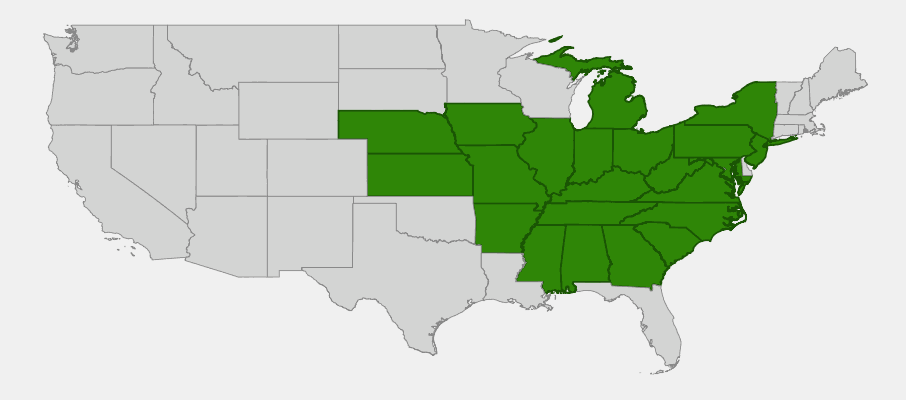
Carya laciniosa is native to the eastern and central United States, with a range roughly centered on the Ohio and Mississippi River valleys. It occurs from New York and western Pennsylvania south and west through Ohio, Indiana, Illinois, Iowa, Missouri, Kansas, Oklahoma, Arkansas, Tennessee, Kentucky, and into the Deep South. The species is most abundant in the bottomland and floodplain forests of the major river systems — particularly the Ohio, Illinois, and Mississippi rivers and their tributaries.
In Iowa, Illinois, and Missouri — the rpl-iailmo core region — Shellbark Hickory is a characteristic native tree of bottomland and floodplain forests. In Missouri, it occurs primarily in the rich bottomland forests along the Missouri and Mississippi rivers and their larger tributaries. In Illinois, it is found throughout the state in river bottoms, floodplains, and occasionally upland mesic forests. In Iowa, Shellbark Hickory occurs primarily in the southern half of the state, in protected bottomland sites and on moist, rich upland slopes.
Shellbark Hickory has a preference for the moist, rich, deep soils of bottomland forests and floodplains. It tolerates periodic flooding better than most other hickories, making it well-suited to riparian restoration. It typically grows in association with Silver Maple, Cottonwood, Green Ash, Pin Oak, and other bottomland species.
📋 Regional plant lists featuring Shellbark Hickory: Iowa, Illinois & Missouri
Growing & Care Guide
Shellbark Hickory is best regarded as a legacy tree — slow to establish, slow to bear nuts, but ultimately magnificent and extraordinarily long-lived. Successful cultivation requires patience, appropriate siting, and an understanding that the tree is making a decades-long investment in ecological and aesthetic value.
Light
Shellbark Hickory requires full sun for optimal growth and nut production. As a canopy tree, it is intolerant of significant shading once established. Young trees can tolerate some light shade during early establishment but should be sited where they will receive full sun as they mature. Plan for the full mature height of 70 to 90 feet when choosing a location.
Soil & Water
Shellbark Hickory thrives in deep, moist, fertile, well-drained soils — the rich bottomland loams and alluvial soils in which it occurs naturally. It tolerates periodic flooding better than most hickories and performs well on moist upland sites with deep, loamy soils. Avoid dry, sandy, or gravelly soils. The deep taproot makes it very drought-tolerant once established (3–5 years), but consistent moisture is important during early establishment.
Planting Tips
Plant bare-root or container-grown trees in early spring while still dormant. Due to the deep taproot, Shellbark Hickory transplants poorly once established — plant in its permanent location from the start. Direct seeding produces the strongest, most vigorous trees: plant fresh nuts at 2 inch depth in fall, protect from squirrels with wire mesh, and allow to germinate in spring. For best nut production, plant at least two trees from different seed sources within 100 feet of each other for cross-pollination.
Pruning & Maintenance
Shellbark Hickory is essentially self-maintaining once established. Prune only to remove dead, damaged, or crossing branches in late winter. Avoid heavy pruning — hickories are sensitive to large wounds and heal slowly. Young trees may need a single central leader encouraged by removing competing co-dominant stems in the first 5 to 10 years.
Landscape Uses
Shellbark Hickory is best suited to:
- Large properties and rural landscapes — requires significant space for its mature size
- Bottomland and floodplain restoration — one of the most appropriate native trees for wet, rich bottomland soils
- Wildlife plantings — the nuts support a remarkable diversity of wildlife
- Legacy or memorial plantings — trees planted today will benefit generations of humans and wildlife
- Riparian buffers — deep root system stabilizes streambanks and filters runoff
- Farmstead windbreaks — combined with other native trees for multi-layered wind and wildlife value
- Shade tree — broad crown provides excellent summer shade for large areas
Wildlife & Ecological Value
Shellbark Hickory is among the most ecologically productive native trees of the eastern deciduous forest, providing abundant mast (nuts), cover, and habitat for a remarkable diversity of wildlife species.
For Birds
The large nuts are consumed by Wild Turkey, Wood Duck, Red-bellied Woodpecker, Red-headed Woodpecker, Blue Jay (which caches nuts for winter), and Common Crow. The tree also supports a diverse insect fauna — particularly caterpillars of native moths and butterflies — that provides critical food for breeding songbirds. Over 40 species of native caterpillars have been documented feeding on Carya species. Cavity-nesting birds including Pileated Woodpeckers, Great Crested Flycatchers, Eastern Screech-Owls, and Wood Ducks use old-growth hickory cavities extensively.
For Mammals
The mast crop of Shellbark Hickory is essential for numerous mammal species. Eastern Gray Squirrels, Fox Squirrels, and Flying Squirrels are primary consumers and important seed dispersers. White-tailed Deer eat both the nuts and the twigs and bark of young trees. Black Bears consume the nuts where ranges overlap. Raccoons and Opossums also eat hickory nuts.
For Pollinators
Though wind-pollinated, Shellbark Hickory supports an extraordinarily rich caterpillar fauna. Over 200 species of Lepidoptera (moths and butterflies) are documented feeding on Carya species in eastern North America — making hickory one of the top native tree genera for supporting insect biodiversity. This rich insect fauna directly supports breeding bird populations, particularly during the nestling season.
Ecosystem Role
Carya laciniosa is a keystone species of the eastern bottomland forest ecosystem. Its enormous mast crop — produced in years of good seed set — provides a critical boom-bust food resource that supports populations of squirrels, turkeys, bears, and other mast-dependent species. The hard, durable wood resists decay and supports woodpecker foraging and cavity formation for decades after death. The massive taproot system effectively prevents streambank erosion and draws nutrients from deep soil horizons, cycling them to the surface through leaf litter.
Cultural & Historical Uses
Shellbark Hickory was one of the most important food-producing trees for Indigenous peoples throughout its range. The large, sweet nuts were eaten raw, roasted, boiled into a rich oil, and dried for winter storage. Chickasaw, Cherokee, Potawatomi, and many other nations harvested hickory nuts as a dietary staple. A preparation called “pawcohiccora” (the origin of the word “hickory”) was made by pounding nuts, shells and all, into a meal boiled in water to produce a rich, milky, fatty liquid used as a cooking oil, beverage, and condiment. This hickory “milk” was prized for its rich flavor and high caloric content.
The wood of Shellbark Hickory (and other hickories) is extraordinarily hard, tough, and flexible — properties that made it invaluable for tool handles, wheel spokes, barrel hoops, and any application requiring both strength and elasticity. Hickory wood was the preferred material for axe handles, hammer handles, wagon wheel spokes, and sporting goods due to its unmatched combination of hardness and shock resistance. It burns with intense heat and was a preferred firewood and charcoal wood for blacksmithing.
Today, hickory smoke remains the defining flavor of American barbecue — the same properties that made hickory a superior firewood make it the preferred smoking wood for pork, beef, and chicken in Southern barbecue tradition. Hickory nuts are experiencing a revival of interest among foragers, wild food enthusiasts, and specialty food producers who recognize their exceptional flavor and nutritional value as a locally available, sustainably harvested wild food. Shellbark Hickory nuts, being the largest and sweetest of all hickory species, are particularly prized by experienced foragers.
Frequently Asked Questions
How long does it take Shellbark Hickory to produce nuts?
Shellbark Hickory typically begins producing nuts at 10 to 15 years of age from seed, though meaningful mast crops usually don't develop until 20 to 30 years. Trees grown from nuts planted in the ground produce more vigorous plants that may begin bearing sooner than container-grown transplants. Patience is essential, but the wait is worthwhile.
What is the difference between Shellbark and Shagbark Hickory?
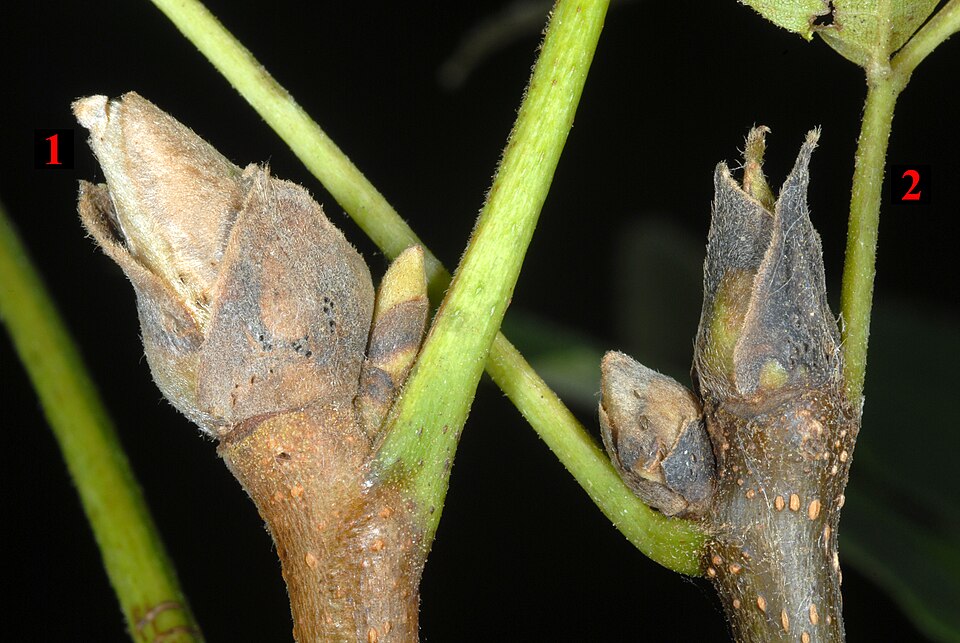
Both have shaggy, peeling bark, but they differ in several ways: Shellbark (C. laciniosa) typically has 7 leaflets; Shagbark (C. ovata) typically has 5. Shellbark produces larger nuts with thicker husks and is more tolerant of wet soils. Shellbark prefers bottomland and floodplain sites; Shagbark grows on drier upland sites.
Are Shellbark Hickory nuts edible?
Yes — Shellbark Hickory produces the largest and among the best-flavored nuts of any native hickory. The kernel is sweet, rich, and delicious eaten fresh, roasted, or used in baking. Cracking the very thick shell requires a sturdy nut cracker or a hammer and patience. Hickory nuts can be substituted for pecans in most recipes.
Will Shellbark Hickory work in a typical backyard?
Only in very large backyards. At 70 to 90 feet tall with a 40 to 60 foot crown spread, Shellbark Hickory requires significant space. It is best suited to large rural properties, farms, parks, and restoration sites. Urban and suburban plantings are possible on large lots (½ acre or more) with careful planning.
Does Shellbark Hickory tolerate flooding?
Yes — Shellbark Hickory is one of the most flood-tolerant hickories and is commonly found in floodplains that experience annual flooding. It can withstand inundation for 30 to 60 days during the dormant season. This flood tolerance makes it an excellent choice for floodplain restoration and riparian buffer plantings in Iowa, Illinois, and Missouri.