How to Propagate Carrot Efficiently for a Healthy Home Garden
Last updated: September 1, 2026
If you want to propagate carrots, you’ll need to plant seeds straight into the soil—cuttings just don’t work for these guys. The best way to propagate carrots is to sow the seeds about half an inch deep in soil that drains well and isn’t too compacted.
That depth gives the roots room to stretch out, and you’ll end up with healthier, straighter carrots.
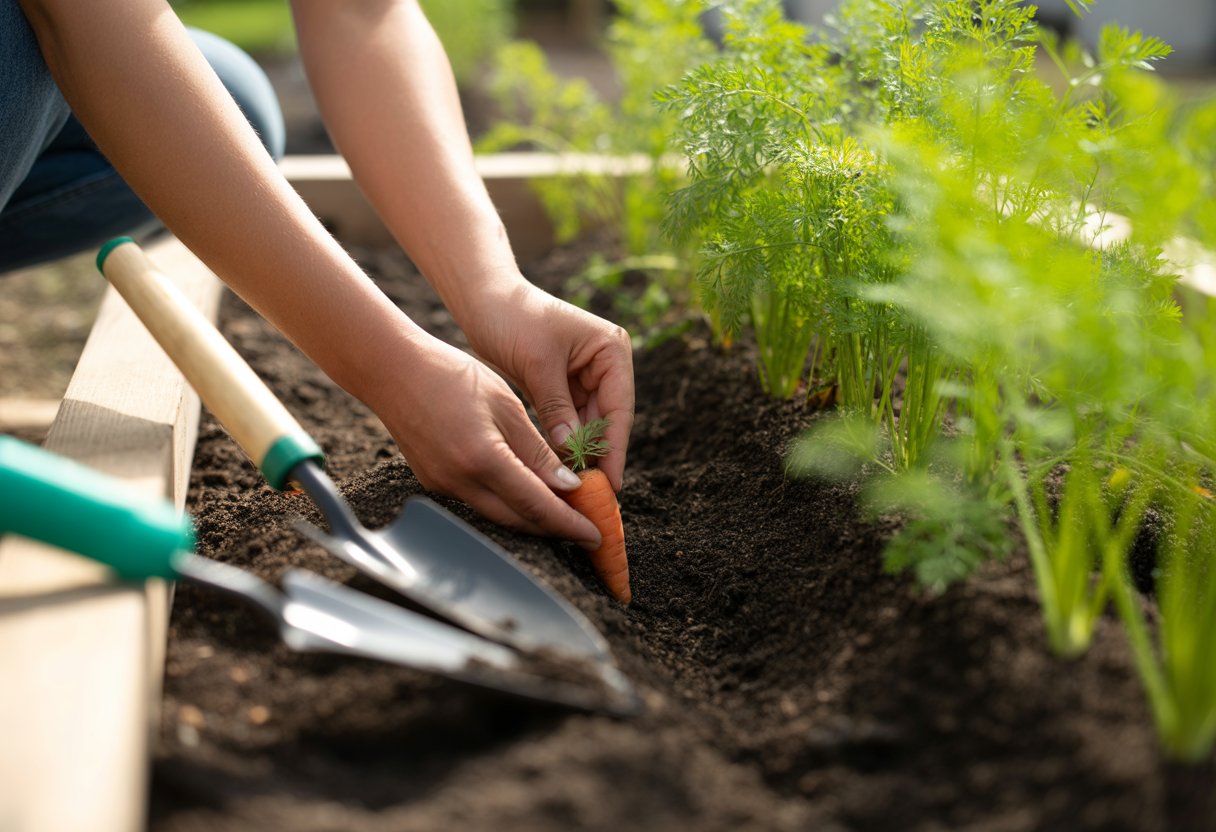
Carrots need steady moisture and plenty of light to get started. Usually, you’ll spot seedlings popping up anywhere from 10 to 21 days after planting.
Once they sprout, thin them out so each carrot gets its own space—no one likes fighting for room. Good spacing and prepping the soil well are both huge for successful propagation and those nice, thick roots.
Essential Conditions for Propagating Carrots
You’ll want to pick the right carrot variety, prep your soil, and pay attention to sun and temperature. All of these make a real difference in how your carrots turn out.
Selecting the Right Carrot Varieties
Carrots come in all shapes and sizes, and each type has its own quirks. Nantes carrots are a favorite—they’re sweet, cylindrical, and perfect for most home gardens.
Imperator carrots are long and tapering, but you’ll need deep, loose soil for them. Paris Market types are small and round, which makes them awesome for shallow or container gardens.
Bolero carrots can handle a lot, even cooler weather, and resist some common carrot troubles. Try to match your variety to your soil depth and your local climate.
Soil Preparation and Composition
Carrots really like well-drained soil without rocks or hard clumps. Sandy loam with a pH of 6.0 to 6.8 is just about perfect.
Toss in some organic matter like compost to boost the soil’s texture and nutrients. Loosen the soil at least 12 inches down so the roots won’t hit any roadblocks.
Skip fresh manure, though—it can make roots split or fork. If you’re going with container growing, use a light potting soil and mix in some sand or perlite.
Sunlight and Temperature Requirements
Carrots really need full sun—at least 6 hours of it every day. That much light helps roots get big and strong.
They prefer cooler temps, somewhere between 55°F and 75°F. That range keeps them growing steadily and helps avoid bolting.
If you’re in a hot spot, try some shade cloth or plant early to dodge the worst heat. Steady moisture and enough warmth make germination more even and prevent roots from splitting.
Step-By-Step Guide to Propagating Carrots
You’ll get the best results if you start with quality seeds, prepare the soil well, and keep things moist but not soggy. Make sure to space out your seeds, water gently, and thin the seedlings when it’s time.
Sourcing and Preparing Carrot Seeds
Buy carrot seeds from a source you trust, so you know they’ll actually sprout. Check the packet for the variety, days to harvest, and when the seeds expire.
Soaking seeds in lukewarm water for 6-12 hours can soften the coat and boost germination. Dry them off before planting so they don’t clump together.
Loosen your soil and clear out any rocks or debris—carrots hate obstacles. Mixing in sand or fine compost makes the soil even better for those tiny seeds.
Planting Techniques and Spacing
Carrot seeds are tiny, so plant them shallow—just about ¼ inch deep. Space your rows 12-18 inches apart so the roots have room to grow and air can move through.
Loose, well-prepped soil helps carrots grow straight instead of twisted. Sow seeds thinly or in bands, then thin them later instead of crowding them from the start.
Cover seeds with a fine layer of soil or sand and press gently to make sure they touch the soil. That helps them germinate and keeps them from washing away.
Watering and Soil Moisture Management
Carrots need steady moisture, especially in the first couple of weeks. Keep the soil evenly damp, but don’t drown them.
If it’s dry out, water more often. If it’s rainy, ease up a bit. Mulch with straw or grass clippings to help the soil hold moisture and stay cool.
Try not to water from above, or you might wash seeds away. A gentle spray or drip irrigation works best to keep things in place.
Thinning and Weeding for Healthy Growth
Once your seedlings have 2-3 true leaves, start thinning them. Give each plant about 1-2 inches at first, then go up to 3-4 inches as they grow.
Thinning gives every carrot the space, nutrients, and water it needs to get big and straight. Crowded carrots turn out small or weirdly shaped.
Weeds can outcompete carrots, especially since carrots are slow to start. Pull weeds by hand or use shallow cultivation so you don’t hurt the roots.
Managing Pests, Diseases, and Carrot Propagation Challenges
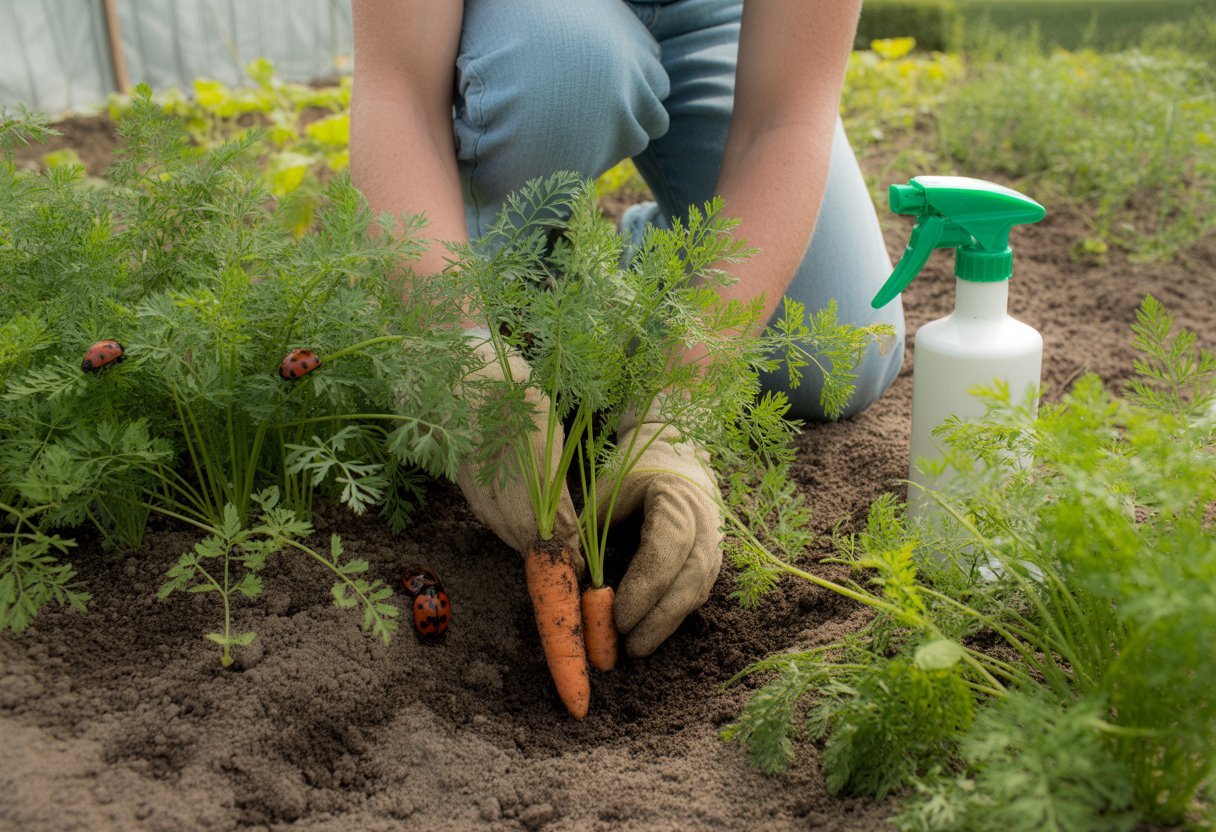
Keeping your carrots healthy means staying on top of pests, diseases, and any weird growth issues. Spotting problems early and dealing with them fast makes a big difference.
Preventing and Treating Common Carrot Pests
Watch out for carrot pests like carrot weevils, leafhoppers, and nematodes. Carrot weevils chew into roots, so handpick them when you see them and rotate crops to keep numbers down.
Leafhoppers suck sap and can spread diseases; row covers help keep them off your plants. Nematodes mess with roots and stunt growth.
Solarizing soil—covering it with clear plastic for a few weeks before planting—can kill nematodes. For leafhoppers, try insecticidal soap or neem oil. Check your plants regularly so you can catch any issues before they get out of hand.
Recognizing and Managing Carrot Diseases
Carrot rust shows up as orange spots on leaves and can really knock back plant health. Pull off infected leaves and avoid watering from above to slow the spread.
Alternaria leaf blight and powdery mildew also cause leaf spots and can twist up growth. Use fungicides labeled for edible plants if you need to, but get them on early.
Give your carrots space so air moves through—less humidity means less fungus. Crop rotation helps keep soil-borne problems in check.
Handling Deficiencies and Growth Issues
Carrots need balanced nutrients, especially nitrogen, but don’t overdo it. Too much nitrogen gives you lots of leaves but puny roots.
Test your soil before planting so you know what you’re working with. Carrots can bolt and go to seed if they get stressed, which ruins the roots.
Try to avoid transplant shock and keep water levels steady. Fixing nutrient problems and keeping stress low gives you better, bigger carrots.
Harvesting, Post-Propagation Care, and Storage
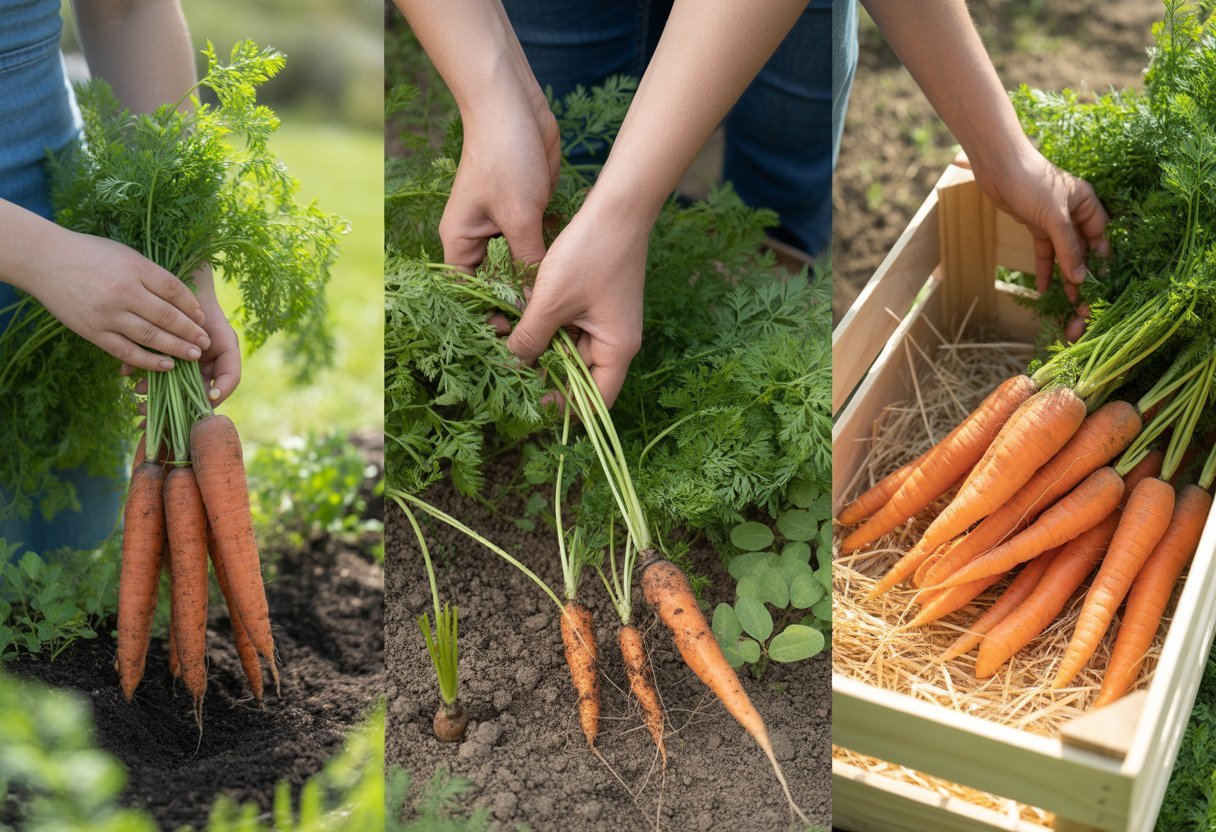
When it’s time to harvest, timing and gentle handling matter if you want carrots that keep their flavor and nutrients. Good storage keeps them fresh and full of vitamin A.
Determining the Right Time to Harvest Carrots
Carrots usually hit maturity about 70-80 days after you plant them, but check your variety—some are faster or slower. When the roots are about ½ to 1 inch across, they’re probably ready.
Look for firm roots and green tops that haven’t started turning yellow or floppy. That’s your window.
If you pull them too soon, you might lose out on nutrients. Leave them too long, and you risk woody, tough roots or even rot, especially if a hard freeze is coming.
Proper Harvesting Methods
Use a fork or hand tool to loosen soil around carrots before pulling them up. Yanking by the tops can snap the roots if the ground is hard.
Once they’re loose, pull them straight up by the tops and shake off extra dirt. Toss out any carrots that are damaged or bruised—they’ll spoil quickly.
Handle carrots carefully to keep them in good shape. Wearing gloves helps avoid bruises, especially with thinner-skinned types.
Post-Harvest Handling and Storage
Right after you harvest carrots, trim the tops down to about an inch. If you leave the tops on, the carrots wilt faster and just don’t last as long.
Carrots really like cold, humid conditions—think 0-4°C and humidity up around 90-95%. That’s how you keep them crisp and fresh.
Stick them in perforated plastic bags or tuck them into bins with moist sand if you want them to last even longer. It’s a classic trick that works.
Skip washing the carrots before you store them. Water hanging around just invites rot, honestly. Give them a wash right before you’re ready to use them.