
Hala Pepe (Dracaena auwahiensis)
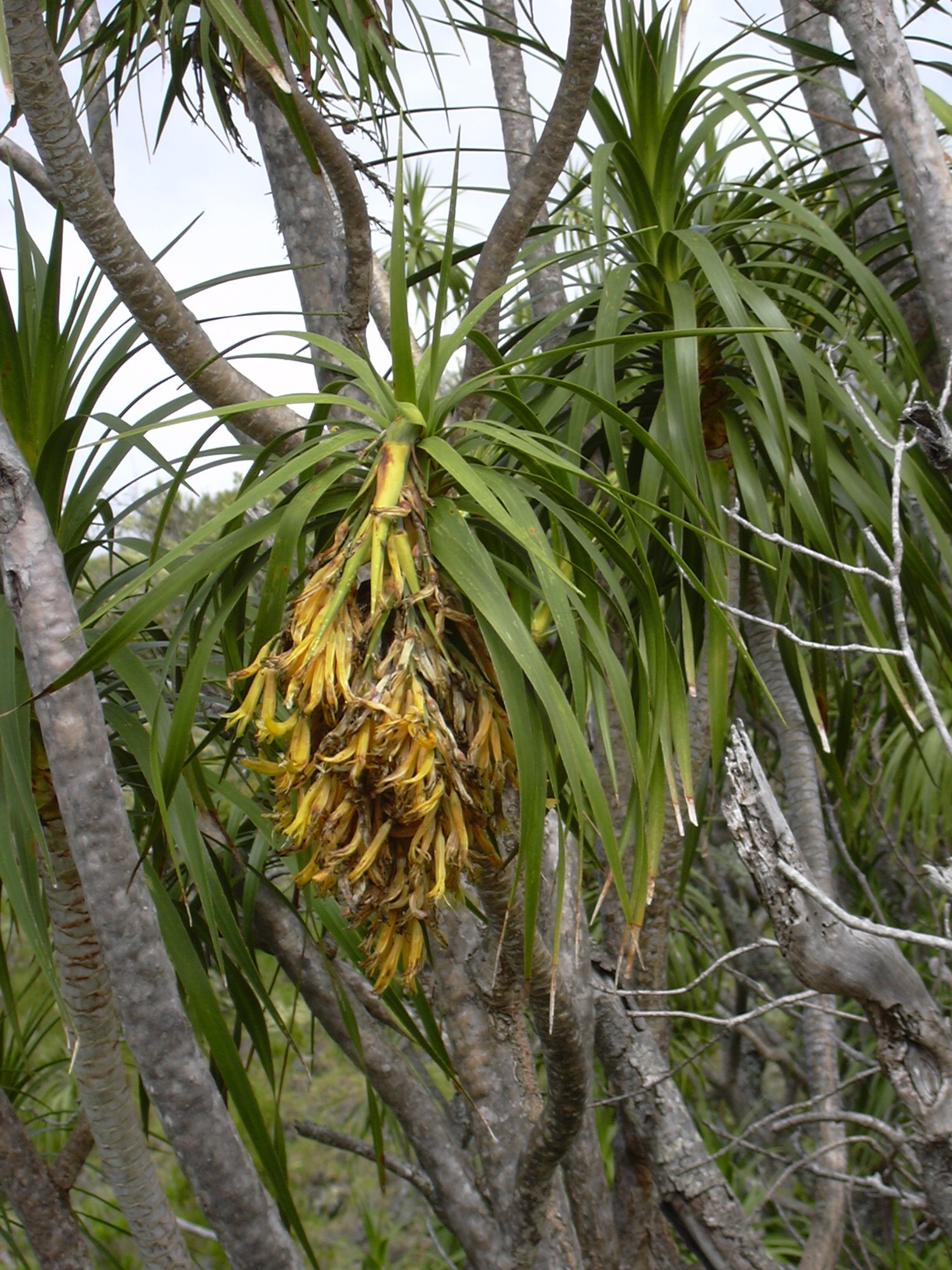
Hala pepe (Dracaena auwahiensis) is a Hawaiian native tree with narrow leaves gathered at branch ends and a distinctive, often sculptural branching pattern. Greenish-yellow tubular flowers hang in clusters, followed by berries that mature red. In a suitable dry-to-mesic landscape, the tree provides a strong architectural form without resembling the broad shade trees or palms that often dominate tropical gardens.
This species is endemic to Maui and Molokaʻi. It is widely encountered in older references as Pleomele auwahiensis and more recently as Chrysodracon auwahiensis. Bishop Museum’s current Plants of Hawaiʻi treatment accepts Dracaena auwahiensis, the name used here. These are connected names for the same species, not separate native trees to count or plant twice.
Maui Nui Botanical Gardens describes it as a useful landscape alternative to introduced plants with a similar upright, tufted appearance. The garden’s guidance places it in full sun with dry-to-moist conditions and gives a practical landscape size of about 15–30 feet tall with a ten-foot spread. Those dimensions and its local native origin make it a promising specimen where the site and nursery source are appropriate.
Quick Facts
| Scientific Name | Dracaena auwahiensis |
| Family | Asparagaceae |
| Plant Type | Native tree or large shrub |
| Mature Height | 15–30 ft in the botanical-garden landscape guide; older trees vary |
| Mature Spread | About 10 ft in the botanical-garden guide |
| Growth Rate | Variable; plan for a long-lived tree |
| Sun Exposure | Full sun |
| Water Needs | Dry to average after establishment; avoid poorly drained soil |
| Soil Type | Well-drained soil matched to native habitat and nursery provenance |
| Soil pH | Assess local soil and nursery performance before amending |
| Bloom Time | Variable with source and conditions; observe local seasonality |
| Flower Color | Greenish-yellow tubular flowers in branching clusters |
| Fall Color | Evergreen; seasonal new growth may contrast with older foliage |
| Fruit | Red berries when mature |
| Deer Resistant | Not a browse-proof planting; protect young trees where needed |
| USDA Hardiness Zones | Use Hawaiian island, elevation, and exposure guidance for site selection |
Identification and Botanical Names
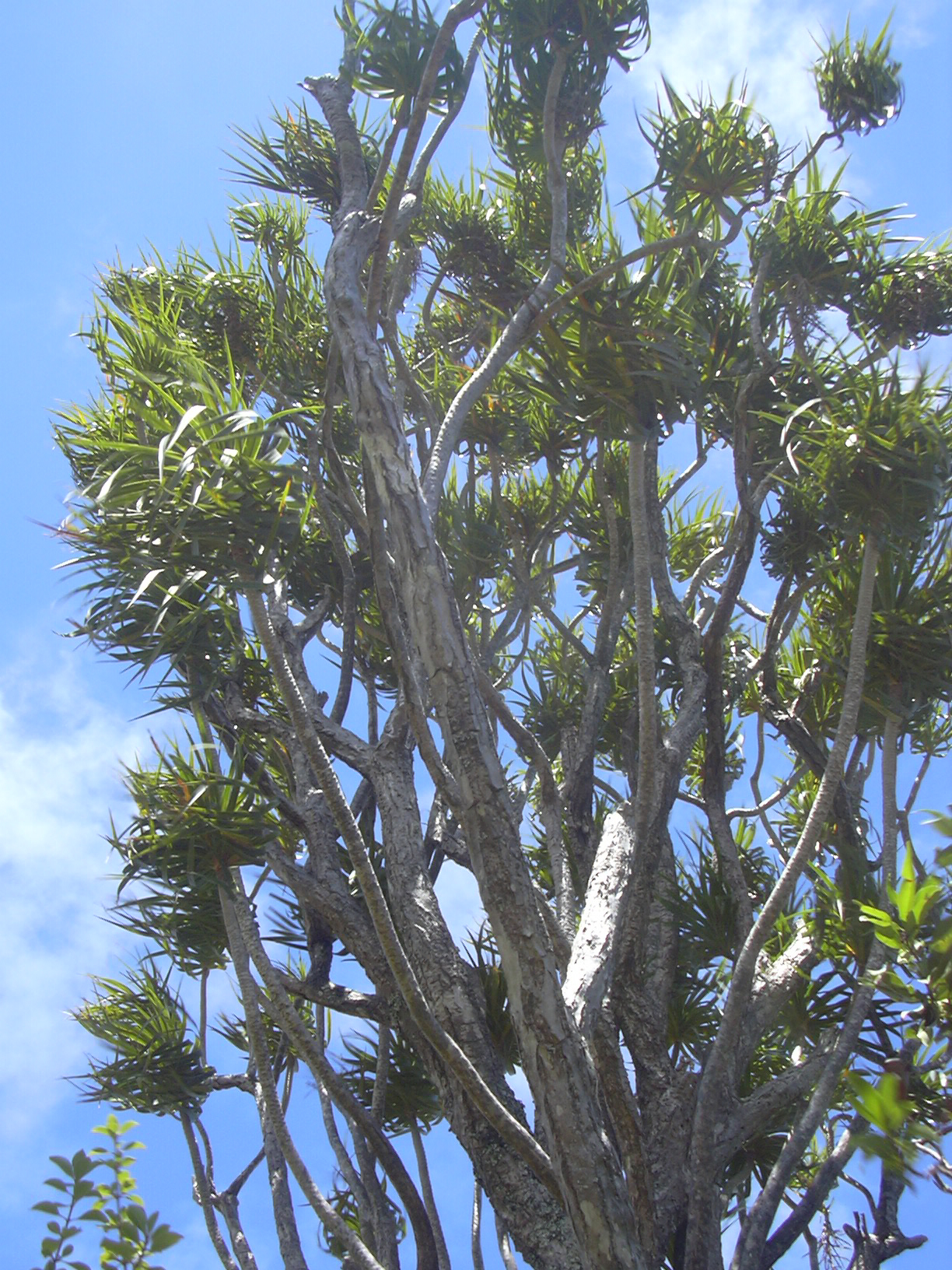
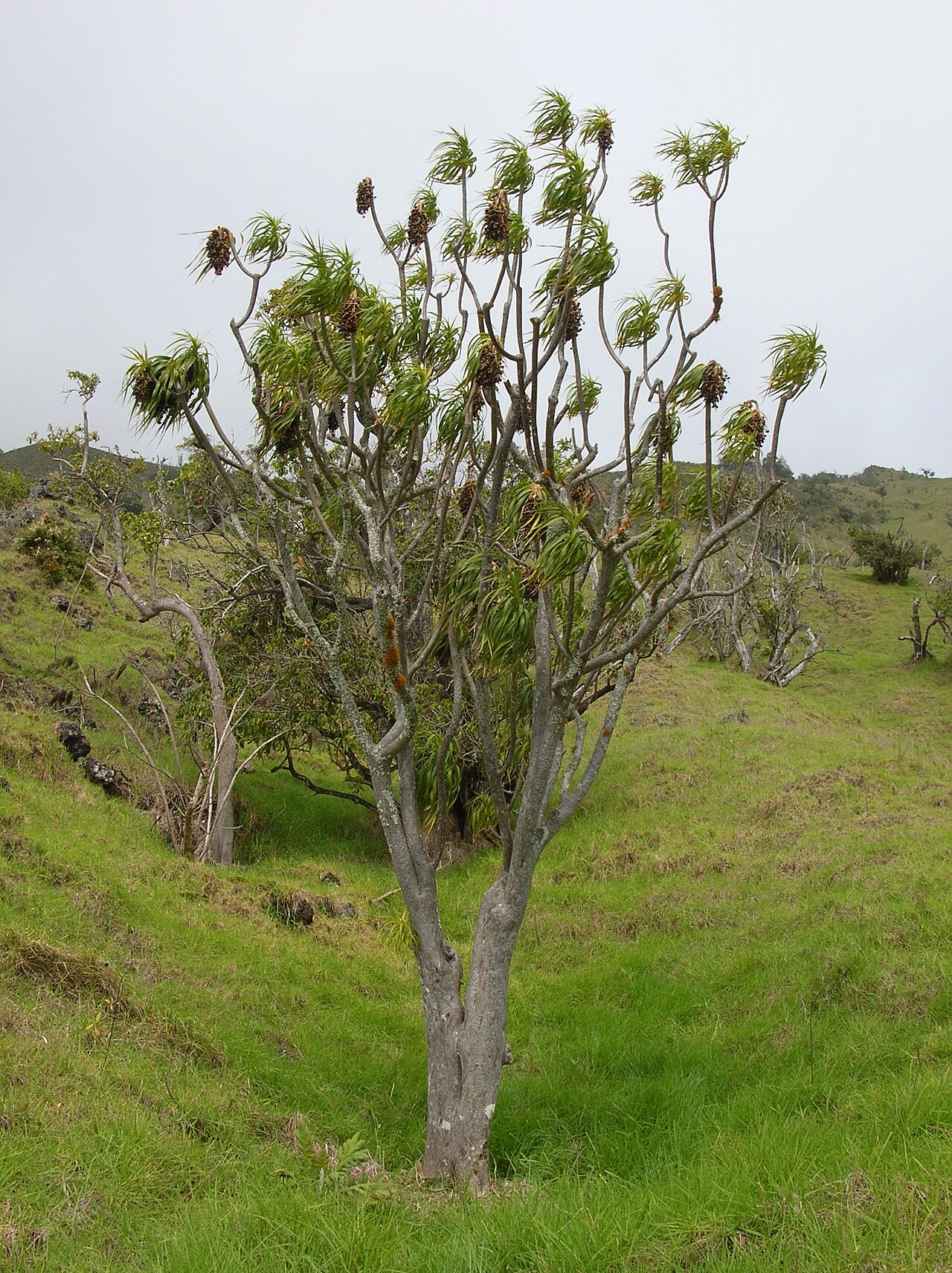
The leaves are simple and arranged spirally, with parallel veins and smooth margins. They taper along their length and cluster around the ends of the branches. The resulting silhouette can be open and irregular, especially on older trees with several upright limbs. Some plants branch more freely than others, so a single photograph should not be treated as the only normal form.
Bishop Museum describes trees ranging from roughly 1.5 to ten meters in its general account, with specimen records showing further local variation. A small nursery plant therefore needs a permanent site chosen for its future structure. Do not assume that a narrow young stem will always remain a compact accent beside a wall.
Flowers and Fruit
The greenish-yellow flowers are tubular and borne in branching clusters. They differ from the reproductive structures of hala, despite the resemblance suggested by the Hawaiian name. Mature berries are red, and their appearance adds another phase of interest after flowering.
Observe the actual tree’s seasonal pattern rather than relying on an exact flowering month from another locality. Source, elevation, rainfall, and age can affect what a garden specimen does. A simple record of new leaves, flowers, and fruit helps establish realistic expectations for the site.
Pleomele, Chrysodracon, and Dracaena
The species has been placed in several genera as botanists reassessed relationships among these plants. Bishop Museum lists Chrysodracon auwahiensis, Pleomele auwahiensis, and Dracaena rockii among its synonyms. Older photographs labeled Pleomele auwahiensis remain useful when their identity and source are clear.
Keep those synonyms in a garden record, but anchor the record to the accepted name and the individual plant’s provenance. The broader name hala pepe is used for several Hawaiian relatives. It is not enough by itself to distinguish this Maui Nui species from a different island’s hala pepe.
Native Range: Maui and Molokaʻi
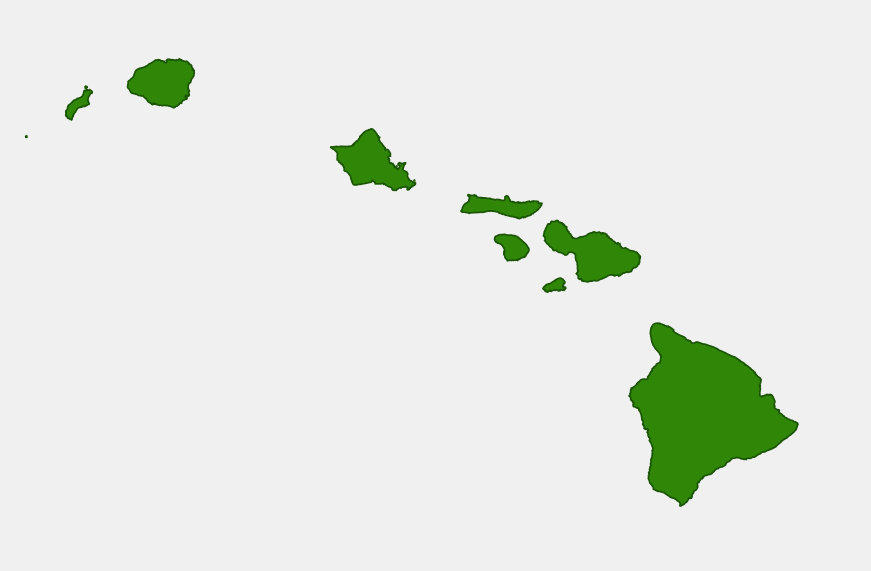
Bishop Museum records Dracaena auwahiensis as endemic to Maui and Molokaʻi, occurring in remnant dry forest and occasionally mesic forest. Its habitat account gives elevations of about 610–1,220 meters, approximately 2,000–4,000 feet. Maui Nui Botanical Gardens extends its practical range description down to about 1,800 feet.
Auwahi on Maui is closely associated with the species in botanical records and photographs. Other records include both East and West Maui and Molokaʻi localities. These details are more informative than a generic statement that the tree is “native to Hawaiʻi,” especially when plants are being selected for restoration.
Native Range
| U.S. States | Hawaii |
| Hawaiian Islands | Molokaʻi and Maui |
| Mexico / Canadian Provinces | Not included in the verified native range used here |
| Ecoregion | Hawaiian tropical forest and woodland |
| Elevation Range | About 2,000–4,000 ft in Bishop Museum habitat account; garden guide extends to 1,800 ft |
| Habitat | Remnant dry forest and occasional mesic forest |
| Common Associates | Site-appropriate native forest canopy and understory |
USDA PLANTS profile (PLAU5). Species identity verified; this link is not a guarantee of county-level distribution data.
The map shows Hawaiʻi at the state scale, not occurrence on every island. The island-specific range remains Maui and Molokaʻi in the treatment used here. A cultivated tree on another island is still a garden specimen outside that natural island range, even if it grows well.
Choosing a Landscape Position
Show the Branching Structure
Hala pepe is effective where its crown and branching can be seen. Avoid placing it in a crowded mass that hides the trunk and compresses the leaf clusters. A specimen position with compatible lower-growing plants can emphasize the tree’s shape while leaving room for maintenance and observation.
Plan for the whole tree, including a crown that may broaden with age. The botanical-garden estimate of a ten-foot spread is useful for initial design, but individual growth should guide later decisions. Leave clearance from roofs and access routes so that the distinctive structure does not become a reason for repeated hard pruning.
Sun and Local Climate
Maui Nui Botanical Gardens recommends full sun. Match that recommendation to the actual site, including wind, reflected heat, and the conditions in which the nursery plant was raised. A young specimen moved abruptly from shelter to an exposed location may need careful establishment even when the eventual site is suitable.
The native dry-to-mesic habitat and published drought tolerance make the tree relevant to water-conscious planting. They do not establish that every hot coastal site or every wet upland garden is appropriate. Ask local growers about performance at comparable elevations and with similar soils.
Soil, Planting, and Water
Choose a root zone that provides drainage and enough moisture for establishment. The species’ occurrence in dry and mesic forest is not a reason to let a new root ball dry out repeatedly. Conversely, a location that traps runoff may create conditions unlike those of a well-aerated forest slope.
Prepare the planting area before removing the container, handle the root ball carefully, and keep it protected from drying sun and wind. Set the plant at its appropriate original soil level. Do not bury the stem base beneath backfill or later additions of mulch.
Water after planting to settle soil around the roots, then check both the nursery root ball and adjacent ground. Their water-holding properties may differ. Apply water according to direct observation and weather rather than assuming one fixed schedule suits every soil and season.
As the tree establishes, widen the area receiving water and adjust the frequency to the plant’s response. The goal is a developing root system in suitable soil, not a permanently wet spot against the trunk. During an unusually dry period, reassess rather than relying on the word “drought-tolerant” as a complete care plan.
Root-Zone Maintenance and Nutrition
Keep competing weeds manageable while the tree establishes. Mulch can moderate surface moisture, but leave a clear space at the stem and retain access for inspection. Avoid repeatedly digging around the roots to change seasonal bedding plants; a stable planting area is easier to manage around a long-lived specimen.
Do not assume that slow or uneven growth automatically calls for fertilizer. First inspect light, moisture, drainage, and the recent planting history. Where nutrient concerns remain, use local soil assessment and nursery advice rather than borrowing a feeding recipe from an unrelated ornamental dracaena.
A species-specific numerical pH target or mainland hardiness rating is not assigned here without evidence. Island, elevation, exposure, and the performance of documented nursery stock provide more directly useful guidance for a Hawaiian landscape.
Pruning and Long-Term Form
The tree’s branching is part of its ornamental value. Remove damaged growth or address necessary clearance with a clear purpose, but avoid routine topping simply to keep the plant at the size of its nursery pot. If the intended space cannot accommodate a small tree, change the location before the structure becomes established.
When damage occurs, assess the condition of the remaining branches and stem rather than making a series of speculative cuts. A local grower or arborist familiar with the species can help distinguish a manageable injury from a structural concern. The aim is to preserve a coherent living crown.
Keep records of major pruning and the tree’s response. Photographs taken from the same position over time are useful for understanding changes in crown density, branching, and overall health. They also help separate normal aging and growth from an abrupt decline.
Conservation and Responsible Sourcing
Bishop Museum lists the species as IUCN Vulnerable and a plant of conservation importance. That is not the same as assigning it a federal endangered listing simply because another hala pepe species has one. Conservation labels must follow the identified taxon and the relevant source.
The tree’s presence in remnant dry forest connects it to habitats that have undergone extensive change. Garden cultivation can support appreciation and learning, but it does not replace intact habitat or carefully planned restoration. Obtain nursery-propagated material and avoid treating wild trees as a source of convenient landscape stock.
For restoration, coordinate provenance and planting choices with the project. A vigorous ornamental specimen is not automatically suitable for every locality. For home use, ask where the nursery material originated and whether it is known to perform in conditions similar to the garden.
Hawaiian Cultural Context
Maui Nui Botanical Gardens explains hala pepe as “baby hala,” a name associated with its resemblance to hala. The plants are nevertheless botanically distinct: hala is Pandanus tectorius, while this hala pepe belongs to Asparagaceae. The resemblance is a useful starting point for observation, not an identification rule.
The garden records uses of leaves and flowers in lei, soft wood in carved images and altar decoration, and leaves in traditional steam-bath practices. These accounts place the tree within Hawaiian cultural knowledge. They are not a substitute for instruction from knowledgeable practitioners or a recommendation to use plant parts as treatment.
A living tree can provide an opportunity to learn these distinctions while preserving the plant itself. Its value in a garden is not limited to material that can be harvested; the form, flowers, local history, and connection to Maui Nui landscapes are meaningful in their own right.
Common Questions
Are Chrysodracon auwahiensis and Dracaena auwahiensis different species? They are names applied to the same species in different treatments. Bishop Museum currently accepts Dracaena auwahiensis.
Is every hala pepe native to Maui and Molokaʻi? No. The common name covers several Hawaiian relatives. This particular species has the Maui and Molokaʻi range described here.
Is it the same as hala? No. The resemblance helps explain the Hawaiian name, but hala belongs to a different family and has different leaves, roots, flowers, and fruit.
Should it be described as federally endangered? Not on the evidence used here. The verified Bishop Museum account lists IUCN Vulnerable; do not transfer another species’ status to this one.
Can it replace an introduced architectural plant? In a suitable full-sun site with enough space, that is a landscape use supported by Maui Nui Botanical Gardens. Choose the site and stock carefully rather than assuming identical care to the plant being replaced.
A Maui Nui Native With a Distinctive Silhouette
Hala pepe brings narrow leaf clusters, tubular flowers, and a sculptural small-tree form to an appropriate garden. Its successful use begins with correct identification and an understanding of its Maui and Molokaʻi origin. Give it sunlight, suitable drainage, establishment care, and room to develop its own branching pattern, and it can become a lasting native focal point.
Sources & Further Reading
- Bishop Museum Plants of Hawaiʻi: accepted name, description, native range
- Maui Nui Botanical Gardens: hala pepe
Botanical range, identification, and cultural information are based on these sources. Garden-management advice should be adapted to local soil, exposure, and nursery provenance.
Find Native Plants Near You
Look for correctly identified, nursery-propagated plants with documented Hawaiian provenance. Visit our Hawaii native plant nursery directory and ask about stock suited to your island, elevation, and rainfall. Compare other trees in our Hawaii native plant list.