
Yellow Bells (Tecoma stans)
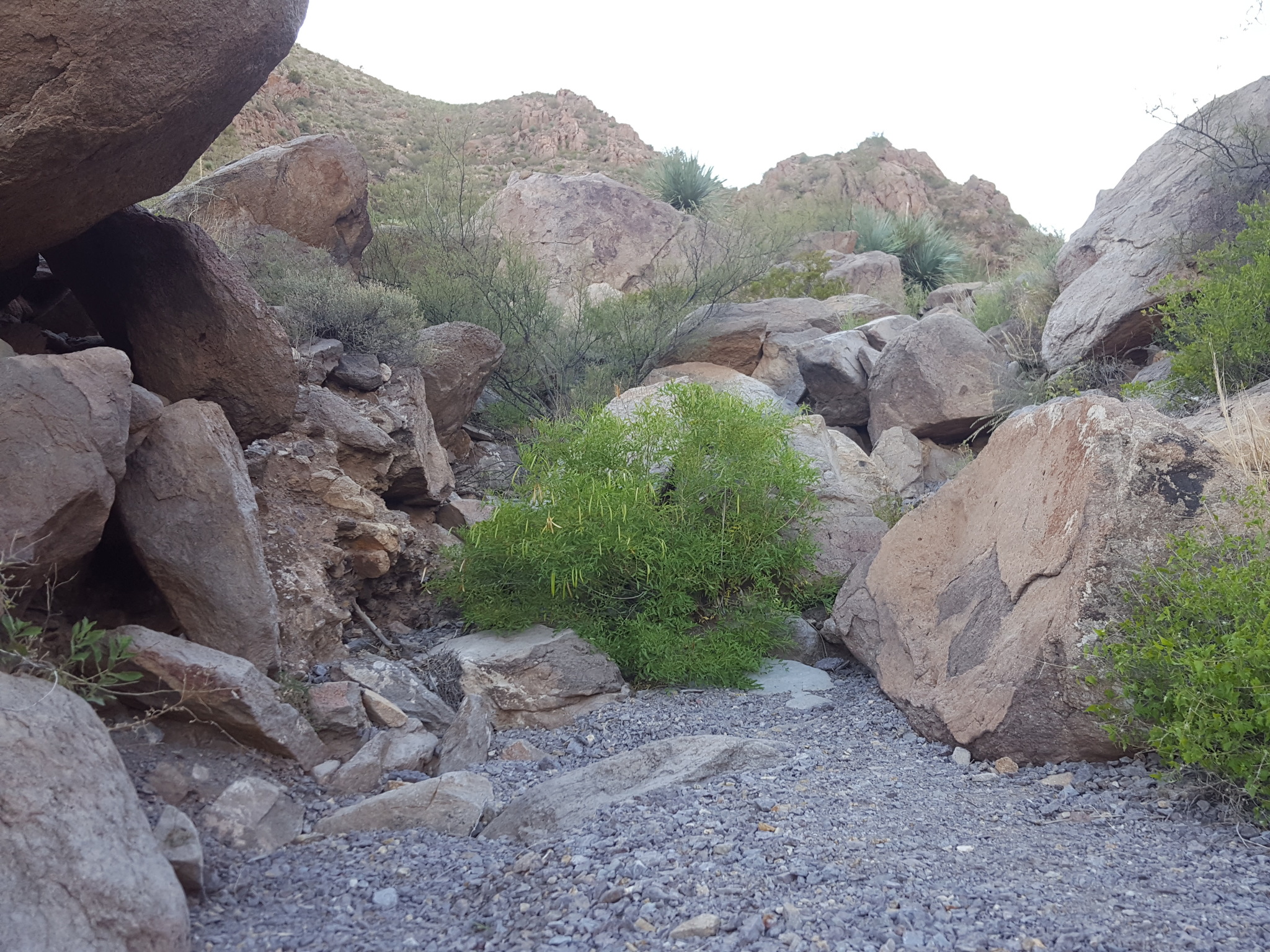
Tecoma stans, known as Yellow Bells, Esperanza, or Yellow Trumpetbush, is a sun-loving native shrub of the hottest, driest parts of the American Southwest and the Rio Grande Plains. It carries large, trumpet-shaped golden-yellow flowers almost continuously from spring through fall, making it one of the showiest drought-tolerant natives available for Southwestern gardens.
Across most of its tropical range in Mexico, Central America, and the Caribbean, Yellow Bells grows as a small evergreen tree. The form native to the United States, often classified as Tecoma stans var. angustata, is a smaller, more cold-hardy shrub with narrower leaflets, adapted to the rockier, drier, and colder conditions of southern Arizona and south Texas. This is the form gardeners in those states should look for when seeking a true regional native rather than the larger tropical nursery variety commonly sold under the same common names.
Yellow Bells thrives in rocky washes, canyon bottoms, and limestone slopes where few other flowering shrubs can compete, and it is a magnet for hummingbirds, bees, and butterflies throughout its long bloom season. In Texas it is also known as Esperanza, Spanish for “hope,” reflecting its long history of cultivation in South Texas gardens.
Identification
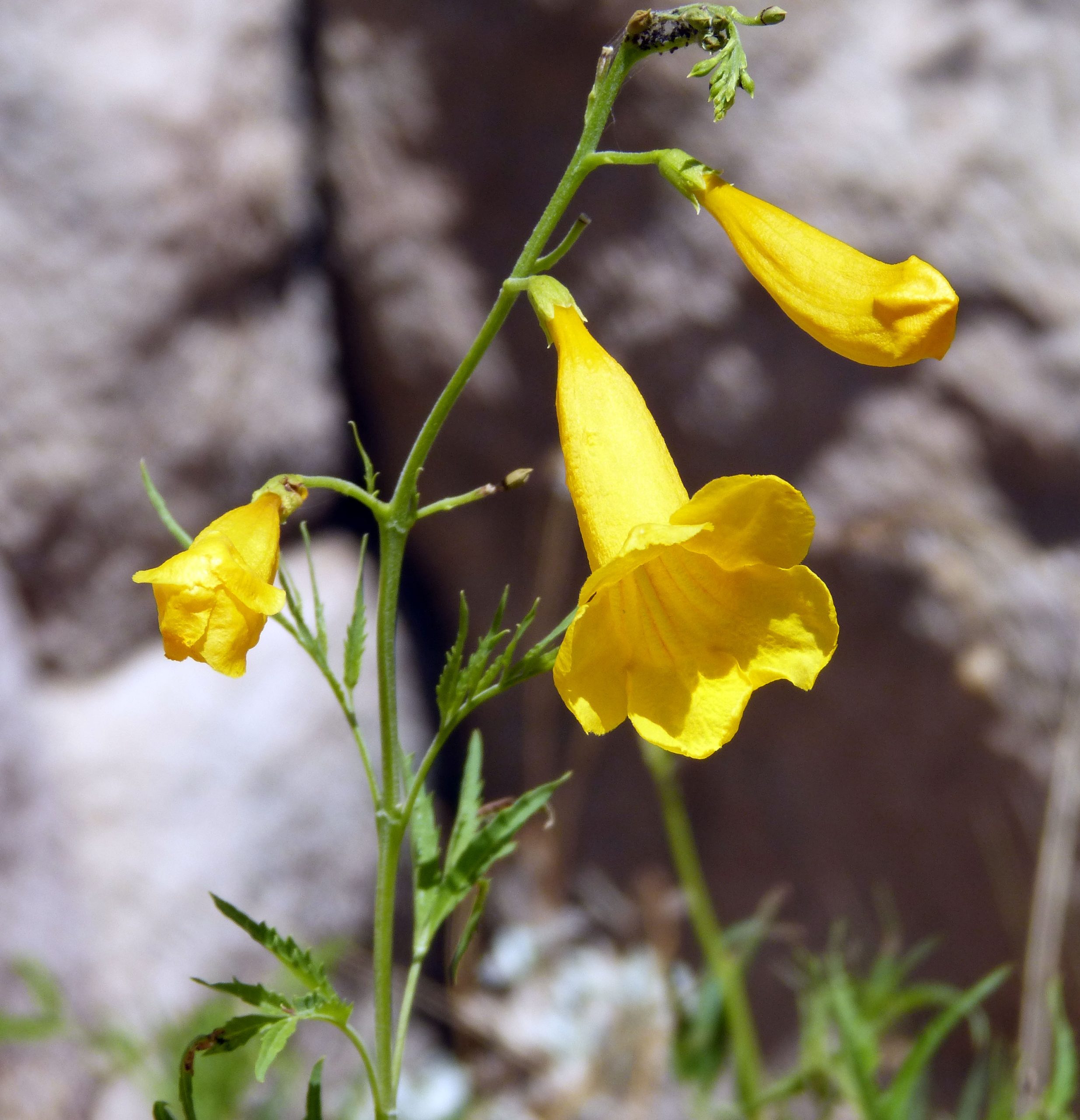
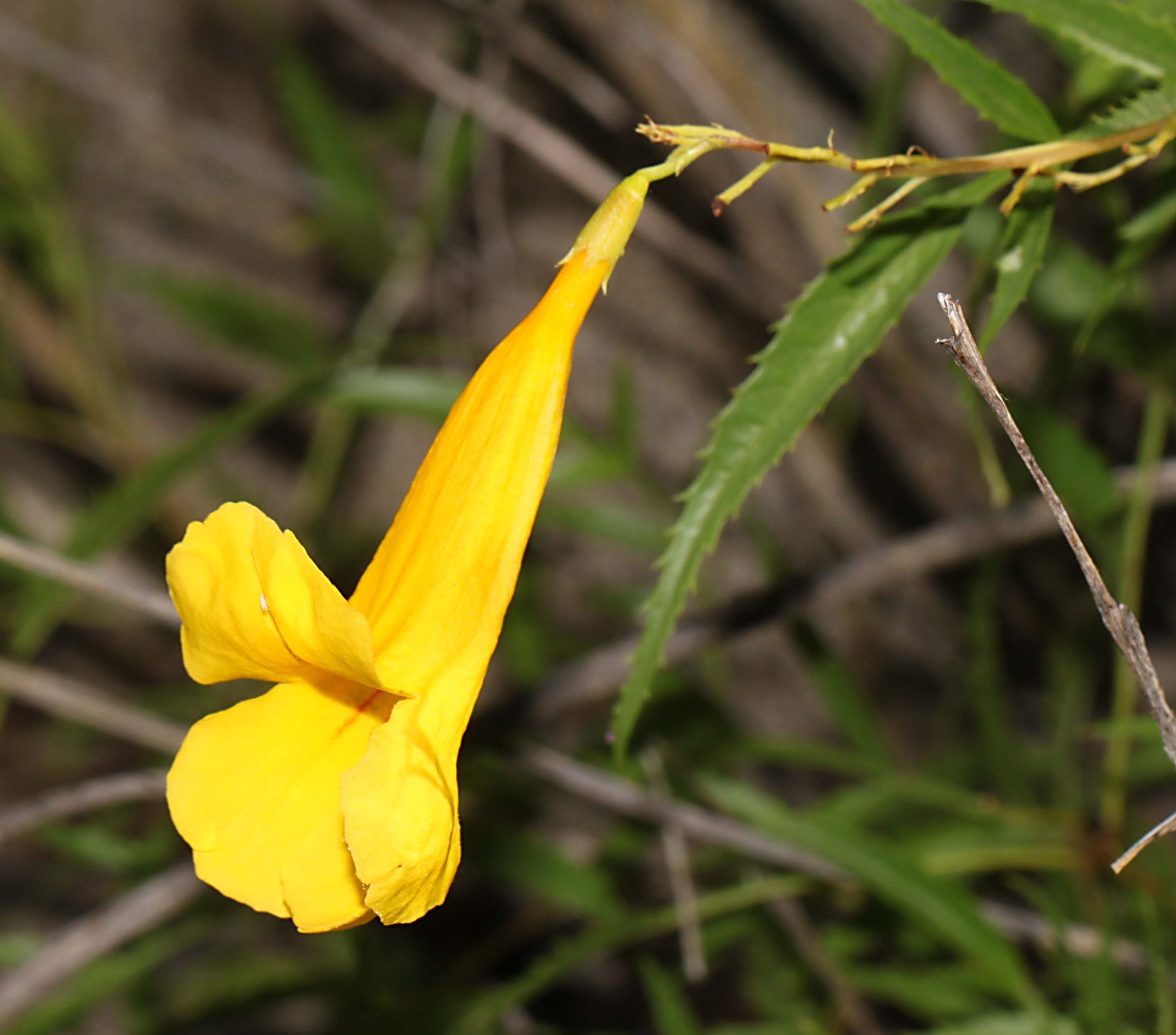
Yellow Bells is identified by its compound leaves, clusters of bell- to trumpet-shaped yellow flowers, and long, narrow seed pods.
Stems & Leaves
The native southwestern form grows as a many-stemmed, semi-woody shrub typically 3 to 8 feet tall, though it can reach larger sizes in frost-free areas. Leaves are opposite and odd-pinnately compound, with 3 to 9 narrow, lance-shaped, sharply toothed leaflets 1 to 3 inches long. New growth is bright green and somewhat glossy; stems become woody and tan-barked with age.
Flowers
Showy golden-yellow, funnel- to bell-shaped flowers, 1.5 to 2 inches long, are borne in loose clusters at branch tips. Each flower has five shallowly lobed petals and a faintly sweet fragrance. Bloom is heaviest after summer rains but can continue nearly year-round in frost-free, warm locations, pausing only after hard freezes.
Fruit & Seeds
Flowers are followed by long, narrow, bean-like seed capsules 4 to 8 inches long that dry and split open to release numerous flat, papery-winged seeds dispersed by wind. The dry pods often persist on the shrub into winter, adding textural interest after bloom has finished.
Quick Facts
| Scientific Name | Tecoma stans |
| Family | Bignoniaceae (Trumpet Vine) |
| Plant Type | Semi-evergreen Shrub |
| Mature Height | 3–8 ft (native form) |
| Mature Spread | 3–6 ft |
| Growth Rate | Fast |
| Sun Exposure | Full Sun |
| Water Needs | Low to Average |
| Soil Type | Rocky, caliche, or well-drained sandy/loam soils |
| Soil pH | 6.5–8.5 (tolerates alkaline) |
| Bloom Time | Spring – fall, heaviest after summer rain |
| Flower Color | Golden yellow |
| Fall Color | Evergreen to semi-evergreen; may drop leaves after frost |
| Fruit | Long, narrow dehiscent seed pods |
| Deer Resistant | Yes |
| USDA Hardiness Zones | 8b–11 (native var. angustata hardy to roughly 15°F once established) |
Native Range
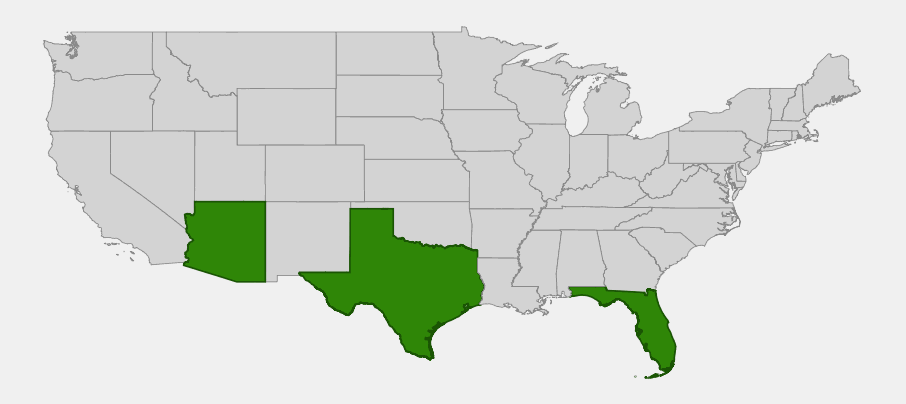
In the United States, Yellow Bells is native to southern Arizona, south and central Texas (including the Rio Grande Plains, Edwards Plateau, and Trans-Pecos), and southern Florida. Its full range extends far beyond U.S. borders, through Mexico and Central America to the Caribbean and northern South America, but gardeners should know that the plant commonly sold at big-box garden centers is often a frost-tender tropical form from further south, not the hardier native shrub described here.
Within its native U.S. range, Yellow Bells typically grows on rocky slopes, in desert washes, along limestone outcrops, and in dry canyon bottoms — sites with excellent drainage and intense sun exposure. It is notably absent from the cooler, higher-elevation parts of Arizona and from most of Texas outside the southern and central portions of the state.
Tecoma stans is not native to the many states where it is widely planted as a warm-climate ornamental, including California and the Gulf Coast states outside Florida and Texas; in those areas it should be treated as a non-native (though generally well-behaved) landscape plant rather than a regionally native species.
📋 Regional plant lists featuring Yellow Bells: Arizona & New Mexico
Growing & Care Guide
Yellow Bells is one of the easiest flowering shrubs for hot, dry Southwestern gardens, rewarding minimal care with months of hummingbird-attracting color.
Light
Plant in full sun. Yellow Bells flowers most heavily and holds the tightest, most floriferous form when it receives at least 6 to 8 hours of direct sun daily. In shade it grows leggy and blooms poorly.
Soil & Water
This shrub is built for lean, fast-draining, often alkaline soils, including caliche and rocky ground where many ornamentals fail. Established plants are quite drought-tolerant, needing only occasional deep watering during the hottest months, though regular moisture during the growing season produces more vigorous bloom. Avoid heavy, poorly drained soils, which encourage root rot.
Planting Tips
Set out container plants in spring after the last frost so roots can establish before the first winter. Space plants 4 to 6 feet apart for a mass planting or hedge. In the colder parts of its range (central and northern Arizona, inland Texas), site plants against a south-facing wall or in a protected microclimate, and expect dieback to the ground in a hard freeze — established plants typically resprout from the root crown in spring.
Pruning & Maintenance
Prune in late winter or early spring to remove frost-damaged wood and shape the shrub; Yellow Bells blooms on new growth, so even a hard cutback after a freeze will not sacrifice the coming season’s flowers. Deadheading is not necessary, though removing spent seed pods can tidy the plant’s appearance.
Propagation
Propagate from seed collected from dry, split pods, or from softwood cuttings taken in late spring or summer. Seed germinates readily without special treatment; cuttings root best with bottom heat and a well-drained rooting mix.
Landscape Uses
- Hummingbird and pollinator gardens in full-sun, low-water settings
- Xeriscaping and water-wise landscape design
- Informal hedges or screens in frost-free areas
- Rock gardens and gravel/caliche slopes
- Desert wash restoration within its native range
- Specimen planting near patios where its long bloom season can be enjoyed up close
Wildlife & Ecological Value
Yellow Bells is one of the most reliable nectar sources in its native desert and brushland habitats, blooming through much of the year when many other plants are dormant.
For Pollinators
The tubular flowers are visited heavily by hummingbirds, including migrating and wintering species in South Texas and southern Arizona. Native bees, carpenter bees, and butterflies — including the Queen butterfly, which uses the flowers as a nectar source — also forage on Yellow Bells extensively.
For Birds
Beyond hummingbirds, the dense branching habit provides nesting cover for small desert and brushland birds, and the ripe seed pods are occasionally fed on by seed-eating birds after they split open.
For Mammals
Yellow Bells is generally left alone by deer and javelina, which is part of why it has become a popular low-maintenance landscape shrub in areas where browsing pressure on other plants is heavy.
Ecosystem Role
In its native rocky wash and canyon habitats, Yellow Bells provides one of the few sources of reliable warm-season nectar, helping sustain pollinator populations through the hottest, driest parts of the year. Its root system also helps stabilize loose, rocky slopes and wash margins against erosion.
Cultural & Historical Uses
Tecoma stans is the official flower of the U.S. Virgin Islands and the floral emblem of the Bahamas, reflecting its long cultural prominence across the wider Caribbean and Gulf region, even though the native U.S. populations described here are a distinct, hardier form found only in Arizona, Texas, and Florida.
In South Texas, where the shrub is called Esperanza (“hope” in Spanish), it has been grown in home gardens for generations and is strongly associated with regional horticultural identity; it was recognized as a Texas Superstar plant for its reliability in the harsh South Texas climate.
Various parts of the plant have a long history of traditional use in Mexican and Central American folk medicine, including for digestive complaints; these are historical practices, not medical advice, and the plant’s compounds have not been established as safe or effective for self-treatment.
Frequently Asked Questions
Is Yellow Bells the same plant sold as “Esperanza” at nurseries?
Often not exactly. Many nurseries, especially outside Arizona and Texas, sell the larger, more tropical form of Tecoma stans, which is less cold-hardy. The true U.S. native form, var. angustata, is a smaller, tougher shrub adapted to colder winters and rockier soil — look for plants grown from regional native seed sources if straight native stock matters for your project.
Will Yellow Bells survive a hard freeze?
Established native-form plants usually survive freezes into the low 20s°F or even briefly into the teens by dying back to the ground and resprouting from the root crown in spring. Young or unestablished plants are more vulnerable and benefit from winter protection.
Is Yellow Bells invasive?
It is not considered invasive within its native U.S. range. Note that in some tropical regions outside the Americas, including parts of Africa, Asia, and the Pacific, introduced Tecoma stans has become weedy; that risk applies to those non-native regions, not to Arizona, Texas, or Florida gardens.
How much water does Yellow Bells need?
Very little once established — it is genuinely drought-tolerant and thrives on the natural rainfall of the Sonoran and Chihuahuan Desert regions, needing supplemental water only during extended drought or the hottest summer stretches.
Does Yellow Bells attract hummingbirds?
Yes, strongly. Its tubular yellow flowers are a reliable, long-blooming nectar source and the shrub is a frequently recommended plant for hummingbird gardens throughout its native range.
