
Oregon Lupine (Lupinus oreganus)
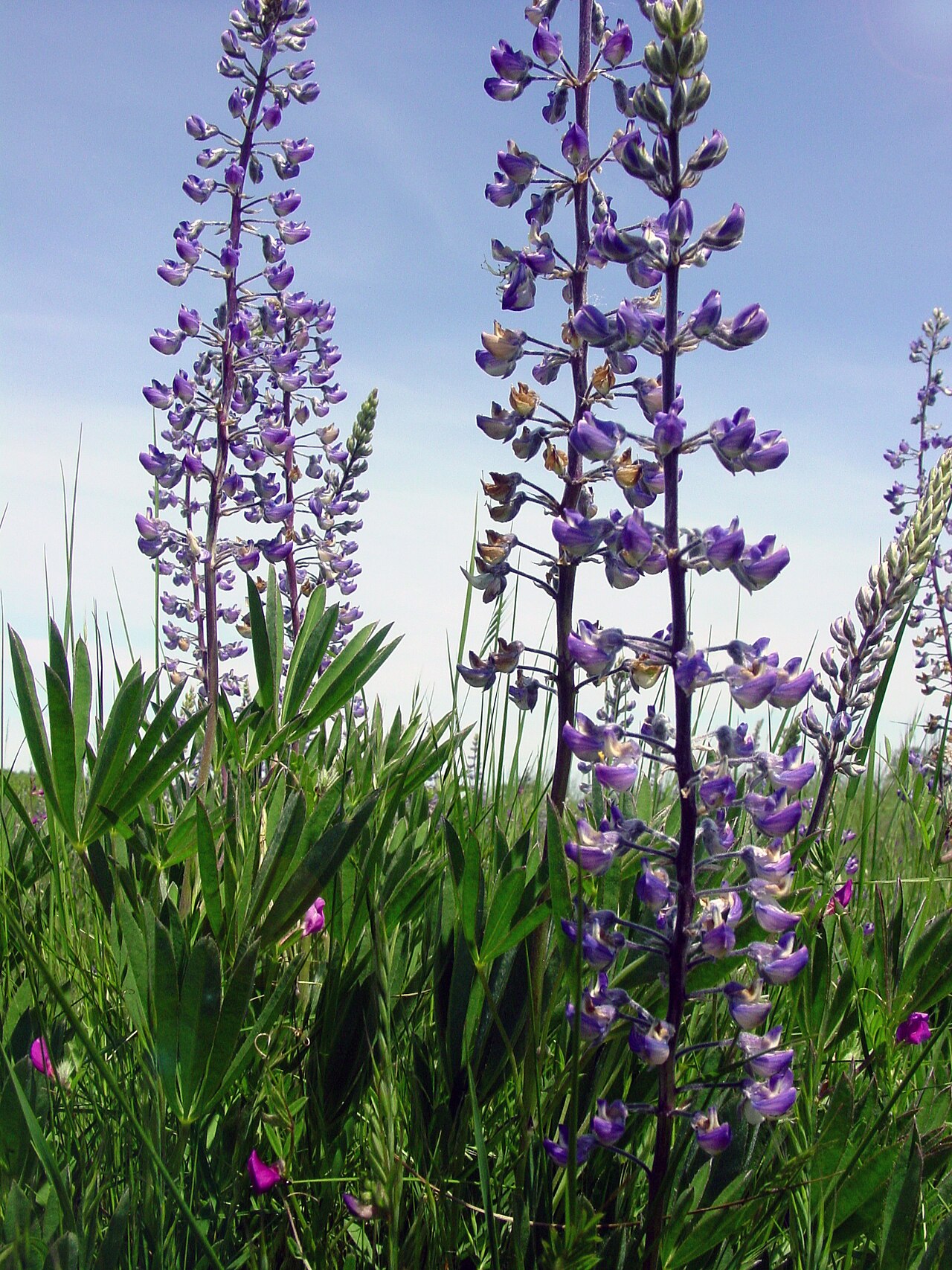
Lupinus oreganus, commonly called Oregon lupine, is a perennial wildflower of the wet prairies and oak savannas west of the Cascades. Gardeners and conservationists in the Willamette Valley know this species best by its older name, Kincaid’s lupine (long listed as Lupinus sulphureus ssp. kincaidii), which refers to the Willamette Valley form of this same species. That population is federally listed as threatened, and it is the sole larval host plant of the endangered Fender’s blue butterfly, making this one of the more consequential native plants you can grow in a Willamette Valley garden.
Because of its conservation status, Oregon lupine is not a plant to dig from the wild under any circumstances — doing so is both illegal where the species is federally protected and harmful to the already-isolated populations that remain. Fortunately, regional native plant nurseries and restoration programs propagate nursery-grown seed and plants specifically so that home gardeners, schools, and prairie restoration projects can grow this species responsibly and contribute to its recovery.
In the garden, Oregon lupine behaves like most lupines: a clump-forming perennial with handsome palmate leaves and upright spikes of pea-like flowers in late spring. It fixes nitrogen in the soil through a symbiotic relationship with soil bacteria, asks for very little once established, and rewards a sunny, well-drained spot with weeks of bloom that draws native bees and, in the right part of its range, the butterflies that depend on it entirely.
Identification
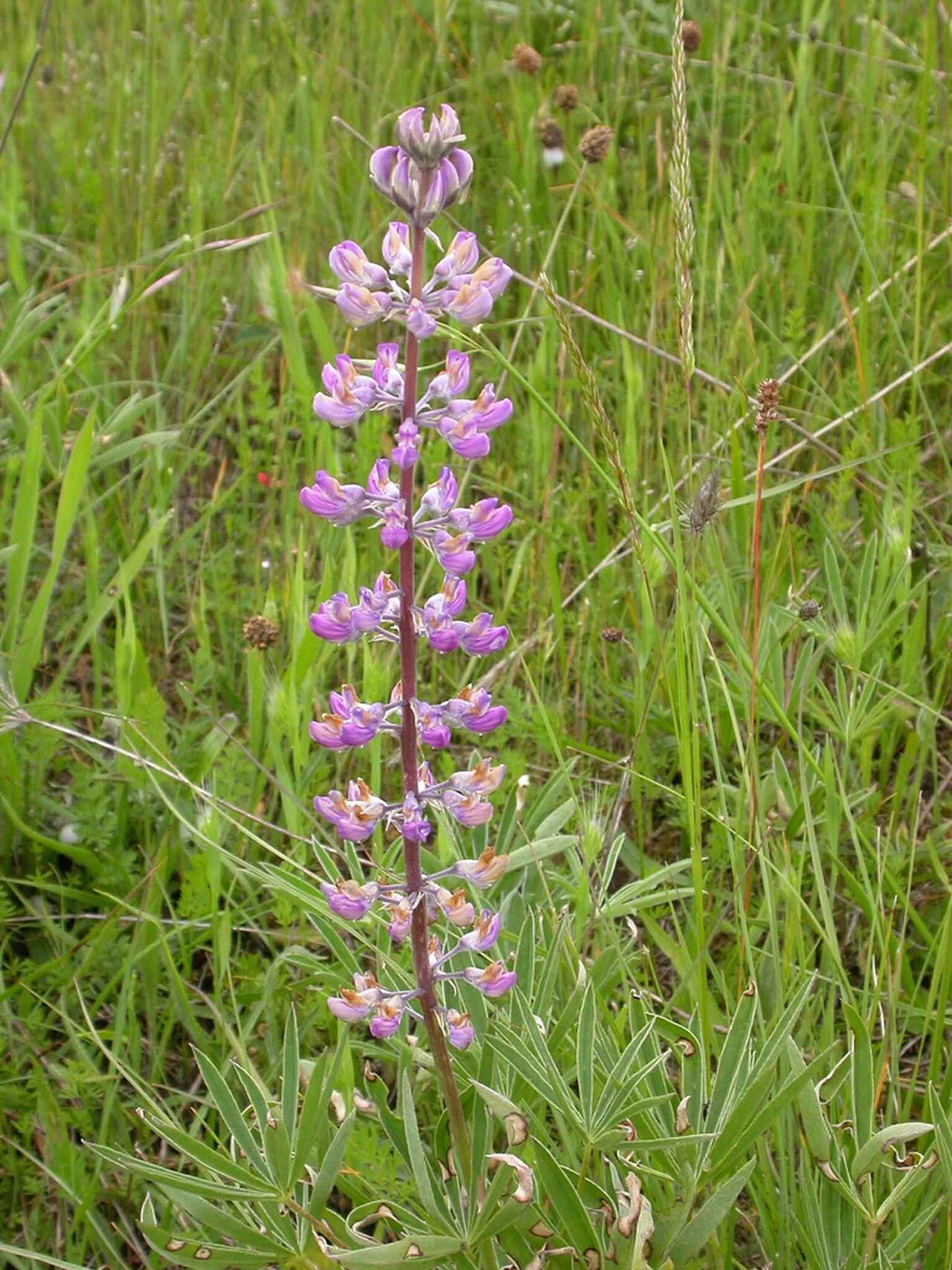
Oregon lupine is a herbaceous perennial that dies back to a woody rootcrown each winter and resprouts in spring, typically reaching 8 to 20 inches tall in flower, though plants in favorable sites can be somewhat taller. The whole plant has a soft, silvery-green cast from fine hairs covering the stems and leaves.
Leaves
Leaves are palmately compound, like the fingers of a hand, with 7 to 9 narrow leaflets radiating from a central point atop a long petiole. Leaflets are gray-green and covered in short, silky hairs on both surfaces, giving the foliage a soft, felted texture that is a useful field mark for separating Oregon lupine from smoother-leaved annual lupines growing nearby.
Flowers
Flowers appear in dense, elongated spikes (racemes) 4 to 10 inches long held well above the foliage. Each individual flower is a typical pea-family bloom roughly ½ inch long, in shades of blue-violet to lavender, occasionally fading paler with age, arranged in whorls around the stem. Bloom typically runs from mid-May into June, peaking when the Willamette Valley’s upland prairies are at their most colorful.
Fruit & Seeds
After flowering, each pod matures into a flattened, hairy legume about 1 to 1½ inches long containing several hard, mottled seeds. Pods split open explosively when fully dry, flinging seeds a short distance from the parent plant — one reason natural populations tend to spread slowly and remain concentrated in small patches of suitable prairie.
Quick Facts
| Scientific Name | Lupinus oreganus (incl. Kincaid’s lupine) |
| Family | Fabaceae (Pea/Legume) |
| Plant Type | Herbaceous Perennial Wildflower |
| Mature Height | 8–20 in (20–50 cm) |
| Mature Spread | 12–18 in (30–45 cm) |
| Growth Rate | Slow to establish, long-lived once rooted |
| Sun Exposure | Full Sun to Light Shade |
| Water Needs | Low to Moderate |
| Soil Type | Well-drained clay loam or prairie soils |
| Soil pH | 6.0–7.5 (neutral) |
| Bloom Time | Mid-May – June |
| Flower Color | Blue-violet to lavender |
| Fall Color | Foliage dies back; no notable fall color |
| Fruit | Hairy, flattened legume pods |
| Deer Resistant | Moderate (toxic foliage discourages browsing) |
| USDA Hardiness Zones | 7–9 |
Native Range
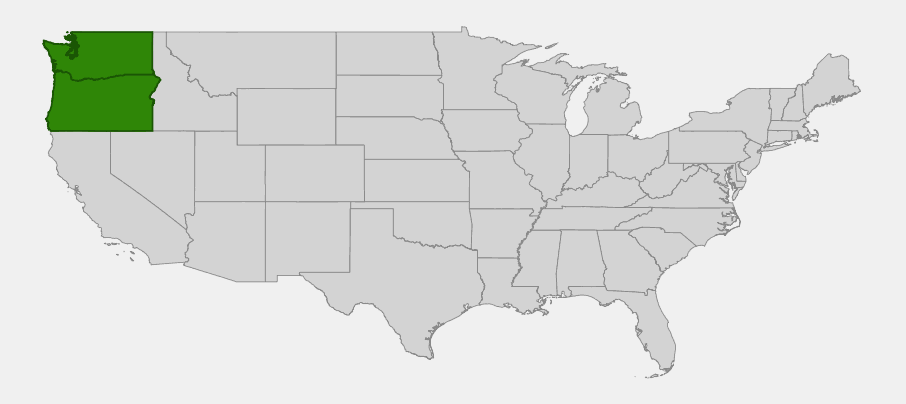
Oregon lupine is a narrow regional endemic, found only in prairie remnants and oak woodland openings west of the Cascade crest in southwestern Washington and the Willamette Valley of western Oregon, with a historical record from southern Vancouver Island in British Columbia that has not been confirmed in recent decades. Within this already limited range, the species occurs in scattered, often small patches rather than broad continuous stands.
The Willamette Valley form of this species, long known as Kincaid’s lupine, is largely confined to remnant upland prairies in Benton, Lane, Linn, Polk, and Yamhill Counties, Oregon, with additional populations in southwestern Washington’s Puget Trough. Less than one percent of the original native wet and upland prairie habitat in the Willamette Valley survives today, which is the primary reason this plant and the Fender’s blue butterfly that depends on it are both of conservation concern.
Oregon lupine typically grows in deep, fine-textured prairie soils that are seasonally moist in winter and quite dry by summer — a pattern shaped by the valley’s Mediterranean-influenced climate. It tolerates the partial shade of scattered oaks but declines where Douglas-fir and other conifers encroach and shade out the open prairie structure it requires.
📋 Regional plant lists featuring Oregon Lupine: Western Oregon & Western Washington
Growing & Care Guide
Oregon lupine is best suited to prairie restoration plantings and native wildflower gardens within its home range, where it can play its ecological role as a nitrogen-fixer and, in the Willamette Valley, as critical habitat for Fender’s blue butterfly. It is slower to establish than many garden perennials, so patience is part of growing it well.
Light
Give Oregon lupine full sun to very light, high shade, mimicking the open prairie and oak savanna conditions it evolved in. Dense shade from encroaching trees or shrubs will weaken and eventually eliminate plants, which is one of the reasons wild populations have declined as unmanaged prairies grow up in Douglas-fir.
Soil & Water
Plant in well-drained, fine-textured soil similar to the valley clay loams of its native prairies. Established plants tolerate the region’s dry summers well and should not be watered heavily once rooted in, since lupines are prone to root rot in soils that stay wet through the growing season. Supplemental water during the first year helps seedlings and transplants establish a deep taproot.
Planting Tips
Source plants or seed only from reputable native plant nurseries or restoration programs that propagate stock legally and sustainably — never collect this species from the wild. Direct-seed in fall so seeds experience the cold, moist stratification period they need to germinate the following spring, or set out nursery plugs in fall or early spring. Inoculating soil or seed with rhizobium bacteria appropriate for lupines can improve nitrogen fixation and vigor in garden settings.
Pruning & Maintenance
Little maintenance is needed beyond removing spent flower stalks if seed collection is not desired, which can encourage a modest rebloom. Avoid fertilizing with high-nitrogen products, since lupines fix their own nitrogen and excess fertility tends to produce lush, floppy growth at the expense of flowering.
Landscape Uses
- Prairie and oak savanna restoration plantings in the Willamette Valley and Puget Trough
- Pollinator and butterfly gardens, especially where Fender’s blue butterfly habitat work is underway
- Native wildflower meadows combined with bunchgrasses and spring bulbs
- School and community restoration projects using nursery-propagated local-ecotype stock
Wildlife & Ecological Value
Few native plants in the Pacific Northwest carry as much ecological weight for their size as Oregon lupine does in the Willamette Valley, where its fate is tightly bound to that of an endangered butterfly.
For Pollinators
The flower spikes are visited by native bumblebees and other long-tongued bees able to trip the pea-shaped blossoms, and the foliage serves as the exclusive larval host plant for Fender’s blue butterfly (Icaricia icarioides fenderi), an endangered species found only in Willamette Valley upland prairies. Without Kincaid’s lupine, Fender’s blue cannot complete its life cycle; the two species’ recoveries are inseparable.
For Birds
Seed-eating birds of open prairie habitat, including sparrows and finches, forage on the ripening seed pods in summer. The structure the plant provides within bunchgrass prairie also supports ground-nesting grassland birds that depend on intact prairie habitat more broadly.
For Mammals
Like most lupines, the foliage contains alkaloid compounds that make it unpalatable and potentially toxic to browsing mammals and livestock, which generally avoid it — a trait that likely helps protect scarce individual plants from grazing pressure in remnant prairies.
Ecosystem Role
As a legume, Oregon lupine fixes atmospheric nitrogen through root nodule bacteria, enriching the nutrient-poor prairie soils it grows in and benefiting neighboring plants. Its presence is also considered an indicator of relatively intact, high-quality upland prairie, since it does not persist well in degraded or heavily grazed sites.
Cultural & Historical Uses
Oregon lupine has no significant history of use as food, medicine, or material by Indigenous peoples of the Willamette Valley, and like other lupines its foliage and seeds contain toxic alkaloids that make it unsafe to eat. Its primary historical significance is ecological and, more recently, as a symbol of Willamette Valley prairie conservation.
The species was described under the name Lupinus sulphureus ssp. kincaidii for much of the twentieth century, honoring botanist Trevor Kincaid, before taxonomic revision recognized it as part of the broader Lupinus oreganus species. It was listed as federally threatened under the Endangered Species Act in 2000, alongside the Willamette daisy and Fender’s blue butterfly, in recognition of how little native upland prairie remains in the valley.
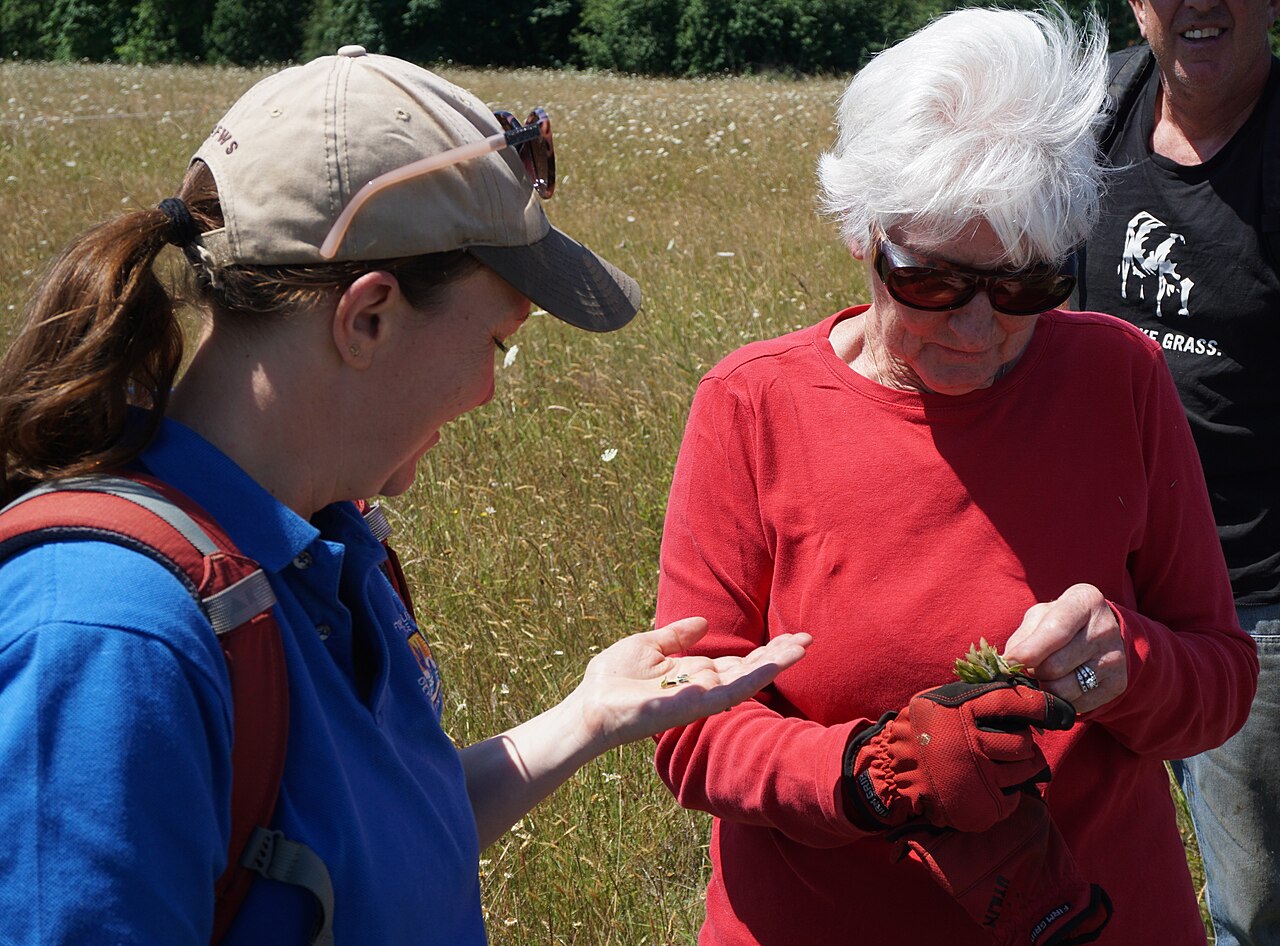
Since that listing, Oregon lupine has become a flagship species for Willamette Valley prairie restoration, with federal, state, and nonprofit partners propagating seed, reintroducing plants to protected prairie remnants, and working with private landowners to manage habitat. Growing nursery-propagated plants in home gardens within its range is a small but genuine way to support that ongoing recovery effort.
Frequently Asked Questions
Is Oregon lupine the same plant as Kincaid’s lupine?
Yes. Kincaid’s lupine refers to the Willamette Valley and southwestern Washington populations of Lupinus oreganus, long treated as a separate subspecies (Lupinus sulphureus ssp. kincaidii) before being recognized as part of this single species.
Can I dig up Oregon lupine from a roadside or field?
No. This species is federally threatened, and wild populations are already small and fragmented. Buy nursery-propagated plants or seed from reputable native plant suppliers instead, and never collect from the wild.
Is Oregon lupine poisonous?
Yes, like most lupines its foliage and seeds contain toxic alkaloids that can harm livestock, pets, and people if eaten in quantity. It should never be treated as an edible or medicinal plant.
Why is this plant important to Fender’s blue butterfly?
Fender’s blue butterfly caterpillars feed exclusively on Oregon lupine foliage (specifically the Kincaid’s lupine form) and cannot survive without it. The butterfly’s recovery is directly tied to restoring and protecting this lupine’s upland prairie habitat.
Will Oregon lupine grow outside the Willamette Valley?
It can be grown in similar Pacific Northwest climates west of the Cascades with well-drained soil and full sun, but it is best reserved for gardens and restoration sites within or near its native range, where it provides the greatest ecological benefit.

Looking for a nursery that carries Oregon Lupine?
Browse our native plant nursery directory: Oregon · Washington