California Poppy (Eschscholzia californica)
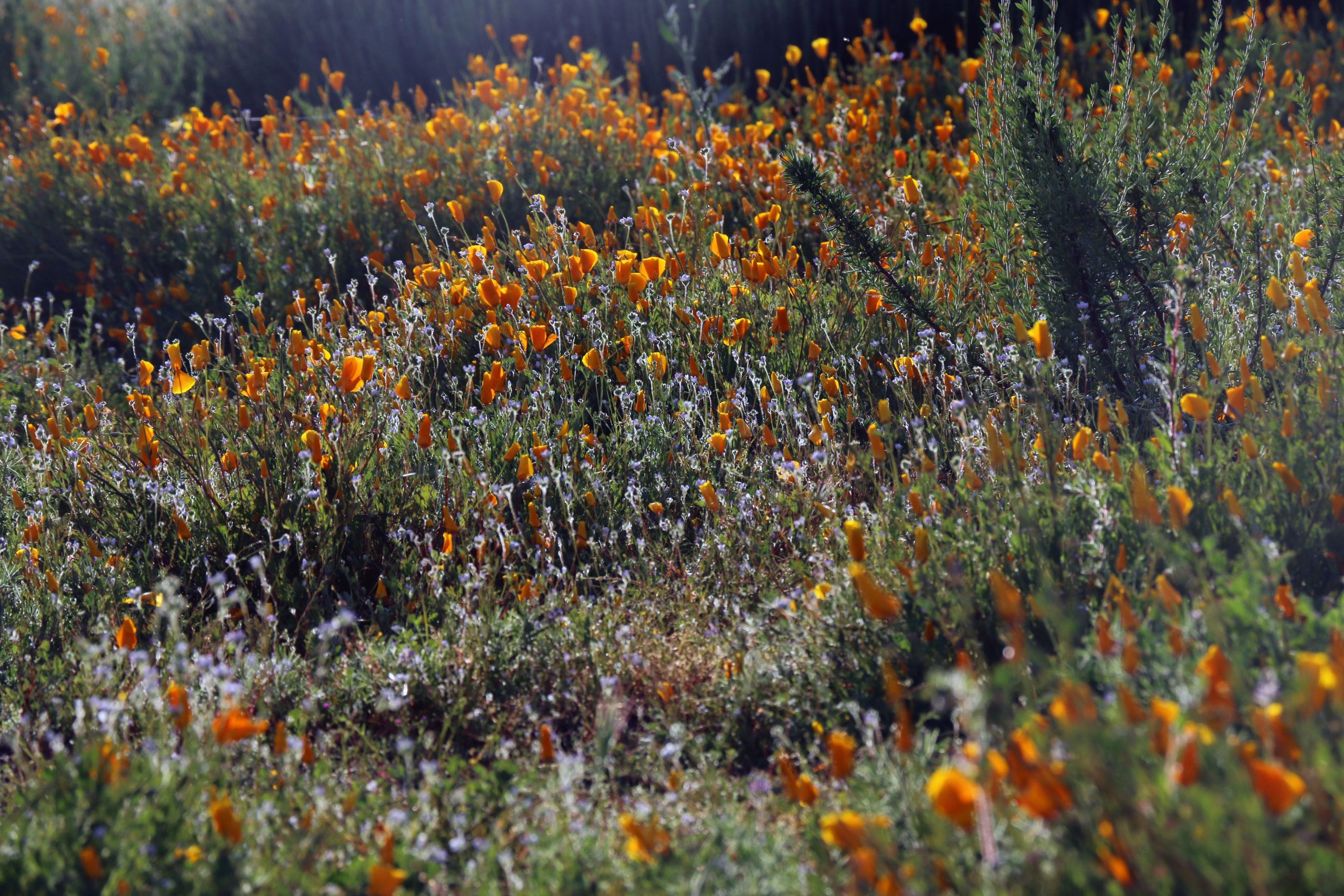
Eschscholzia californica, the California poppy, is the signature wildflower of the American West — a low, branching herbaceous plant whose silky, cup-shaped blooms turn hillsides and roadside verges a vivid orange-gold every spring. Named for the German naturalist Johann Friedrich von Eschscholtz and adopted as California’s state flower in 1903, this member of the poppy family (Papaveraceae) is as tough as it is beautiful, thriving in the lean, well-drained soils and long dry summers typical of the Pacific slope.
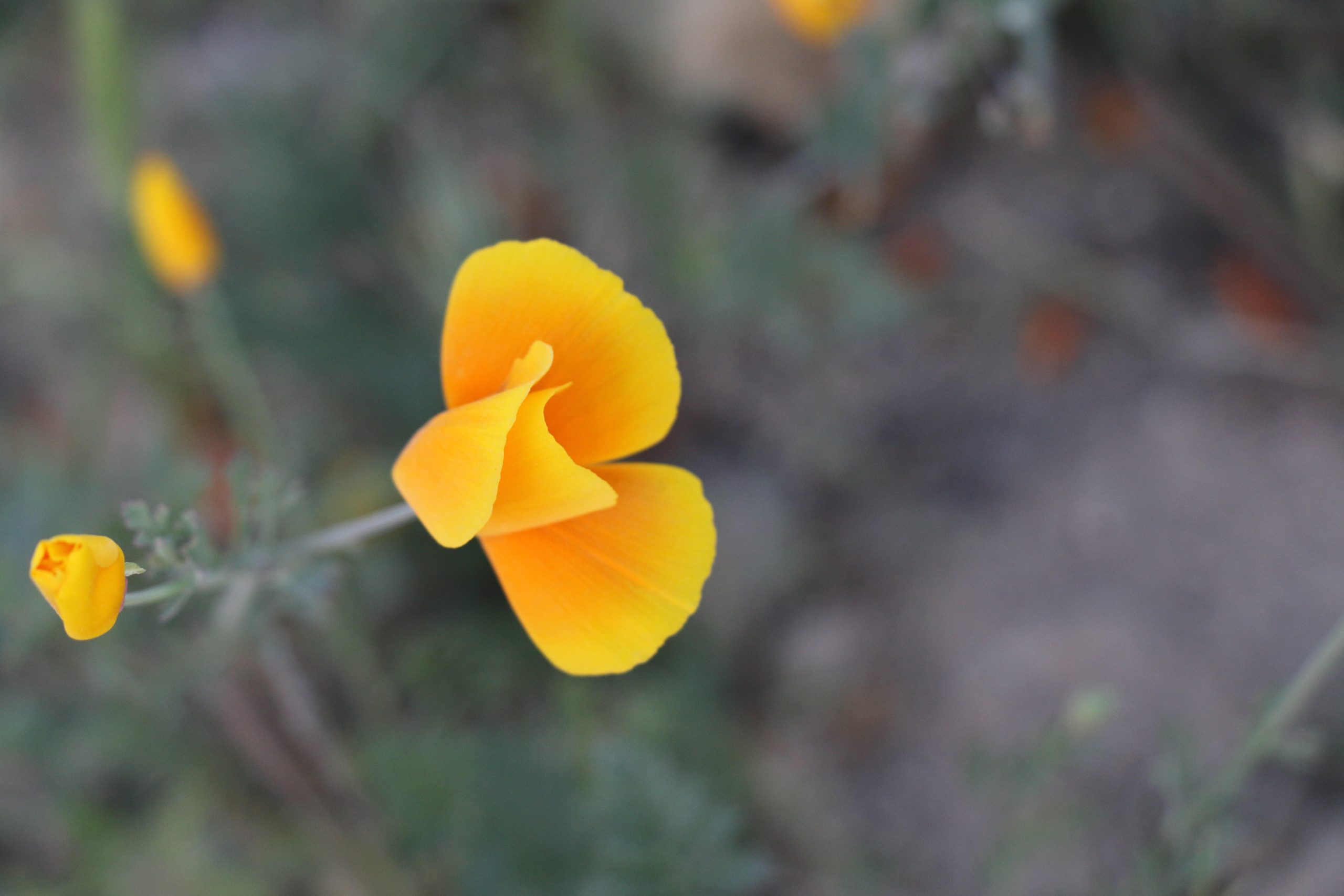
In the wild, California poppy grows as a short-lived perennial or reseeding annual, forming loose mounds of finely divided, blue-green, fern-like foliage topped by single four-petaled flowers that close at night and on overcast days, then reopen with the sun. The flowers range from deep orange at the base to pale gold at the petal tips, and a single healthy plant can produce dozens of blooms across a long flowering season. Its taproot runs deep, letting it shrug off drought once established — a trait that has made it a staple of low-water, pollinator-friendly gardens far beyond its native range.
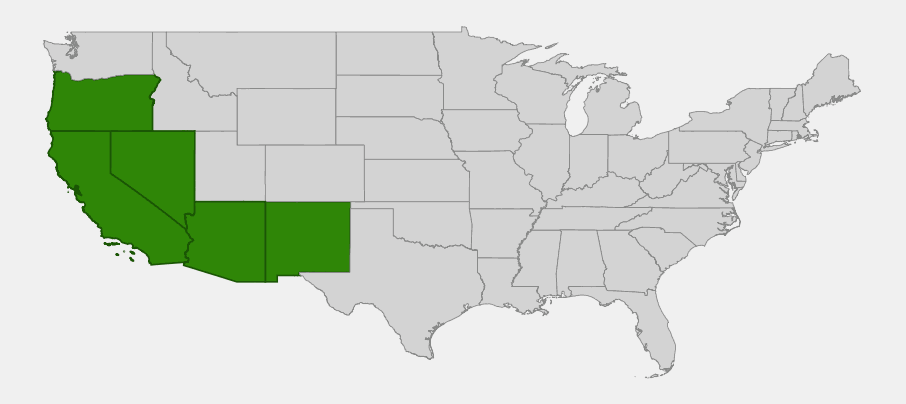
Despite its enormous popularity in seed mixes and gardens worldwide, true wild-type California poppy is native to a fairly specific slice of the continent: the Pacific coast and interior valleys from Oregon south through California into Baja California, and east across the Great Basin and the Southwest into Nevada, Arizona and New Mexico. Gardeners in those regions get the rare benefit of growing a plant that is both a beloved ornamental and a genuinely native wildflower, valuable to the native bees and other pollinators that evolved alongside it.
Identification
California poppy is unmistakable once it flowers, but the foliage and seed pods are useful markers before and after bloom. Expect a low, spreading plant 8 to 24 inches tall and about as wide, with a basal rosette of leaves and several branching, mostly leafless flowering stems.
Leaves
The leaves are alternate, finely dissected into narrow, thread-like lobes, and colored a distinctive blue-green to gray-green — a waxy coating (glaucous bloom) that helps the plant conserve moisture. The foliage has a delicate, almost feathery texture similar to carrot or fennel leaves, and it dies back in summer heat or hard freezes, with the plant regrowing from the root crown or self-sown seed.
Flowers
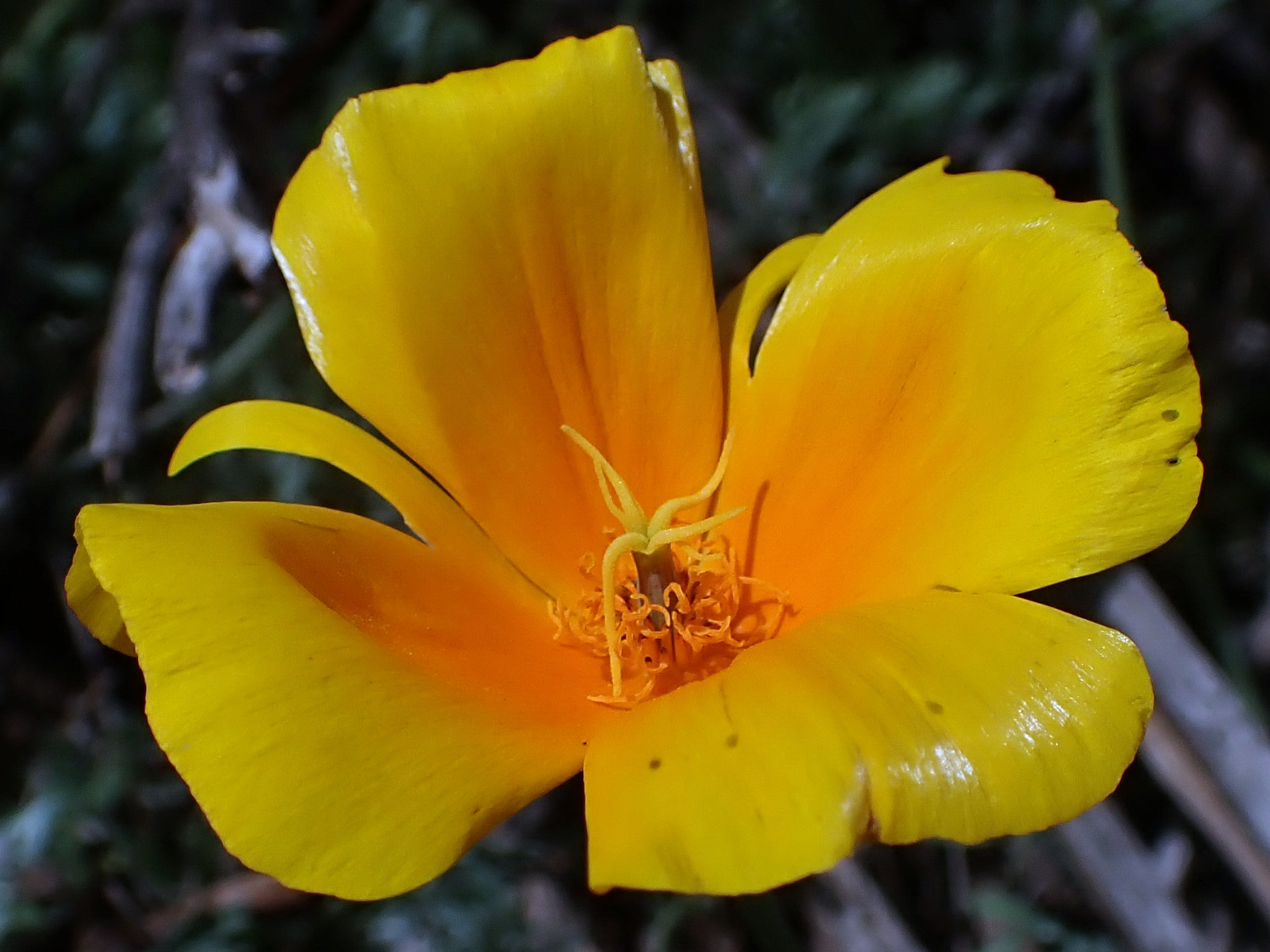
Each flower sits alone atop a long, slender stalk and has four silky, overlapping petals in a shallow cup or chalice shape, 1 to 2 inches across. Wild-type color is a rich orange deepening to near-red at the base, fading to golden-yellow toward the petal edges; naturalized and garden populations sometimes include paler yellow or cream forms. Before opening, the petals are fused into a pointed cap (calyptra) that pops off and is shed as a single piece as the flower unfurls — a quick way to confirm you’re looking at a true poppy relative. Flowers close in late afternoon, at night, and in cold or windy weather, and open fully only in sun.
Fruit & Seeds
After pollination, each flower forms a narrow, slightly curved seed capsule 2 to 4 inches long that stands upright on its stalk. As the capsule dries it splits explosively along two seams, flinging the tiny, round, dark brown to black seeds several feet from the parent plant — one reason established colonies spread readily by self-seeding.
Quick Facts
| Scientific Name | Eschscholzia californica |
| Family | Papaveraceae (Poppy) |
| Plant Type | Herbaceous annual or short-lived perennial wildflower |
| Mature Height | 8–24 in (20–60 cm) |
| Mature Spread | 12–18 in (30–45 cm) |
| Growth Rate | Fast |
| Sun Exposure | Full sun |
| Water Needs | Low once established; drought tolerant |
| Soil Type | Lean, fast-draining; sandy or gravelly |
| Soil pH | 6.0–8.0 (adaptable) |
| Bloom Time | February – September, depending on elevation and rainfall |
| Flower Color | Orange to golden-yellow |
| Fall Color | None; foliage dies back with heat or frost |
| Fruit | Narrow, upright seed capsule that splits explosively when ripe |
| Deer Resistant | Yes (foliage contains bitter alkaloids) |
| USDA Hardiness Zones | 6–10 |
Native Range
California poppy’s native range follows the Pacific slope and adjoining dry interior of the western United States. It is native from Oregon south through the length of California to northern Baja California, and extends east into the Great Basin of Nevada and, as the Mexican gold poppy form, the deserts and foothills of Arizona and New Mexico. Populations in Washington are naturalized garden escapes. Within this range it is especially abundant in California’s Central Valley, coastal ranges, and desert margins, where entire hillsides can turn orange during a good bloom year after wet winters.
The species favors open, disturbed, or sparsely vegetated ground: grassy slopes, coastal bluffs, roadsides, sagebrush flats, and dry washes from near sea level up to about 6,500 feet. It does best where competition is low and drainage is sharp, which is why it colonizes recently disturbed soil so readily and why it has naturalized so widely outside its native range — it has become a common garden escape and roadside wildflower well beyond the states where it originally evolved.
Outside the native range covered here, California poppy is cultivated and widely naturalized, including areas of the eastern United States, Europe, Australia, and South Africa, where it is sometimes considered an aggressive garden escape. Gardeners outside its native western range who want to support local pollinator communities should favor a regionally native wildflower instead; those within the native range listed above can plant it with confidence that it belongs on the local landscape.
📋 Regional plant lists featuring California poppy: Western Oregon & Western Washington · Arizona & New Mexico
Growing & Care Guide
California poppy is one of the easiest native wildflowers to establish, which is exactly why it has become a staple of low-water and pollinator gardens across the West. Give it sun and sharp drainage and it largely takes care of itself.
Light
Full sun is essential — at least 6 hours of direct light a day. In shade, plants stretch, flop, and bloom poorly. Along the foggy coast, California poppy tolerates the cooler, hazier light better than it would inland shade, but it still wants open sky rather than cover.
Soil & Water
This species evolved in lean, fast-draining soils and actually performs worse in rich, heavily amended garden beds, where it can grow leggy with fewer flowers. Sandy, gravelly, or rocky soils of average to low fertility are ideal. Water to establish seedlings, then taper off; established plants need little to no supplemental irrigation in most of their native range and can rot in soil that stays wet, especially in winter. In regions with summer rain, good drainage becomes even more important.
Planting Tips
California poppy is almost always grown from seed sown directly where it is to flower, since the taproot resents transplanting. Sow in fall in mild-winter areas (California, coastal Oregon and Washington) so seed can stratify naturally over winter and germinate with the first rains; in colder interior sites, sow in early spring as soon as the soil can be worked. Scatter seed on bare, lightly raked soil and press it in — do not bury it deeply, since it needs light to germinate. Once a patch is established, it will usually self-sow for years.
Pruning & Maintenance
Deadheading spent flowers extends bloom and limits unwanted spread; leaving some pods to mature lets the plant reseed for next year. Cut plants back hard after they decline in summer heat, or simply let them dry and self-sow. No fertilizing is needed, and in fact too much nitrogen reduces flowering in favor of foliage.
Landscape Uses
California poppy earns its place in many garden styles:
- Dryland and xeriscape beds where low water use is a priority
- Wildflower meadows and roadside plantings for broad seasonal color
- Pollinator gardens paired with other regional natives
- Slope and bank plantings where its taproot helps hold loose soil
- Rock gardens and gravel gardens that mimic its native lean soils
- Containers, provided drainage is excellent
Fire Ecology
As an annual or short-lived perennial that reproduces heavily from seed, California poppy is well adapted to fire-prone landscapes. Top growth is consumed by fire, but the soil seed bank typically survives and germinates readily on the open, ash-enriched ground that follows a burn, often producing spectacular blooms in the first spring or two after a fire.
Wildlife & Ecological Value
Though short-lived, California poppy pulls real ecological weight in the plant communities where it belongs, especially for pollinators active during its long bloom season.
For Pollinators
The flowers offer abundant pollen but no nectar, and they are visited heavily by native bees, especially solitary bees and bumble bees that forage for pollen to provision their nests. Honey bees and beetles also visit on warm, sunny days when the flowers are fully open. Because the blooms track the sun and close in poor weather, pollinator visits are concentrated into bright, warm hours — gardeners sometimes notice bees “sleeping” inside closed poppy flowers overnight or on cool mornings.
For Birds & Mammals
Seed-eating birds forage on the ripe capsules before they split, and the dense, low foliage of a well-established patch offers cover for small ground-dwelling insects and the birds that hunt them. Deer and rabbits generally avoid browsing the foliage, which contains bitter isoquinoline alkaloids, making it a reliable choice in gardens with heavy browsing pressure.
Ecosystem Role
As a fast-colonizing pioneer species, California poppy helps stabilize loose or recently disturbed soils and is often among the first wildflowers to reappear after fire, grading, or drought-breaking rain. Its deep taproot draws moisture and nutrients from below the reach of shallow-rooted annuals, and its dense spring root mass helps slow erosion on slopes during the rainy season before summer dieback.
Cultural & Historical Uses
California poppy held cultural significance for Indigenous peoples across its native range long before California statehood. Various California tribes used preparations of the plant topically and as a mild sedative in traditional practice, and the foliage was sometimes used in traditional games and decoration. These uses are a matter of historical and ethnobotanical record, not a recommendation for home use — the plant contains alkaloids that are not well suited to casual self-medication, and any medicinal use should be left to those trained in traditional or clinical practice.
Spanish and Mexican settlers in California called the hills covered in blooming poppies “tierra del fuego” (land of fire) for their blazing color, and early sailors reportedly used the golden glow of coastal poppy fields as a navigational landmark when approaching the California coast at night. The flower’s association with the state deepened over the following century.
In 1890, the California State Floral Society championed the poppy as a symbol of the state, and the legislature made it the official state flower in 1903. April 6 is recognized in California as California Poppy Day, and the flower has since become an enduring emblem of the state appearing on license plates, seals, and tourism imagery, as well as a widely planted ornamental in gardens across similar dry-summer climates worldwide.
Frequently Asked Questions
Is California poppy native to my state?
It is native to California, Oregon, Nevada, Arizona, and New Mexico. Elsewhere in the U.S. it is a popular garden plant and sometimes a naturalized escape, but it is not part of the original native flora outside the western states listed above.
Is California poppy edible or medicinal?
No part of the plant should be treated as food or home medicine. Historical use by California tribes as a mild sedative preparation is documented, but the species contains alkaloids that make casual ingestion inadvisable; it is best enjoyed as an ornamental and pollinator plant rather than harvested for use.
Will California poppy spread aggressively in my garden?
Within its native range, it self-seeds readily but is easy to manage by deadheading or hand-pulling unwanted seedlings. Outside its native range, especially in milder climates with summer rain, it can naturalize and persist longer than gardeners expect, so plant it with that in mind.
Why do my California poppy flowers stay closed?
The flowers close at night, in cold weather, on overcast days, and in shade, opening fully only in direct sun and warm temperatures. This is normal behavior, not a sign of a struggling plant.
Is California poppy deer resistant?
Yes. Its bitter alkaloids make the foliage unappealing to deer and rabbits, which is one reason it is such a reliable choice for gardens with significant browsing pressure.

Looking for a nursery that carries California poppy?
Browse our native plant nursery directory: California · Oregon · Arizona · Nevada & New Mexico