Southern California Black Walnut (Juglans californica)
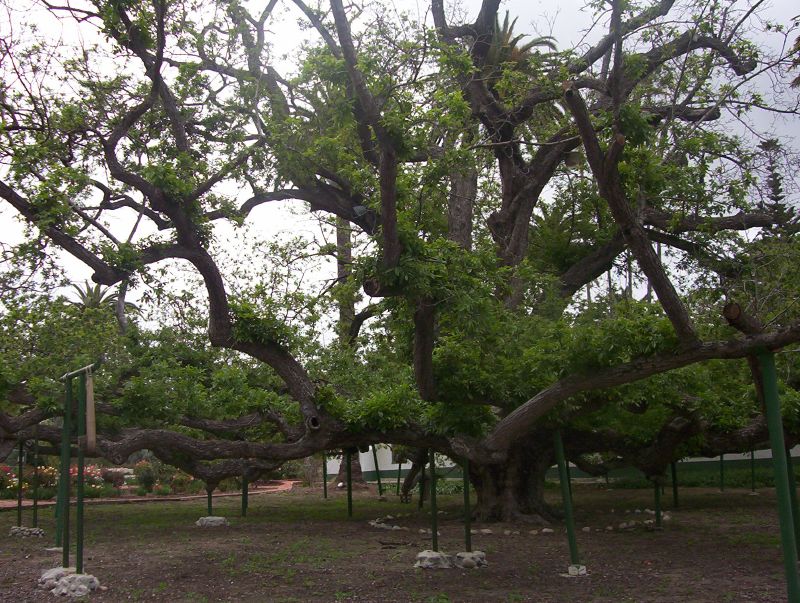
Juglans californica, the Southern California black walnut, is a gnarled, multi-trunked tree found nowhere else in the world outside the hills and canyons ringing the Los Angeles Basin. It once formed extensive woodlands across this region, but decades of urban development have reduced it to scattered groves — making every remaining stand a meaningful piece of Southern California’s native landscape rather than just another tree.
Unlike the tall, single-trunked eastern black walnut familiar to gardeners elsewhere in the country, Southern California black walnut typically grows as a broad, often multi-trunked tree with sprawling, twisting limbs, giving old specimens a sculptural, almost oak-like character. Its small, hard-shelled nuts are a far cry from the thin-shelled walnuts sold in stores, but they are an important food source for the region’s wildlife, particularly the western scrub-jay, which helps disperse and plant new trees.
For Southern California gardeners working with wild land, oak woodland restoration or large native-plant landscapes, this walnut offers a distinctive, long-lived tree that belongs nowhere else quite like it belongs here — but it does need room to spread and a strong commitment to summer drought once established.
Identification
Southern California black walnut typically grows as a broad, often multi-trunked tree 15 to 50 feet tall, with mature specimens sometimes spreading wider than they are tall. Many old trees branch low into several major trunks that arch and twist outward, creating a distinctive sprawling silhouette quite different from the straight, single-trunked habit of commercial walnut species.
Bark & Stems
Bark on mature trees is dark gray-brown to nearly black, deeply furrowed into rough, somewhat blocky ridges. Young twigs are stout and olive-brown, with a distinctive chambered (not solid) pith when cut lengthwise — a trait shared with other walnuts that can help confirm identification.
Leaves
Leaves are deciduous, pinnately compound, 8 to 12 inches long, composed of 11 to 19 narrow, lance-shaped leaflets with finely toothed margins. The foliage has the characteristic spicy, resinous walnut scent when crushed. Leaves emerge relatively late in spring and drop early in fall compared with many other California natives, giving the tree a noticeably short, late-starting growing season.
Flowers
Like other walnuts, this species is wind-pollinated and monoecious, with separate male and female flowers on the same tree. Male flowers hang in long, slender, yellow-green catkins, while female flowers are small and inconspicuous, borne in small clusters at the tips of new growth. Bloom occurs in spring as the leaves emerge.
Fruit & Seeds
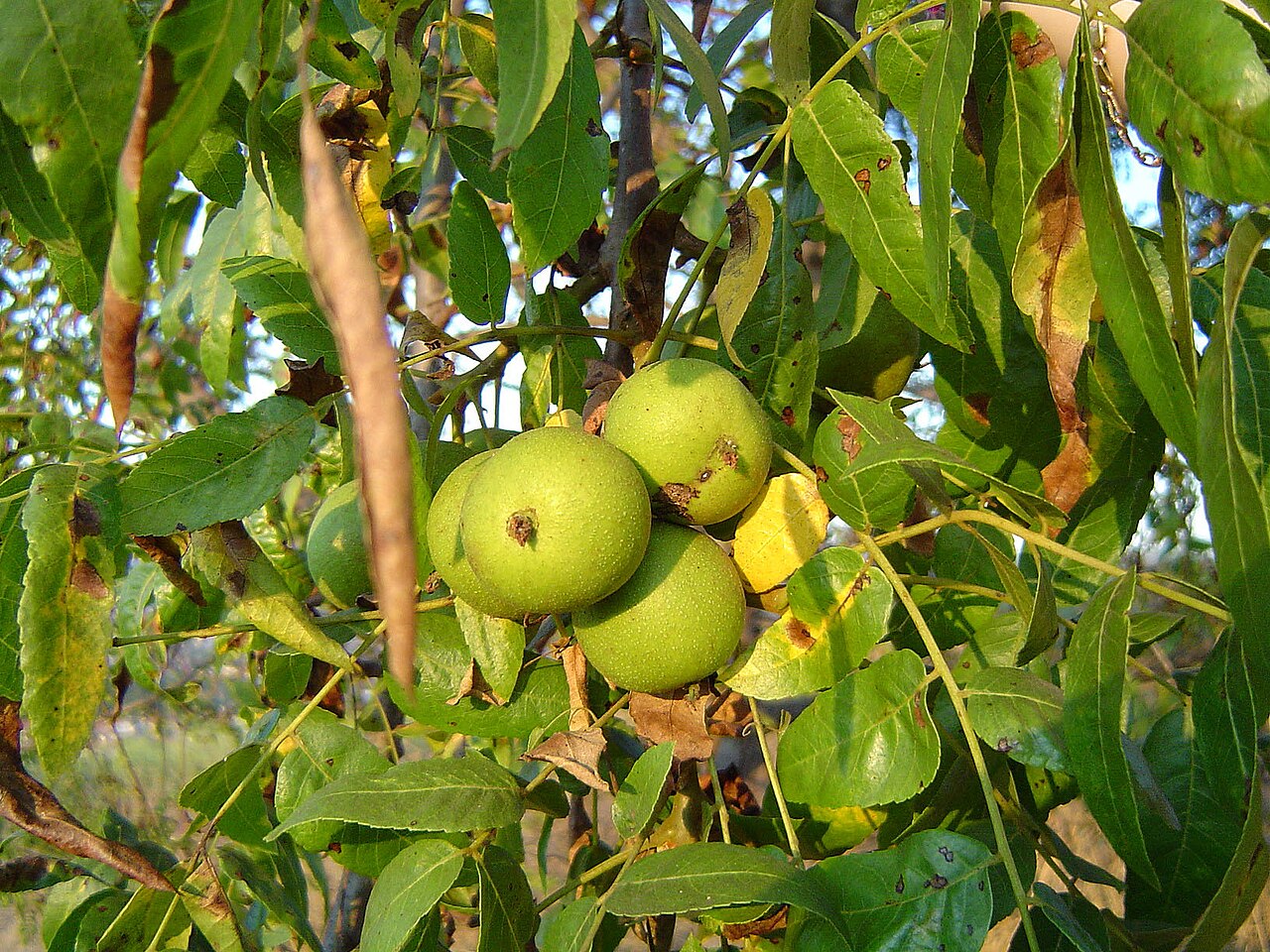
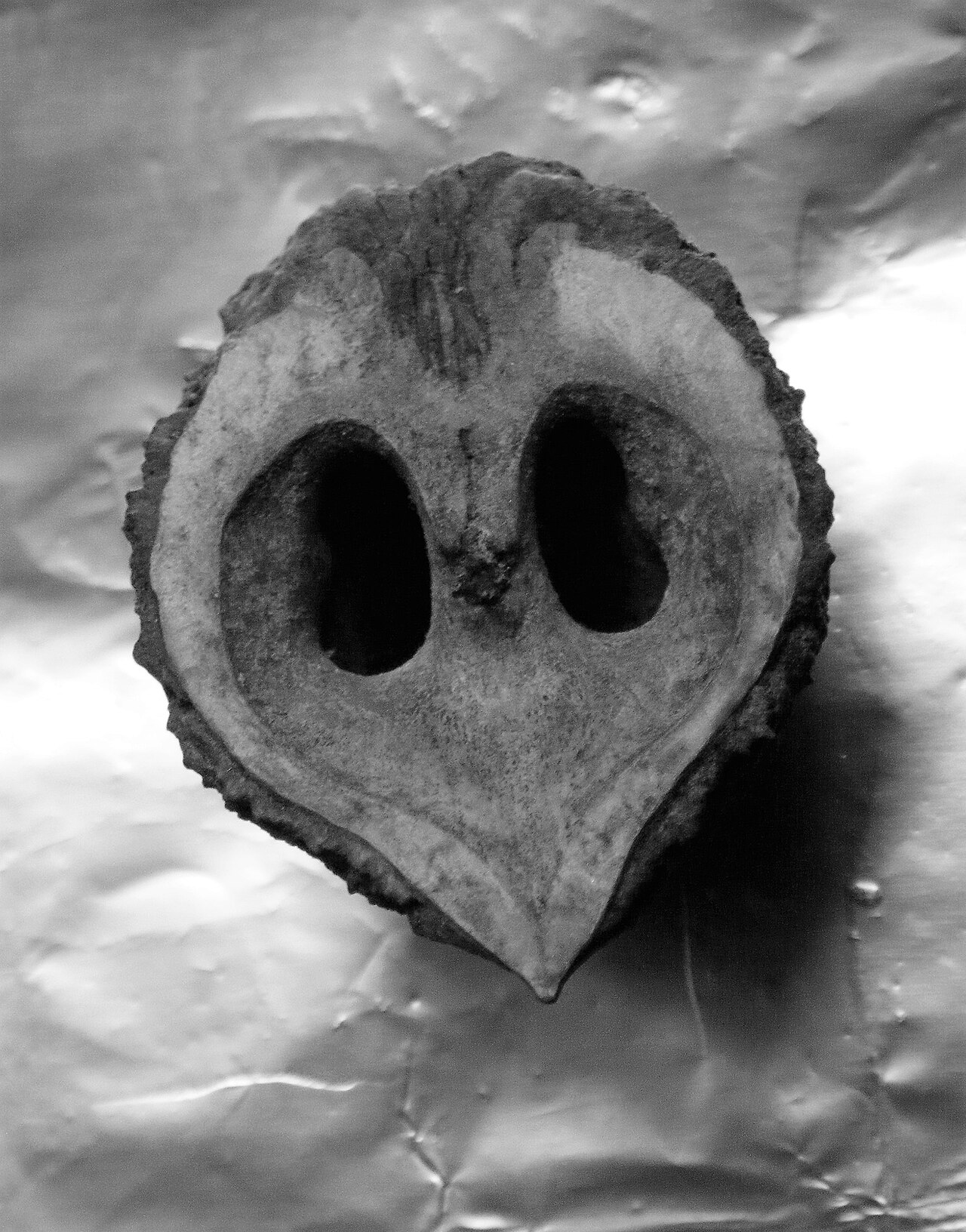
The fruit is a round nut, about ¾ to 1¼ inches across, encased in a thick, green, fleshy husk that turns dark brown and often splits somewhat as it dries in fall. The nut itself has a notably hard, thick shell and a small, oily kernel — much smaller and harder to extract than commercial walnut varieties, but a prized food source for jays, squirrels and other wildlife that are well equipped to crack it.
Quick Facts
| Scientific Name | Juglans californica |
| Family | Juglandaceae (Walnut) |
| Plant Type | Deciduous Tree |
| Mature Height | 15–50 ft |
| Mature Spread | 20–50 ft, often wider than tall on old multi-trunked trees |
| Growth Rate | Slow to moderate |
| Sun Exposure | Full Sun |
| Water Needs | Low once established; summer drought tolerant |
| Soil Type | Well-drained loam, clay-loam or rocky slopes |
| Soil pH | Slightly acidic to slightly alkaline (6.0–7.5) |
| Bloom Time | March – May |
| Flower Color | Yellow-green catkins, inconspicuous |
| Fall Color | Yellow, with early leaf drop |
| Fruit | Hard-shelled walnuts in green husks, fall |
| Deer Resistant | Yes, generally |
| USDA Hardiness Zones | 8–10 |
Native Range
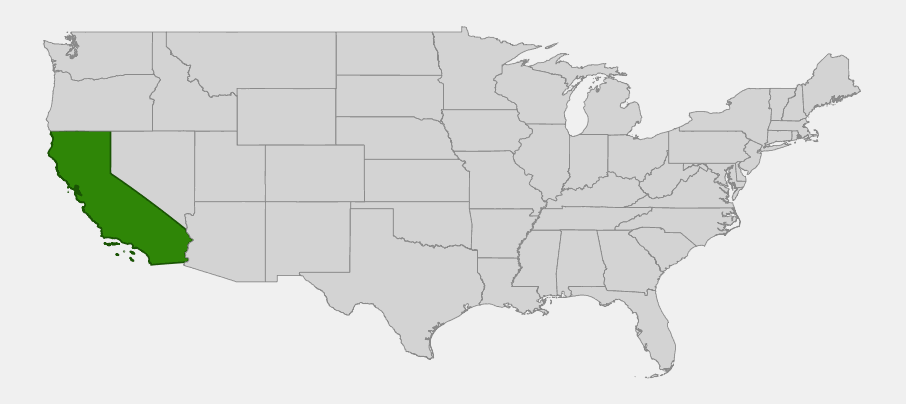
Southern California black walnut is endemic to a relatively small area of Southern California, centered on the hills and canyons surrounding the Los Angeles Basin. Its native range runs from Ventura and Santa Barbara counties south and east through the San Fernando and San Gabriel Valleys, the Santa Monica and Puente-Chino Hills, and into Orange, Riverside and San Bernardino counties, with the southernmost populations reaching San Diego County. It grows nowhere else in the world.
Typical habitat is dry, south-facing slopes, canyon bottoms and the margins of coast live oak woodland and chaparral, usually below about 3,000 feet elevation. Historically, this species formed extensive woodlands — sometimes called “walnut forests” by early botanists — across parts of the Los Angeles Basin foothills, often alongside coast live oak, forming a distinctive plant community now recognized as one of California’s rarer native woodland types.
Urban and suburban development across the Los Angeles Basin over the past century has eliminated the great majority of this species’ historical habitat, and most remaining stands are fragmented and confined to parks, preserves and undeveloped hillsides. Some of the best-preserved groves survive in places such as the Puente Hills, Chino Hills and parts of the Santa Monica Mountains, making conservation of remaining stands a priority for regional land managers.
📋 Regional plant lists featuring Southern California Black Walnut: California & Nevada
Growing & Care Guide
Southern California black walnut rewards patience: it grows more slowly than many landscape trees, but mature specimens are long-lived, strikingly sculptural, and tough enough to handle the dry, hot summers of the Los Angeles Basin without supplemental water.
Light
Plant in full sun. This species is adapted to open, south-facing slopes and performs best with abundant direct sunlight; it does not thrive as an understory tree the way some California natives do.
Soil & Water
Southern California black walnut tolerates a range of well-drained soils, from rocky slope soils to clay-loam, and does not require particularly rich ground. Water young trees regularly through their first two to three summers to establish a deep root system. Once established, it is genuinely drought tolerant and should receive little to no supplemental summer water — overwatering established trees, especially near the trunk, can promote root rot, a significant cause of decline in landscape plantings of this species.
Planting Tips
Plant container stock or direct-seed fresh nuts in fall, timed with the onset of winter rains. Give this tree plenty of room: mature specimens can spread as wide as 40 to 50 feet, especially when allowed to branch low into a multi-trunked form as they do naturally. Avoid planting near pavement, foundations or irrigated lawn areas, since the combination of root disturbance and summer moisture is a common cause of poor performance in cultivated specimens.
Pruning & Maintenance
Minimal pruning is needed once a tree’s basic structure is established. Remove dead or crossing branches in late winter dormancy. Many of the most admired old specimens have been left to develop their natural low, spreading, multi-trunked form rather than trained to a single clean trunk, which better reflects the species’ wild character. Established trees need essentially no supplemental fertilizer.
Landscape Uses
- Oak woodland restoration and large native-plant landscapes with room for a wide-spreading mature canopy
- Specimen or shade tree in large, unirrigated or minimally irrigated yards
- Wildlife gardens, for the fall nut crop favored by jays and squirrels
- Slope and open-space plantings on dry, south-facing hillsides within its native range
- Habitat connectivity plantings linking fragmented remnant walnut woodland stands
Wildlife & Ecological Value
As one of the signature trees of the Los Angeles Basin’s remaining wild foothills, Southern California black walnut supports wildlife relationships found almost nowhere else.
For Pollinators
Being wind-pollinated, this walnut offers little nectar, but its broad canopy provides habitat structure and shelter for a range of beneficial insects, and the abundant pollen from its spring catkins supports some generalist pollen-feeding species.
For Birds
Western scrub-jays are the walnut’s most important animal partner: they harvest and cache the nuts widely, and the caches they fail to retrieve often sprout into new trees — a classic case of a bird effectively planting its own food source. Other birds use the broad canopy for nesting and foraging, particularly in fragmented habitat where mature trees of this size are increasingly scarce.
For Mammals
Squirrels readily gnaw through the thick shells to reach the oily kernels, and other small mammals forage beneath the trees for fallen nuts. The dense, spreading canopy of old multi-trunked specimens also provides significant shade and cover in otherwise open foothill terrain.
Ecosystem Role
Southern California black walnut woodland is considered one of California’s rarer native plant communities, and remaining stands are important refugia for the broader suite of species associated with this historically much more extensive habitat type. Mature trees with their deep root systems also help stabilize the steep, erosion-prone slopes typical of the Los Angeles Basin foothills.
Cultural & Historical Uses
Indigenous peoples of the Los Angeles Basin, including the Tongva and Chumash, harvested and processed the nuts of this walnut as a food source, despite the labor required to crack the unusually thick shells, and made use of various other plant parts in traditional practices documented among Southern California tribes.
Early Spanish and Mexican-era settlers and ranchers in the region also recognized the tree, and some of the oldest documented specimens, such as the famous tree at Rancho Camulos in Ventura County, have stood on historic ranch properties for roughly two centuries, becoming local landmarks in their own right.
In the twentieth century, as the Los Angeles Basin urbanized rapidly, this walnut’s native woodlands became one of the more visible casualties of regional development, and the species has since become something of a symbol for Southern California native plant conservation, with remaining groves actively protected in several regional parks and open-space preserves.
Frequently Asked Questions
Can you eat Southern California black walnut nuts?
Yes, the kernels are edible, though the shells are notably thick and hard to crack compared with commercial walnuts, and the kernel inside is smaller. Historically, Indigenous peoples of the region harvested and processed them as a food source.
Is this the same species as regular black walnut trees sold for lumber or nuts?
No. Southern California black walnut (Juglans californica) is a distinct California-endemic species, different from the eastern black walnut (Juglans nigra) grown commercially for timber and nuts, and also different from the related Northern California black walnut (Juglans hindsii), native to Central and Northern California.
Why does this tree often have multiple trunks?
Many Southern California black walnuts naturally branch low into several major trunks rather than growing a single straight trunk, especially on open hillsides. This multi-trunked habit is typical of the species and part of what gives mature specimens their distinctive sculptural form.
How much water does this tree need once established?
Very little. Established Southern California black walnut is genuinely drought tolerant and adapted to the region’s dry summers. Regular summer irrigation, especially near the trunk, can promote root disease and is one of the more common causes of decline in landscape specimens.
Is Southern California black walnut rare?
Its native woodland habitat has been greatly reduced by development across the Los Angeles Basin, and the plant community it forms is considered one of California’s rarer native vegetation types. Planting verified native stock within its historic range helps support ongoing conservation of this distinctive Southern California tree.

Looking for a nursery that carries Southern California Black Walnut?
Browse our native plant nursery directory: California