Coyote Mint (Monardella villosa)
Monardella villosa, commonly called coyote mint, is a low, aromatic perennial in the mint family native to California and the far southwestern corner of Oregon. It forms loose mounds of gray-green, mint-scented foliage topped from late spring through summer by round, pom-pom-like clusters of lavender to purple-pink flowers. Crush a leaf and you’ll catch a sharp, minty-sagey fragrance that makes this plant as much a treat for the nose as for the eye.
Coyote mint grows naturally on dry slopes, in chaparral openings and along woodland edges throughout much of California, from the Coast Ranges to the Sierra Nevada foothills. It is a variable species, with botanists recognizing several subspecies that differ somewhat in leaf shape, hairiness and flower color, but all share the same tidy mounding habit and powerful mint fragrance.
For California gardeners, coyote mint is one of the best low perennials for a dry, sunny border. It asks for almost nothing once established, draws butterflies and bees in impressive numbers through the heat of summer, and its gray-green foliage and rounded form provide a soft textural contrast to spikier native companions like buckwheats and sages.
Identification
Coyote mint is a compact, shrubby perennial that is easiest to identify by combining its aromatic, opposite leaves with its distinctive round flower heads, a classic mint-family (Lamiaceae) trait shared with its relatives the monardas and pennyroyals.
Growth Habit
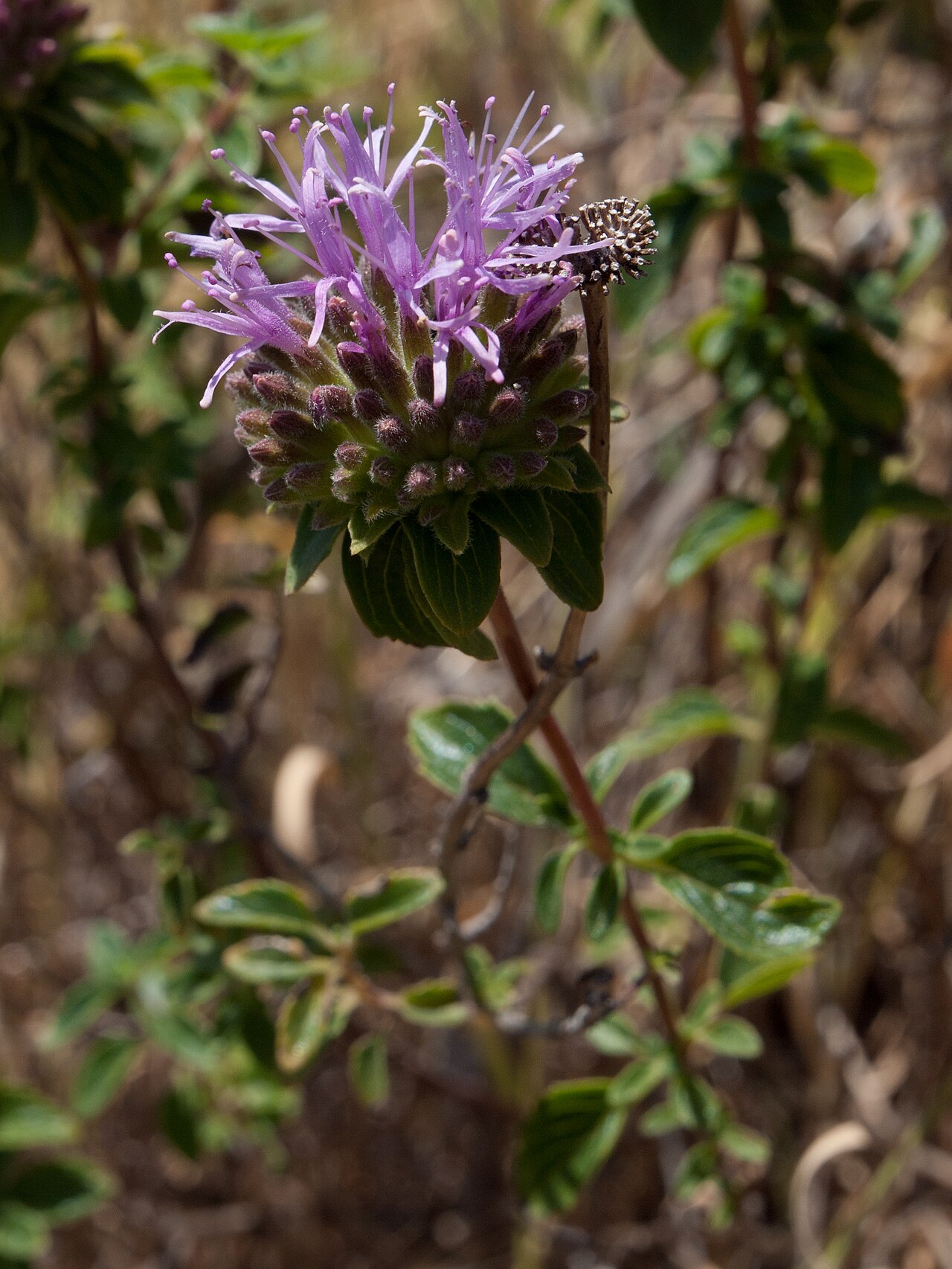
Plants form loose, rounded mounds 1 to 2 feet tall and somewhat wider, with square, slightly woody stems typical of the mint family. Some populations die back substantially in winter and resprout from a woody base, while others stay semi-evergreen in milder coastal gardens.
Leaves
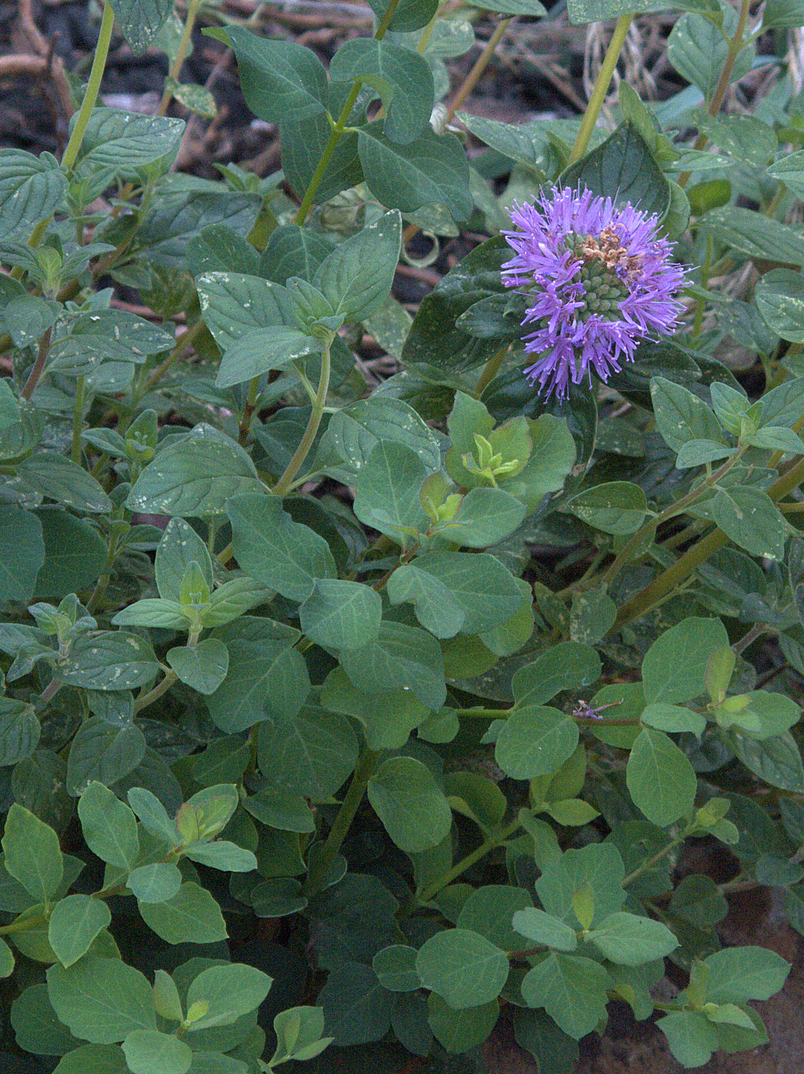
Leaves are opposite, oval to lance-shaped, about 1 to 2 inches long, usually gray-green and covered in fine hairs that give the foliage a soft, slightly felted look. When crushed or brushed against, the leaves release a strong minty, slightly resinous fragrance that is the plant’s most reliable identifying feature in the field.
Flowers
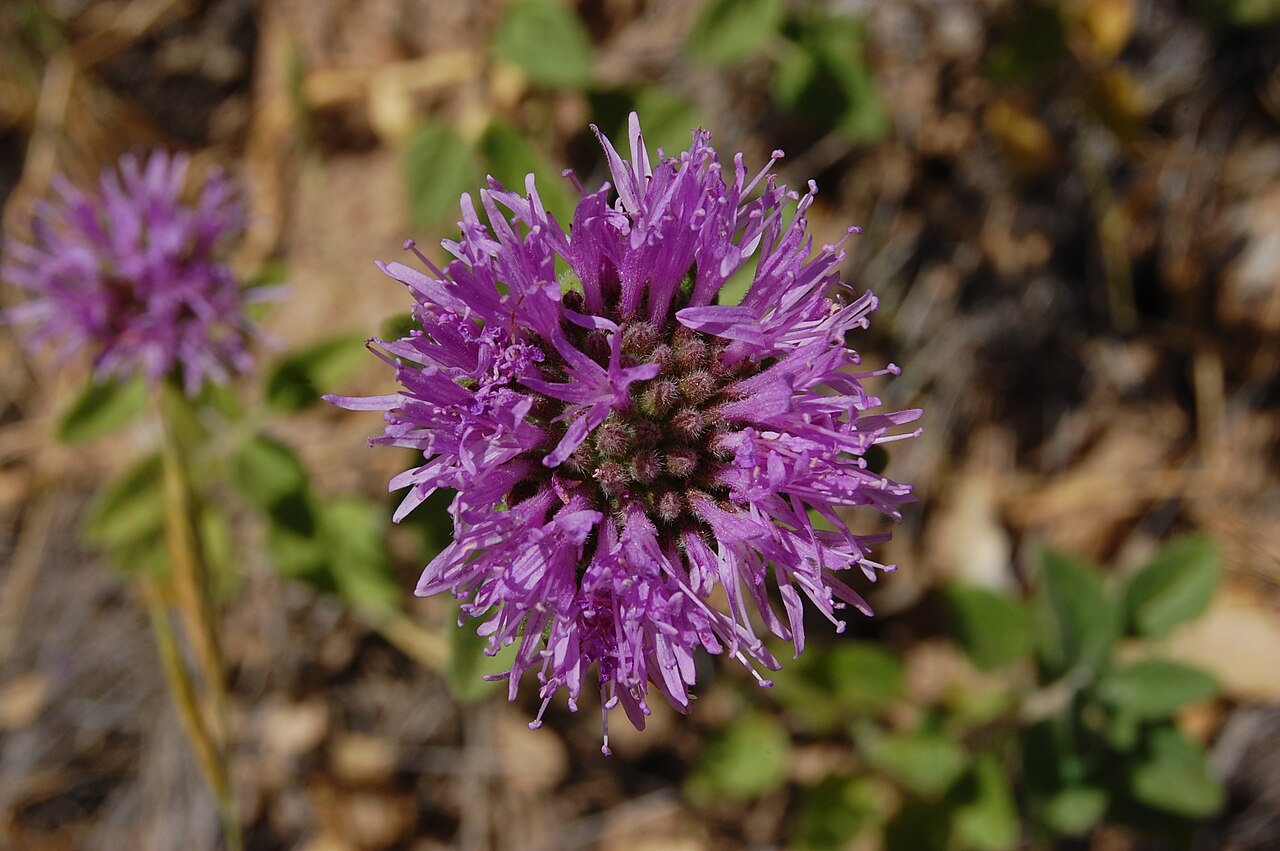
Flowers are tiny and tubular, but they are packed by the dozens into dense, rounded to globe-shaped heads about 1 to 1.5 inches across, held at the tips of the stems. Flower color ranges from pale lavender to deep purple-pink depending on the population. Bloom runs from June through September, peaking in the heat of midsummer when many other wildflowers have already finished.
Fruit & Seed
After bloom, each tiny flower leaves behind four small nutlets typical of the mint family, held within the persistent, papery calyx. The dried flower heads often remain attractive on the plant into fall and are easy to collect for seed.
Quick Facts
| Scientific Name | Monardella villosa |
| Family | Lamiaceae (Mint) |
| Plant Type | Perennial herb / subshrub |
| Mature Height | 1–2 ft |
| Mature Spread | 1.5–2.5 ft |
| Growth Rate | Moderate |
| Sun Exposure | Full Sun to Part Shade |
| Water Needs | Low once established; drought tolerant |
| Soil Type | Well-drained loam, sand or rocky soil |
| Soil pH | Neutral to slightly acidic (about 6.0–7.0) |
| Bloom Time | June – September |
| Flower Color | Lavender to purple-pink |
| Fall Color | None notable; gray-green foliage year-round in mild climates |
| Fruit | Small dry nutlets, not ornamental |
| Deer Resistant | Yes (aromatic foliage) |
| USDA Hardiness Zones | 7–10 |
Native Range
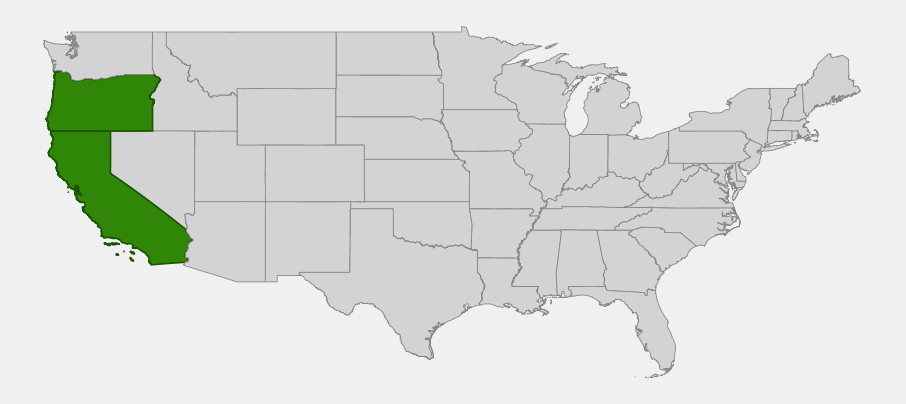
Coyote mint is native to California, where it occurs widely from the North Coast and Coast Ranges south through the Central Coast and into the Sierra Nevada foothills, and it also reaches a short distance north into the coastal counties of southwestern Oregon. Several recognized subspecies occupy somewhat different parts of this range, from coastal bluffs to interior foothill chaparral.
Typical habitat is open, sun-baked ground on dry slopes, grassland and chaparral openings, oak woodland edges and rocky outcrops, generally at low to middle elevations. Coyote mint is adapted to California’s dry summer climate and often grows alongside other drought-tolerant natives such as California buckwheat, sagebrush and manzanita, blooming heavily right through the driest, hottest part of the year.
📋 Regional plant lists featuring Coyote Mint: California & Nevada · Western Oregon & Western Washington
Growing & Care Guide
Coyote mint is an easygoing, low-water perennial that rewards a lean, well-drained site with months of fragrant bloom and heavy pollinator traffic. It is well suited to California gardens that mimic its native dry-slope habitat.
Light
Full sun gives the densest, most floriferous plants, especially near the coast. In hot inland gardens, light afternoon shade keeps the foliage from scorching and extends the bloom period. Too much shade leads to loose, floppy growth and fewer flowers.
Soil & Water
Good drainage is essential; coyote mint struggles in heavy, wet clay, especially in winter. Sandy or rocky loam suits it best. Water regularly through the first year to establish a deep root system, then taper off; established plants need little to no supplemental water beyond normal winter rain and are a good choice for a true dry garden. Overwatering in summer is a more common problem than underwatering.
Planting Tips
Plant in fall or early spring so roots can establish before the heat of summer. Space plants 18 to 24 inches apart to allow for their mounding habit. Avoid heavy mulch piled against the woody base, which can encourage crown rot in wetter gardens; a light gravel mulch works better than bark in slow-draining soil.
Pruning & Maintenance
Shear plants back lightly by about a third after the main flush of bloom to encourage a tidier mound and sometimes a second round of flowers. In colder or wetter winters, some populations die back to a woody base; cut back dead growth in early spring once new growth resumes. Established plants need little other maintenance and have no significant pest or disease problems.
Propagation
Coyote mint can be grown from seed sown in fall, though germination is sometimes slow and uneven. The more reliable method is softwood cuttings taken in late spring or early summer, which root readily in a well-drained mix. Established clumps can also be divided in fall.
Landscape Uses
- Dry, sunny borders paired with buckwheats, sages and other low-water natives
- Butterfly and pollinator gardens, as a reliable mid- to late-summer nectar source
- Rock gardens and slopes, where its drought tolerance and mounding habit suit a lean, well-drained site
- Fragrance gardens, planted along paths where leaves can be brushed in passing
- Fire-wise landscaping, as a low, well-hydrated groundcover-scale plant for defensible space when kept away from structures and irrigated
Wildlife & Ecological Value
Coyote mint is prized in California native gardens above all for the pollinator activity it draws through the hottest months of summer, when many other flowers have finished.
For Pollinators
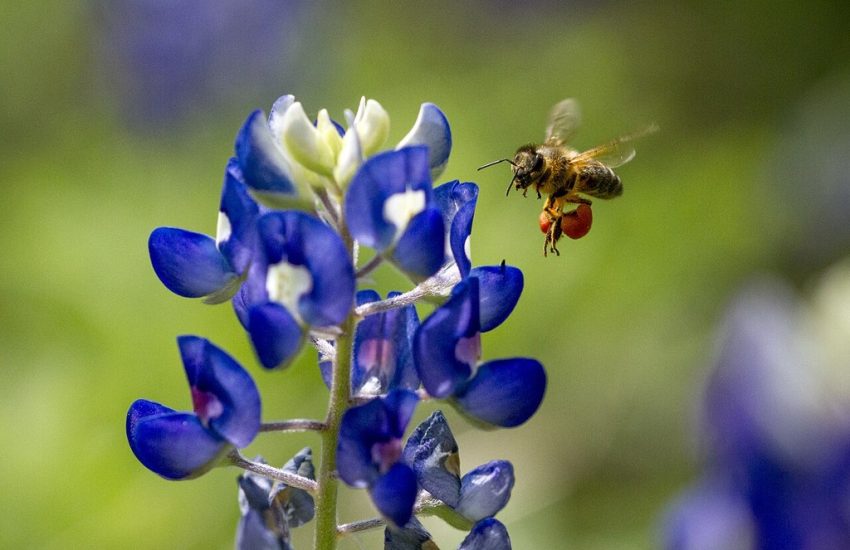
The flower heads are magnets for native bees, honeybees, and especially butterflies, including swallowtails and many smaller species, which nectar on the tightly packed tubular flowers. Hummingbirds visit occasionally as well. Coyote mint is consistently ranked among the best summer nectar plants for California gardens.
For Birds
While not a major food source for birds directly, the insect activity the flowers attract provides foraging opportunities for insectivorous birds, and the dense mounding foliage offers some cover for small ground-foraging species.
For Mammals
The strongly aromatic foliage makes coyote mint unpalatable to deer and rabbits, which browse around it even in gardens where other plants are heavily grazed.
Ecosystem Role
As a drought-adapted perennial that blooms through the dry season, coyote mint helps sustain pollinator populations during California’s long, dry summers when fewer other nectar sources are available, making it an ecologically valuable component of chaparral and foothill plant communities.
Cultural & Historical Uses
Several California Indigenous groups historically used coyote mint and related Monardella species as an aromatic herb, brewing the leaves into a mint-like tea and using the plant in traditional remedies for minor ailments such as colds and stomach upset. The strong, pleasant fragrance also made it valued as a general aromatic plant.
These uses are a matter of historical and ethnobotanical record rather than guidance for modern use; anyone interested in herbal preparations from wild Monardella should consult a qualified herbalist rather than relying on historical accounts. Today coyote mint’s main significance is horticultural, as a staple of California native plant gardens valued for its fragrance, drought tolerance and pollinator appeal.
Frequently Asked Questions
Does coyote mint spread aggressively like other mints?
No. Unlike many mint-family plants that spread by running rhizomes, coyote mint stays in a well-behaved mound and does not take over a garden bed.
How much water does coyote mint need?
Very little once established. Water regularly the first year to build a deep root system, then rely mostly on winter rain; established plants are genuinely drought tolerant and resent constant summer watering.
Why does my coyote mint look leggy?
Too much shade, too much water, or skipping the post-bloom trim are the most common causes. A light shearing after the main bloom flush each year keeps plants compact.
Is coyote mint edible?
It has a history of use as a traditional aromatic tea among California Indigenous peoples, but it is grown in gardens today primarily as an ornamental and pollinator plant, not as a culinary herb, and it should not be treated as a food substitute.
Will coyote mint grow outside California?
It is native to California and a small part of southwestern Oregon, and it performs best in Mediterranean-climate gardens with dry summers; gardeners in wetter or more humid climates often find it short-lived.

Looking for a nursery that carries Coyote Mint?
Browse our native plant nursery directory: California · Oregon