Sky Lupine (Lupinus nanus)
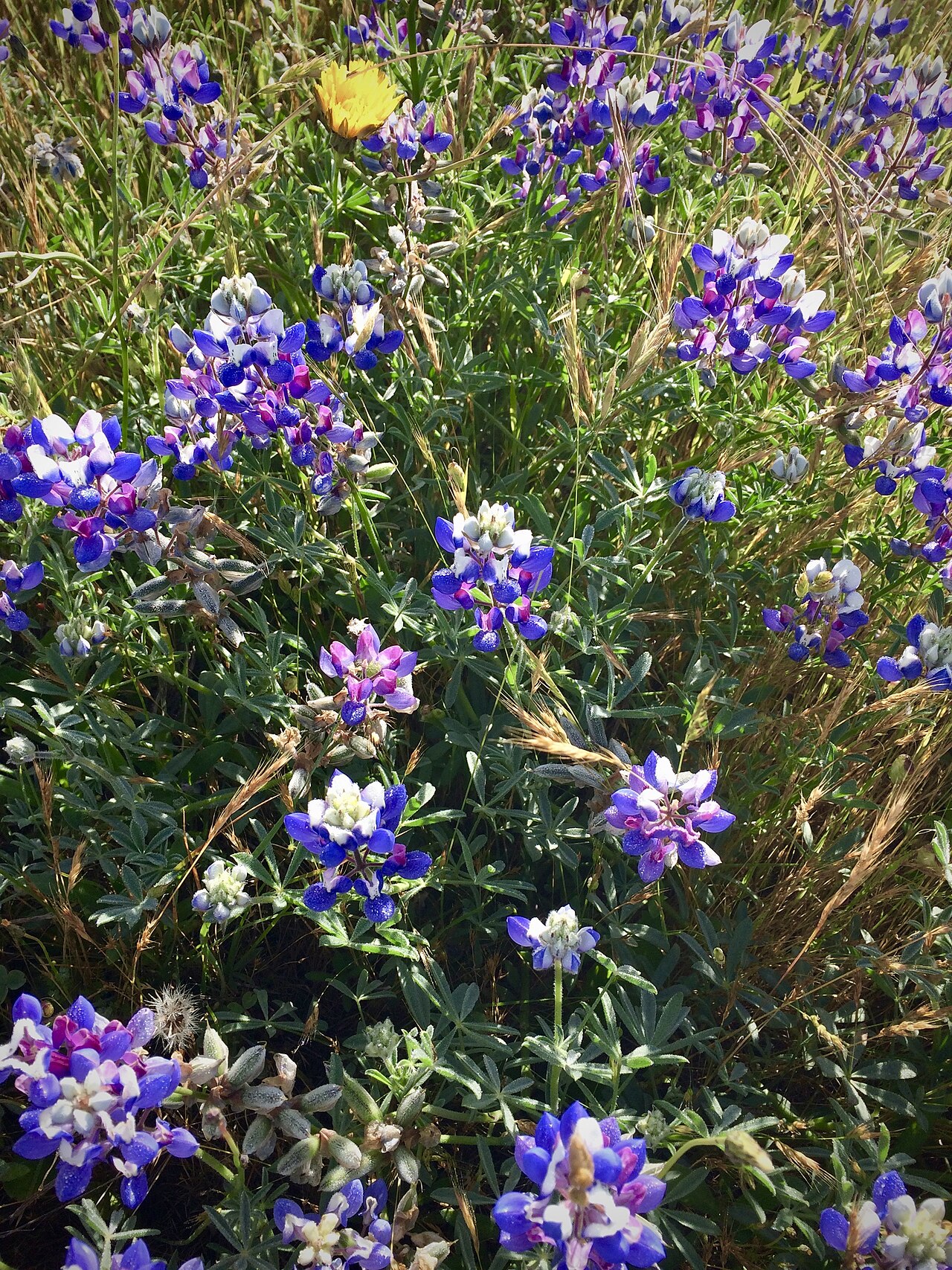
Lupinus nanus, commonly called sky lupine (also field lupine, dwarf lupine, or Douglas’ annual lupine), is a low-growing annual wildflower native to California and western Nevada. A member of the legume family (Fabaceae), it is one of the signature blue wildflowers of California’s spring, often carpeting grassy hillsides and valley floors in sheets of sky-blue, violet, and white.
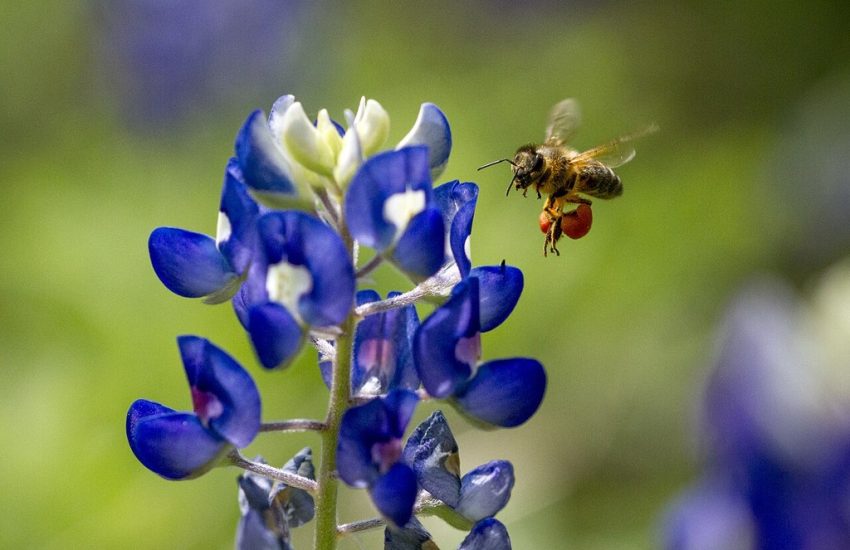
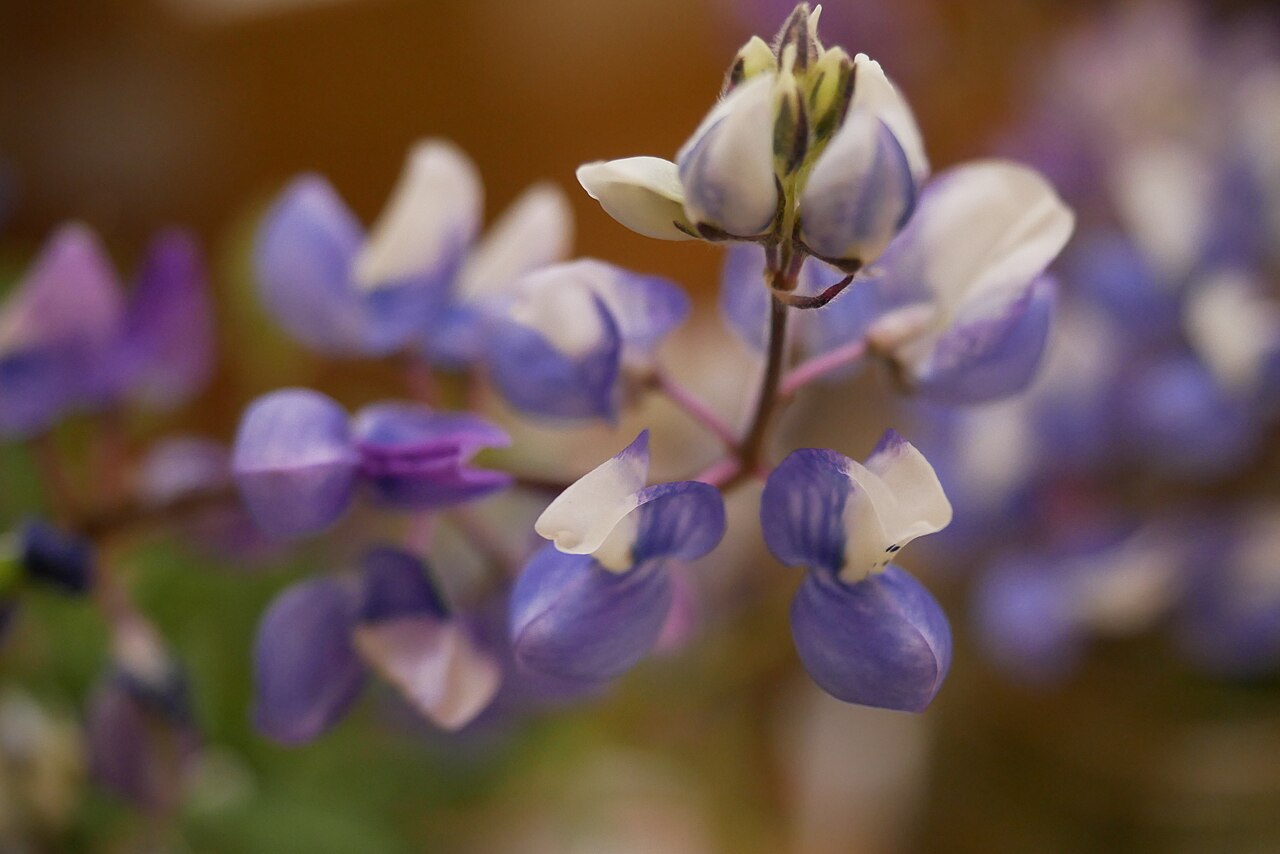
Sky lupine is an annual, completing its entire life cycle — germination, growth, bloom, seed set, and death — within a single growing season. It typically grows 6 to 16 inches tall, with soft, hairy, palmately divided leaves and dense spikes of pea-shaped flowers in whorled clusters along the upper stem. The flowers are usually blue to violet with a contrasting white or pale center spot that darkens to purple or maroon with age and pollination — a common lupine trait that signals to bees which flowers still hold a nectar reward.
In the garden or a restoration planting, sky lupine is valued for exactly the reason it is famous in the wild: massed together, it produces some of the showiest spring color of any California annual, and as a legume it also fixes nitrogen in the soil, improving conditions for the many other wildflowers it grows alongside.
Identification
Sky lupine is a slender annual with soft, hairy stems and foliage, branching from the base and growing upright or slightly sprawling.
Leaves
The leaves are palmately compound, divided into 6 to 9 narrow, spoon-shaped leaflets radiating from a central point like fingers from a palm, each leaflet ½ to 1½ inches long. Both leaves and stems are covered in fine, soft hairs, giving the foliage a slightly silvery-green, velvety look.
Flowers
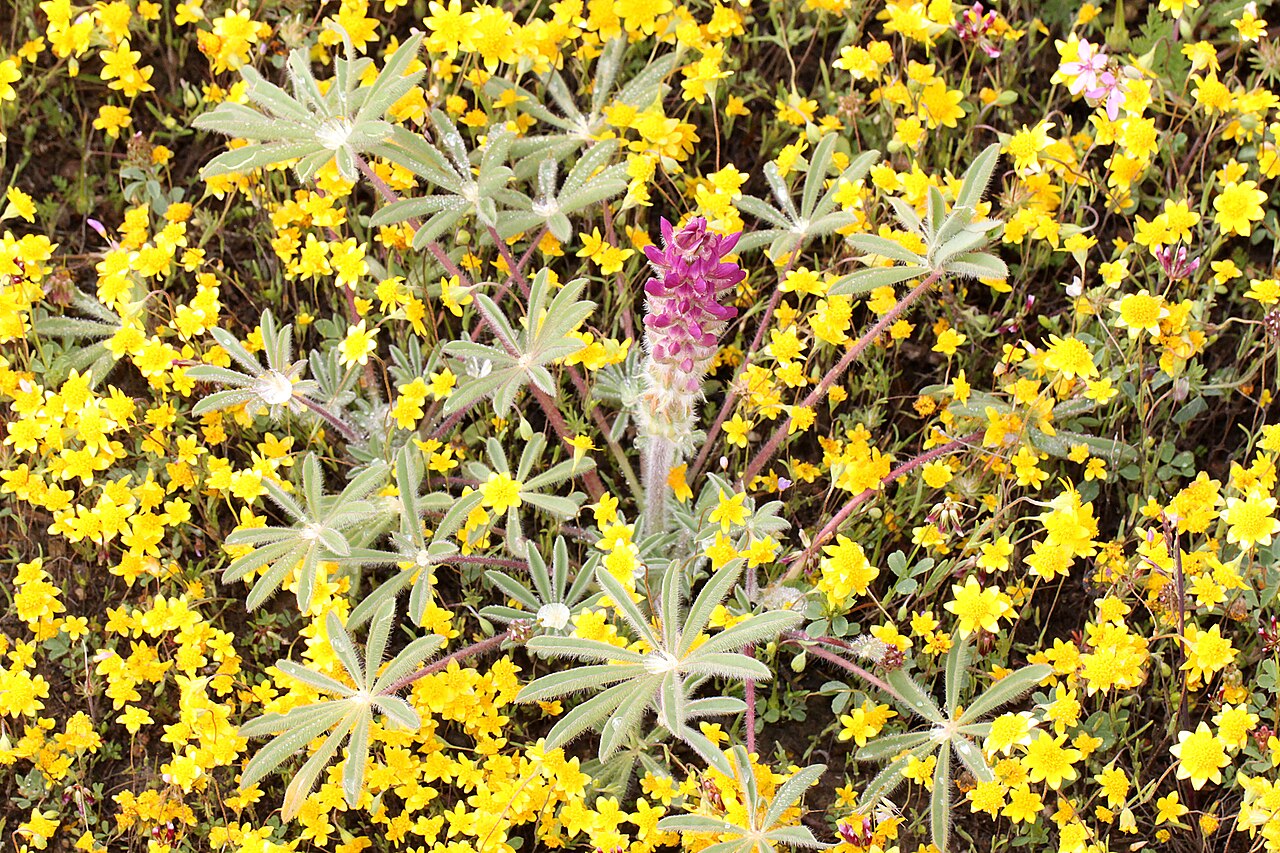
Flowers are produced in dense, elongated spikes (racemes) 2 to 6 inches long at the stem tips, with the small, pea-shaped flowers arranged in distinct whorls around the stalk rather than scattered singly. Each flower is about ⅓ to ½ inch long, typically sky-blue to violet-blue with a white or pale yellow center patch on the banner petal that turns reddish-purple as the flower ages — a visual cue to pollinators that the flower has already been visited. Occasional color forms run from pale lavender to nearly white or pink. Bloom occurs from February to June depending on elevation and rainfall, peaking in March and April at lower elevations.
Fruit & Seeds
Flowers mature into small, hairy, flattened seed pods about ¾ to 1¼ inches long, each holding several seeds. Pods dry and split open explosively in late spring and summer, flinging seeds a short distance from the parent plant — one reason sky lupine often forms such dense, even stands.
Quick Facts
| Scientific Name | Lupinus nanus |
| Family | Fabaceae (Legume) |
| Plant Type | Annual wildflower |
| Mature Height | 6–16 in |
| Mature Spread | 6–12 in |
| Growth Rate | Fast (annual life cycle) |
| Sun Exposure | Full sun |
| Water Needs | Low; relies on winter-spring rainfall |
| Soil Type | Well-drained loam, sand or gravelly soils |
| Soil pH | 6.0–7.0 |
| Bloom Time | February – June |
| Flower Color | Sky-blue to violet with white or pale center |
| Fall Color | None (annual, dies back after seed set) |
| Fruit | Small hairy seed pods, splitting open at maturity |
| Deer Resistant | Somewhat (mildly toxic alkaloids deter some browsing) |
| USDA Hardiness Zones | Grown as a cool-season annual; zones 7–10 |
Native Range
Sky lupine is native to California, where it grows throughout most of the state from the coast to the Sierra Nevada foothills, and in Nevada, chiefly in counties bordering the Sierra Nevada and in the western part of the state.
It grows in open grassland, chaparral clearings, oak woodland edges, and disturbed sunny slopes, generally from near sea level up to around 5,000 feet. Classic sky lupine displays occur on grassy hillsides and valley floors in places like the Carrizo Plain and coastal San Luis Obispo County, often mixed with California poppy, goldfields, and other spring annuals.
Sky lupine should not be confused with the many other blue-flowered California lupines — several closely related annual and perennial species overlap its range — and gardeners outside California and western Nevada should treat it as an adapted wildflower-mix annual rather than a regional native.
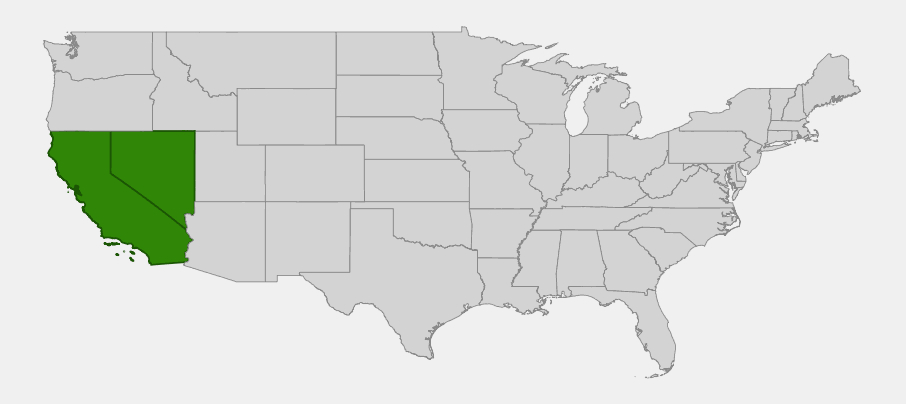
📋 Regional plant lists featuring Sky Lupine: California & Nevada
Growing & Care Guide
Sky lupine is grown from seed as a cool-season annual, timed to the same winter-rain, spring-bloom cycle it follows in the wild.
Light
Full sun is essential for strong, compact growth and a heavy bloom; in shade, plants stretch, flop, and flower poorly.
Soil & Water
Sky lupine prefers well-drained, average to lean soil — rich, heavily fertilized soil tends to produce excess leafy growth at the expense of flowers. Like many lupines, it fixes its own nitrogen via root-nodule bacteria, so added fertilizer is rarely needed or helpful. Water to establish seedlings after fall or winter sowing, then rely on natural rainfall; by late spring the plants are finishing their cycle and need no supplemental water.
Planting Tips
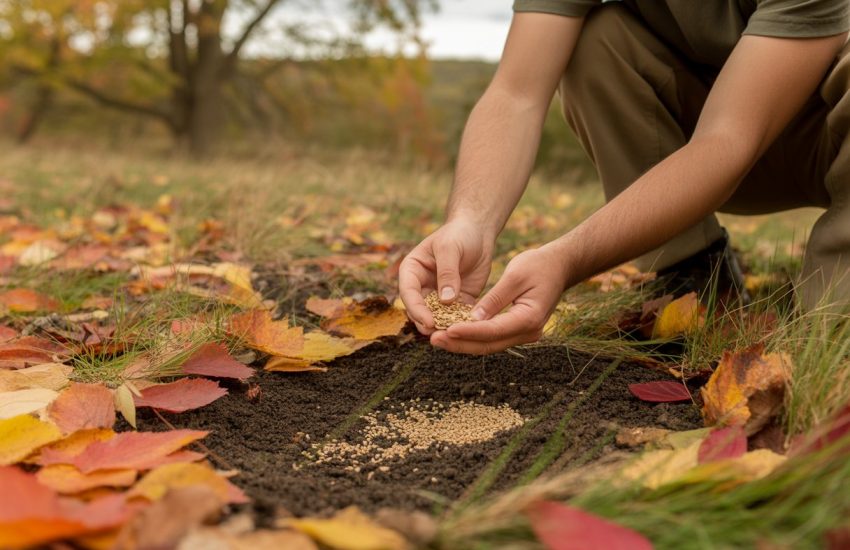
Sow seed directly in fall, ideally after scarifying (nicking the hard seed coat) to improve germination. For best results, inoculate seed with Rhizobium bacteria suited to lupines if sowing in soil that has not grown lupines before. Scatter seed densely for the classic massed-meadow look, since sky lupine is far showier in sheets than as scattered individual plants.
Pruning & Maintenance
No pruning is needed. Deadheading is optional; leaving spent flower spikes in place allows pods to mature and reseed the area for next year, which is usually the goal in a naturalized wildflower planting. Once plants finish their cycle and dry out in late spring or early summer, simply let them die back in place or compost them.
Propagation
Propagation is entirely by seed. Collect dry, unsplit pods in late spring, and store seed in a cool, dry place until fall sowing. Because pods split explosively when fully ripe, timing the harvest just before they open is key to collecting viable seed.
Landscape Uses
- Wildflower meadows mixed with California poppy and other spring annuals
- Erosion control on sunny slopes seeded in fall
- Pollinator gardens for native bees and bumblebees
- Roadside and restoration plantings across its native range
- Soil-building cover crop in native plant nurseries, thanks to nitrogen fixation
Wildlife & Ecological Value
As one of California’s most abundant spring annuals, sky lupine plays an outsized role in supporting early-season pollinators and building soil fertility for the wildflower communities it grows within.
For Pollinators
Sky lupine is heavily visited by native bees, including bumblebees and digger bees, which are strong enough to trigger the flower’s “tripping” pollination mechanism, where pressure on the keel petal releases pollen onto the bee’s underside. The color-change from white to purple on pollinated flowers helps bees forage efficiently by signaling which blooms still offer a reward.
Birds
Seed-eating birds, including finches and sparrows, feed on the ripening seed pods in late spring, though lupine seed is a minor part of most birds’ diet compared with grass and forb seeds.
Mammals
Like most lupines, sky lupine contains quinolizidine alkaloids that make the foliage and seeds mildly toxic, discouraging heavy browsing by deer and livestock, though light grazing of young growth does occur. Because of this toxicity, large quantities should not be considered safe browse, and pregnant livestock in particular should be kept from heavily infested rangeland.
Ecosystem Role
As a nitrogen-fixing legume, sky lupine enriches the soil through its root-nodule bacteria, benefiting neighboring non-leguminous wildflowers and grasses. Its dense, short-lived growth also provides early structure and nectar in open grassland before taller annuals and perennials fill in later in the season.
Cultural & Historical Uses
Sky lupine has long been recognized and admired as one of the defining blue wildflowers of the California spring, frequently mentioned alongside California poppy in historical accounts of the state’s wildflower displays. Unlike some other lupine species, it does not have a well-documented history of significant food or medicinal use among Indigenous peoples, likely owing to the toxic alkaloids present in the foliage and seeds of many lupine species.
Its primary historical and modern significance is horticultural and ecological: it has long been a staple of California wildflower seed mixes, used for roadside beautification, erosion control, and habitat restoration throughout its native range.
Frequently Asked Questions
Is sky lupine the same as bluebonnet?
No. Texas bluebonnets are different Lupinus species (primarily Lupinus texensis); sky lupine is a distinct California and Nevada native, though both belong to the same genus and share a similar look.
Is sky lupine toxic?
Yes, like most lupines, the foliage and seeds contain alkaloids that are toxic in quantity to livestock and can cause illness if ingested in large amounts by people or animals. It should not be regarded as an edible plant.
How long does sky lupine bloom?
As an annual, an individual plant blooms for several weeks within its single growing season, typically February through June depending on elevation, with most displays peaking in March and April.
Does sky lupine need fertilizer?
No — it fixes its own nitrogen through a symbiotic relationship with soil bacteria, so fertilizing is unnecessary and can even reduce flowering by encouraging excess leaf growth.
Will sky lupine come back every year?
As an annual, the original plants die after setting seed, but a planting will self-sow and return in following years if seed pods are allowed to mature and drop before the area is disturbed.

Looking for a nursery that carries Sky Lupine?
Browse our native plant nursery directory: California · Nevada