Foothill Penstemon (Penstemon heterophyllus)
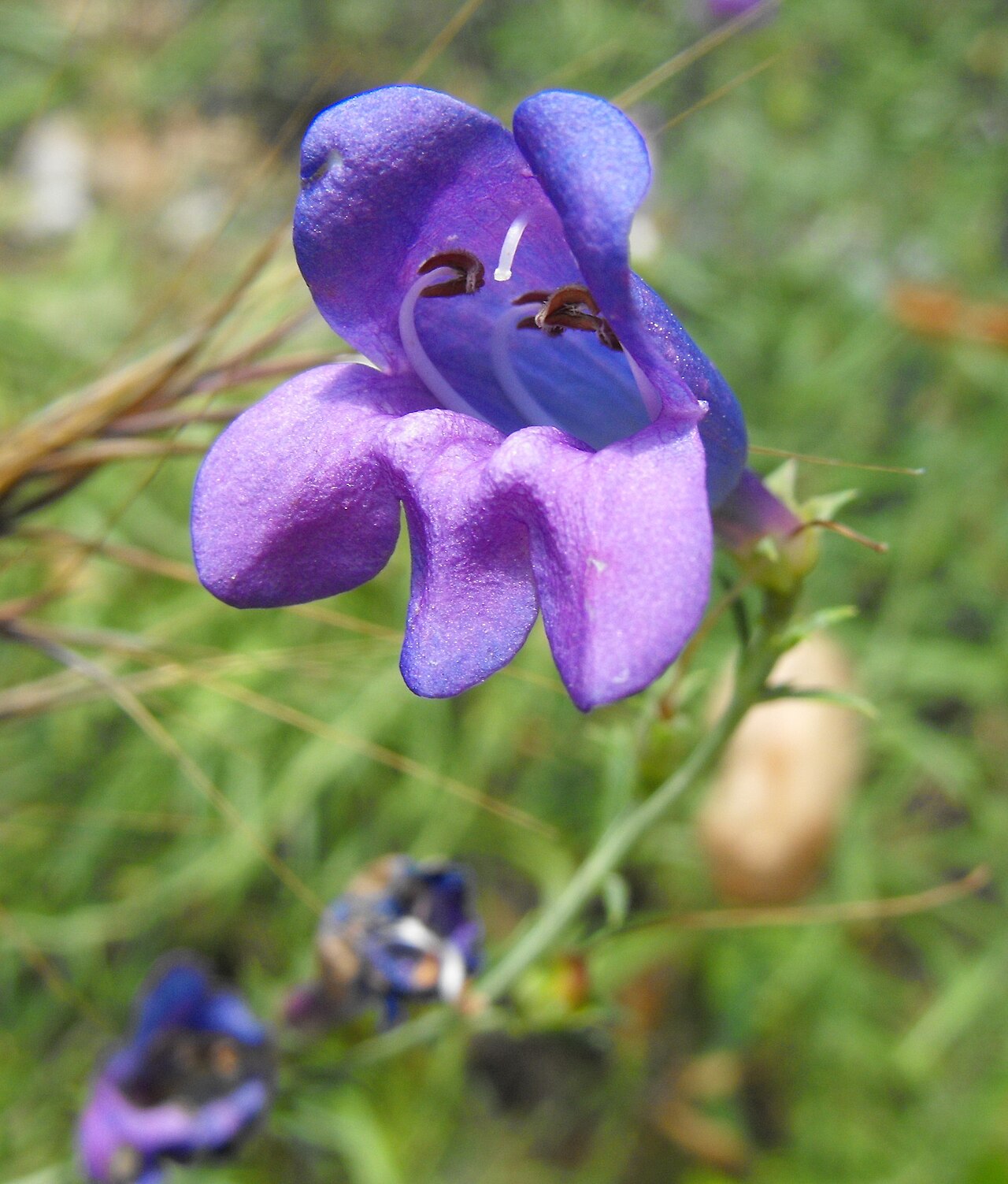
Penstemon heterophyllus, commonly called foothill penstemon or bunchleaf penstemon, is a bushy perennial wildflower native to California, prized for having some of the most electric, saturated blue-to-violet flowers of any plant in the state’s native flora. In late spring, established clumps send up dozens of slender flowering stems topped with two-toned tubular blooms that shift from blue to purple depending on the light, the plant and even the time of day.
Foothill penstemon grows wild on dry, open slopes and in chaparral and foothill woodland through much of California, from the Coast Ranges to the Sierra Nevada foothills. It forms a tidy, semi-woody subshrub with narrow, blue-green leaves, staying attractive even out of bloom, and it has become one of the most widely grown California native perennials thanks to selected forms like ‘Blue Springs’ and ‘Electric Blue’ that intensify its already remarkable color.
For gardeners anywhere with a dry-summer, Mediterranean-type climate, foothill penstemon is about as close to a sure thing as native perennials get: easy from a nursery start, undemanding once established, and capable of a flower color that few other plants, native or otherwise, can match.
Identification
Foothill penstemon is best identified by its bushy, semi-woody habit, narrow blue-green leaves, and large, vividly blue to violet two-lipped flowers held in loose clusters atop slender stems.
Growth Habit
Plants form a rounded, bushy subshrub 1 to 2 feet tall and somewhat wider, with numerous slender, semi-woody stems rising from a persistent base. The common name “bunchleaf” refers to the way leaves cluster densely along the lower stems before thinning out higher up where the flower clusters form.
Leaves
Leaves are narrow, lance-shaped to linear, about 1 to 3 inches long, blue-green to gray-green, and arranged in opposite pairs along the stems. The foliage stays attractive through much of the year, giving the plant garden value even when it is not in bloom.
Flowers
Flowers are tubular and two-lipped, about 1 inch long, in shades ranging from sky blue through lavender to deep violet-purple, often on the same plant or even within the same flower cluster as buds open and age. They are held in loose, branched clusters at the tips of the flowering stems, well above the foliage, and open over a long season from May into July.
Fruit & Seed
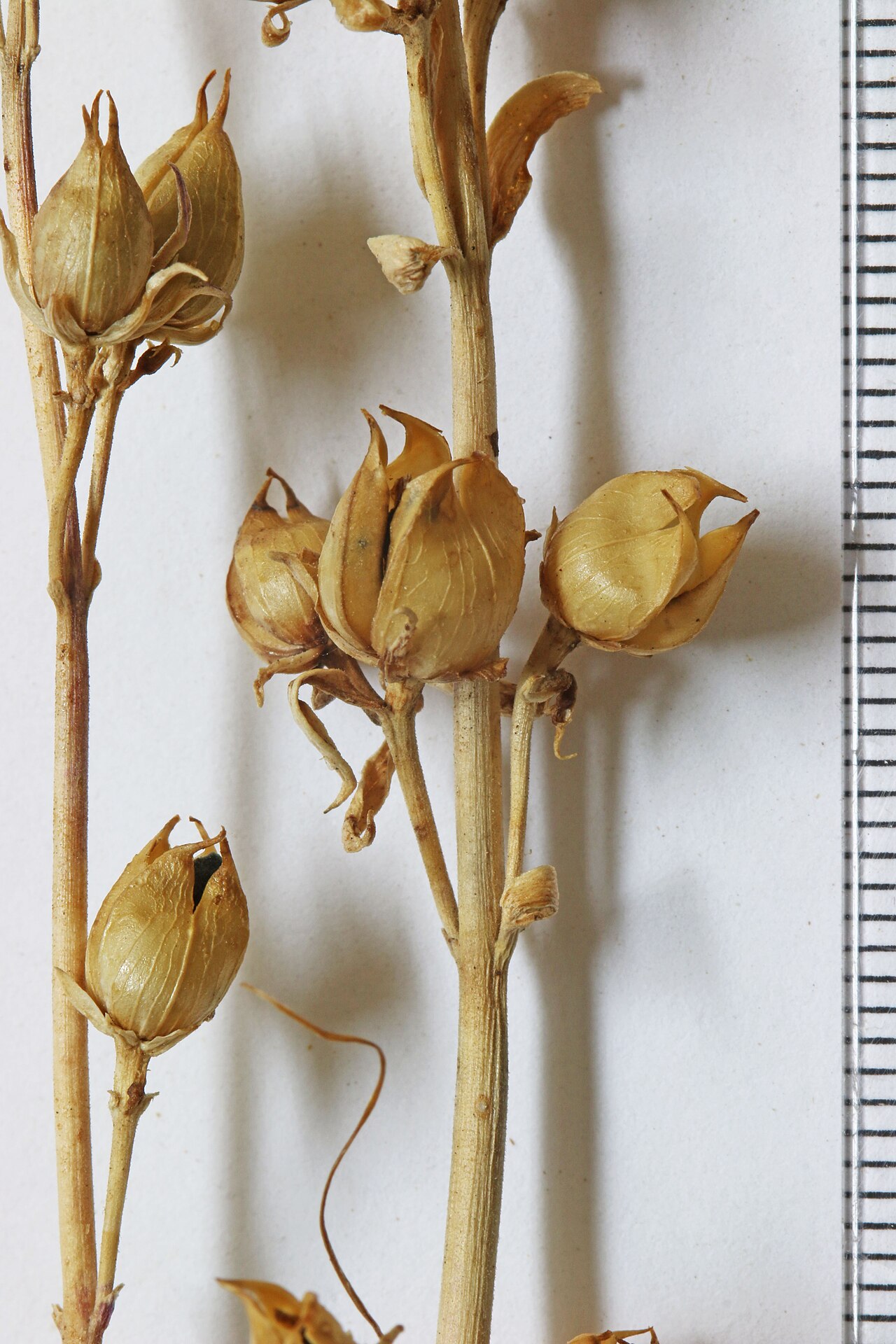
After bloom, flowers develop into small, dry, two-chambered capsules that turn golden brown and split open to release many tiny seeds. The dried seed stalks are often left standing into fall, providing winter structure in the garden.
Quick Facts
| Scientific Name | Penstemon heterophyllus |
| Family | Plantaginaceae (formerly Scrophulariaceae) |
| Plant Type | Perennial subshrub |
| Mature Height | 1–2 ft |
| Mature Spread | 1.5–2.5 ft |
| Growth Rate | Moderate |
| Sun Exposure | Full Sun to Light Shade |
| Water Needs | Low once established; drought tolerant |
| Soil Type | Well-drained loam, sand or rocky soil |
| Soil pH | Neutral to slightly alkaline (about 6.5–7.5) |
| Bloom Time | May – July |
| Flower Color | Sky blue to violet-purple |
| Fall Color | None; blue-green foliage year-round |
| Fruit | Small dry capsules with numerous tiny seeds |
| Deer Resistant | Mostly yes |
| USDA Hardiness Zones | 7–10 |
Native Range
Foothill penstemon is native to California, occurring widely from the Coast Ranges south through the Central Coast, into the Sierra Nevada foothills and parts of the Transverse Ranges. It is one of the more broadly distributed California Penstemon species, found at low to middle elevations across much of the state’s drier, sunnier terrain.
Typical habitat is dry, open slopes and ridges within chaparral, foothill woodland and dry grassland, usually in well-drained, often rocky or gravelly soil. It is well adapted to California’s long dry summers and blooms heavily in late spring as the hillsides begin to dry out, often alongside other chaparral and foothill wildflowers.
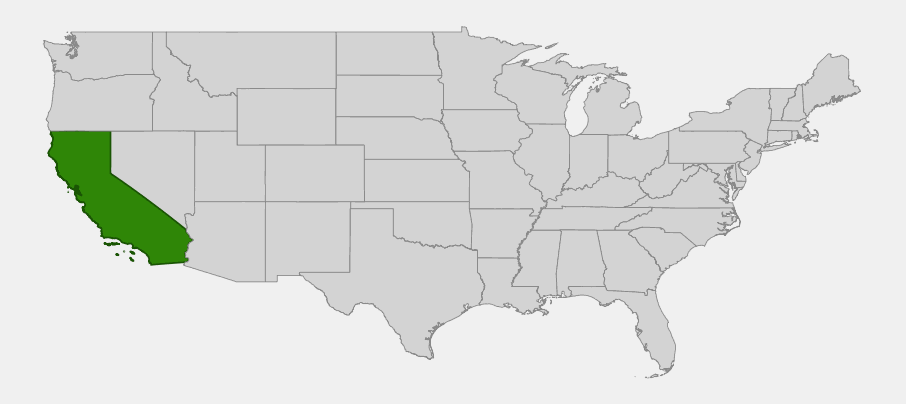
📋 Regional plant lists featuring Foothill Penstemon: California & Nevada
Growing & Care Guide
Foothill penstemon is one of the most reliable and rewarding California native perennials, offering months of vivid color for very little ongoing care once it is established in the right spot.
Light
Full sun produces the densest growth and heaviest bloom. In hot inland gardens, light afternoon shade can help prevent stress during the peak of summer, but coastal and milder gardens do well with sun all day.
Soil & Water
Good drainage is essential; foothill penstemon is prone to root and crown rot in heavy, slow-draining soil, especially if watered through summer. Sandy, gravelly or rocky loam suits it best. Water regularly through the first year to establish deep roots, then cut back significantly; established plants are genuinely drought tolerant and perform best with little to no supplemental summer water.
Planting Tips
Plant in fall or early spring, spacing plants 18 to 24 inches apart to allow for their bushy mature size. Choose a site with excellent drainage, such as a slope or raised bed, and avoid areas that collect standing winter water.
Pruning & Maintenance
Cut spent flowering stems back by about a third after the main bloom flush to tidy the plant and encourage denser, more compact growth; this also sometimes triggers a lighter secondary bloom. Plants can become woody and less floriferous after several years, at which point light rejuvenation pruning or starting new plants from cuttings keeps a planting looking its best. Avoid overwatering and heavy fertilizing, both of which lead to weak, floppy growth.
Propagation
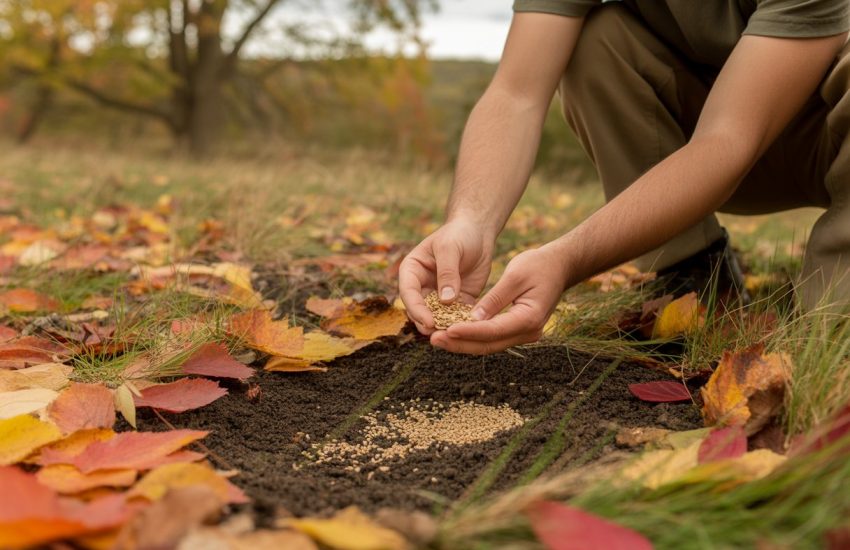
Foothill penstemon can be grown from seed, which benefits from cold-moist stratification before sowing, though germination can be slow. Softwood cuttings taken in spring or early summer root readily and are the most reliable way to propagate particularly vivid blue-flowered selections true to type.
Landscape Uses
- Dry borders and rock gardens, where its vivid blue-violet color stands out against gray-green companions
- Pollinator and hummingbird gardens, as a long-blooming, reliable nectar source
- Foothill and chaparral restoration plantings within its native California range
- Mixed native borders with California buckwheat, deergrass and manzanita
- Containers, where compact selections perform well with good drainage
Wildlife & Ecological Value
Foothill penstemon’s long bloom season and abundant nectar make it a valuable wildlife plant throughout the late spring and early summer in California’s foothill habitats.
For Pollinators
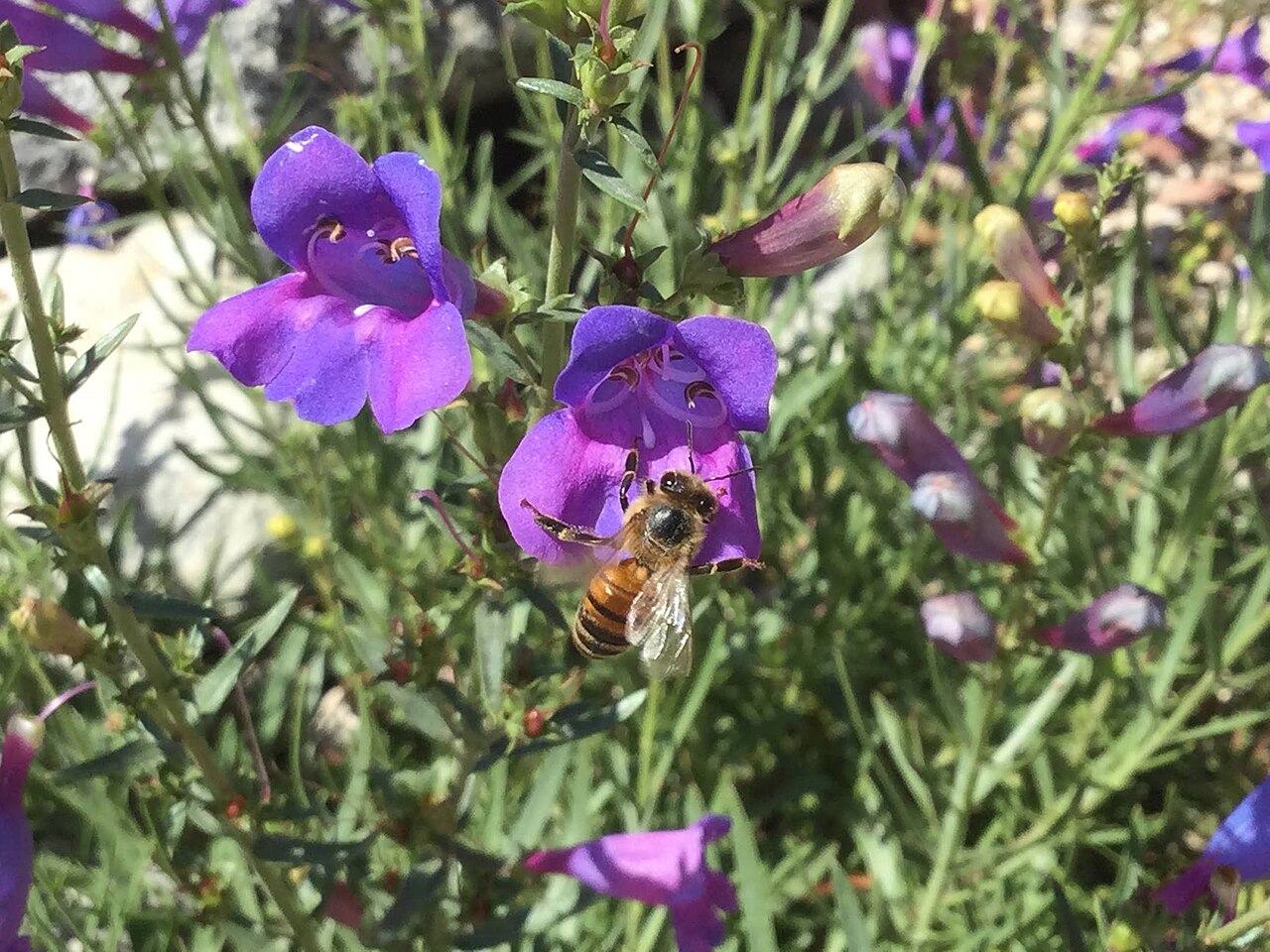
The tubular flowers are heavily visited by native bees, bumblebees and honeybees, which work their way into the flower throat to reach the nectar, picking up pollen in the process. The flower’s size and shape also makes it attractive to larger bee species.
For Birds
Hummingbirds visit the flowers regularly, especially where plants are grown in quantity, and the ripening seed capsules provide a minor food source for small seed-eating birds later in the season.
For Mammals
Foothill penstemon is generally not a preferred browse plant for deer or rabbits, making it a dependable choice in gardens near wildland edges where other plants face heavy grazing pressure.
Ecosystem Role
As a widespread, long-blooming perennial of California’s foothill and chaparral communities, foothill penstemon helps support pollinator populations through the late spring nectar dearth that can follow the main wildflower bloom, making it a quietly important link in its native plant communities.
Cultural & Historical Uses
Foothill penstemon has little documented history of traditional food or medicinal use among California’s Indigenous peoples compared with more widely used native plants, and it does not have a strong ethnobotanical record. Its significance has been primarily ecological and, more recently, horticultural.
Beginning in the twentieth century, foothill penstemon became a favorite subject for California native plant breeders and growers because of its unusually saturated blue flower color, leading to the development of popular garden selections such as ‘Blue Springs’ and ‘Electric Blue.’ Today it is one of the most widely available and commonly planted California native perennials in the nursery trade.
Frequently Asked Questions
Why do the flowers look different shades of blue and purple on the same plant?
This is normal. Foothill penstemon flowers often shift in color as they age, from a cooler blue in younger flowers to a warmer violet-purple in older ones, and color can also vary with light conditions and individual genetics.
What is the difference between ‘Blue Springs’ and the straight species?
‘Blue Springs,’ ‘Electric Blue’ and similar named selections are garden cultivars chosen for especially vivid, consistent blue flower color and compact habit; the wild species shows more natural variation in color and form across its range.
How much water does foothill penstemon need?
Very little once established. Regular water the first year helps roots establish, but mature plants are genuinely drought tolerant and are prone to root rot with regular summer irrigation, especially in heavy soil.
Is foothill penstemon the same as “bunchleaf penstemon”?
Yes, both names refer to the same species, Penstemon heterophyllus; “bunchleaf” describes the way its lower leaves cluster densely along the stems.
How long does foothill penstemon live?
It is a relatively long-lived perennial for a penstemon when given good drainage, often persisting five years or more, though plants can decline with age or in poorly drained soil; propagating by cuttings helps keep good forms going.

Looking for a nursery that carries Foothill Penstemon?
Browse our native plant nursery directory: California