Sierra Iris (Iris hartwegii)
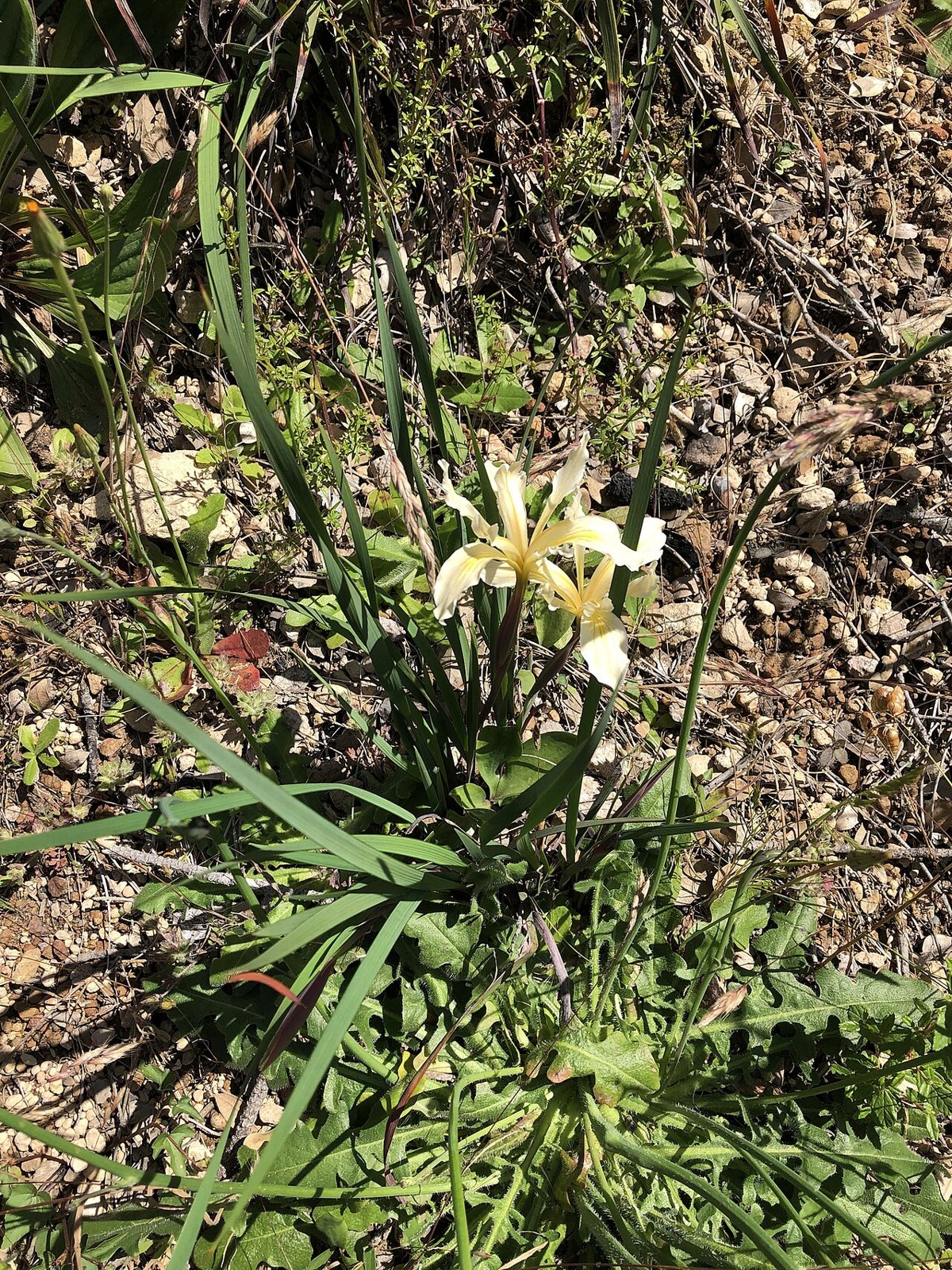
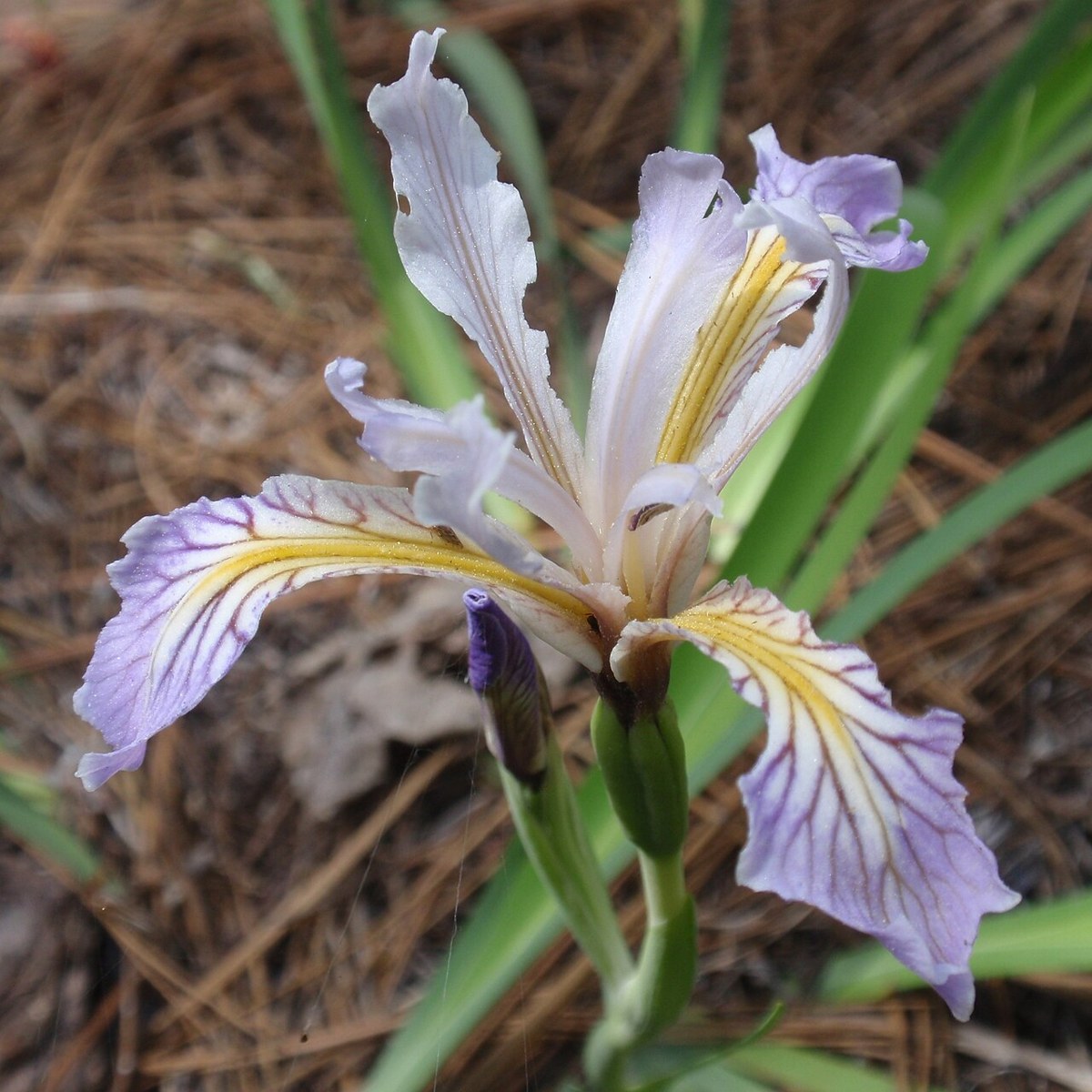
Iris hartwegii, known as Sierra iris, is a low, grass-leaved perennial wildflower found only in the forests and foothill woodlands of California’s Sierra Nevada and southern Cascade ranges. Each spring it sends up a single, delicately veined flower in shades that range from pale cream and soft yellow to lavender and pale blue, often all within the same population.
Sierra iris is a true dry-forest specialist, growing in duff and gravelly soil beneath ponderosa pine, Jeffrey pine, and mixed-conifer canopy, where it flowers in the brief window after snowmelt before summer drought sets in. Its narrow, arching leaves and modest clump size let it blend into the forest understory for most of the year, appearing almost suddenly when the flowers open.
For California gardeners working with dry shade or filtered sun under oaks and pines, Sierra iris offers a reliable, low-water spring bloom that asks for almost nothing beyond the conditions it already knows from the wild — a dry, duff-covered forest floor that goes dormant through the heat of summer.
Identification
Sierra iris is a compact, clump-forming perennial, typically 6 to 16 inches tall, spreading slowly from short rhizomes into loose tufts rather than running aggressively.
Leaves
Leaves are narrow, grass-like, and arching, usually 6 to 16 inches long and less than ½ inch wide, with a prominent central rib. They are evergreen to semi-evergreen in mild winters but often die back or look tattered by late summer as the plant goes dormant with the dry season.
Flowers
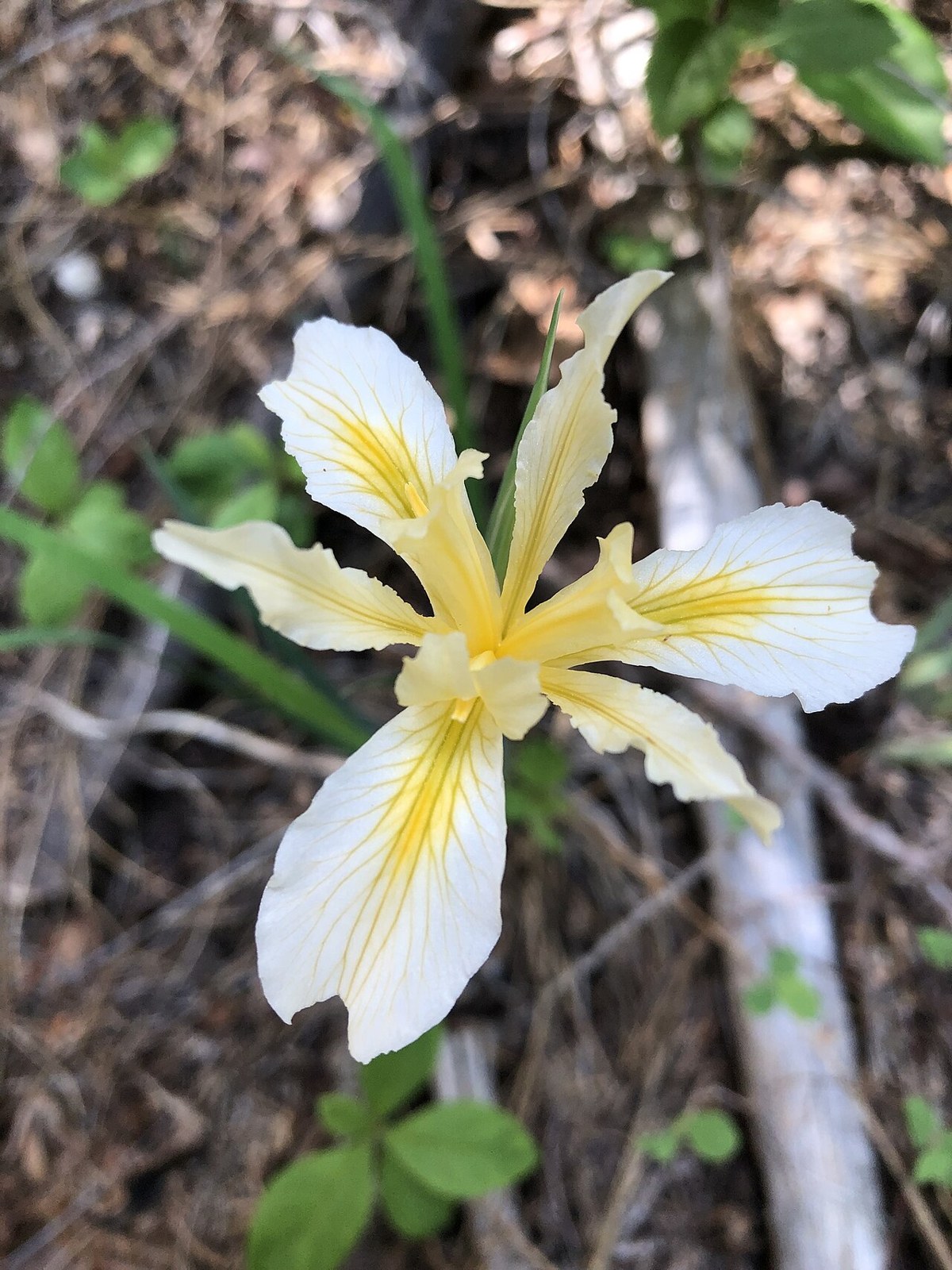
Each stem typically bears one or two flowers, 2 to 3 inches across, in a variable palette of cream, pale yellow, lavender, or pale blue-violet, always with fine, darker veining — often yellow or purple — radiating from the throat. The three drooping “falls” and three upright “standards” give it the classic iris shape. Bloom occurs in a short window from April into June, timed to the melting Sierra snowpack.
Fruit & Seeds
After flowering, an oblong seed capsule develops, splitting at maturity to release flattened brown seeds. Capsules mature through summer as the surrounding foliage dries down.
Quick Facts
| Scientific Name | Iris hartwegii |
| Family | Iridaceae (Iris) |
| Plant Type | Herbaceous Perennial (Rhizomatous) |
| Mature Height | 6–16 in |
| Mature Spread | 8–12 in |
| Growth Rate | Slow |
| Sun Exposure | Part Shade to Full Sun |
| Water Needs | Low (winter/spring moisture, dry summer) |
| Soil Type | Gravelly to loamy forest duff; well-drained |
| Soil pH | 5.5–7.0 (slightly acidic to neutral) |
| Bloom Time | April – June |
| Flower Color | Cream, pale yellow, lavender, or pale blue-violet |
| Fall Color | None; foliage dies back in summer dormancy |
| Fruit | Dry seed capsule |
| Deer Resistant | Yes |
| USDA Hardiness Zones | 7–9 |
Native Range
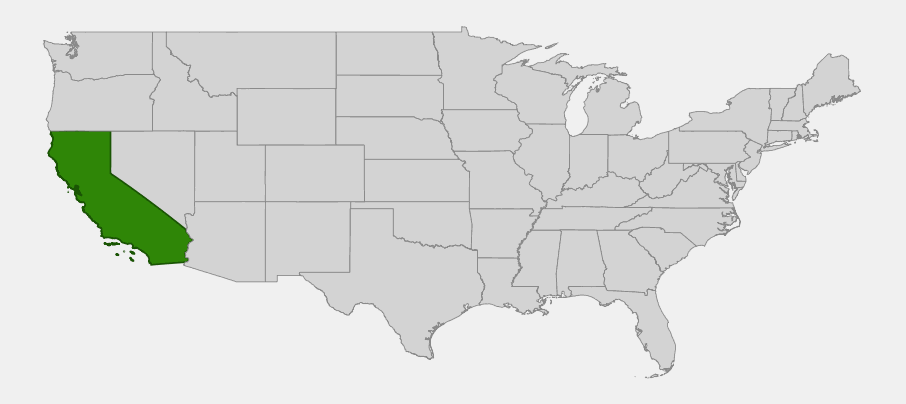
Sierra iris is endemic to California, where county-level records confirm it through the Sierra Nevada from Shasta and Tehama counties in the north to Kern and Tulare counties in the south, with an additional presence in the southern Cascade Range foothills. It does not occur naturally outside California.
Within this range, Sierra iris is a plant of the mid-elevation “yellow pine belt” — the dry, open coniferous forests dominated by ponderosa and Jeffrey pine — typically between about 1,000 and 7,000 feet elevation. It favors duff-covered or gravelly ground in partial shade, including forest clearings, road cuts, and brushy slopes within the forest mosaic.
Because the species relies on winter and spring moisture followed by a long, dry summer dormancy, it is closely tied to the Mediterranean-montane climate pattern of the Sierra Nevada and does not tolerate the summer irrigation that many garden perennials expect.
📋 Regional plant lists featuring Sierra iris: California & Nevada
Growing & Care Guide
Sierra iris rewards gardeners who can replicate its wild rhythm: moist, cool conditions in winter and spring, followed by a dry rest through summer.
Light
Part shade is ideal, especially filtered light beneath oaks or pines, though it also grows in full sun at higher, cooler elevations. In hot inland gardens, some afternoon shade helps prevent scorching.
Soil & Water
Plant in well-drained, gravelly or loamy soil enriched with a bit of leaf duff, mimicking the forest floor. Water during the winter and spring growing season, then withhold supplemental water through summer to let the plant go dormant naturally — this dry summer rest is essential to its long-term health and mirrors its native Sierra climate.
Planting Tips
Set out divisions or container plants in fall, giving each clump 10 to 12 inches of space. Avoid summer-irrigated beds or lawn edges, where constant moisture will rot the rhizomes.
Pruning & Maintenance
Remove dried foliage once it has fully browned in summer. Otherwise, Sierra iris needs very little maintenance and resents disturbance — established clumps are best left undivided for several years.
Propagation
Divide clumps in fall, just as new growth is about to resume with the first rains, or sow fresh seed in fall and allow natural winter chilling to trigger germination.
Landscape Uses
- Dry woodland gardens beneath oaks and pines
- Foothill and montane native plant gardens
- Low-water borders in part shade
- Naturalistic plantings that mimic Sierra forest understory
Wildlife & Ecological Value
For Pollinators
Sierra iris flowers are pollinated primarily by native bees large enough to push past the landing platform formed by the falls, a classic iris pollination strategy that rewards strong, specialized pollinators with access to nectar at the base of the flower.
For Birds
While not a major food source, the clumps of grass-like foliage contribute ground-level structure and cover in the open forest understory used by ground-foraging birds.
For Mammals
Deer and other browsing mammals generally avoid iris foliage, which contains bitter, mildly irritating compounds typical of the genus.
Ecosystem Role
As a long-lived, slow-spreading perennial of the Sierra forest floor, Sierra iris is part of the diverse herbaceous layer that persists beneath the pine and mixed-conifer canopy, contributing to understory diversity in a habitat often dominated by larger shrubs and trees.
Cultural & Historical Uses
Like many native irises, Sierra iris has not been widely documented in historical ethnobotanical use, likely owing to the mild toxicity of iris rhizomes, which can cause gastrointestinal upset if ingested. The genus is better known among California tribes for the exceptionally tough leaf fibers of other native irises, which were processed into cordage and nets, though this use is not specifically documented for Iris hartwegii.
Botanically, the species was named for Carl Theodor Hartweg, a 19th-century German plant collector who gathered specimens in California during his expeditions for the Royal Horticultural Society, and it remains an important part of understanding the diversity of California’s native Pacific Coast iris group.
Frequently Asked Questions
What color are Sierra iris flowers?
Flower color is quite variable, ranging from pale cream and soft yellow to lavender and pale blue-violet, often with fine darker veining, sometimes even within the same population.
Is Sierra iris toxic?
Like most irises, the rhizomes contain compounds that can cause stomach upset if eaten. It should not be considered an edible plant, and skin contact with the sap can occasionally cause irritation in sensitive individuals.
Does Sierra iris need summer water?
No — and too much summer water is one of the most common reasons it fails in cultivation. It is adapted to a dry summer dormancy following winter and spring rains.
Can Sierra iris grow outside California?
It is endemic to California’s Sierra Nevada and southern Cascades and is best kept within that native range, where its dry-summer dormancy matches the regional climate.
Is Sierra iris deer resistant?
Yes. Deer generally avoid iris foliage because of its bitter, mildly irritating compounds.

Looking for a nursery that carries Sierra iris?
Browse our native plant nursery directory: California