Alani (Melicope clusiifolia)
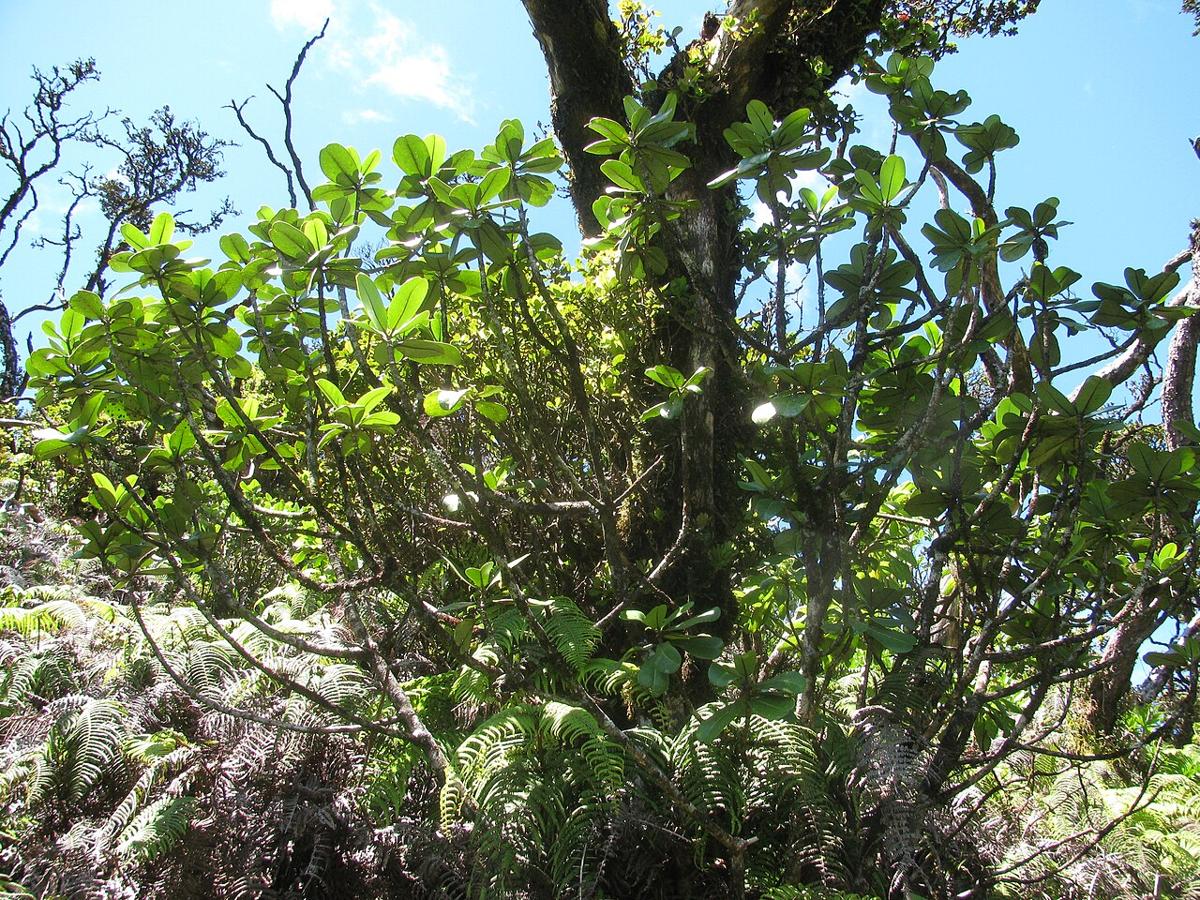
Melicope clusiifolia, called Alani (also alani kuahiwi or kukaemoa) in Hawaiian, is a shrub or small tree in the citrus family (Rutaceae) endemic to the Hawaiian Islands. The name alani — also used for Hawaiʻi’s native citrus relatives generally — hints at the plant’s family ties: like many Rutaceae, its crushed leaves release an aromatic, faintly anise-like scent, a useful field clue when trying to tell it apart from similar-looking native shrubs.
Melicope is a large and diverse genus in the Hawaiian flora, with dozens of species and varieties scattered across the islands, many of them rare or single-island endemics. Melicope clusiifolia is one of the more widely distributed members of the genus, found on all the main Hawaiian Islands, which makes it a comparatively accessible representative of a group that includes some of the state’s most threatened native plants.
For Hawaiian native gardens at higher, cooler elevations, alani offers an interesting textural shrub with whorled, leathery leaves, a citrus-family fragrance, and a direct connection to one of Hawaiʻi’s most botanically rich and conservation-significant plant genera.
Identification
Alani grows as a shrub or small tree roughly 6.5 to 33 feet (2–10 m) tall. New growth ranges from smooth to densely covered in short, yellowish-brown or golden hairs, giving young shoots a slightly fuzzy, shaggy look that smooths out as the plant matures.
Leaves
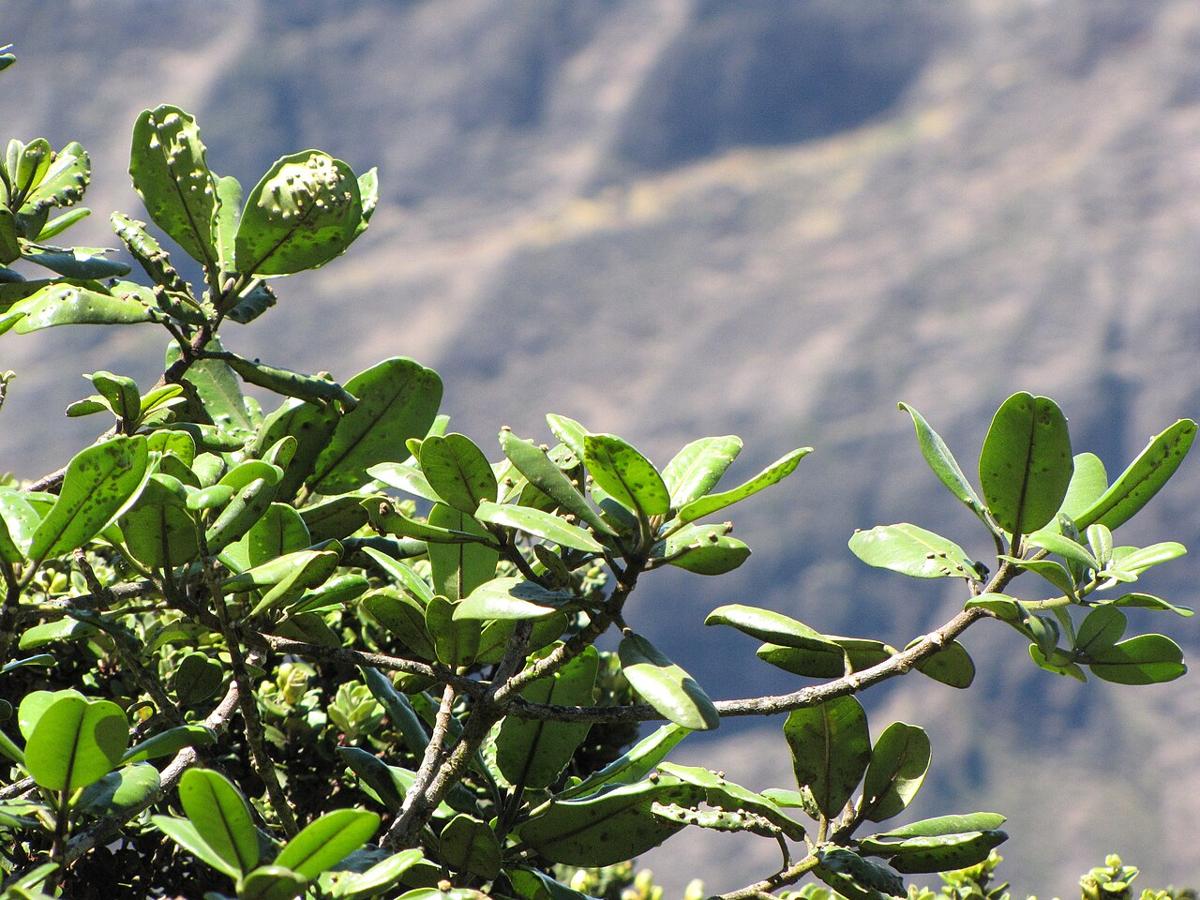
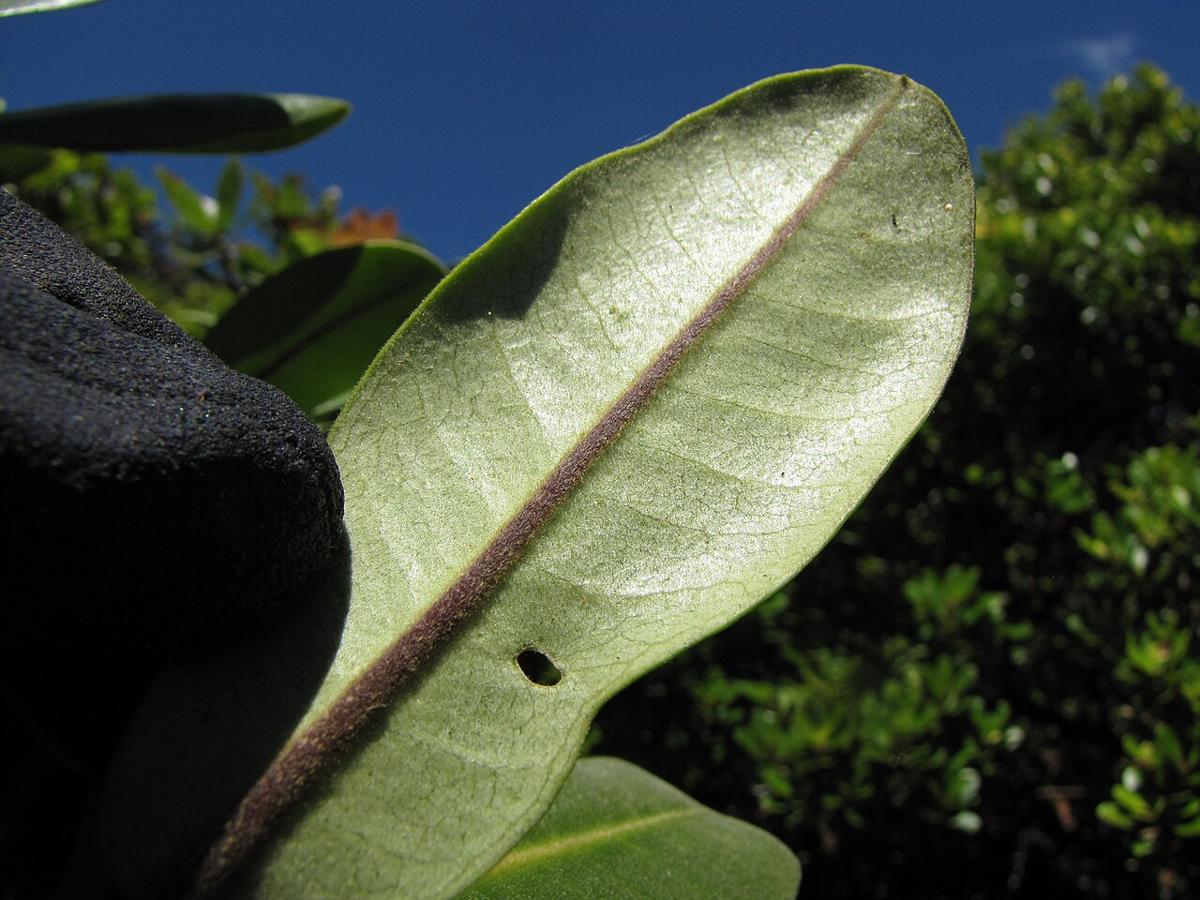
Leaves are a signature feature: thick, leathery, and arranged in whorls of typically four (occasionally two to eight) around each node, rather than the simple opposite or alternate arrangement of most Hawaiian shrubs. Leaf shape varies considerably — obovate, oblong, or elliptic — and leaves can range from about 2.5 to 30 cm long. The upper surface is usually glossy, and crushed foliage carries a weak anise-like fragrance typical of the citrus family.
Flowers
Flowers are small and clustered directly among or just below the leaves, with individual plants sometimes functionally male or female (dioecious) rather than every flower being perfect. Petals are a modest few millimeters long, pale and inconspicuous rather than showy.
Fruit
Unlike the fleshy drupes of many Hawaiian natives, alani produces a dry capsule 8 to 18 mm wide that splits into several carpels as it matures, each containing one or two seeds. The capsule’s outer surface typically becomes strongly wrinkled as it dries, a useful identification feature distinct from berry-type Hawaiian fruit.
Quick Facts
| Scientific Name | Melicope clusiifolia |
| Family | Rutaceae (Citrus) |
| Plant Type | Evergreen Shrub / Small Tree |
| Mature Height | 6.5–33 ft |
| Growth Rate | Slow |
| Sun Exposure | Partial Shade to Full Sun |
| Water Needs | Moderate |
| Soil Type | Well-drained mountain forest soils |
| Flower Color | Pale greenish-white |
| Fruit | Dry, wrinkled capsule |
| Special Trait | Whorled leaves with anise-like fragrance when crushed |
| USDA Hardiness Zones | 10–11 |
Native Range
Alani is endemic to the Hawaiian Islands and has been documented on Kauaʻi, Oʻahu, Molokaʻi, Lānaʻi, Maui, and Hawaiʻi Island — effectively all of the main islands — growing in mountain forest and ridge habitats, often in windswept or exposed sites as well as more sheltered mesic forest.
It is not native anywhere outside the Hawaiian Islands and does not occur in the continental United States.
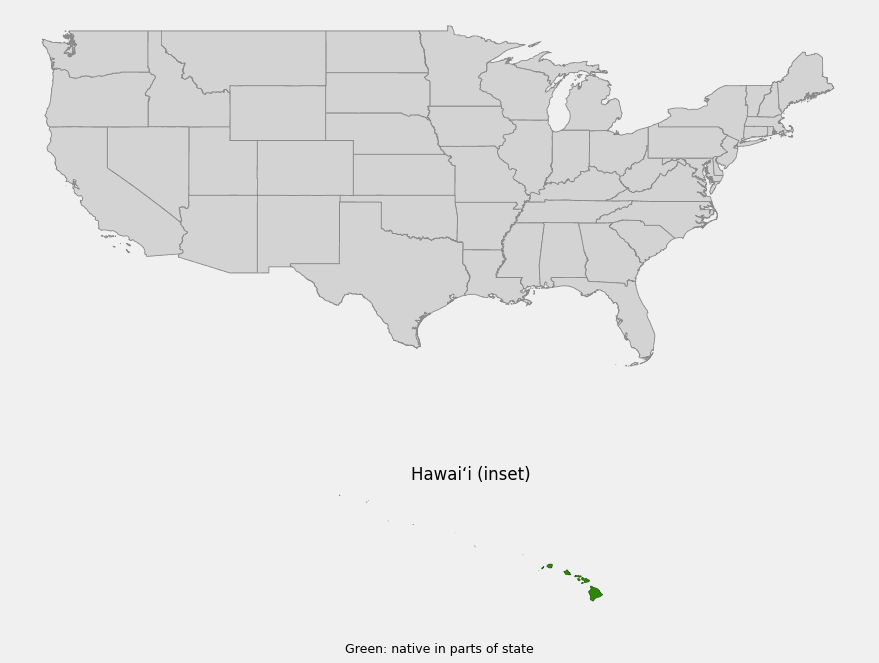
📋 Regional plant lists featuring Alani: Hawaii
Growing & Care Guide
Alani suits Hawaiian native gardens at higher, cooler elevations, where its whorled, leathery foliage and fragrant leaves add distinctive texture to a mixed native planting.
Light & Site
It tolerates a range from partial shade to full sun, reflecting its presence in both sheltered mesic forest and more exposed ridge habitats in the wild. A site with good air movement, similar to its native windswept ridge habitat, suits it well.
Soil & Water
Well-drained mountain forest soils with moderate, fairly consistent moisture suit alani best. It is not a dry-forest specialist like some Hawaiian natives, nor does it need constantly saturated soil; aim for the middle ground typical of mesic mountain forest.
Planting Tips
Because several native Melicope species look broadly similar, source plants only from reputable native nurseries that can confirm the species identity, and avoid collecting from the wild, since many of alani’s relatives in the genus are rare or endangered. Give plants room for their whorled branching habit to develop naturally.
Pruning & Maintenance
Minimal pruning is needed; remove dead or damaged branches as needed. Avoid heavy shearing, which can disrupt the plant’s natural whorled branching pattern and reduce its distinctive form.
Pests & Problems
No major pest or disease problems are commonly reported for alani in cultivation. As with other Hawaiian Rutaceae, watch new growth for feeding by introduced insects that can affect citrus-family plants, though established native populations generally tolerate this without lasting damage.
Landscape & Restoration Uses
- Mountain forest and ridge restoration projects across the main islands
- Fragrant native foliage plantings, for its anise-scented leaves
- Textural native shrub borders, for its distinctive whorled leaves
- Conservation plantings highlighting Hawaiʻi’s diverse Melicope genus
Wildlife & Ecological Value
Alani contributes to the structure and diversity of Hawaiian mountain forest, though it is less studied for specific wildlife relationships than some better-known native trees.
For Insects
As a member of the citrus family, alani and its relatives in the genus Melicope serve as host plants for native Hawaiian insects adapted to feed on Rutaceae foliage, playing a role in supporting the islands’ native insect fauna alongside its other native forest relatives.
Ecosystem Role
As one of the more widespread members of a large and often rare native genus, alani helps anchor shrub-layer diversity in Hawaiian mountain forest and ridge habitats. Because many of its Melicope relatives are critically rare or single-island endemics, maintaining and restoring populations of the more common species like this one supports broader conservation of the genus across the islands.
Cultural & Historical Uses
The Hawaiian name alani is applied broadly to native Melicope species, reflecting their shared citrus-family fragrance — early Hawaiians and later botanists alike would have recognized the aromatic, slightly orange-like scent of crushed alani leaves as a identifying trait linking these plants to each other. Melicope clusiifolia also carries the additional names kukaemoa and kolokolo mokihana in some references, suggesting regional naming variation across the islands where it grows.
As with many members of this large and diverse genus, detailed documentation of specific traditional uses for this particular species is limited compared to more thoroughly studied Hawaiian plants; its primary significance today is ecological and conservation-related, as one of the more secure members of a genus containing many rare and endangered relatives.
Frequently Asked Questions
What does alani smell like?
Crushed leaves release a weak, anise-like fragrance, a trait shared with many of Hawaiʻi’s native Melicope species in the citrus family.
Is alani related to citrus trees like orange or lemon?
Yes — alani belongs to the Rutaceae, the same plant family as citrus, though it does not produce edible citrus-type fruit; its fruit is a dry, wrinkled capsule rather than a juicy fruit.
Is alani endangered?
Melicope clusiifolia itself is relatively widespread across the main Hawaiian Islands and not individually listed as endangered, but many related Melicope species in Hawaiʻi are rare or critically endangered, so correct species identification matters before any wild collection is considered — which should be avoided in any case.
How do I recognize alani’s leaves?
Look for thick, leathery leaves arranged in whorls of about four around the stem, rather than the opposite or alternate arrangement typical of most other native Hawaiian shrubs — this whorled pattern is one of the easiest field marks for the genus.
Does alani have showy flowers?
No — its small, pale greenish-white flowers are inconspicuous; gardeners grow alani primarily for its fragrant, textural foliage and its role in native mountain forest restoration rather than floral display.
How big does alani’s leaf whorl get?
Leaf size is quite variable, ranging from roughly an inch to about a foot long depending on the growing conditions and individual plant, but the whorled arrangement around the stem — typically four leaves per node — stays consistent and is the more reliable identification feature than leaf size alone.

Looking for a nursery that carries Alani?
Browse our native plant nursery directory: Hawaii