
Mission Manzanita (Xylococcus bicolor)
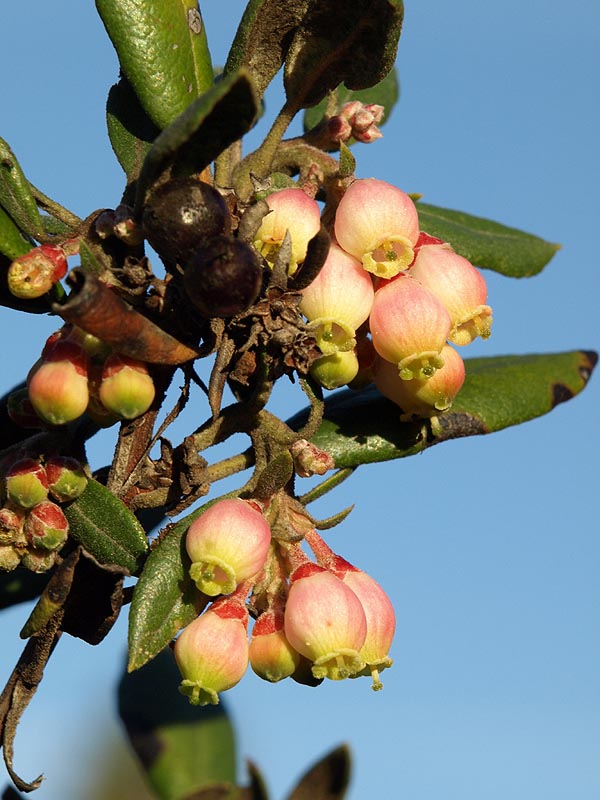
Xylococcus bicolor, known as Mission Manzanita (USDA: mission manzanita), is an evergreen chaparral shrub of southern California and Baja California. Despite its common name, it is not a true manzanita. It is the only species in its own genus, Xylococcus, in the heath family (Ericaceae). It was once classified as Arctostaphylos bicolor, and it does look like a manzanita, with smooth, dark red-brown bark and nodding clusters of urn-shaped flowers. Its leaves, flowers and fruit differ enough that botanists now keep it separate.
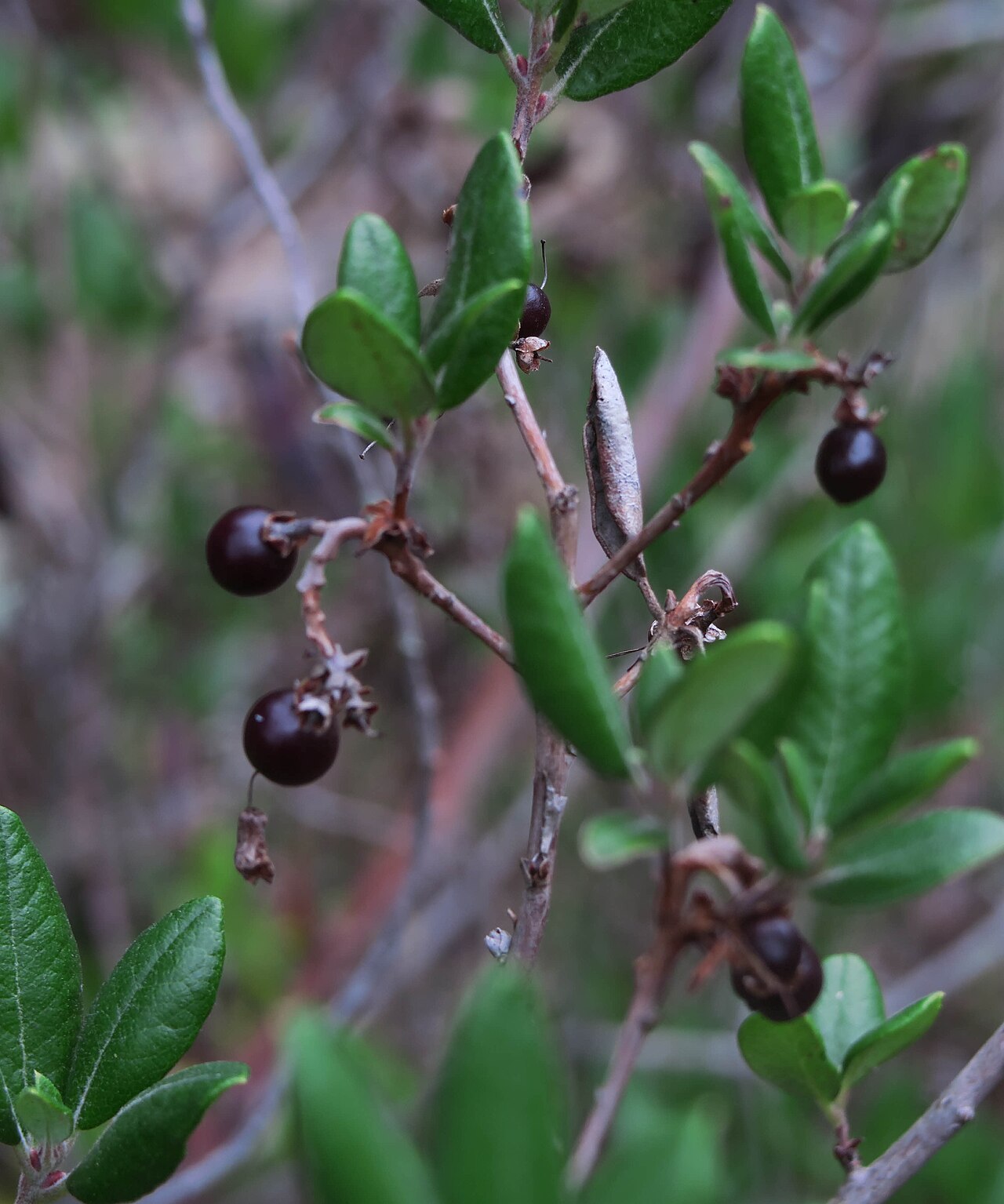
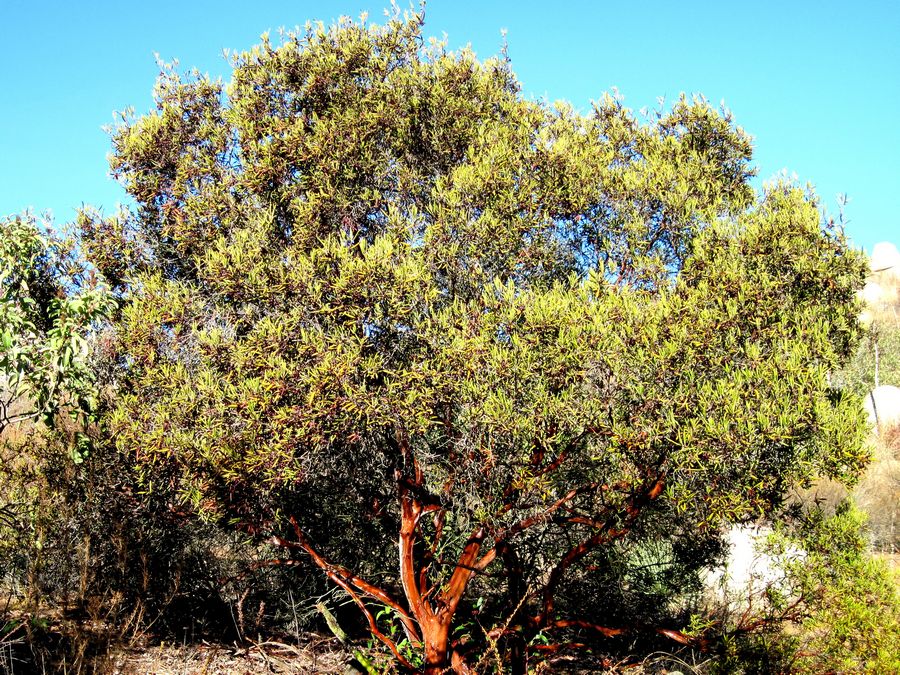
It grows as a dense, rounded shrub usually 4 to 8 feet tall, occasionally a small tree up to about 20 feet, from a woody burl at the base. The leathery leaves are dark green above and white-woolly beneath, the “two colors” of the name bicolor, with edges rolled under. From about December to February, when little else is blooming, it bears clusters of white to pink, urn-shaped flowers that are visited by hummingbirds. They are followed by round, dark purple-brown fruits, each with a single stone-hard pit. Xylococcus means “wood berry.”
Mission manzanita is a long-lived shrub, with individual plants believed to live a century or more. It is mostly found in San Diego County, and much of its habitat has been lost to development. Seedlings are rarely found in the wild and few survive their first year. It is slow-growing and notoriously hard to propagate, so plants are offered only by specialty California native plant nurseries. Buy nursery-grown plants; never dig shrubs or burls from the wild.
Identification
At first glance mission manzanita looks like a manzanita, but its narrow, rolled-under leaves with white-woolly undersides set it apart from all the true manzanitas in its range.
Growth Form & Bark
A dense, rounded, evergreen shrub usually 4 to 8 feet tall and nearly as wide, occasionally reaching about 20 feet. It rises from a woody burl (lignotuber) at the base, from which it resprouts after fire or cutting. Older stems have smooth, dark red-brown to purplish bark that peels in thin strips, typically darker than that of true manzanitas. Young twigs are covered with fine gray hairs.
Leaves
The leaves are alternate, leathery and up to about 1-3/4 inches long, oblong to narrowly elliptic, with smooth edges that are rolled under. The upper surface is dark, glossy green; the underside is densely covered with white to gray woolly hairs. Manzanitas in the same area usually have flat, broader leaves that are the same color on both sides.
Flowers
From about December to February, it produces dense, drooping clusters of small, urn-shaped flowers with five fused petals. The flowers are white to pink, often cream with a pink blush, and hairy, about 1/4 inch long. The clusters are borne at the ends of the branches and are a favorite of Anna’s hummingbirds.
Fruit
The fruit is a round drupe about 1/3 inch across that ripens from green and reddish to dark brown or purple-black. Inside is a single hard, smooth stone made of fused nutlets. True manzanitas usually have several separate or partly separate nutlets.
Look-alikes
Bigberry Manzanita (Arctostaphylos glauca) and other manzanitas have broad, flat, gray-green or bright green leaves that are similar on both sides, and they usually bloom slightly later. Toyon has toothed leaves, flat clusters of white flowers in summer, and red berries. Summer holly (Comarostaphylis diversifolia) has toothed leaves and red, bumpy fruits.
Conservation
Mission manzanita is not federally or state listed, but it is restricted to a small range and many stands have been lost to urban development in San Diego County. Repeated fires at short intervals can kill even established plants before they recover. Leave wild plants undisturbed and buy only nursery-propagated shrubs.
Quick Facts
| Scientific Name | Xylococcus bicolor (formerly Arctostaphylos bicolor) |
| Family | Ericaceae (heath family) |
| Plant Type | Evergreen shrub, occasionally a small tree; burl-forming |
| Mature Height | 4–8 ft (rarely to 20 ft) |
| Mature Spread | 4–8 ft |
| Growth Rate | Slow |
| Sun Exposure | Full sun to part shade |
| Water Needs | Very low once established |
| Soil Type | Well-drained rocky, sandy or gravelly soils |
| Soil pH | About 6.0–7.0 |
| Bloom Time | December–February (sometimes from fall) |
| Flower Color | White to pink, urn-shaped |
| Fall Color | None; evergreen |
| Fruit | Dark brown to purple-black drupe with a single hard stone |
| Deer Resistant | Generally yes; leathery leaves are seldom browsed |
| USDA Hardiness Zones | 9–10 (hardy to about 20 °F) |
Native Range
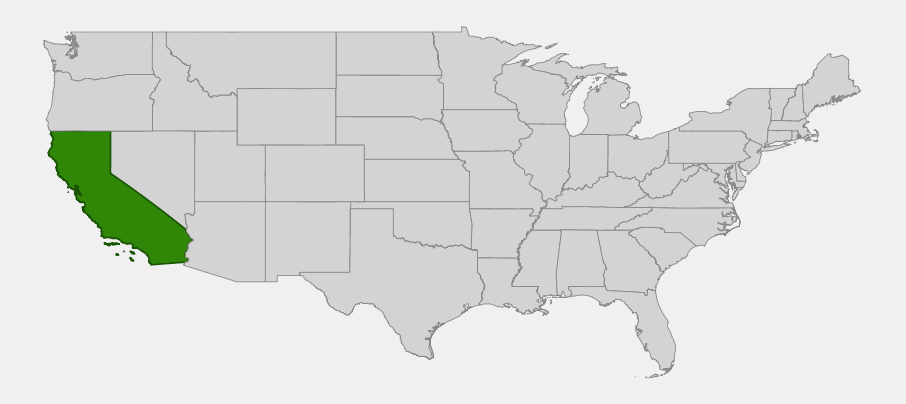
Mission manzanita is native to coastal southern California and the Baja California Peninsula. USDA PLANTS lists it as native in the lower 48 states and records it only from California. In California most populations are in San Diego County, on the coastal hills and the lower western slopes of the Peninsular Ranges, with smaller numbers in western Riverside and Orange Counties and on Santa Catalina Island.
In Mexico it extends south along the Pacific side of Baja California, including Cedros Island, and is scattered in the mountains of the central Baja California desert as far south as the Sierra de la Giganta in Baja California Sur.
It grows on dry, sunny slopes and ridges in chaparral and coastal sage scrub, usually below about 3,500 feet (1,100 m), often on rocky or gravelly soils derived from granite or volcanic rocks. It is a characteristic shrub of the dense “elfin forest” chaparral of San Diego County, where it has been called the queen of that plant community.
📋 Regional plant lists featuring Mission Manzanita: California & Nevada
Growing & Care Guide
Mission manzanita is a handsome, long-lived shrub for dry Southern California gardens, but it is slow to establish and seldom available. Look for it at specialty California native plant nurseries and botanic garden plant sales. Never dig plants from the wild; they rarely survive and wild populations are already limited.
Light
It does best with its foliage in full sun and its roots cool and shaded, for example on a north- or east-facing slope or with rocks and mulch over the root zone. It tolerates part shade, especially inland.
Soil & Water
Plant it in fast-draining soil; it tolerates many soil types if drainage is excellent, and does best in slightly acidic to neutral soil. Water lightly and regularly through its first summer, then taper off. Established plants need no summer water in coastal Southern California, though occasional deep watering in very hot, dry inland gardens is acceptable. Avoid frequent summer irrigation and fertilizer, which can lead to root rot.
Planting Tips
Plant in fall or winter from a container, setting the crown slightly high so water drains away from the trunk. Give it room: most plants eventually reach 6 to 8 feet tall and wide. It combines well with other chaparral shrubs such as lemonade berry, toyon, ceanothus and manzanitas, and with sages and buckwheats in a dry, informal planting.
Pruning & Maintenance
Little pruning is needed. Remove dead or crossing branches and lightly shape it after flowering if desired, exposing the attractive red-brown trunks. Avoid heavy pruning in summer. Leave fallen leaves as mulch.
Propagation
It is notoriously difficult to propagate. Seed must be removed from the fleshy fruit and the hard stone cracked carefully, then given a period of cool, moist stratification; germination is slow and seedlings are prone to fungal disease. Cuttings root poorly. For most gardeners, buying a nursery-grown plant is the practical choice.
Landscape Uses
- Hummingbird gardens: winter flowers for resident Anna’s hummingbirds
- Dry chaparral gardens: a long-lived, drought-tolerant evergreen shrub
- Hillsides and slopes: deep-rooted shrub for dry, rocky banks
- Wildlife habitat plantings: fruit, nectar, cover and nesting sites for birds
- Specimen and screening shrub: handsome red-brown trunks and dense evergreen foliage
Wildlife & Ecological Value
Mission manzanita blooms in the middle of winter, making it an important resource for wildlife when few other chaparral plants are flowering.
For Pollinators
The winter flowers provide nectar for Anna’s hummingbirds, which stay in Southern California year-round, as well as for early-flying native bees and honey bees on warm days.
For Birds
Birds such as California thrashers and California scrub-jays eat the fruit. The dense, evergreen canopy gives cover and nesting sites for wrentits, towhees and other chaparral birds.
For Mammals
Coyotes, foxes and other mammals eat the fruit, and woodrats and other small mammals shelter beneath the shrubs. The leathery leaves are rarely browsed.
Ecosystem Role
As a long-lived, burl-forming shrub, mission manzanita resprouts after wildfire and helps hold soil on steep chaparral slopes. It does not depend on fire to germinate, and very few seedlings survive in the wild, so established plants are important. Fires repeated at short intervals can kill plants before they recover.
Cultural & Historical Uses
The English botanist and naturalist Thomas Nuttall first described the species for science after collecting it in San Diego in the 1830s, while waiting for a ship home to Boston. He named it Xylococcus, “wood berry,” for the hard stone in its fruit. Later botanists, including Willis Linn Jepson, placed it within Arctostaphylos, but its distinct leaves, flowers and fruit have led most authorities to keep it in its own genus.
Native peoples of the region used the fruit. The Luiseño are recorded as soaking crushed ripe berries in cold water overnight to make a cider-like drink, and Delfina Cuero, a Kumeyaay woman whose life story was recorded in the 1960s, described a similar cool drink made from the berries, which her people called haasill.
Botanists have long been puzzled by how rarely mission manzanita reproduces from seed. The plants produce many fruits with viable seed, but surveys find few seedlings, and most die within a year. Some researchers suggest the species simply reproduces over a very long time scale, as many long-lived shrubs do; others have speculated about lost seed dispersers. Either way, protecting established plants and their habitat is key to its future.
Frequently Asked Questions
Is mission manzanita a true manzanita?
No. It looks like a manzanita and was once called Arctostaphylos bicolor, but it is the only species in the separate genus Xylococcus. Its narrow leaves with white-woolly undersides and its fruit with a single hard stone distinguish it.
When does mission manzanita bloom?
Mainly from December to February, sometimes starting in late fall. The winter flowers are an important nectar source for Anna’s hummingbirds.
Why is it so hard to find in nurseries?
It is slow-growing and very difficult to propagate from seed or cuttings. Only specialty California native plant nurseries grow it, usually in small numbers.
How much water does it need?
Very little once established. Water lightly through the first summer, then rely mostly on winter rain. Too much summer water in poorly drained soil can kill it.
Are the berries edible?
The ripe fruit was used by Native peoples to make a cool, cider-like drink. The fruit is mostly a hard stone with a thin, mealy coating, and it is best left for wildlife.

Looking for a nursery that carries Mission Manzanita?
Browse our native plant nursery directory: California