Best Compost Materials for Nebraska: Optimal Organic Choices for Local Gardens
Last updated: October 15, 2026
Gardening matters a lot in Nebraska’s climate. Composting can make a real difference for soil health.
Knowing which materials to use saves time and gets better results.
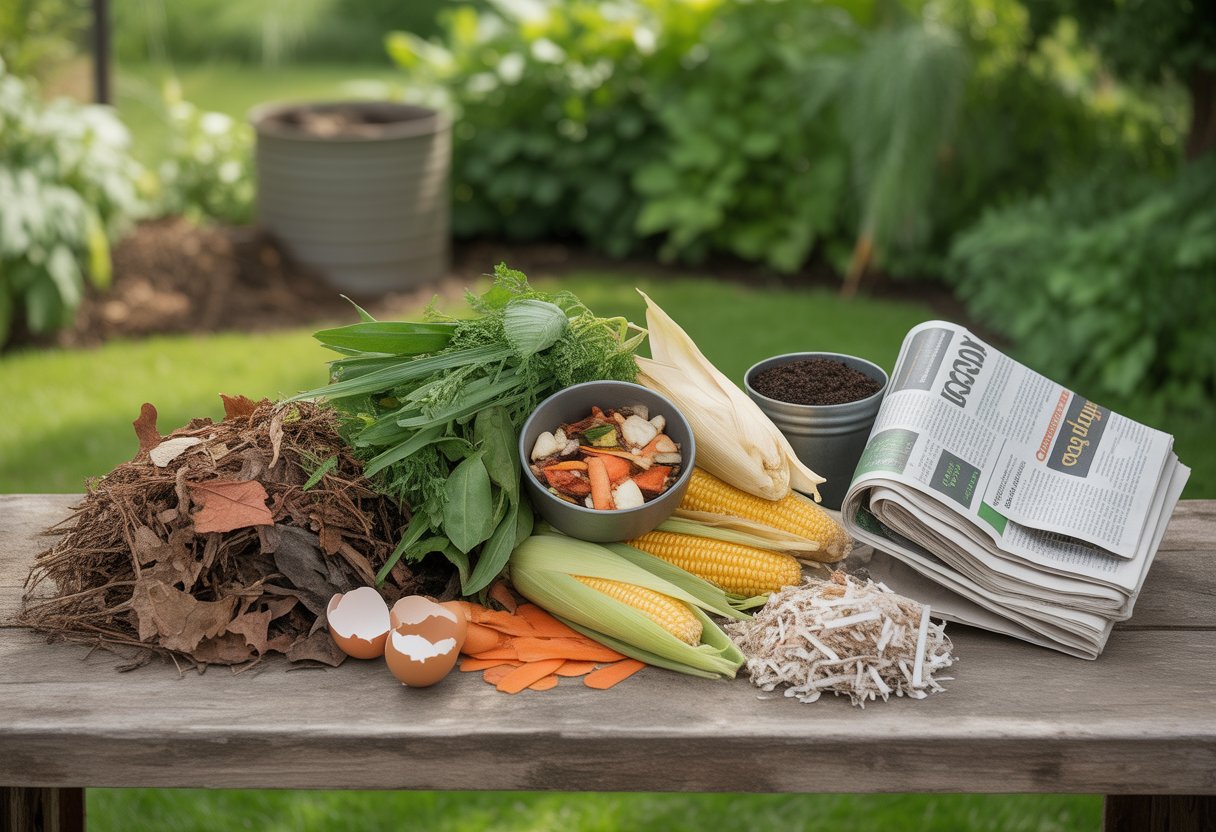
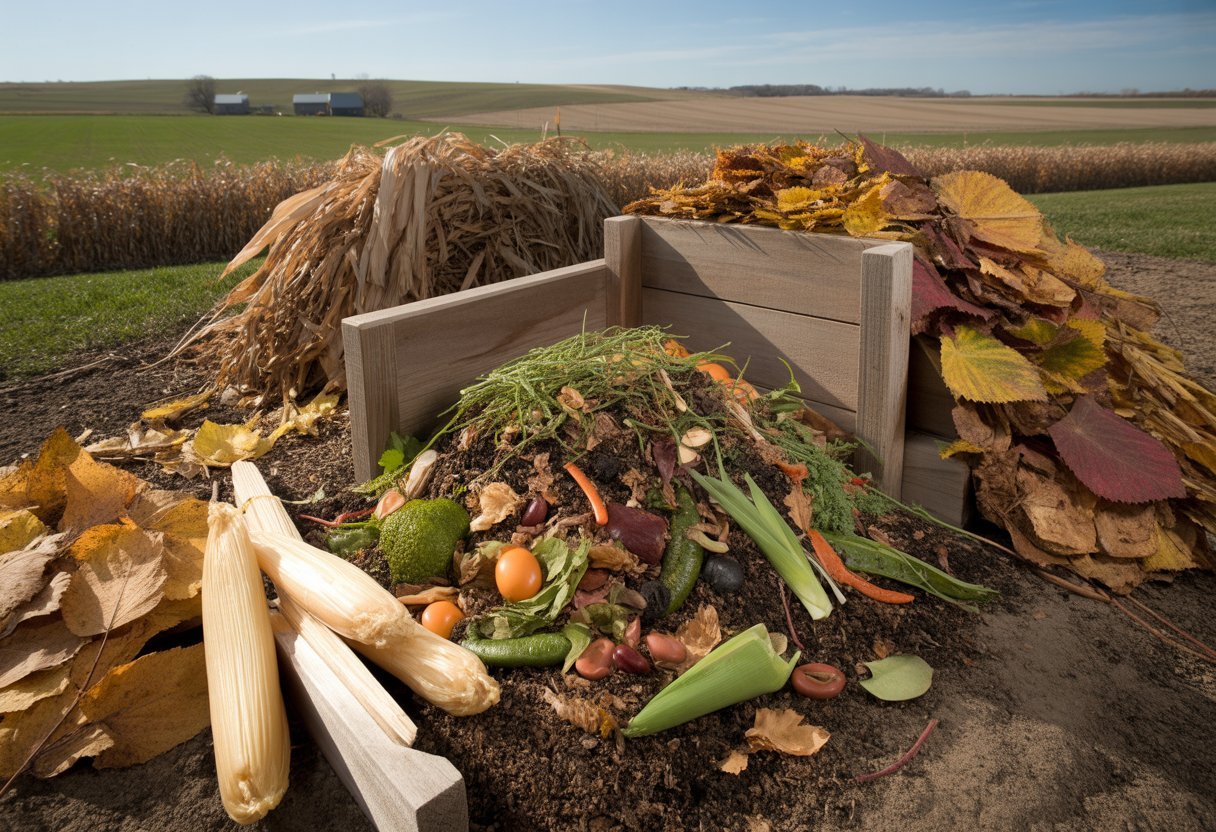
The best compost materials for Nebraska mix green stuff like grass clippings and kitchen scraps with browns such as dried leaves and straw. This combo keeps decomposition humming and the compost full of nutrients.
Locally available things like corn stalks and soybean residue boost compost quality and cut down on waste.
Essential Compost Materials for Nebraska Gardens
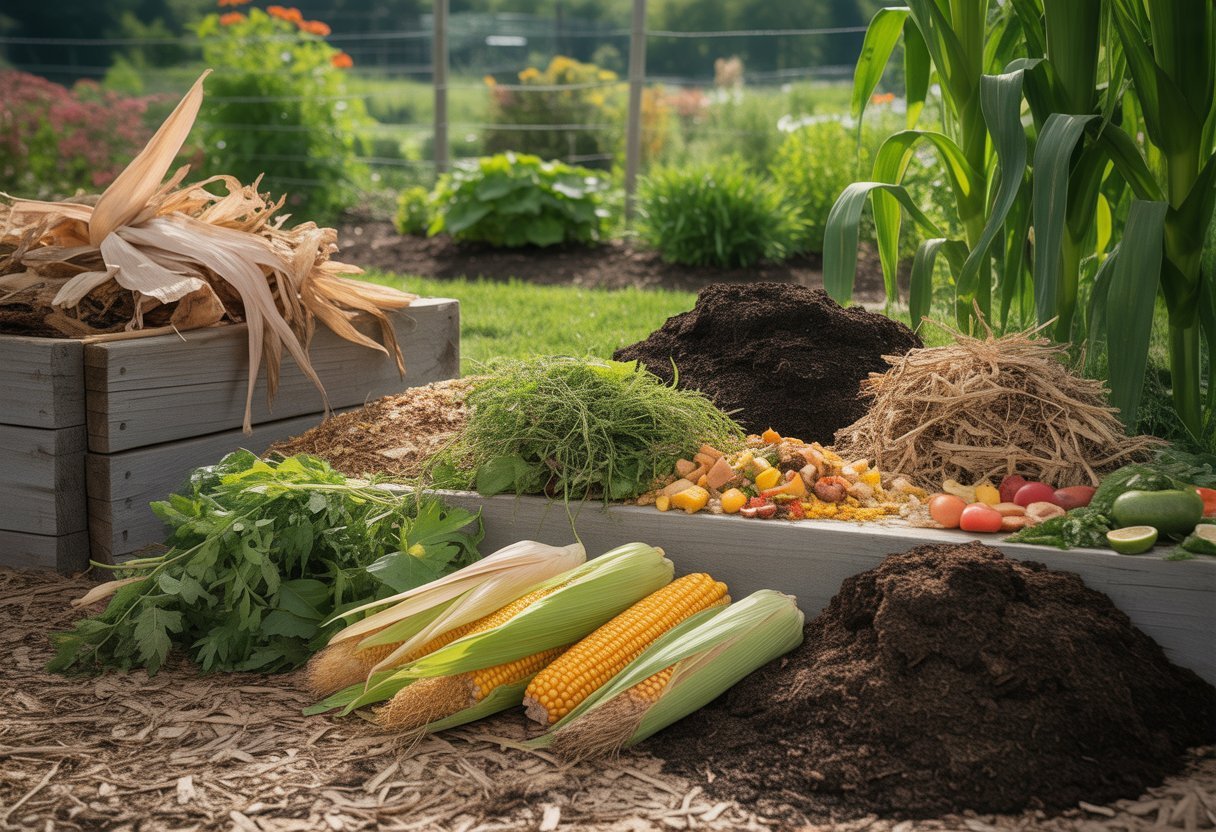
Composting in Nebraska means juggling moisture, nutrients, and keeping microbes happy. Picking the right stuff helps break things down faster and improves soil health.
You’ll want a mix of nitrogen-rich greens, carbon-heavy browns, and a little bit of everything else.
Green Plant Material and Nitrogen Sources
Green materials give microbes the nitrogen they need to get to work. Nebraska gardeners often toss in fresh grass clippings, veggie scraps, and coffee grounds.
These greens add moisture and get the compost pile cooking. I’d skip big amounts of fresh cow or horse manure—unless it’s aged—since it can get smelly fast.
Aim for about one-third greens in your pile to keep nitrogen levels right.
Brown and Carbon-Rich Materials
Browns like dry leaves, straw, and shredded newspaper bring the carbon. They soak up extra water and keep the pile from turning into a soggy mess.
Mixing autumn leaves with prairie grass thatch works well for Nebraska’s seasons. Try to keep a 2:1 ratio of browns to greens so microbes don’t run out of steam.
Organic Matter for Soil Health
Garden waste that’s broken down feeds the soil and makes it easier to work with. Finished compost turns into humus, holding water and giving roots a boost.
Eggshells, wood chips, and little twigs add minerals and bulk. Tossing these in helps the good microbes thrive, which is pretty important for long-term garden health in Nebraska.
Best Practices for Composting in Nebraska’s Climate
Nebraska’s weather can be all over the place, so keeping moisture and airflow just right is key. You’ll probably need to tweak things as the seasons change.
Balancing Moisture and Aeration
Compost piles here do best with moisture levels between 40 and 60%. Too much water? Things get stinky and slow. Too little, and the pile just sits there.
Turning the pile every week or two brings in oxygen, which microbes love. This helps everything break down evenly and keeps the pile from getting packed too tight.
Mixing coarse stuff with finer bits naturally improves airflow. In summer, water the pile lightly but deeply—Nebraska heat dries things out fast.
When it’s rainy or snowy, cover the pile with a tarp to keep it from turning into soup. I usually check moisture by grabbing a handful; if it feels like a wrung-out sponge, you’re good.
Managing Compost Piles Through Seasonal Changes
Nebraska winters can really slow composting. Bigger piles—at least three feet wide and tall—hold heat better, so microbes stay active longer.
Adding fresh grass clippings in winter gives the pile a nitrogen kick. When spring rolls around, turn the pile more often to wake things up as it warms.
Take off tarps in spring so you don’t trap too much water. In summer, keep an eye on moisture and give the pile a turn if it starts to dry out.
Adjusting your routine with the seasons keeps compost going strong all year.
Protecting Nebraska Gardens With Quality Compost
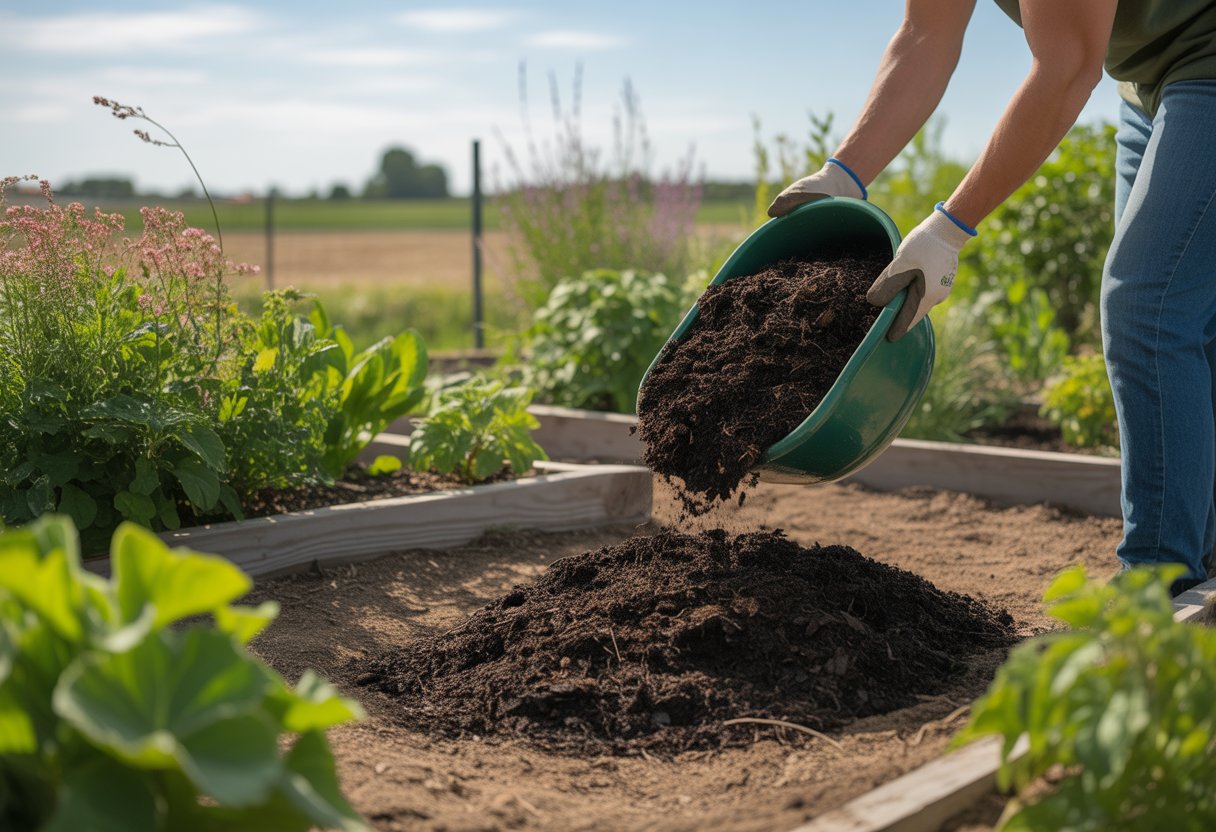
Good compost keeps Nebraska soils healthy and gardens resilient. It strengthens soil structure and helps nutrients cycle, which makes a real difference for weed control and erosion.
Preventing Weed Growth and Soil Erosion
Compost works as a mulch, blocking sunlight and stopping weed seeds from sprouting. Its organic matter helps soil clump together, making it less likely to wash or blow away.
Heavy rains or droughts hit Nebraska hard, so combining compost with cover crops really helps keep soil in place. Well-structured soil holds water better and keeps nutrients from running off.
Plus, compost brings in helpful microbes. These little guys break down plant debris and make it tough for weeds to take over.
Using Compost as Mulch and Soil Amendment
Spread compost as mulch to keep soil cool and moist—Nebraska’s weather swings make this super useful. Compost releases nutrients slowly, so plants get a steady feed without waste.
Mixing compost into the soil improves texture and lets roots breathe. This boosts soil life and helps plants soak up more nutrients, cutting back on synthetic fertilizers.
Regularly adding compost rebuilds tired soils. It works well with cover crops to keep gardens productive and ready for whatever the weather throws at them.
Ideal Compost Materials for Vegetable and Herb Gardens
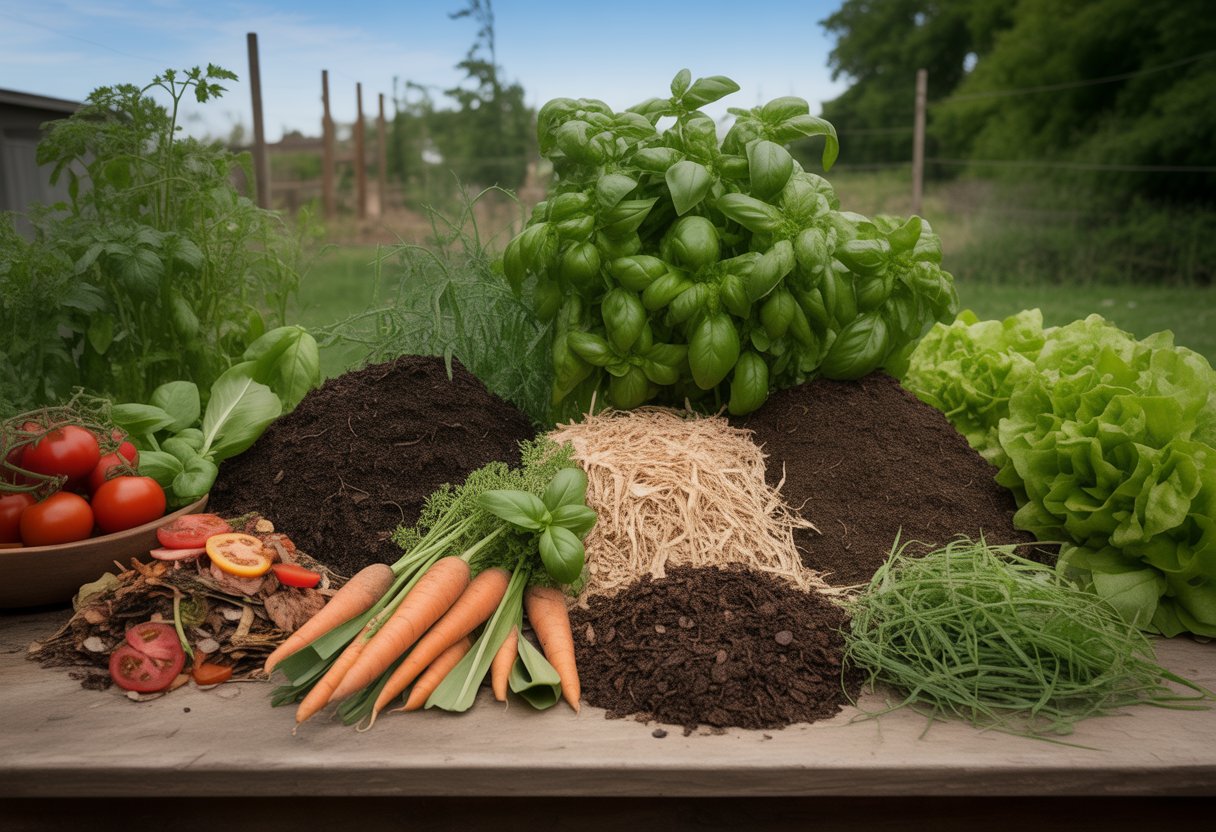
For veggies and herbs, compost should build up the soil and pack in nutrients. Yard waste and kitchen scraps are great, but steer clear of anything that might bring in chemicals.
Picking the right stuff helps your garden soil, potting soil, and container plants thrive.
Garden Waste, Grass Clippings, and Straw
Leaves, pruned stems, and old plants add carbon. Grass clippings bring in nitrogen and help everything break down faster.
Fresh clippings from your own yard keep the compost balanced. Straw bulks up the pile, keeps it airy, and holds moisture—plus, it releases potassium and phosphorus as it breaks down.
Straw also keeps garden beds from getting compacted. Just avoid any garden waste that’s been sprayed with pesticides.
Layering these materials helps air reach the microbes, making for rich compost that veggies love.
Kitchen Scraps for Nutrient-Rich Compost
Veggie peels, fruit scraps, coffee grounds, and eggshells pack in nitrogen, phosphorus, and calcium. These boost the compost’s nutrients and help herbs and veggies grow strong.
Skip meat, dairy, and greasy stuff—they attract pests and slow things down. Chopping up scraps helps them break down quicker.
If you’re near a Nebraska city, check out community compost programs—they’ll often take kitchen scraps. Mixing in kitchen waste adds variety and gets more microbes working.
You’ll end up with dark, crumbly compost that makes garden soil better and keeps container plants happy.
Avoiding Pesticides and Harmful Additives
Pesticide residues from garden waste or kitchen scraps can build up in compost. These chemicals mess with beneficial soil microbes and, honestly, that’s not what you want.
If you’re aiming for good compost, stick with organic-certified materials or stuff you know hasn’t been doused in chemicals. Skip the synthetic fertilizers, treated wood chips, and non-organic grass clippings—trust me, your soil will thank you.
Wash any plant matter you harvest before tossing it into the compost pile. If you know a plant got hit hard with pesticides, it’s probably best to just leave it out.