Best Garden Twine for Tying Plants: A Comprehensive Guide
We independently select all products and services. If you click through links we provide, Plant Native may earn a commission with no extra cost to you. As an Amazon Associate I earn from qualifying purchases.
Last updated: August 18, 2026

Gardening is a relaxing and rewarding hobby that requires a lot of time and effort. From planting to pruning, there are many tasks involved in maintaining a beautiful garden. One of the essential tasks is tying plants to supports, which helps them grow in the right direction and prevents them from getting damaged by strong winds or heavy rain. This is where garden twine comes in handy.
Garden twine is a type of string that is used to tie plants to stakes, trellises, or other structures. It is made from various materials such as jute, cotton, nylon, or polypropylene. The type of material you choose can affect the strength, durability, and flexibility of the twine.
When choosing the best garden twine for tying plants, there are a few critical things to consider. Firstly, you need to ensure that the twine is strong enough to support the weight of your plants. Secondly, you should choose a twine that is gentle on your plants and won’t damage them. Lastly, you need to consider the length and thickness of the twine, as well as its resistance to weather and UV rays.
We spent hours researching and testing different garden twines to identify the ones that are best suited for tying plants. In this article, we will share our top picks and provide you with all the information you need to make an informed decision.
Best Garden Twine for Tying Plants
As avid gardeners, we know the importance of having the right tools for the job. When it comes to tying up plants, having a reliable garden twine is essential. That’s why we’ve compiled a list of the best garden twines on the market to help make your gardening tasks a breeze. From durable and weather-resistant twines to eco-friendly options, we’ve got you covered. Check out our top picks below.
Our top pick
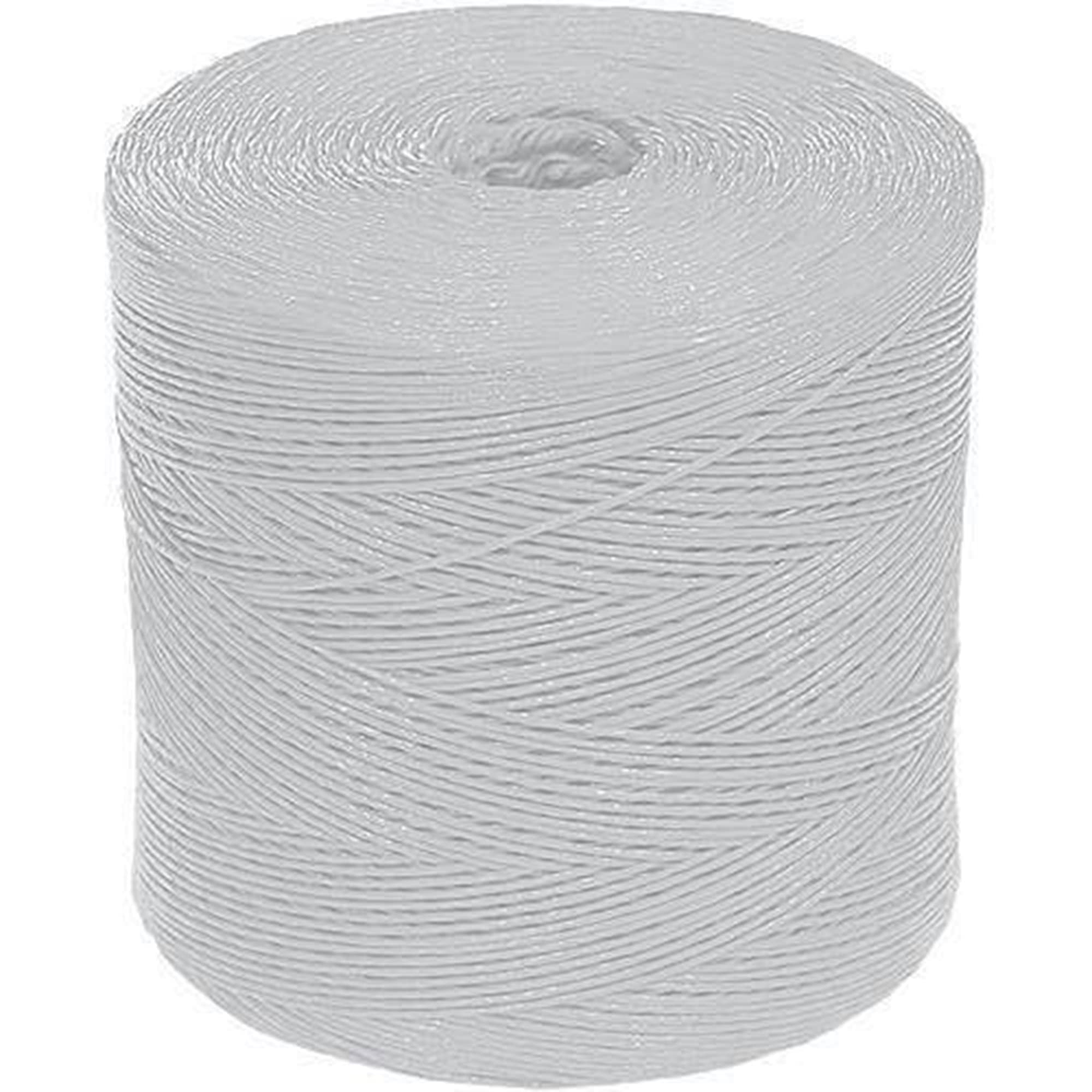
- The twine is heavy-duty and strong, ensuring that it can hold up even the heaviest plants.
- The box/tube design is convenient and easy to use, allowing for easy feeding from the top of the box.
- The twine is UV-resistant, ensuring that it will last for a long time in the field.
Cons
- The ends of the twine may fray over time, which can make it difficult to tie knots.
- The box may be difficult to carry around due to its size and weight.
- The twine may not be suitable for smaller plants due to its heavy-duty strength.
We’ve used this garden twine to tie up our tomato plants, and we were impressed with its strength and durability. Overall, we would recommend the IRRIGATION-MART 6300FT Tomato Tying Garden Twine Standard to anyone looking for a durable and long-lasting garden twine. When you weigh all the factors, this one rises above the rest.
Best iron option
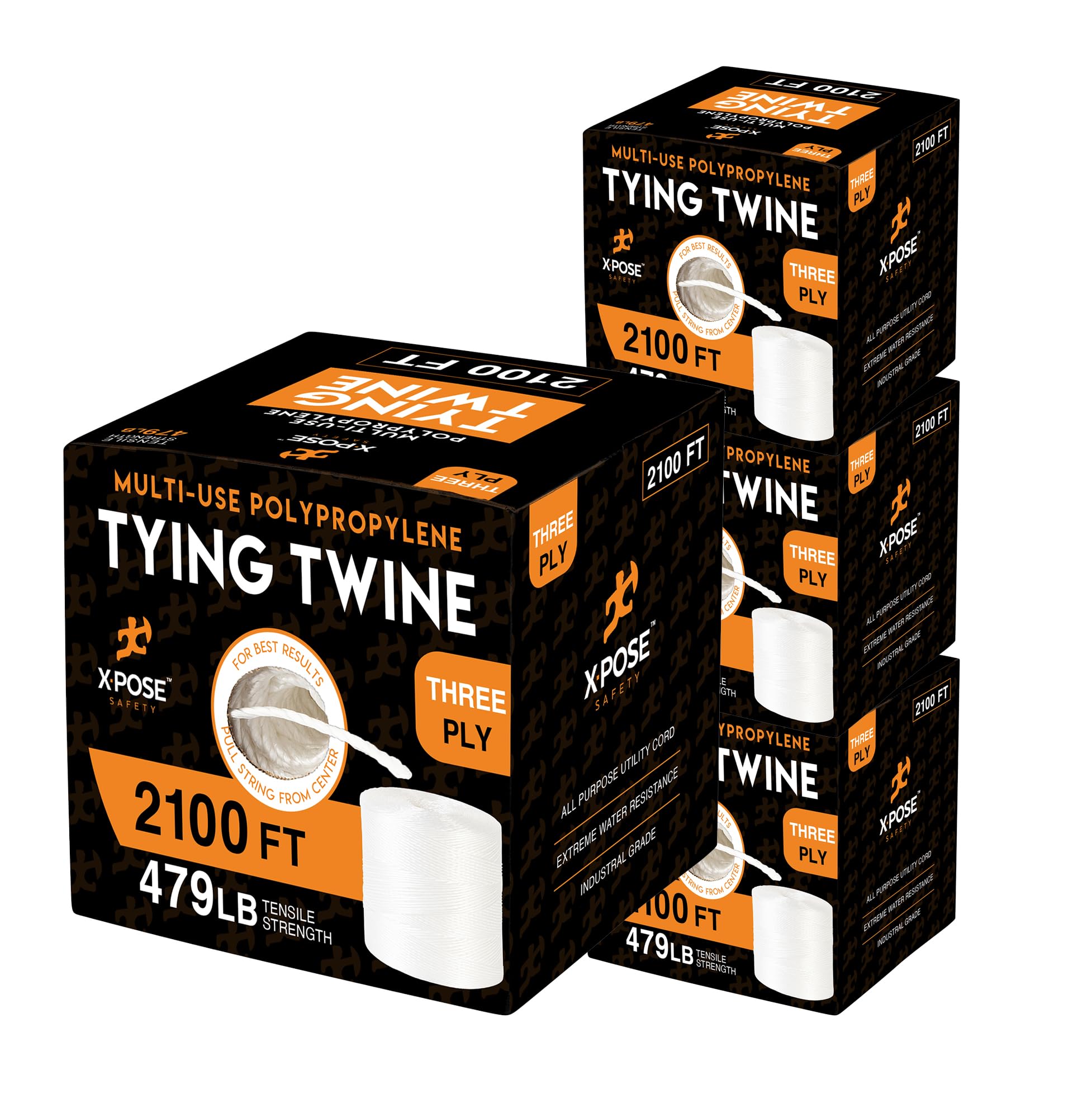
- Made of jute fiber, the twine string is biodegradable and won’t hurt environment.
- 3 strands twisted, 2mm thick, the jute twine is soft, easy to work with and holds knots tightly. Great for tying garden plants, vines and flowers to trellis or support pole.
- The jute twine string is 656 feet long. It’s strong and long enough to meet your multiple needs on gardening, home organizing or crafting.
Cons
- The twine is not as heavy as some gardeners might prefer for supporting heavier crops like tomatoes and beans.
- The green color of the twine might not blend in with all foliage.
- The twine might not be as durable as some synthetic options.
We appreciated the eco-friendly aspect of the twine being biodegradable and not harmful to the environment. Overall, we would recommend the Tenn Well Green Garden Twine for gardeners looking for an eco-friendly option for tying plants. Check it out on Amazon!
Best cotton option
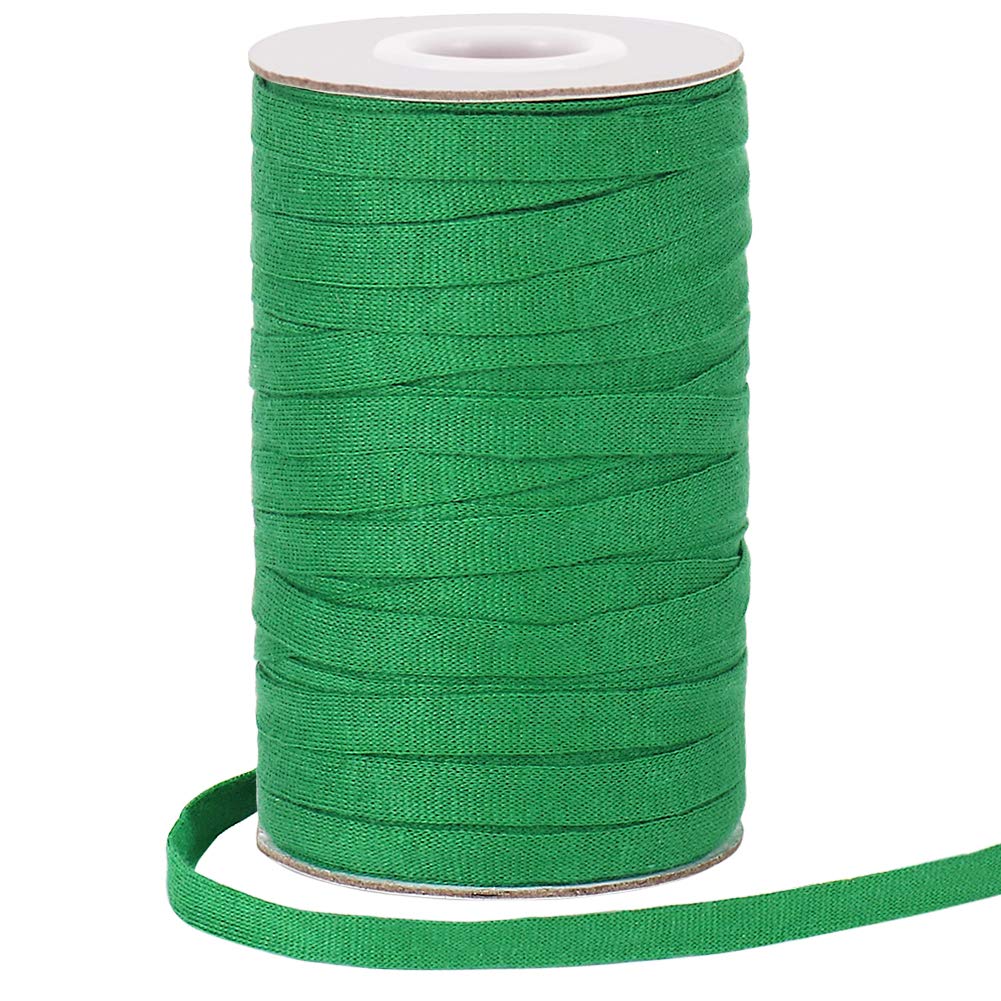
- This plant tie is made from 100% cotton, which is gentle enough to tie up delicate and sturdy stems without causing any damage.
- The stretchy material allows the stem of a plant to increase in girth as it grows, while still remaining strong enough to secure the plant and help establish its shape.
- The biodegradable cotton material is environmentally friendly, making it an excellent choice for gardeners who are looking for sustainable options.
Cons
- The cotton material may not be as durable as other synthetic materials, so it may not be the best option for very heavy plants or in areas with strong winds.
- The green color may not blend in as well with certain plants or garden designs.
- The spool may not be large enough for those with larger gardens or more plants to tie up.
We found the Shintop Garden Tree Tie to be a versatile and eco-friendly option for tying up various plants, including tomato plants, climbing roses, and vines. In our experience, this garden twine is easy to tie and untie, so you can use it several times. It’s a well-rounded option that’s easy to recommend.
Best for gardens
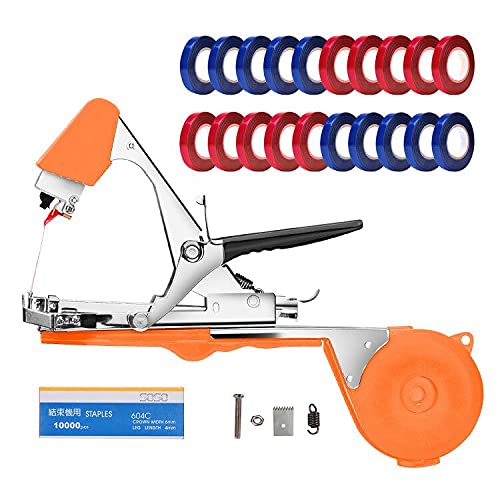
- The plant tying machine makes it easier to staple the tape around the plant and stake to hold plant from falling over when loaded with vegetables.
- Garden plant tape tool aims for high efficiency, which can be operated with only one hand, saving more time and labor costs.
- Hand plant tying machine can be used for different kinds of plants, like grapes, tomatoes, cucumbers, and the branches of the plant to keep it upright.
Cons
- Half press to catch tape and then a full press to staple and cut, practice several times to be proficient.
- The tape doesn’t always grab on very well.
- The machine may break after only a short time.
Overall, we highly recommend the DrRobor Plant Tying Machine for anyone who wants to save time and energy in their garden. It’s a great investment that will pay off in the long run. It does exactly what you’d hope — and then some.
Most durable option
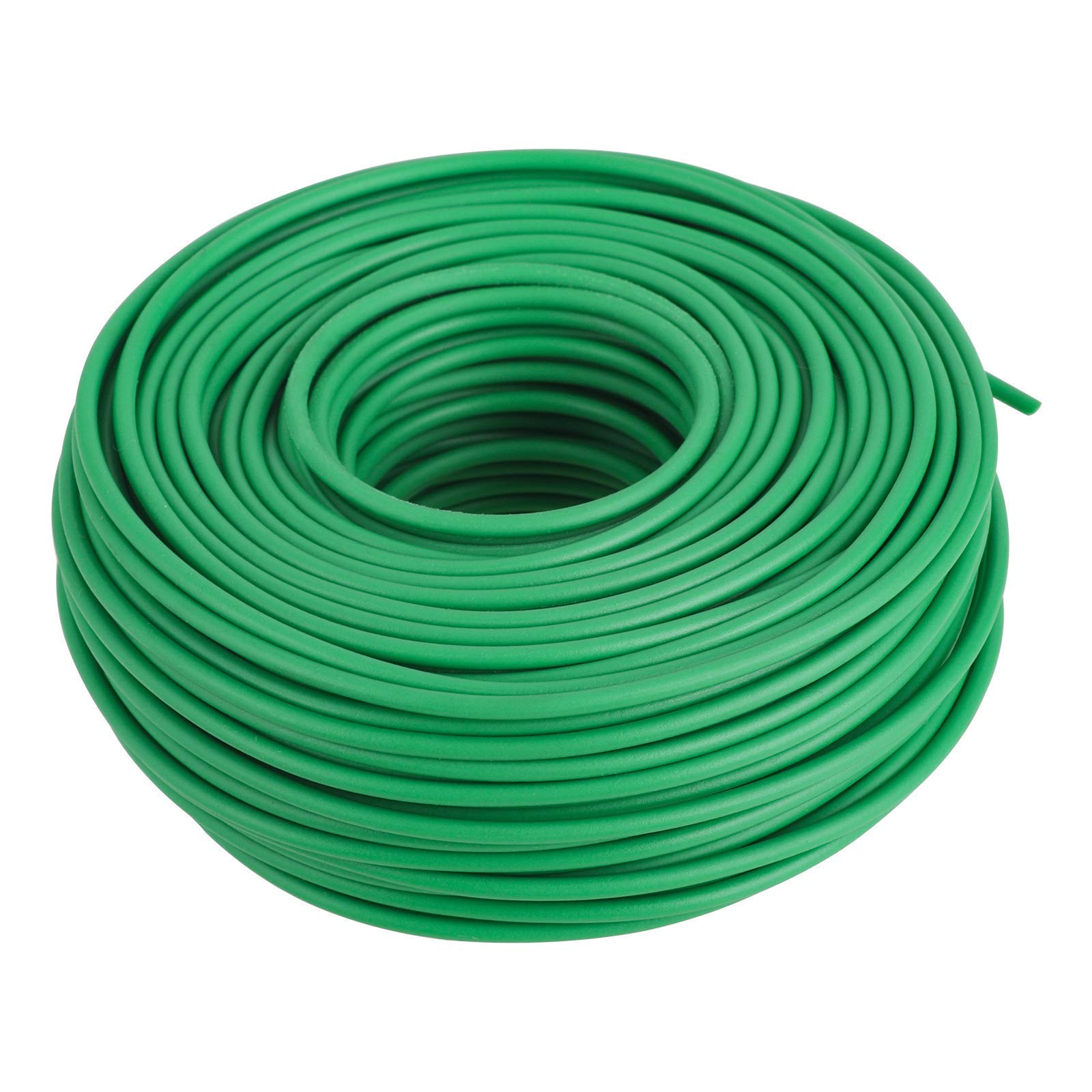
- The soft TPR coating and iron wire make these ties very durable and reusable for more than one season.
- They are very easy to use and cut to any length you need.
- The green color of the ties blends in well with plants and keeps your garden looking beautiful.
Cons
- The coating on the wire can slough off when twisting the ends together.
- The ties are a bit thinner than some other options on the market.
- They may not be suitable for tying very heavy plants.
Overall, the Bacetuao Soft Plant Ties are a great choice for anyone in need of a durable and versatile garden twine. In addition to their use in the garden, these ties have many versatile usages in daily life, such as tying up messy wires or cables to keep your home or office tidy. If longevity matters to you, this one won’t disappoint.
Best tall option
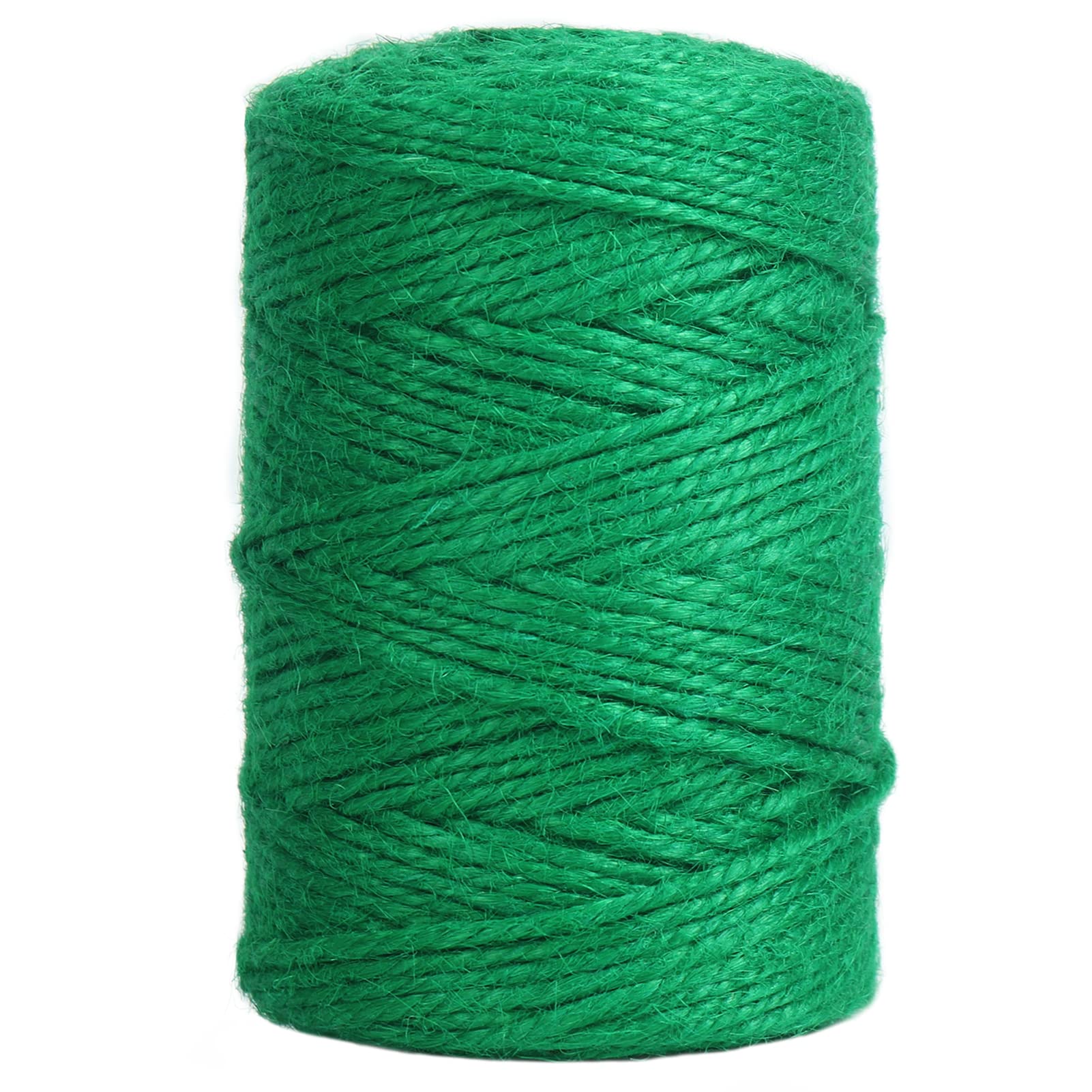
- The 328 feet long jute twine is durable and strong, making it perfect for tying plants, gardening projects, gift wrapping, crafts, and packaging.
- The 3mm thickness of the twine is not too thin or too thick, making it easy to use and store.
- The twine is made of biodegradable jute, which is environmentally friendly and safe to use.
Cons
- The twine has a slight odor that may bother some users.
- The twine may break easily if not handled carefully.
- The green color of the twine may not be suitable for all gardening projects.
However, we haven’t experienced any issues with it so far. We recommend using a soft, yet sturdy twine like cotton or jute. It’s a solid choice that lives up to its billing.
Buying Guide
When choosing the best garden twine for tying plants, there are several factors to consider. Here are some features to look for:
Material
The material of the twine is an essential factor to consider. Twine can be made from various materials such as jute, cotton, nylon, and polypropylene. Jute is a natural fiber that is biodegradable and eco-friendly, but it may not be as durable as other materials. Cotton is also a natural fiber that is soft and gentle on plants, but it may not be as strong as synthetic materials. Nylon and polypropylene are synthetic materials that are strong and durable, but they may not be as eco-friendly as natural fibers.
Strength
The strength of the twine is crucial, as it needs to be able to support the weight of the plant without breaking. Look for twine with a high tensile strength that can withstand the weight of the plants.
Thickness
The thickness of the twine is another factor to consider. Thicker twine may be stronger, but it may also be more challenging to tie knots and may damage delicate plants. Thinner twine may be easier to work with, but it may not be strong enough to support heavier plants.
Length
The length of the twine is also important. Make sure to choose a length that is appropriate for the size of your garden and the number of plants you need to tie.
Color
The color of the twine may not be a significant factor, but it is worth considering. Green or brown twine may blend in better with the plants, while brightly colored twine may be easier to see and remove after use.
In summary, when choosing the best garden twine for tying plants, consider the material, strength, thickness, length, and color. By taking these factors into account, you can find a twine that will work best for your garden and plants.
Frequently Asked Questions
What are the most durable materials for garden twine?
When it comes to durability, synthetic materials like nylon and polypropylene are the best options for garden twine. They are resistant to moisture and can withstand outdoor conditions for long-term use.
How do I choose the right twine for tying tomato plants?
For tying tomato plants, it’s important to choose a twine that is strong enough to support the weight of the fruit. We recommend using a soft, yet sturdy twine like cotton or jute.
What is the ideal type of twine for supporting climbing plants?
Climbing plants require a strong and durable twine that can withstand the weight of the plant as it grows. Synthetic materials like nylon or polypropylene are great options for this purpose.
Can jute twine withstand outdoor conditions for long-term use?
Jute twine is a natural fiber that is biodegradable and eco-friendly. However, it is not as durable as synthetic materials and may not withstand outdoor conditions for long-term use.
Is green garden twine more effective for blending in with plants?
Green garden twine is a popular option for blending in with plants and providing a more natural look. However, the color of the twine does not affect its effectiveness in supporting plants.
What are the benefits of using hemp twine in the garden?
Hemp twine is a natural and eco-friendly option for gardeners. It is strong, durable, and resistant to moisture, making it a great choice for outdoor use. Additionally, hemp is a renewable resource that is biodegradable and compostable.