Best Grow Bags for Native Plants: Top Picks for Optimal Growth
We independently select all products and services. If you click through links we provide, Plant Native may earn a commission with no extra cost to you.
Last updated: November 8, 2026

Native plants are a beautiful addition to any garden or landscaping project, but finding the right container to grow them in can be a challenge. That’s where grow bags come in. Grow bags are a popular choice for many gardeners because they are lightweight, easy to move around, and allow plants to grow in a more natural way than traditional pots. In this article, we’ll be focusing specifically on the best grow bags for native plants.
When choosing a grow bag for your native plants, there are a few critical things to consider. The first is the material. Grow bags are typically made from either fabric or plastic. Fabric bags are breathable, which allows for better drainage and aeration, while plastic bags are more durable and retain moisture better. The second thing to consider is the size of the bag. Native plants have different root systems, so it’s important to choose a bag that is the right size for your specific plant. Finally, you’ll want to consider the overall quality of the bag, including its construction and any additional features like handles or drainage holes.
After researching and testing various grow bags on the market, we have identified the top options for growing native plants. Whether you’re a seasoned gardener or just starting out, these grow bags will provide a great foundation for your plants to thrive in their natural environment.
Best Grow Bags for Native Plants
We understand the importance of choosing the right grow bags for your native plants. That’s why we’ve researched and tested various options to bring you the best grow bags for native plants. Whether you’re a seasoned gardener or just starting out, our list has something for everyone. So, without further ado, let’s dive into our top picks for the best grow bags for native plants.
Our top pick

- The 320g thickened nonwoven fabric is sturdy enough that the bags stay upright even when unfilled.
- The breathable fabric keeps roots aerated and air-pruned, which prevents them from circling.
- High-tensile, tear-resistant handles make the bags easier to carry and move around.
Cons
- The bags can be heavy to move around once filled with soil and plants.
- The 10-gallon size may not be suitable for larger shrubs or trees.
- Plain black fabric may not be as attractive as decorative planters.
Bottom line: The iGarden 6-pack gives you six tall 10-gallon bags in heavy 320g fabric with reinforced handles and a 1-year warranty, which makes it a sturdy, reusable pick for native plants in containers. All things considered, it’s the standout choice in this category.
Best fabric option
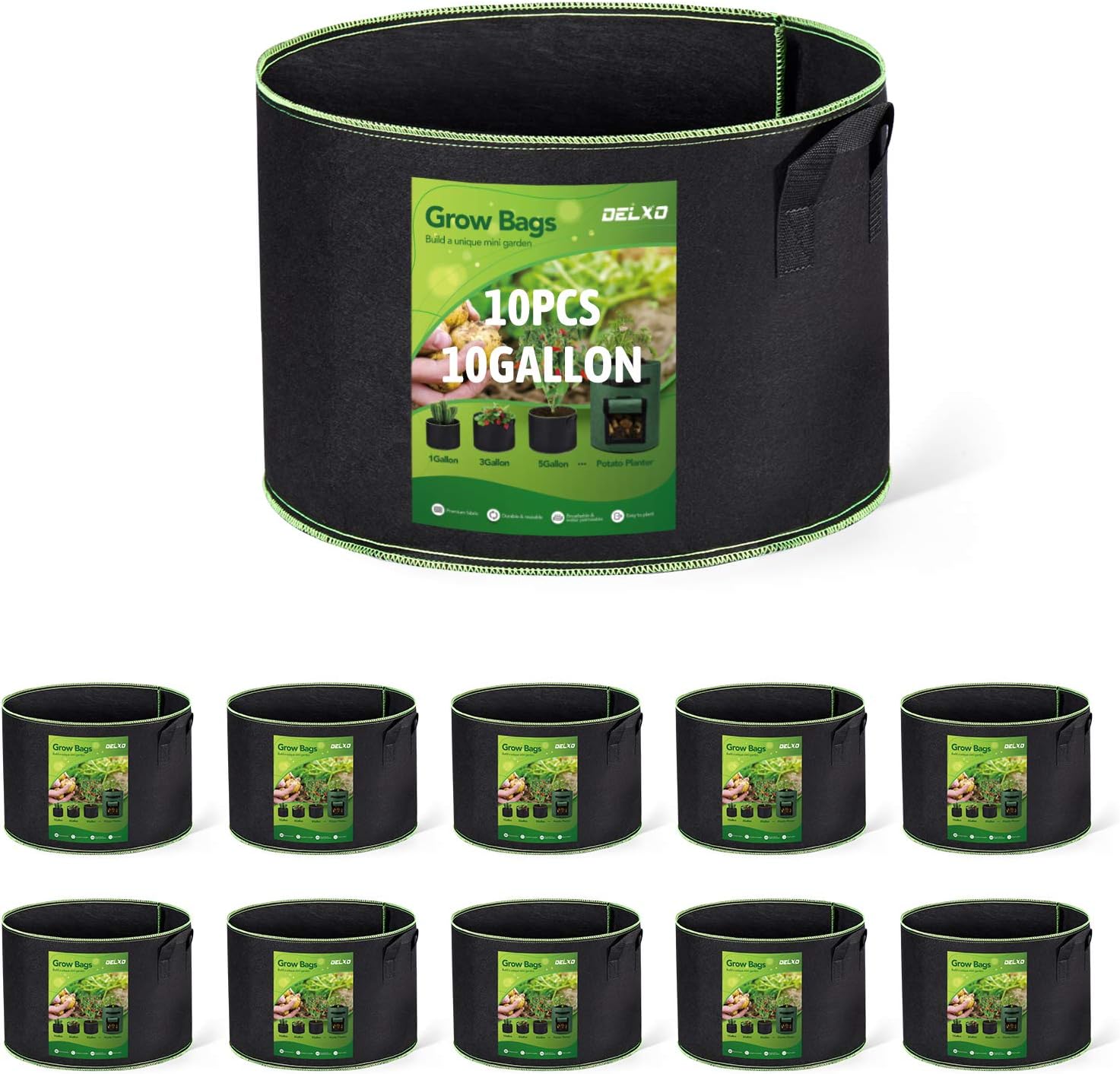
- Ten 10-gallon bags in one pack covers a large container planting.
- 300G thickened nonwoven fabric is tear-resistant, easy to clean and reusable.
- Breathable fabric lets roots breathe, which supports a healthier root structure than plastic pots.
Cons
- The 10-gallon size may not be suitable for larger shrubs or trees.
- Fabric pots dry out faster than plastic containers in hot weather.
- Plain black fabric may not be as attractive as decorative planters.
Bottom line: The Delxo 10-pack is a good value if you need a lot of mid-size containers: ten 10-gallon bags in 300G thickened fabric with handles, reusable across seasons. It does exactly what you’d hope — and then some.
Best plastic option
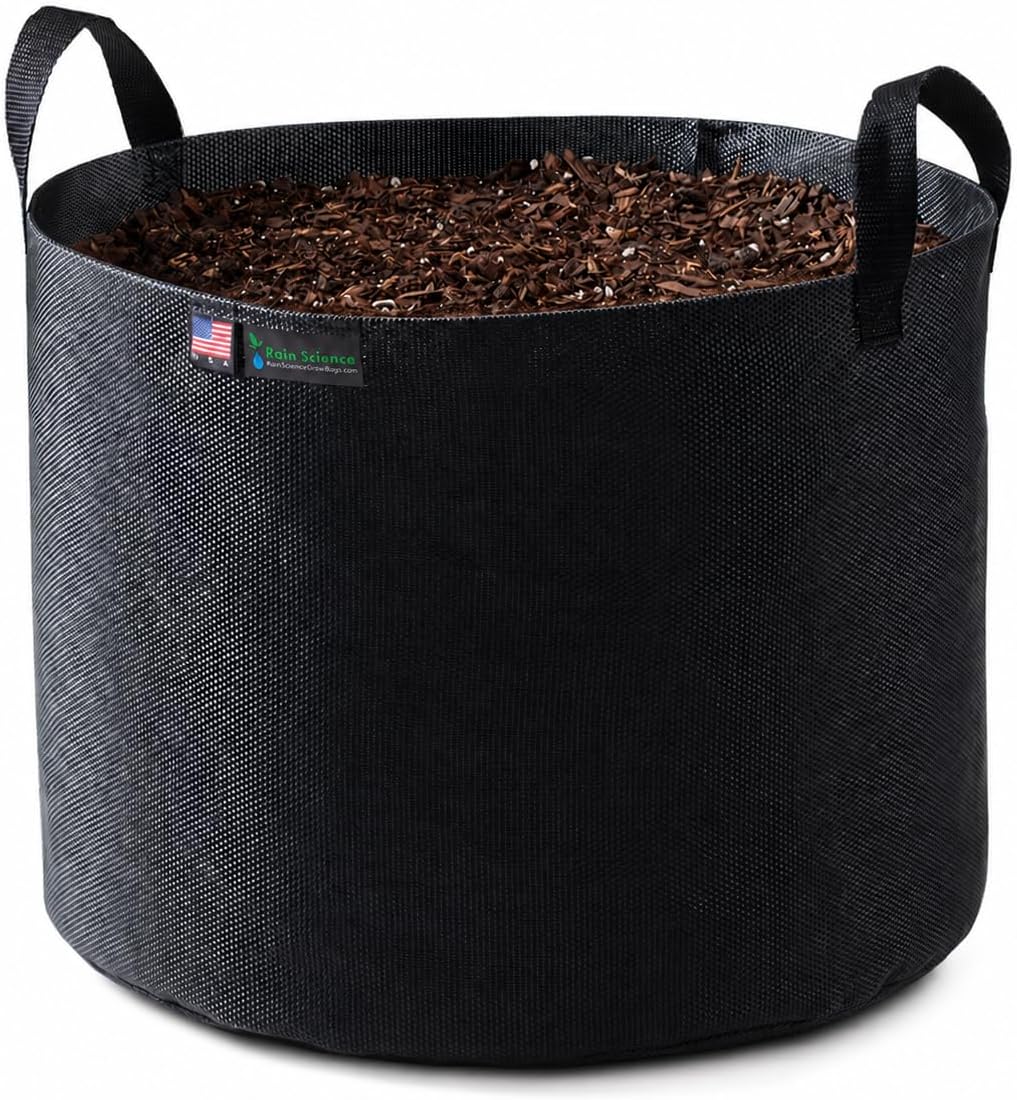
- The plastic-coated mesh helps prevent overwatering and greatly improves airflow to the roots.
- External seams and a tapered shape make transplanting easier and less stressful for the plant.
- Machine washable and reusable across seasons.
Cons
- The tapered design may take some getting used to when transplanting plants.
- The open mesh may dry out faster than traditional fabric pots, so you may need to water more often.
- It is sold as a single bag, so the price per bag is higher than multi-pack options.
Bottom line: The Rain Science bag uses an air-pruning, plastic-coated mesh with a tapered, external-seam design that is built to improve aeration and simplify transplanting, and it works for tomatoes, potatoes, herbs and flowering plants alike. It’s a solid choice that lives up to its billing.
Best rain option
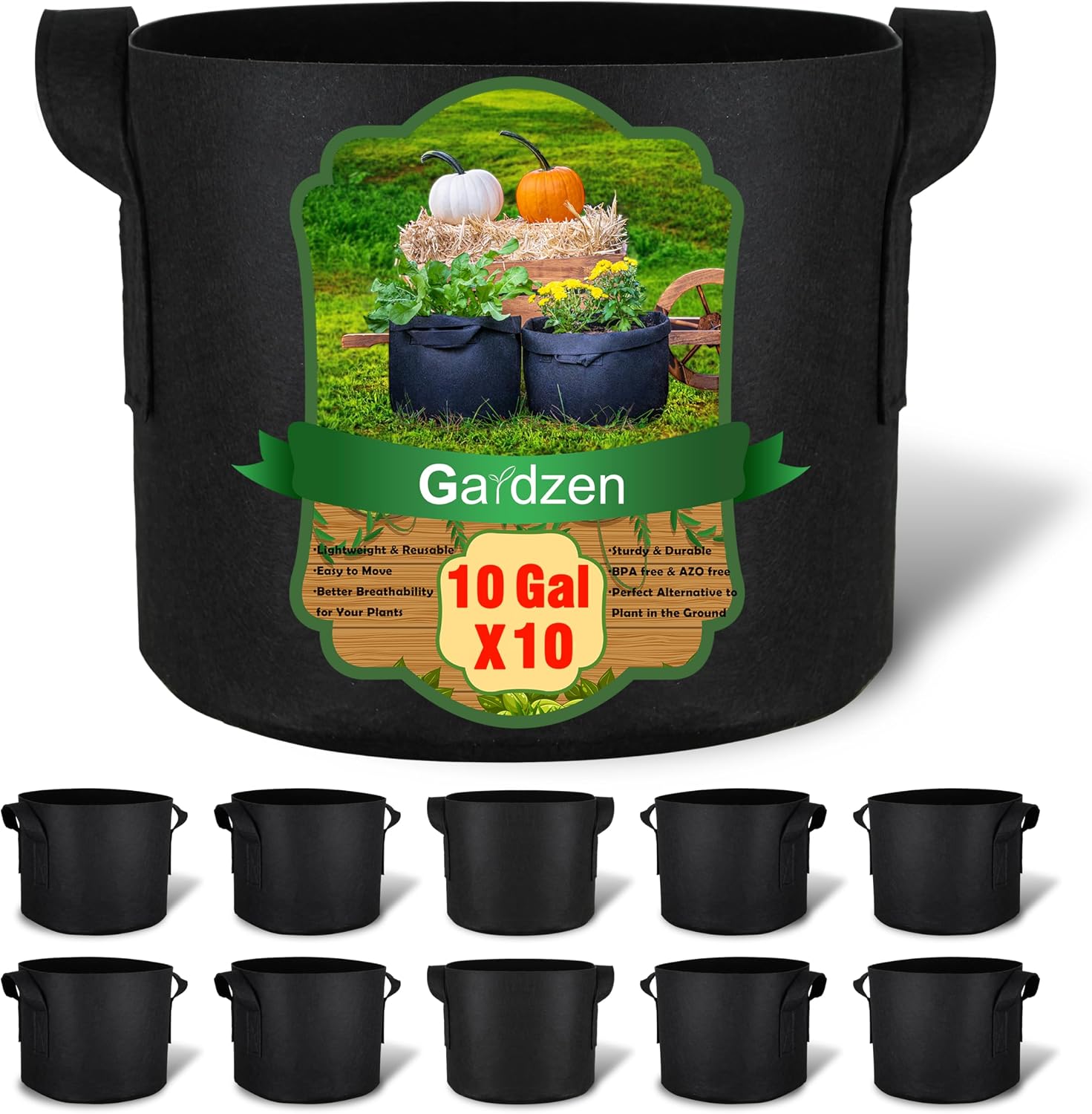
- 300G thickened nonwoven fabric provides moderate permeability for root respiration and is BPA-free.
- The breathable structure promotes air pruning, stopping root circling and building a more fibrous root ball.
- Reinforced X-shaped stitching on the handles helps prevent tearing when moving fully loaded bags.
Cons
- In hot summer sun, plants may need watering every day.
- May require additional support for larger plants.
- Ten bags may be more than you need for a small balcony or patio.
Bottom line: The Gardzen 10-pack offers ten roomy 10-gallon bags in 300G fabric with X-stitched handles; they are washable and fold flat for storage, so they can be reused for several seasons. It hits the mark where it counts most.
Best metal option

- Thick 500G fabric with high-density nylon handles secured by box-X stitches
- Built-in metal rings for low-stress training growth techniques
- Breathable nonwoven fabric for healthier root structure and natural drainage
Cons
- Only five bags per pack
- Fabric pots dry out faster than plastic containers in hot weather
- May require a lot of soil to fill
Bottom line: In summary, the VIVOSUN 5-Pack 7 Gallon Grow Bags are a great choice for anyone looking to grow native plants. The handles are attached with box-X stitching, so you can move filled pots around the garden to follow the sun. If this matches what you’re looking for, you won’t be disappointed.
Best wide option

- Good root growth: the bags absorb water and let air through, and seedling roots can grow through the fabric, so there is no need to remove the bag when transplanting.
- High seedling survival rate: good drainage and air permeability support fast growth, which suits nursery use.
- Wide purpose: suitable for agriculture, forestry, ornamental flowers, vegetables and fruits.
Cons
- Small size: at 4.2″ x 4.2″, the bags are only for seedlings, and you will need larger containers as plants grow.
- Folding: the bags ship folded and need to be straightened before filling.
- No handles, so they are not meant for moving plants around.
Bottom line: The Belit nursery bags are an inexpensive way to start 100 seedlings that go straight into the ground, bag and all, but their small size means they are for propagation rather than growing plants on. For what it sets out to do, it delivers impressively.
Best for native plants

- Made of durable, BPA-free 300G non-woven fabric
- Comes in a pack of 12 with a 5-gallon capacity and wide handles
- Good drainage, and washable for reuse over several years
Cons
- May not be suitable for larger plants
- May require additional support for plants with heavy fruits or vegetables
- May not be as aesthetically pleasing as other grow bags
Bottom line: With twelve 5-gallon bags in 300G fabric, wide handles and good drainage, the KuMers pack is a durable, functional option for growing many native plants. For those committed to growing native, it’s an excellent fit.
Best iron option
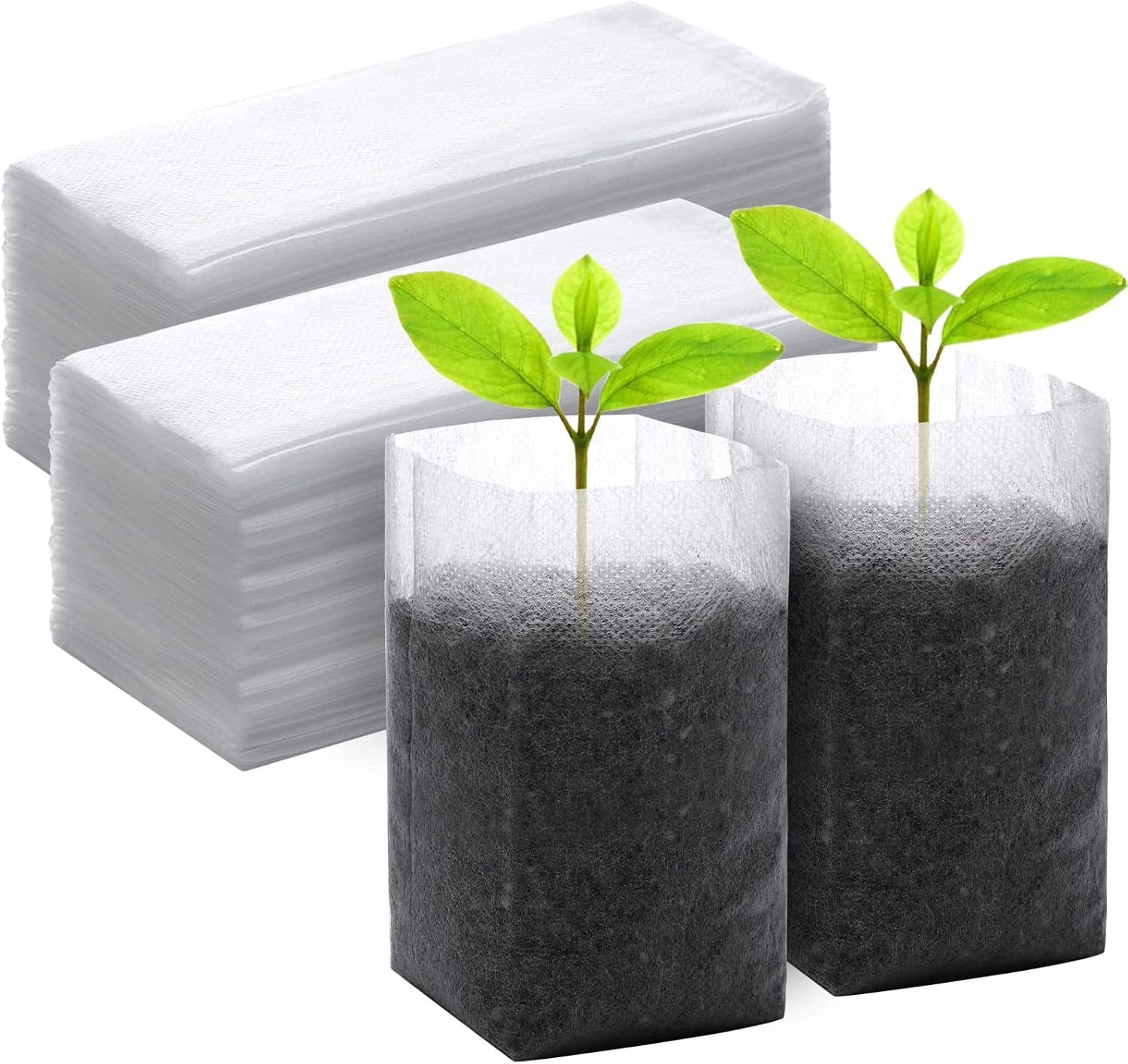
- The non-woven fabric is breathable and biodegradable, making it a good choice for environmentally conscious gardeners.
- Small drainage holes and air permeability help seedlings absorb water and nutrients for a high survival rate.
- You don’t need to remove the bags when transplanting, which saves time and reduces transplant shock.
Cons
- At about 3.3″ x 4.6″ when filled, the bags are only for seedlings and small starts.
- No handles, so they are not designed for moving larger plants.
- The thin bags are made for one-time use rather than years of reuse.
Bottom line: The GREANER nursery bags give you 200 biodegradable seedling pouches that go into the ground with the plant, which makes them a low-waste way to propagate native plants. It earns its spot on this list with consistent, reliable performance.
Best with LED lights
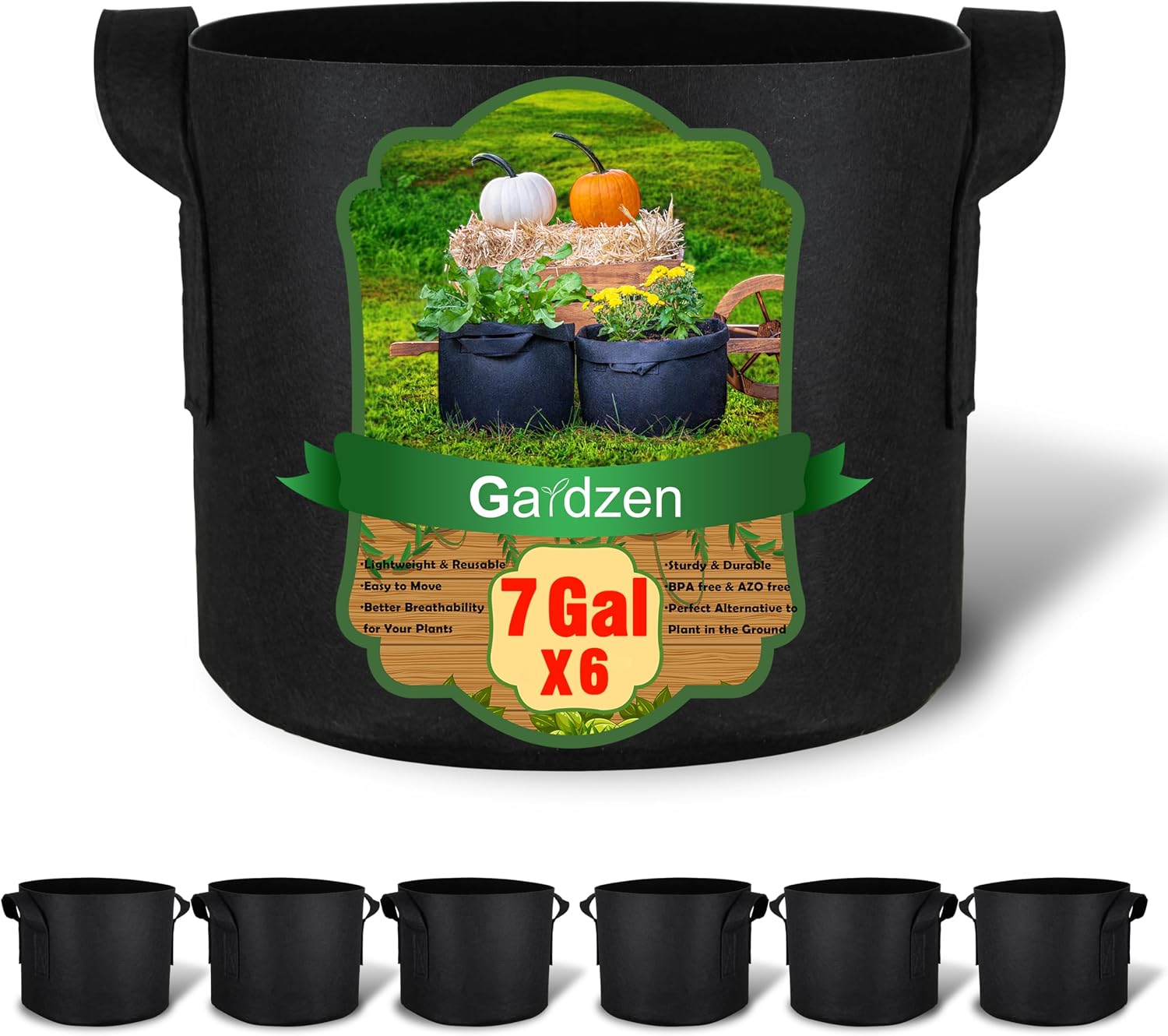
- Breathable fabric supports natural root pruning and reduces root circling.
- Fabric lets excess water drain while holding moisture, which helps prevent overwatering.
- Sturdy handles with reinforced stitching make filled bags easy to lift and reposition.
Cons
- The 7-gallon size is too small for shrubs or trees.
- Fabric pots dry out faster than plastic containers in hot weather.
- The bags may not hold all the water, so it may be necessary to place them in a saucer indoors.
Bottom line: The Gardzen 6-pack gives you six 7-gallon bags in 300G fabric with reinforced handles, a practical size for native perennials on a patio or balcony. We’re confident recommending it for the right buyer.
Buying Guide
When it comes to choosing the best grow bags for native plants, there are a few key features to consider. Here are some factors to keep in mind:
Material
The material of the grow bag is an important factor to consider. Look for bags made from breathable and durable materials such as fabric or felt. These materials allow for proper air circulation and drainage, which can help prevent root rot and other issues.
Size
The size of the grow bag is also an important consideration. Make sure to choose a bag that is large enough to accommodate the root system of your native plant. A bag that is too small can restrict root growth and lead to stunted or unhealthy plants.
Drainage
Good drainage is essential for healthy plant growth. Look for grow bags with drainage holes or slits to ensure excess water can escape. Additionally, consider placing the grow bag on a saucer or tray to catch any excess water.
Handles
Handles on grow bags can be helpful for moving the bags around, especially if you need to move the plants to different locations or bring them indoors during the colder months. Look for bags with sturdy handles that can support the weight of the soil and plants.
Price
Finally, consider the price of the grow bags. While more expensive bags may be made from higher quality materials, there are also many affordable options available. Consider your budget and choose a grow bag that meets your needs without breaking the bank.
By considering these factors, you can choose the best grow bags for your native plants and help ensure healthy and thriving growth.
We independently select all products and services. If you click through links we provide, Plant Native may earn a commission with no extra cost to you. As an Amazon Associate I earn from qualifying purchases.