
Caring for Native Shrubs: Essential Tips for Healthy Growth and Maintenance
Last updated: September 2, 2026
Caring for native shrubs means getting to know what they need in terms of soil, water, and light. These plants have adapted to local environments, so honestly, they’re usually less of a hassle than non-natives.
The key to healthy native shrubs is providing appropriate watering, pruning, and protection from pests based on their natural habitat requirements.
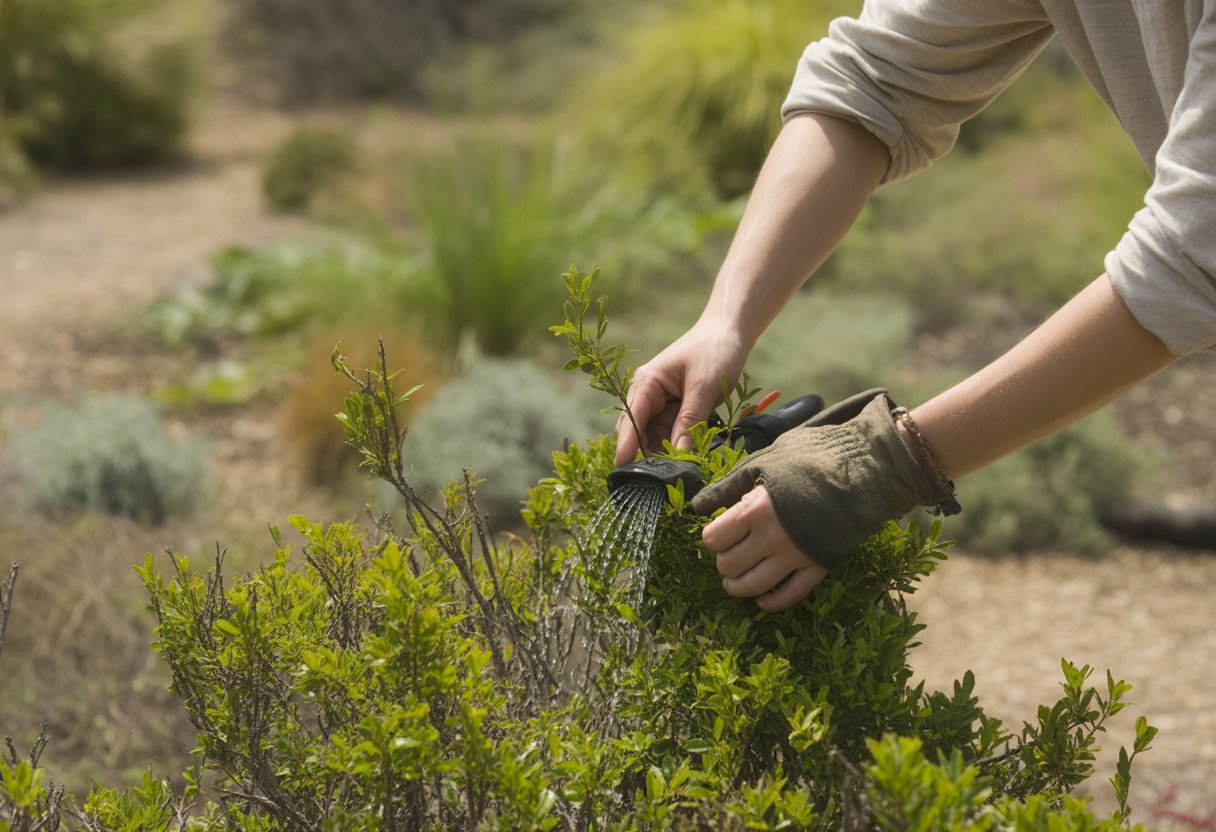
Native shrubs do best when you plant them in soil that matches their original environment. Watering them in sync with the seasons goes a long way.
Pruning at the right time supports growth and encourages dense foliage, which helps the shrub resist diseases. Paying attention to these basics really helps maintain their long-term health and appearance.
Understanding Native Shrubs and Their Role in the Landscape
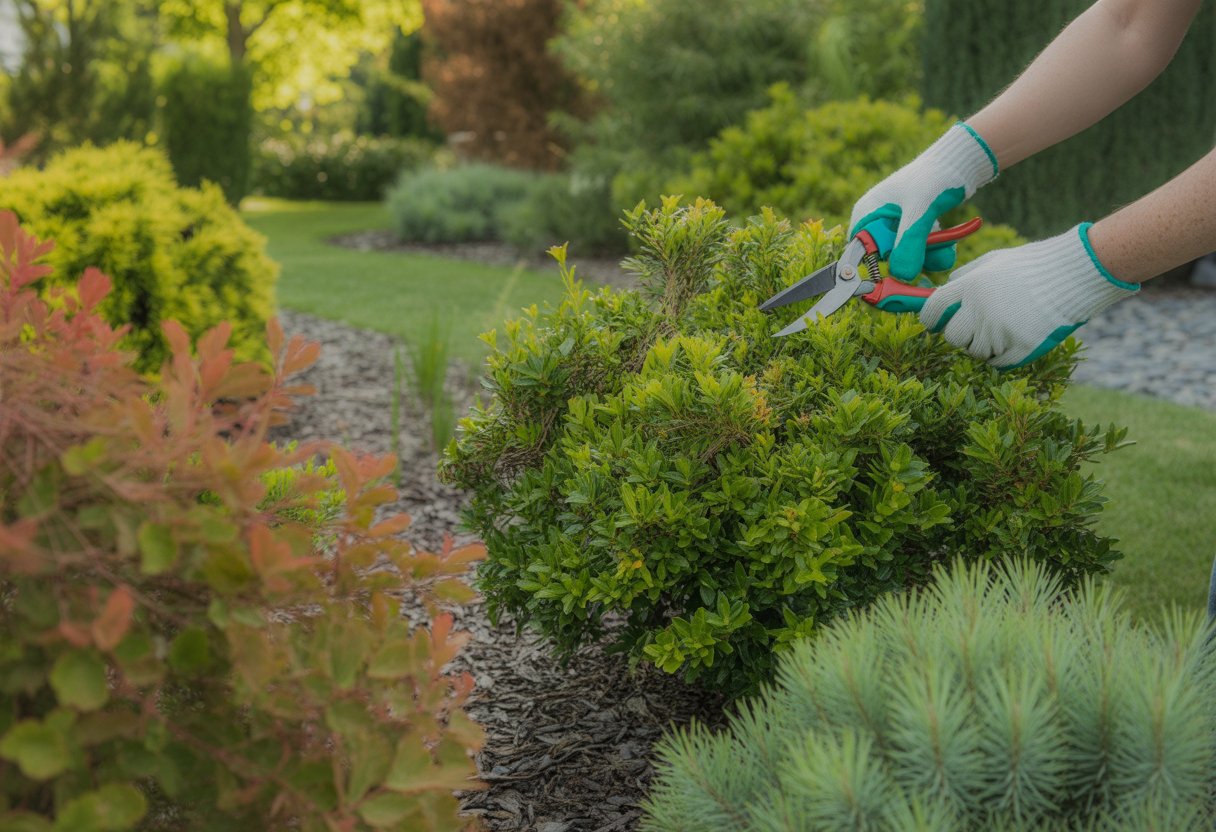
Native shrubs contribute to the balance of local ecosystems thanks to their adaptation to climate, soil, and wildlife. Their presence supports biodiversity and helps keep natural habitats intact while holding their own against invasive species.
What Makes a Shrub Native?
A shrub counts as native if it has originated and evolved naturally in a specific region over thousands of years. These plants have adapted genetically to local conditions like temperature, rainfall, and soil type.
Native shrubs belong to the historic plant community and have formed relationships with native wildlife, including birds and insects. Because of these adaptations, they typically need less water, fertilizer, and pesticides compared to non-natives.
Benefits to Habitat and Wildlife
Native shrubs provide food and shelter for local wildlife—think birds, mammals, and insects. They create nesting spots and offer berries, seeds, and leaves as food sources throughout the year.
For example, shrubs like chokecherry and serviceberry attract native birds that depend on their fruit. This support helps keep a habitat diverse and healthy.
Native Shrubs vs. Invasive Plants
Invasive plants like European buckthorn and Tartarian honeysuckle tend to outcompete native shrubs by growing fast and messing with soil chemistry. They crowd out native species and degrade habitats like meadows and woodlands.
Native shrubs, on the other hand, coexist with other plants and animals without throwing things out of balance. They support healthy soil and natural predators, which helps keep invasives in check.
| Feature | Native Shrubs | Invasive Plants |
|---|---|---|
| Growth | Moderate, adapted to ecosystem | Rapid, aggressive |
| Impact on ecosystem | Supports habitat and wildlife | Displaces native species |
| Resource needs | Low water and fertilizer | Often high water and nutrient use |
| Biodiversity contribution | Enhances local biodiversity | Reduces biodiversity |
Supporting Pollinators and Ecosystems
Native shrubs play a big part in supporting pollinators like bees, butterflies, and hummingbirds. Their flowers evolved alongside these pollinators, offering nectar and pollen during key bloom times.
This relationship keeps pollinator populations going, which is crucial for many native plants. Their presence also helps with things like soil stabilization and water filtration—functions non-native plants often don’t handle as well.
Selecting and Planting Native Shrubs
Getting native shrubs established starts with knowing your soil conditions, drainage, and whether the site is a good fit. Picking species that suit local growing conditions is crucial for long-term health.
Proper planting and thinking about how shrubs fit into your landscape help them thrive in gardens or natural areas.
Site Preparation and Soil Drainage
Start by clearing weeds and debris from the site to limit competition. Most native shrubs need well-drained soil; poor drainage can lead to root rot.
To check drainage, dig a 12-inch hole and fill it with water. If it drains within 6 hours, you’re good to go.
If your soil is heavy clay, mix in some sand or organic matter to improve drainage. Loosen the soil around the planting hole so roots can spread out.
Try not to compact the soil during prep—roots and water both need room to move.
Choosing the Right Species and Plant Materials
Pick native shrub species that fit your local climate, soil, and sunlight. Local native plant guides or extension services can help you decide.
Buy healthy, disease-free plants from nurseries you trust. You’ll find options like bareroot, container-grown, or balled-and-burlapped stock.
Think about what your garden needs: drought tolerance, shade, or maybe erosion control. Choose species that match your goals, whether it’s wildlife habitat or just looking good.
Planting Instructions and Transplanting Tips
Dig holes twice as wide as the root ball, but don’t go deeper. This keeps roots from getting buried too deep.
Set the shrub so the root flare lines up with the surrounding soil. Gently backfill with native soil and skip fertilizers at first.
After planting, water thoroughly to settle everything in. Mulch with organic material, but don’t pile it right up against the trunk—leave a couple inches of space.
If you’re transplanting established shrubs, trim off damaged roots and stems. Move them during dormancy or cooler weather to help them recover better.
Integrating Shrubs in Landscape Design
Place shrubs where they’ll complement existing plants and features, keeping their mature size and growth in mind. Group species with similar water and light needs to make your life easier.
Native shrubs can work as screens, borders, or habitat patches to boost biodiversity. They offer both beauty and function, like stabilizing soil or supporting pollinators.
Mix it up with different bloom times and foliage textures for year-round interest. This approach keeps your garden lively and adaptable.
Essential Care and Maintenance Practices
Taking care of native shrubs means managing water, soil, and growth habits to keep them healthy. Balancing watering, mulching, and regular pruning helps their roots and encourages drought resilience.
Watering and Mulching Techniques
Native shrubs usually prefer deep, infrequent watering to encourage strong root growth. Watering in the early morning helps reduce evaporation and fungal issues.
Skip overhead watering—just water at the base. Mulch is a lifesaver for conserving moisture, keeping soil temperatures steady, and blocking weeds.
Lay down a 2-4 inch layer of organic mulch like bark or wood chips, but don’t let it touch the stems. Rainwater or filtered water is best if you can swing it.
Don’t go overboard with fertilizers; native shrubs already know how to make do with local soil nutrients.
Pruning and General Maintenance
Focus pruning on cutting out dead or diseased branches to improve air circulation and keep pests at bay. Light pruning once a year, ideally in late winter or early spring, works well.
Try to maintain the shrub’s natural form instead of forcing it into tight shapes. Remove suckers and crossing branches to reduce stress on the roots and improve the plant’s structure.
Stay on top of pests, clear away debris, and keep an eye on soil conditions. Regular check-ins help you catch problems early so your shrub stays healthy all year.
Supporting Drought Tolerance
Native shrubs grow deep roots that help them survive dry stretches. Watering less often over time encourages those roots to go deeper, boosting drought tolerance.
Mulching helps a ton by keeping moisture in and blocking out extreme temperatures. It’s a simple way to give roots a buffer.
Don’t overwater—too much can actually make roots weaker and more prone to drought stress. Removing water-hogging plants nearby can free up resources for your native shrubs.
Maximizing Wildlife and Seasonal Interest
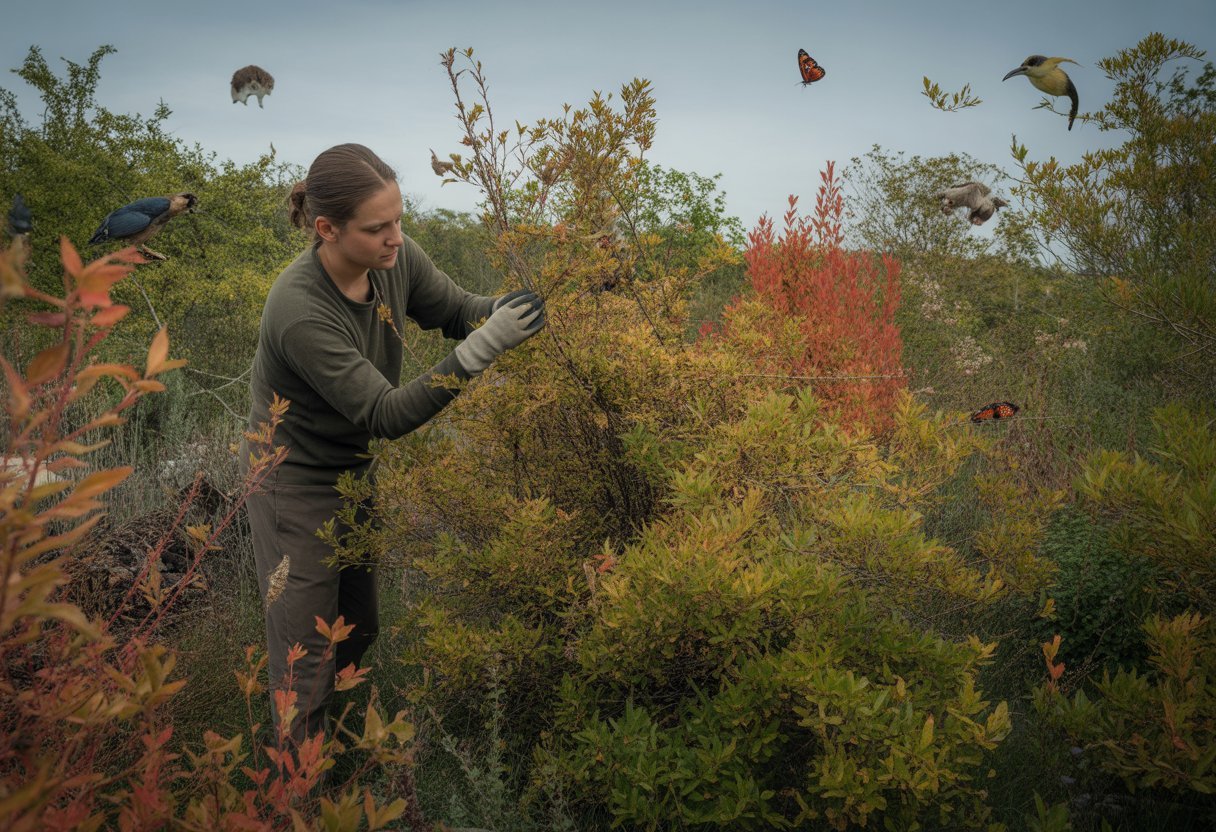
Native shrubs support wildlife by providing food and habitat all year long. Choosing plants with different bloom times and food sources ramps up both garden activity and visual appeal.
Attracting Butterflies, Bees, and Moths
Shrubs like asclepias tuberosa (butterfly weed) and bee balm offer nectar that draws in butterflies, bees, and moths. These insects go for flowers with bright colors and strong scents.
Tubular blooms on bee balm suit long-tongued pollinators. Staggering bloom times means pollinators always have something to eat.
Adding native wildflowers like black-eyed Susan (rudbeckia hirta) and California poppy (eschscholzia californica) nearby can make your garden a real hotspot for pollinators.
Berry and Nut-Producing Shrubs
Berry and nut-producing shrubs give birds and small mammals vital food, especially in fall and winter. Native sumac or elderberry, for example, produce fruit that wildlife loves.
Mixing in nut-bearing shrubs with berry producers ensures wildlife has something to eat even during lean months. This approach keeps your garden lively and supports year-round biodiversity.
Bloom Time and Companion Plants
Knowing when flowers bloom can really boost your garden’s visual appeal and keep pollinators happy. Early bloomers like California poppy show up in spring.
Black-eyed Susan, on the other hand, keeps things lively well into fall. It’s kind of amazing how timing alone can stretch out the season.
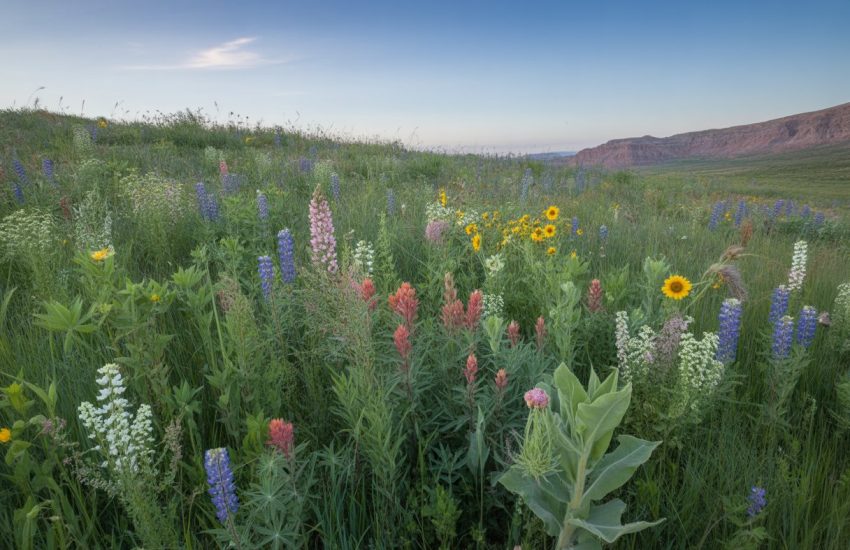
Mixing native wildflowers with shrubs gives your plants a leg up and brings in even more pollinators. Take asclepias tuberosa and bee balm—pairing them means their blooms overlap, which keeps nectar available longer and makes your garden more inviting for wildlife.
Can you do this in containers? We rent so I can’t really dig up the yard.
Good question! Spacing depends on the variety but a general rule is to give them room to breathe. Check the tag or seed packet for specifics. -Plant Native Team
We have a small backyard in Tucson and space is tight. Some of these ideas might actually work for us.