
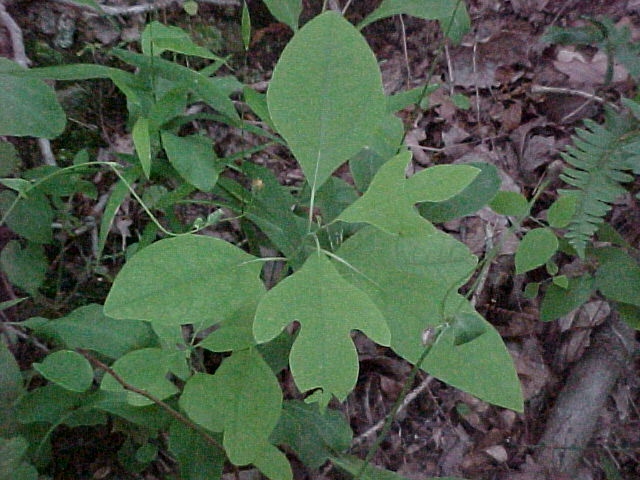
A young sassafras seedling on the forest floor at Mammoth Cave, Kentucky. Plants this small are the easiest sassafras to move. Photo: M. Readey, Wikimedia
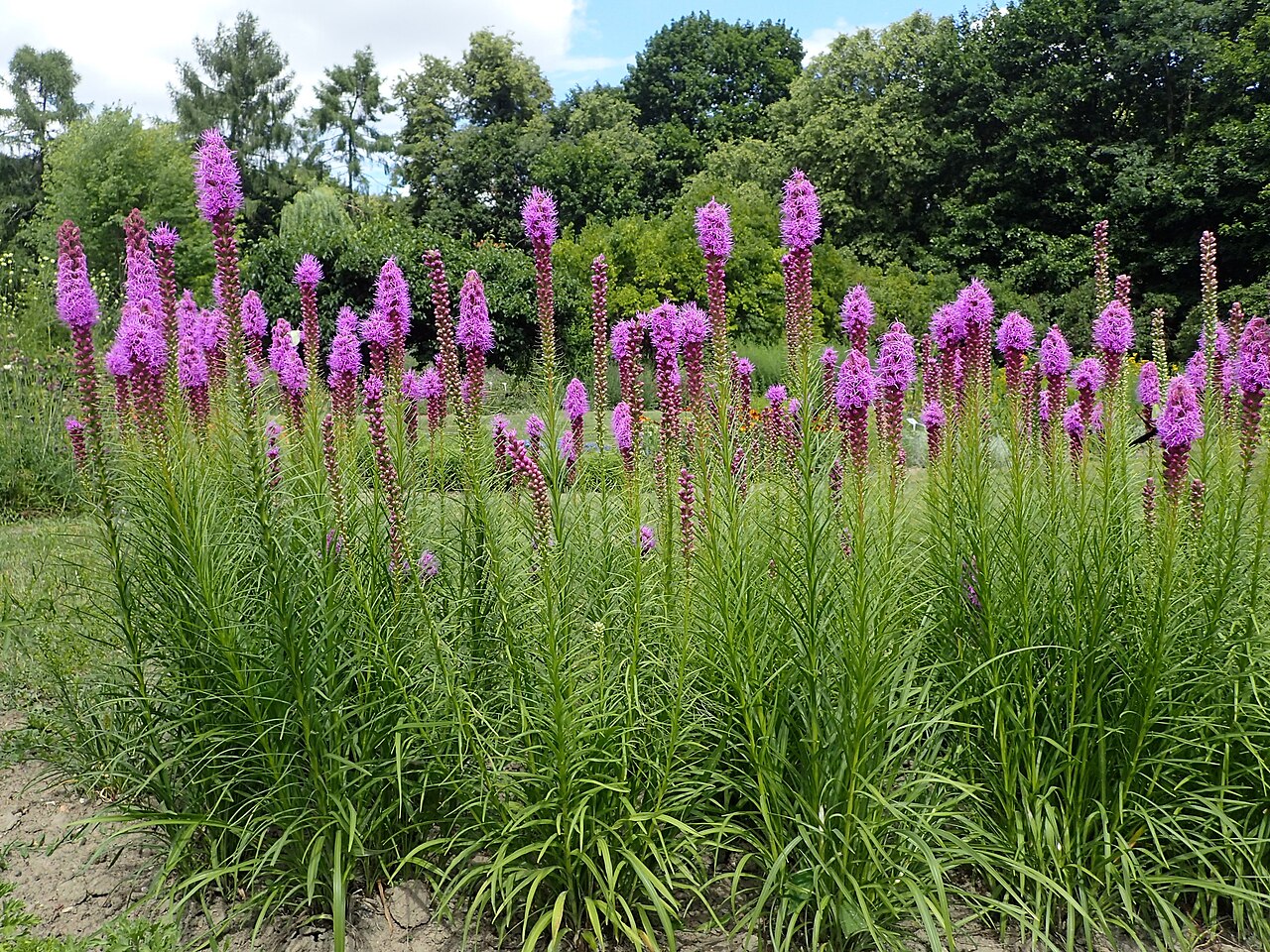
The goal: an established drift of dense blazing star in full summer bloom, UMCS Botanical Garden, Lublin. Photo: Krzysztof Ziarnek, Kenraiz, Wikimedia Commons (CC BY-SA
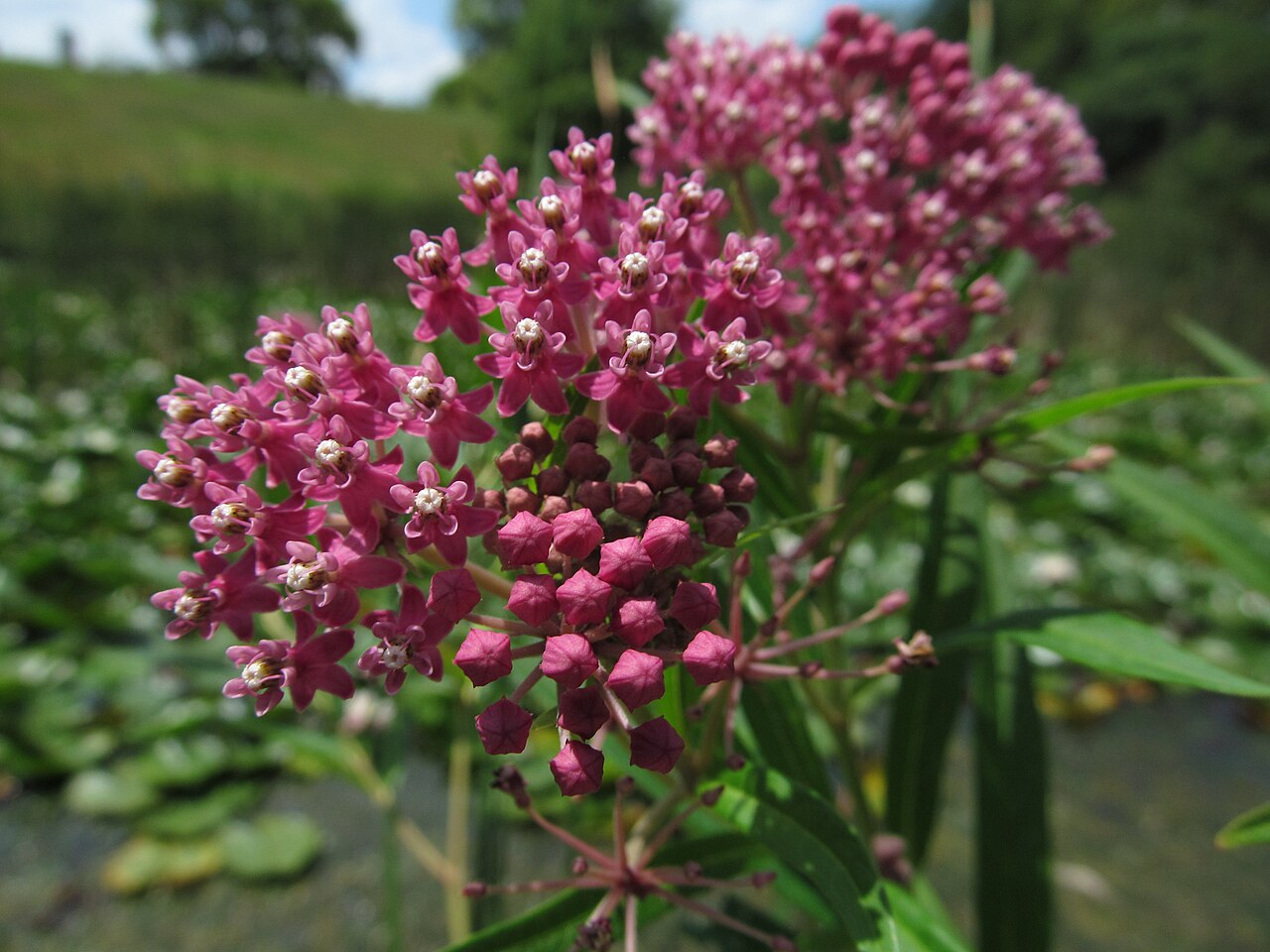
Swamp milkweed at home on a pond margin, Pittsburgh, Pennsylvania. Wet soil alone is rarely the problem. Photo: Cbaile19, Wikimedia Commons (CC0) You chose swamp
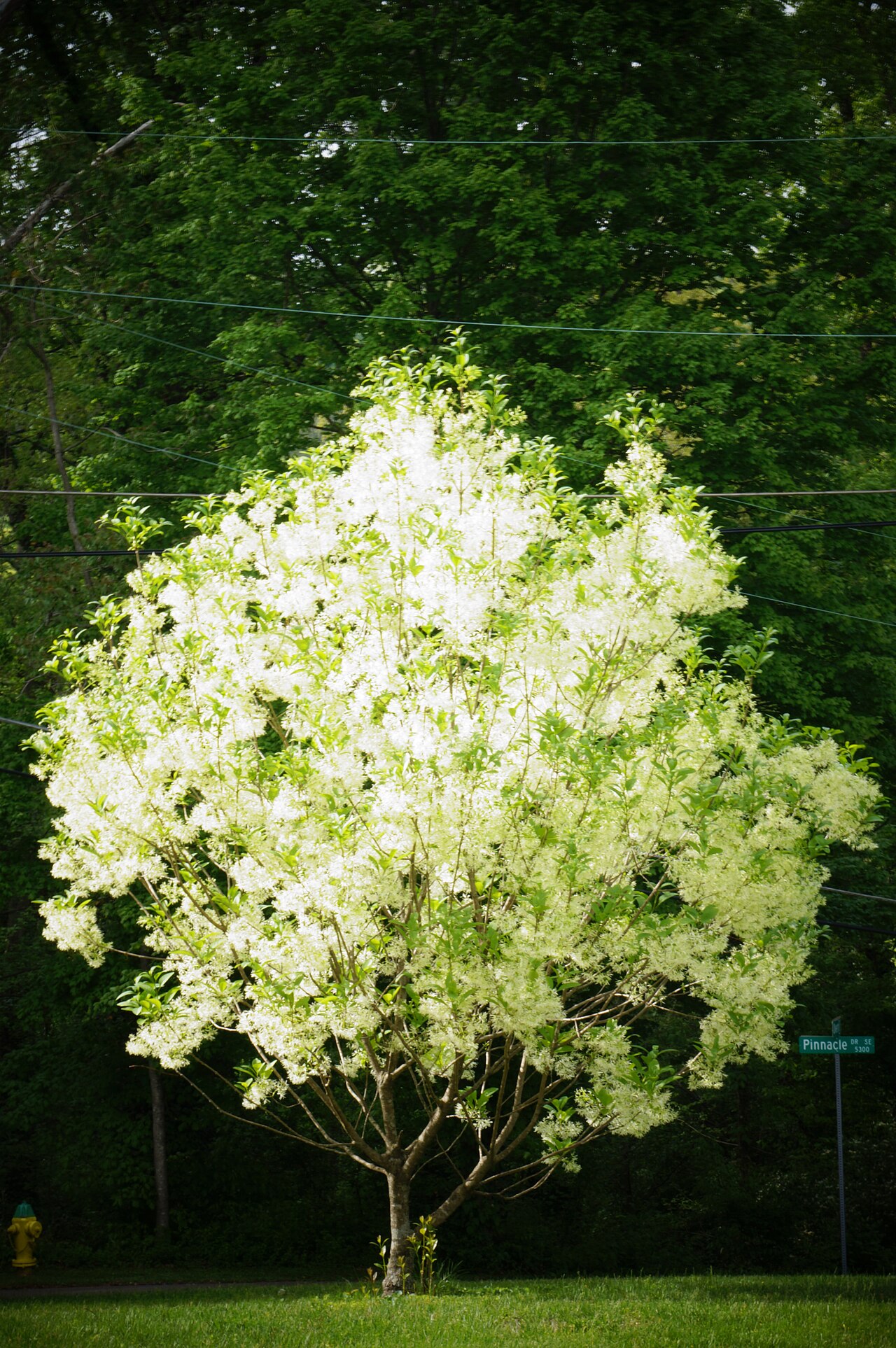
This is the show you were promised: a fringetree in an open, sunny spot, covered in white fringe flowers. Photo: Mike Steinhoff, Wikimedia Commons (CC
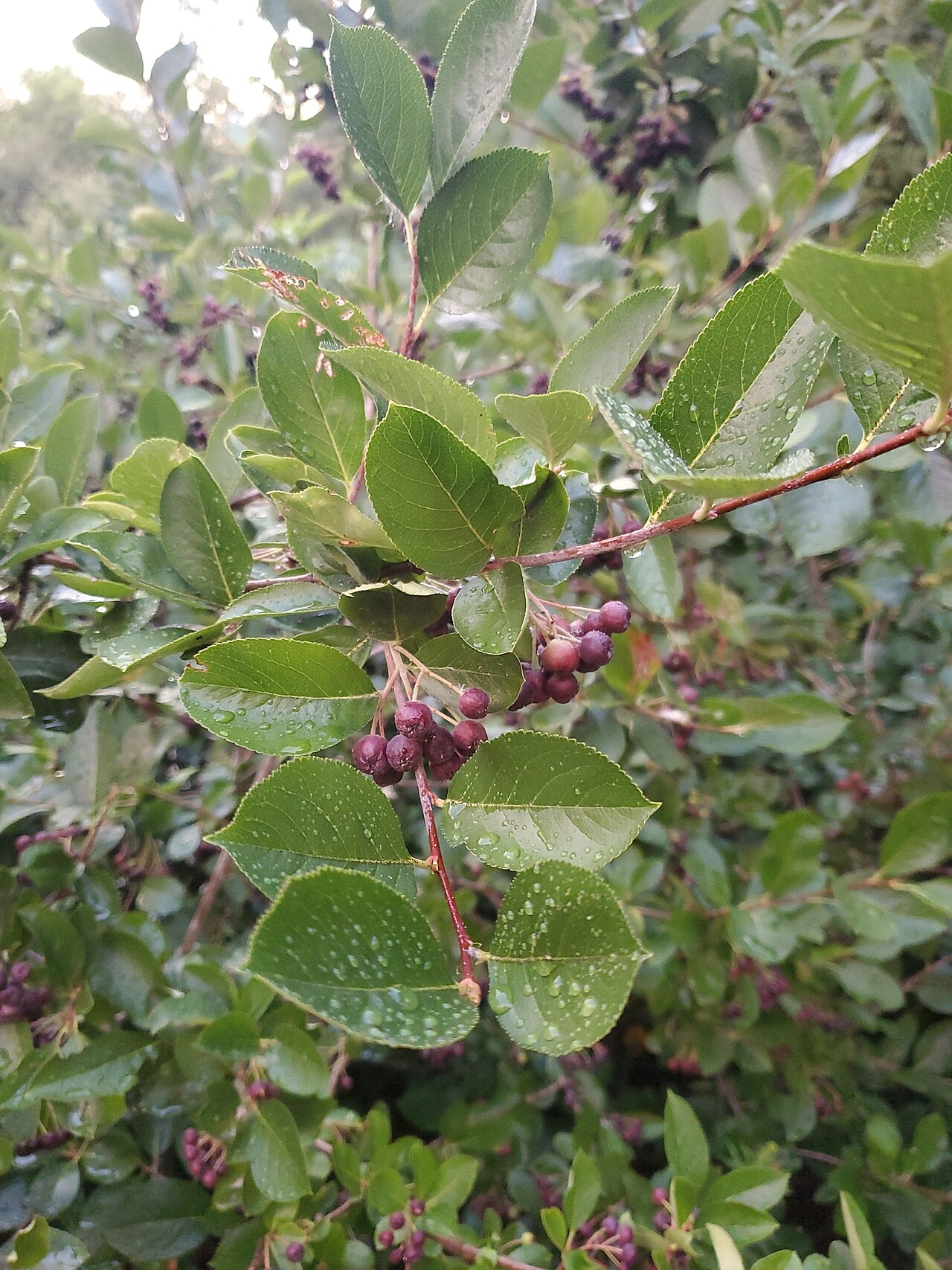
Pale specks on black chokeberry leaves. Marks like these can come from insects, fungi, residue, or weather, which is why identification comes before treatment. Photo:
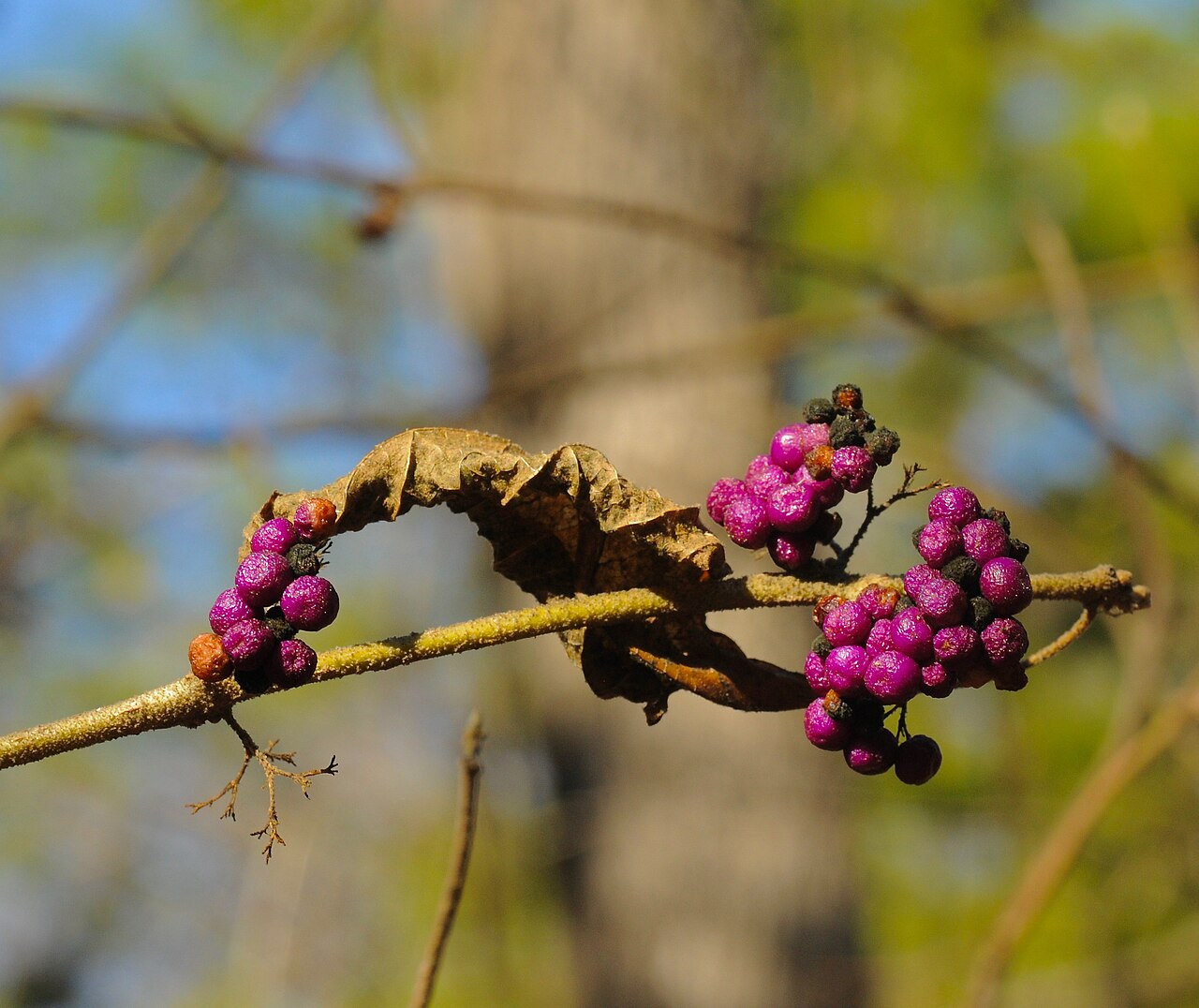
A beautyberry stem in January, Van Zandt County, Texas. Dead leaves and dry-looking stems are normal in winter. The question is how much of that
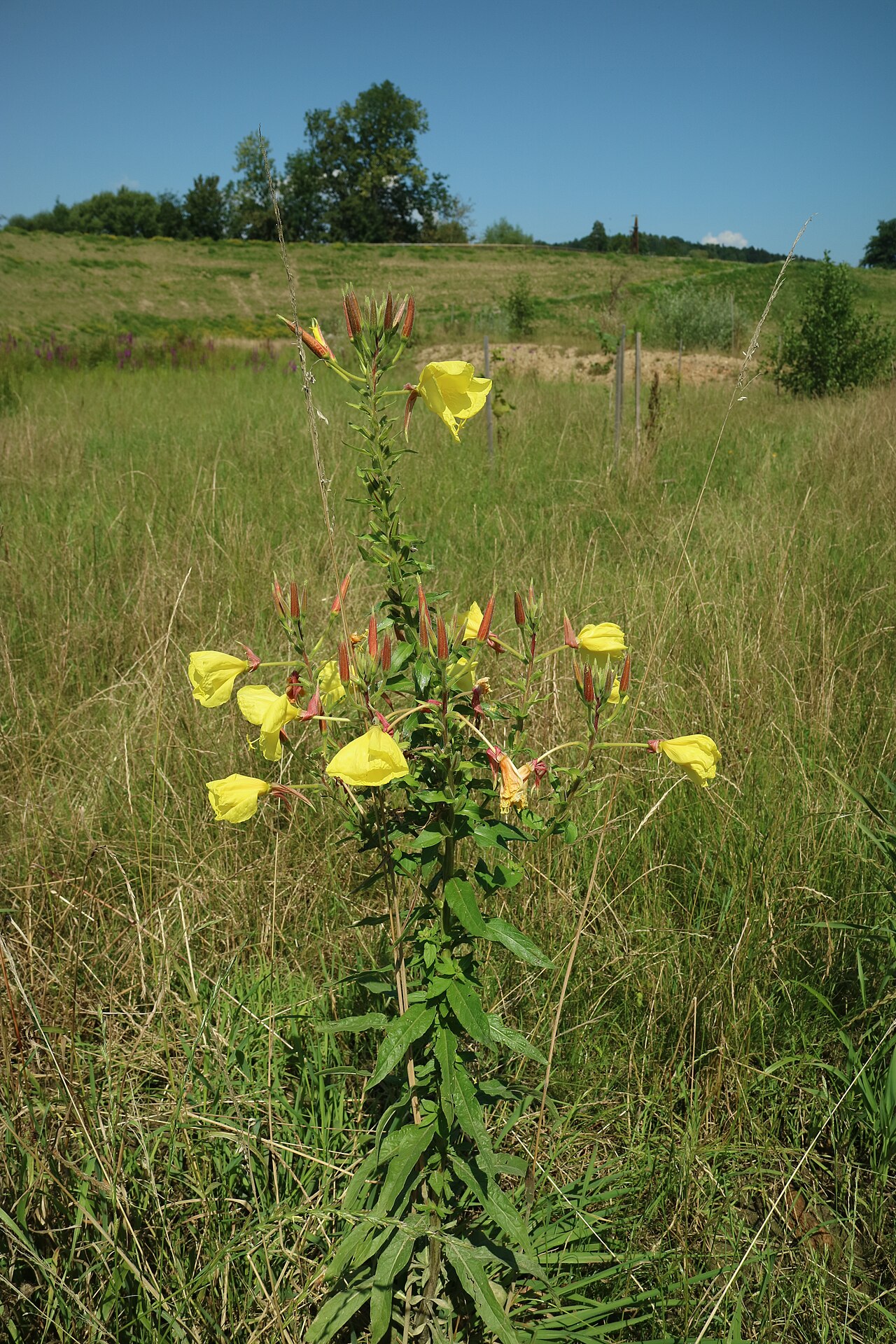
A tall second-year evening primrose with a branched, flower-heavy top. Plants like this can tip after a storm. Raaba-Grambach, Styria, Austria. Photo: Clemens Stockner, Wikimedia
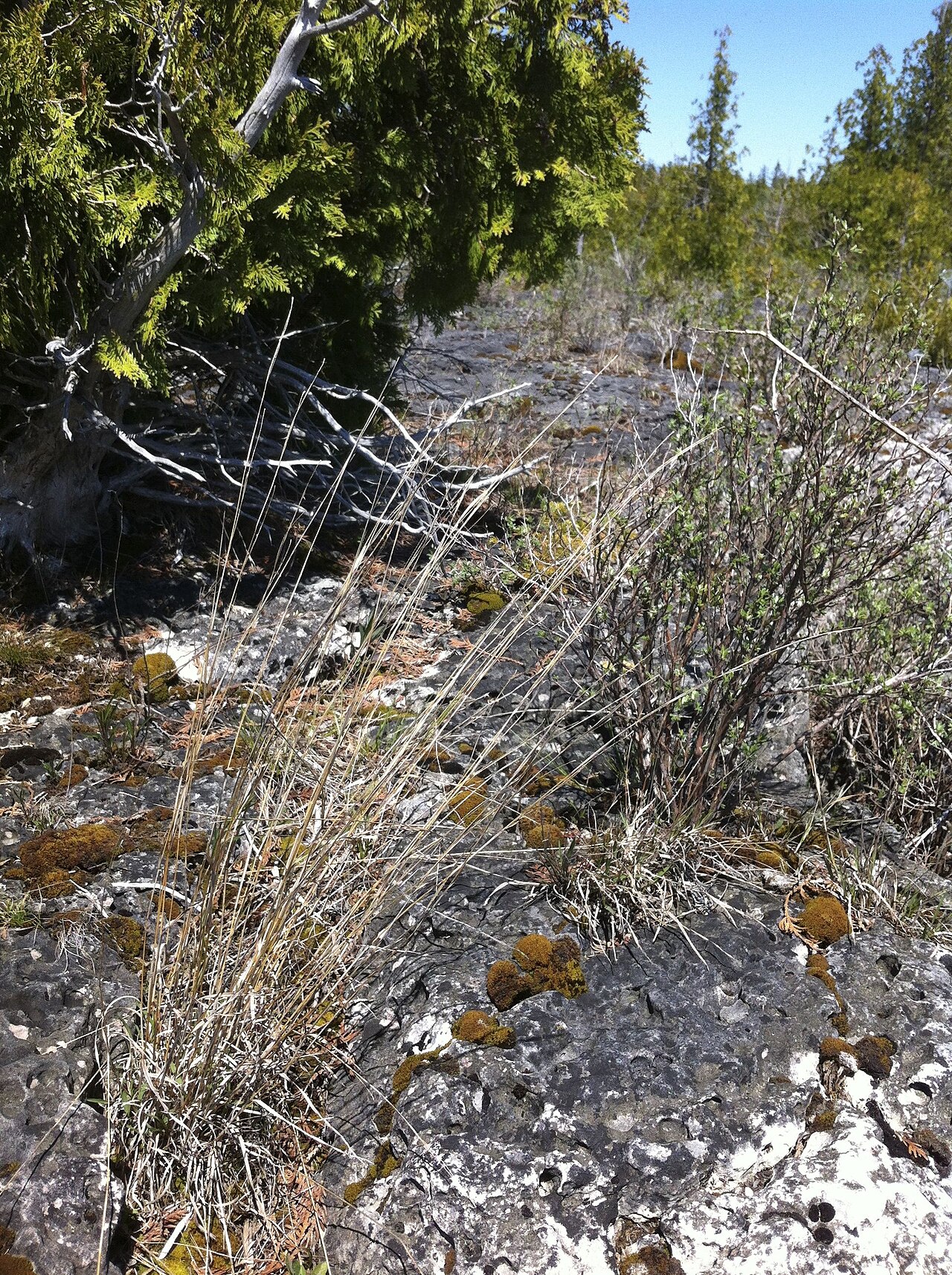
Late May on an Ontario alvar: the shrubs are leafing out, but this little bluestem is still mostly last year’s tan stems. That’s normal for
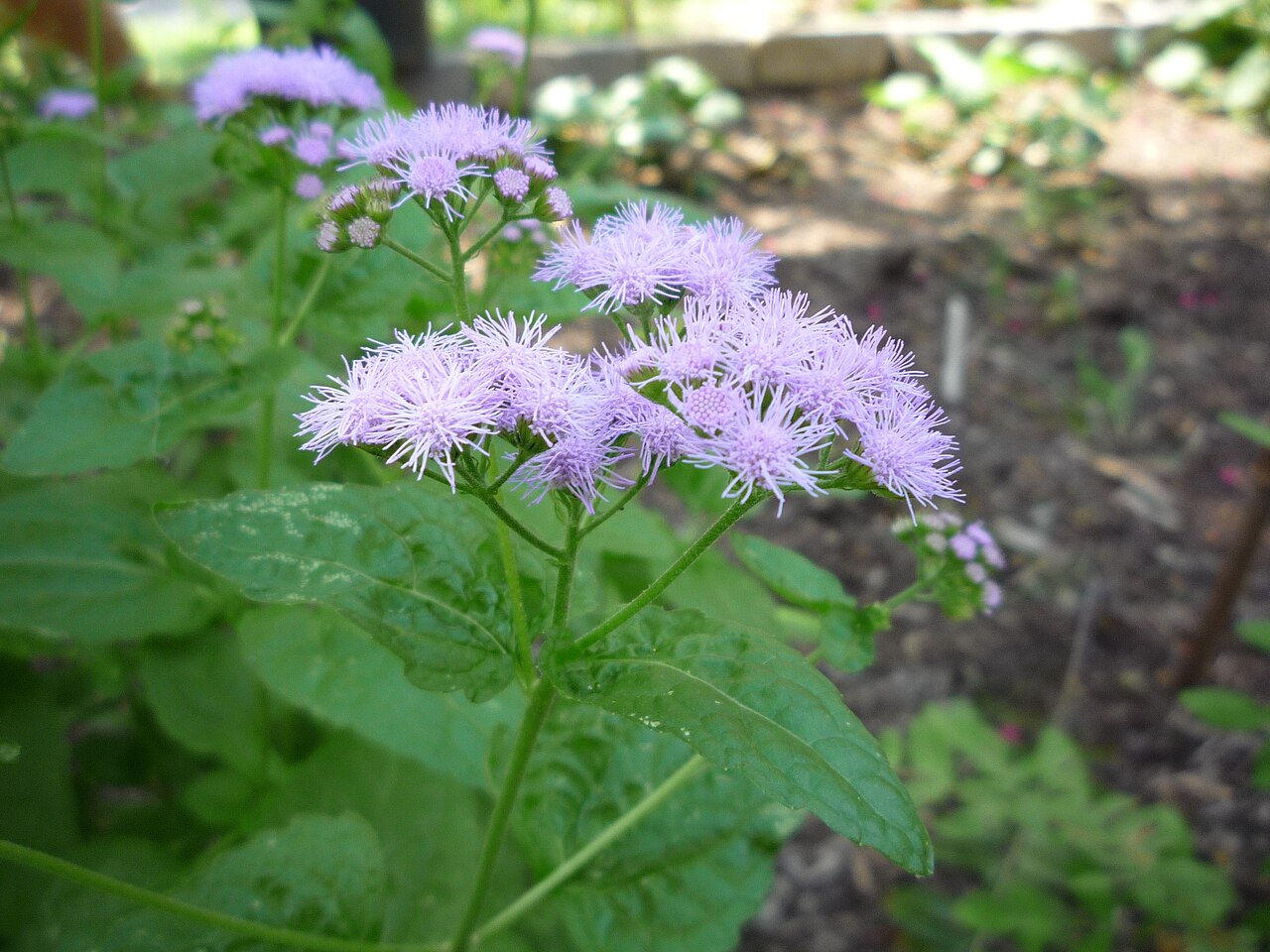
Garden-grown blue mistflower with stems angling outward under the weight of their flower clusters. Photo: Kingdon, Wikimedia Commons (Public domain) Your blue mistflower looked great
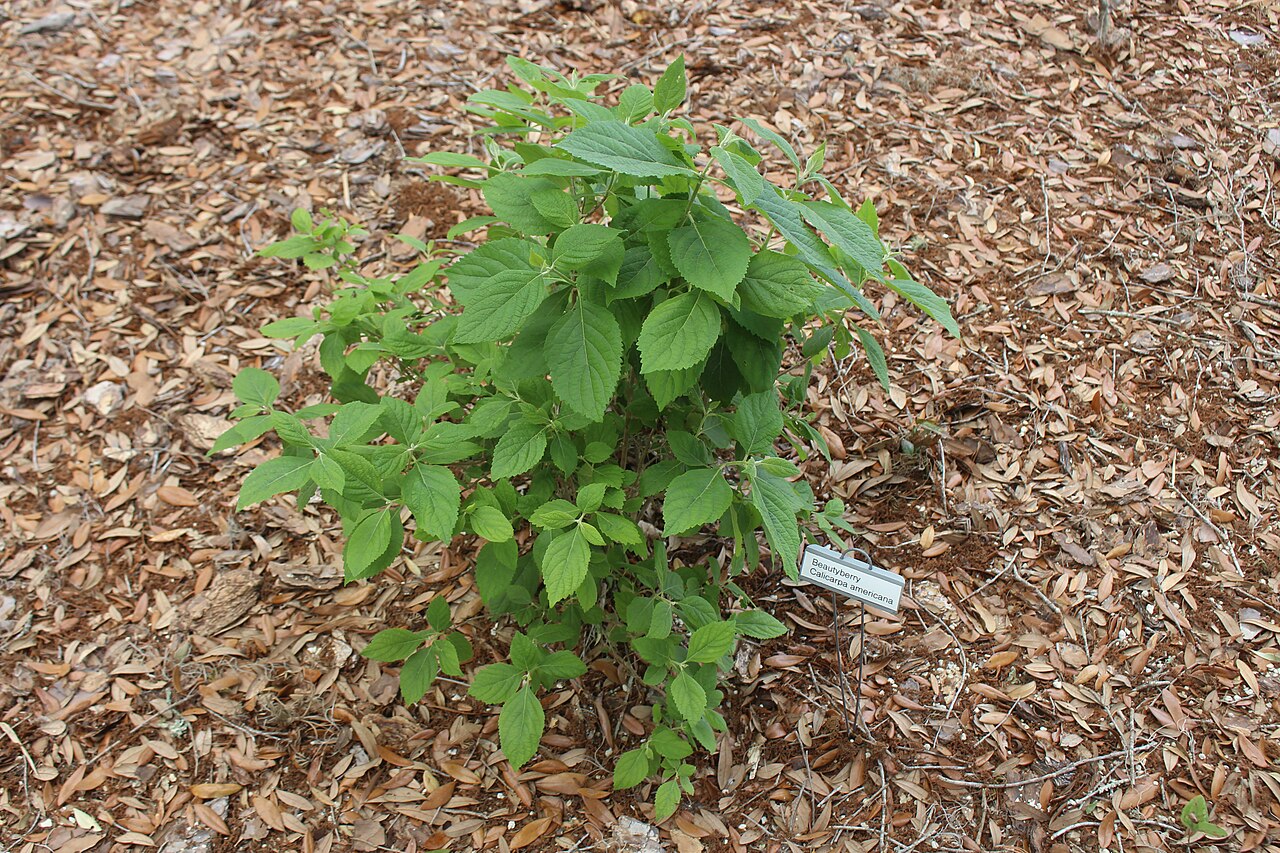
A young beautyberry in a mulched bed at Hearthstone Botanical Gardens, Suwannee County, Florida. In its first season, everything depends on what happens inside that
View More