
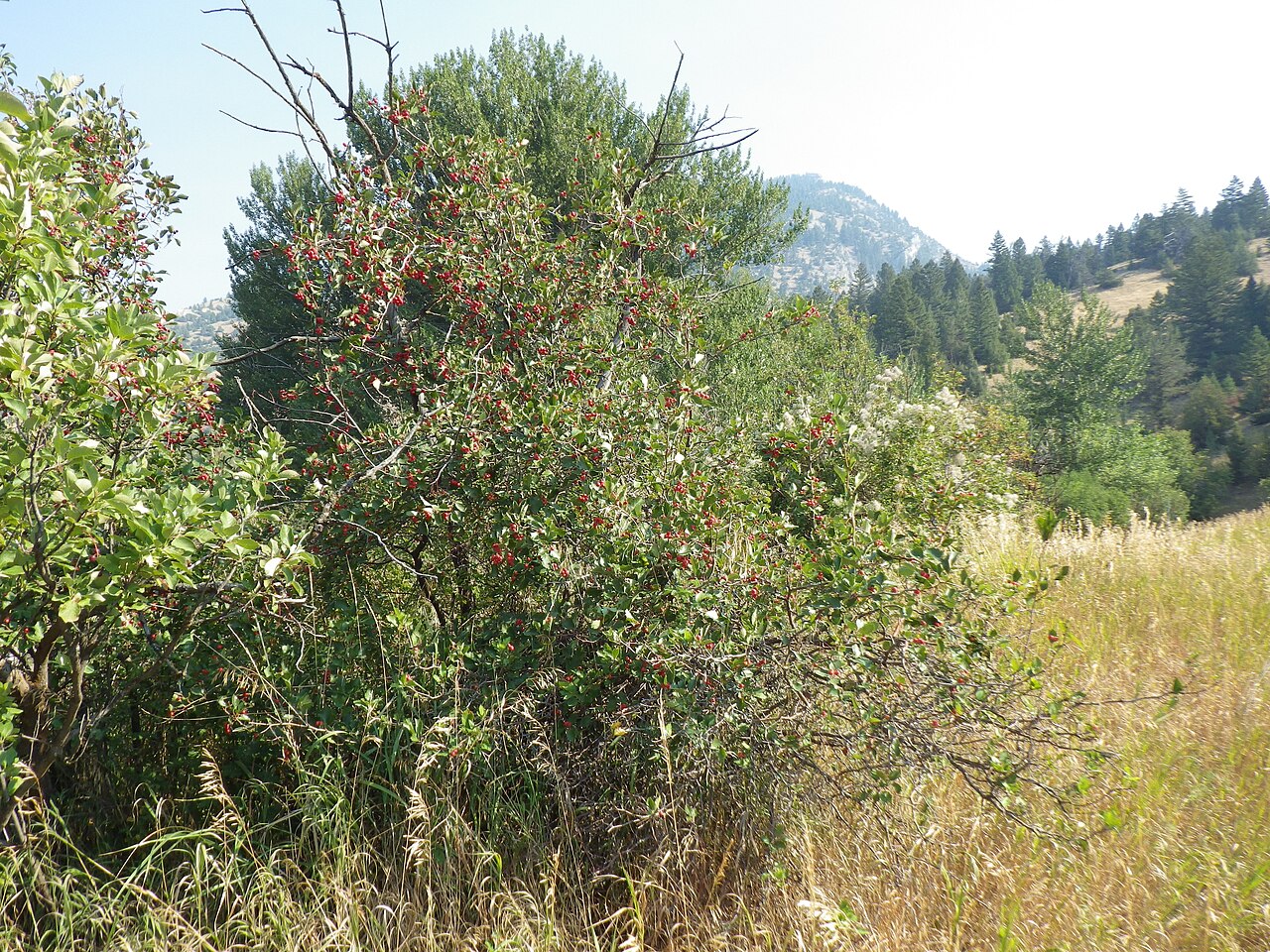
A fireberry hawthorn shrub loaded with ripening fruit at a Montana meadow edge. Photo: Matt Lavin, Wikimedia Commons (CC BY-SA 2.0) Crataegus chrysocarpa, commonly known
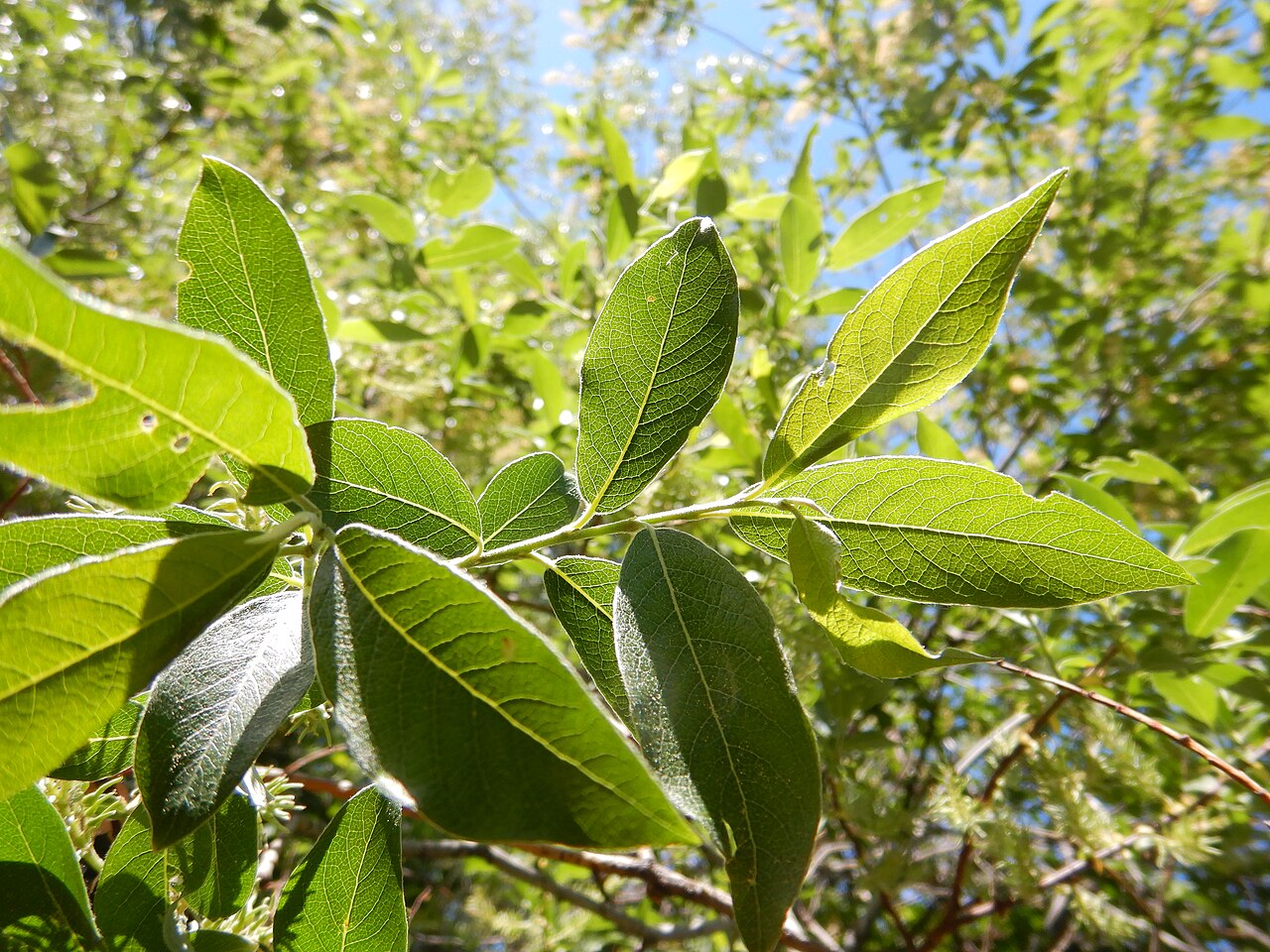
Bebb willow foliage, with the leaf’s characteristic pale, net-veined underside visible in the light. Photo: Matt Lavin, Wikimedia Commons (CC BY-SA 2.0) Salix bebbiana, commonly
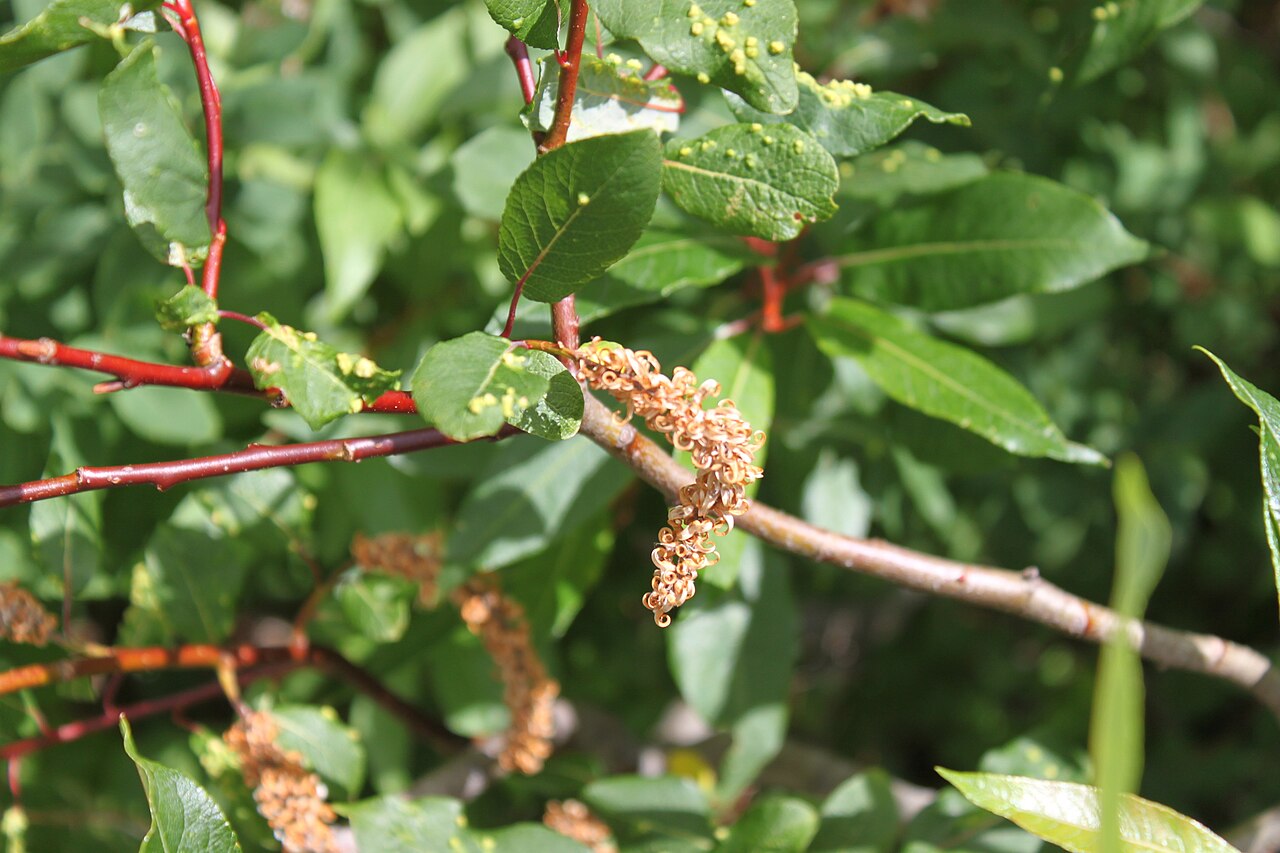
Balsam willow foliage and fruiting catkins on characteristic reddish-brown twigs. Photo: Étienne Lacroix-Carignan, Wikimedia Commons (CC0) Salix pyrifolia (syn. Salix balsamifera), commonly called balsam willow,
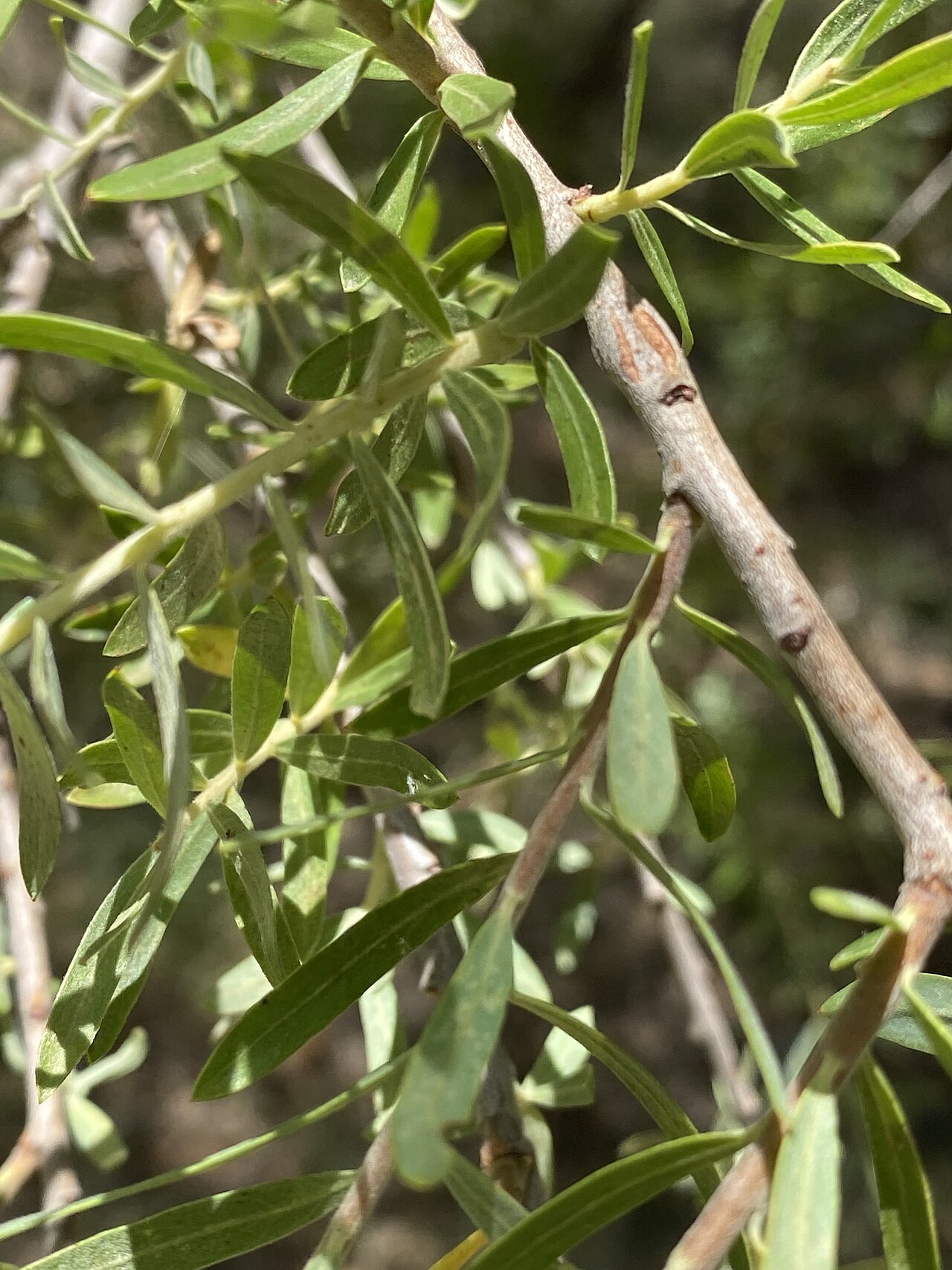
Narrow, needlelike leaves give Yewleaf Willow its name and its distinctive feathery texture. Photo: Daniel McNair, Wikimedia Commons / iNaturalist (CC BY 4.0) Salix taxifolia,
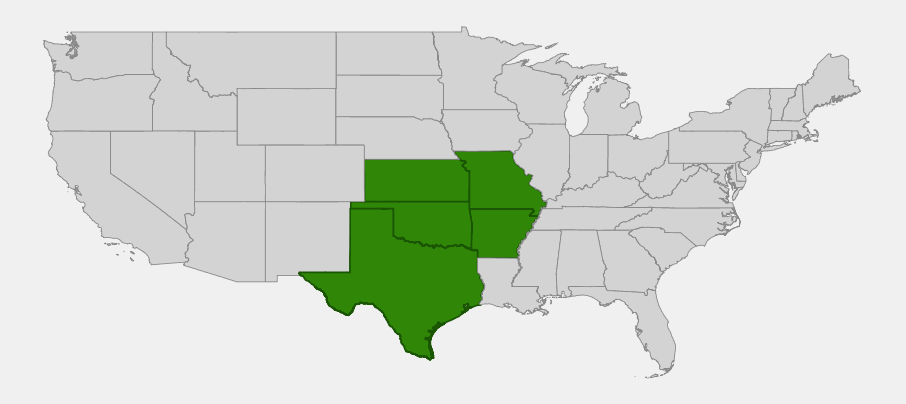
Crataegus reverchonii, known as Reverchon Hawthorn or Reverchon’s haw, is a thorny, small-fruited native shrub or small tree of the south-central prairies and woodland edges.
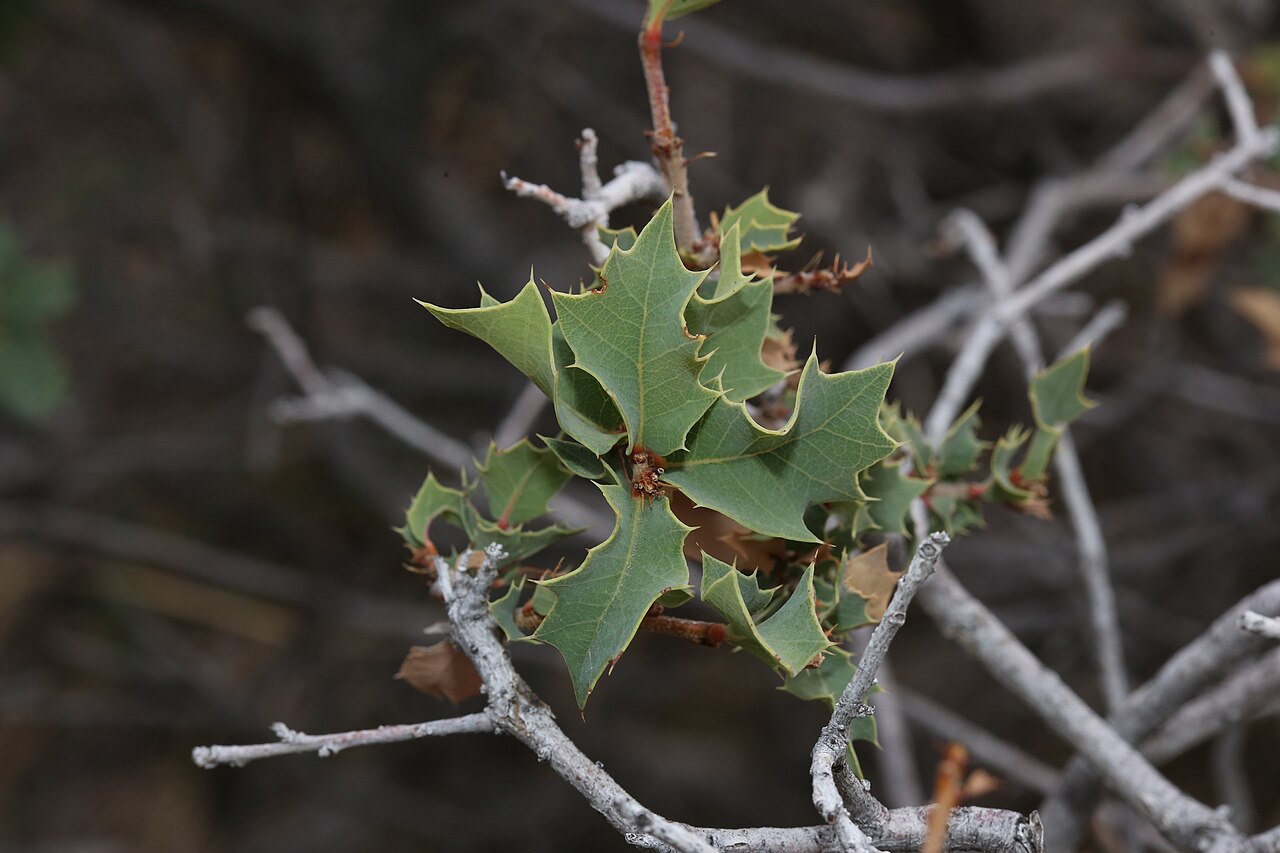
Small, spine-toothed, holly-like leaves are the clearest field mark of Hinckley Oak. Photo: Reid Hardin, Wikimedia Commons / iNaturalist (CC BY 4.0) Quercus hinckleyi, the
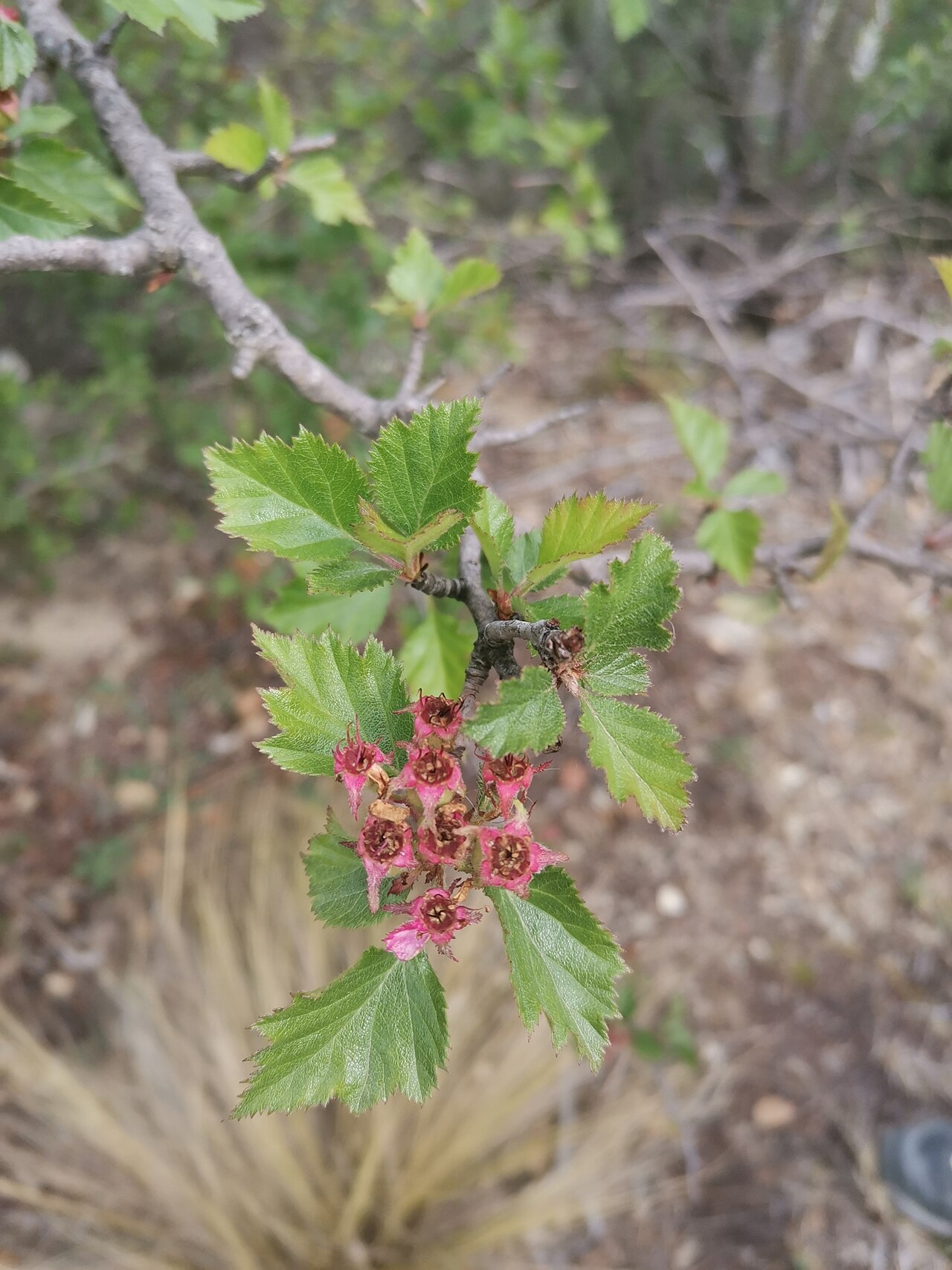
Gregg Hawthorn foliage and spent, pink-flushed spring flowers in Coahuila, Mexico. Photo: Rafael Torres, Wikimedia Commons / iNaturalist (CC BY-SA 4.0) Crataegus greggiana, the Gregg
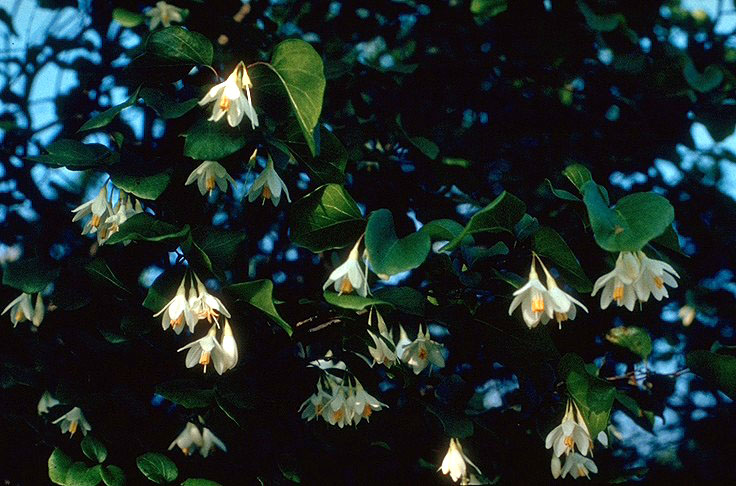
Sycamore-leaf snowbell in full spring bloom, its pendant white flowers hanging beneath broad green leaves. Photo: Public domain, via Wikimedia Commons Styrax platanifolius, commonly called
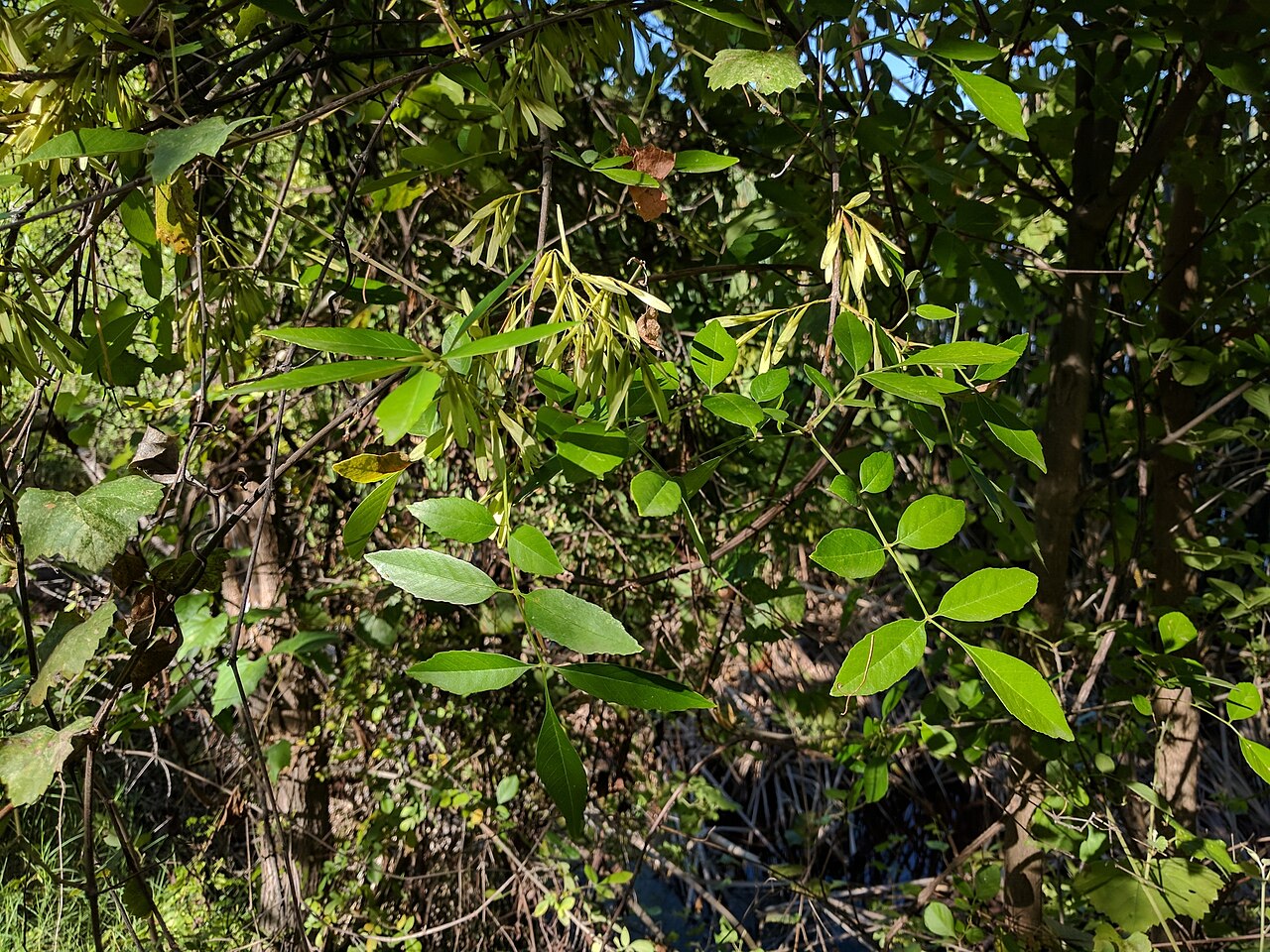
Goodding’s ash foliage and ripening samaras in a sky-island canyon of southeastern Arizona. Photo: Ken-ichi Ueda, via iNaturalist/Wikimedia Commons (CC BY 4.0) Fraxinus gooddingii, Goodding’s
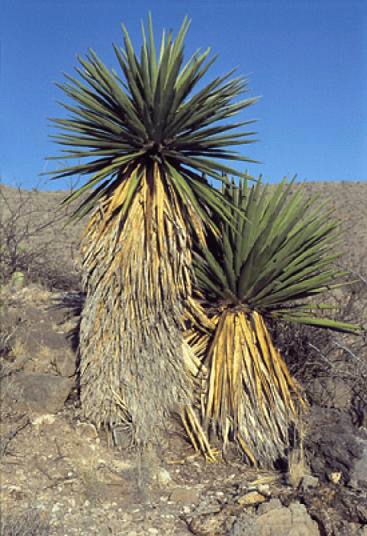
Young Faxon yuccas on a rocky Chihuahuan Desert hillside in the Big Bend region of Texas, their old dried leaves still skirting the trunks. Photo:
View More