
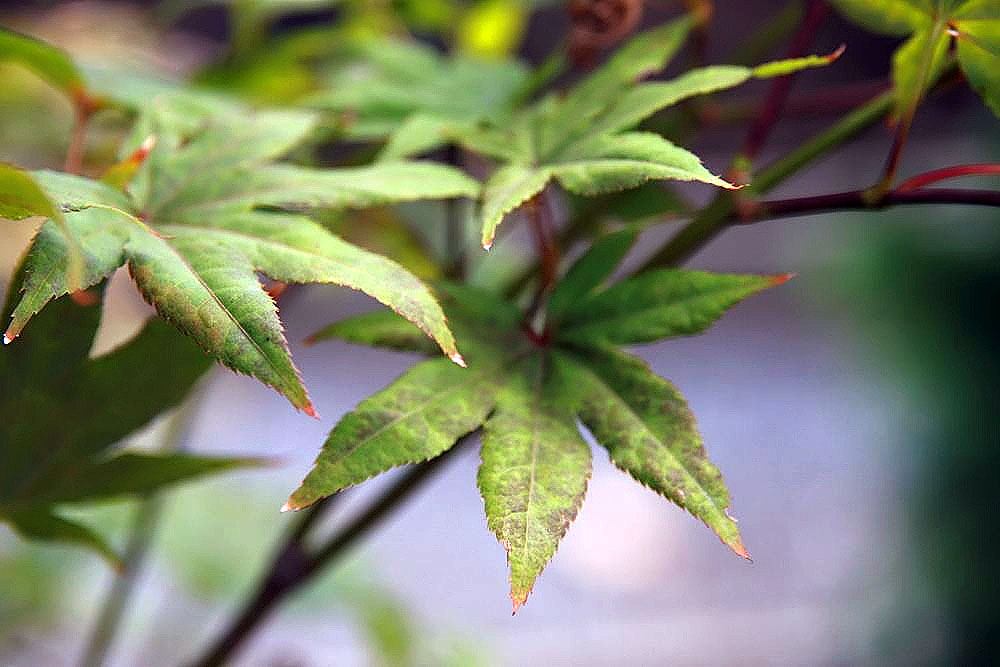
Fireglow’s deeply lobed, deep red foliage, photographed at Behnke Nurseries, Beltsville, MD. Photo: David J. Stang, via Wikimedia Commons (CC BY-SA 4.0) Acer palmatum ‘Fireglow’,
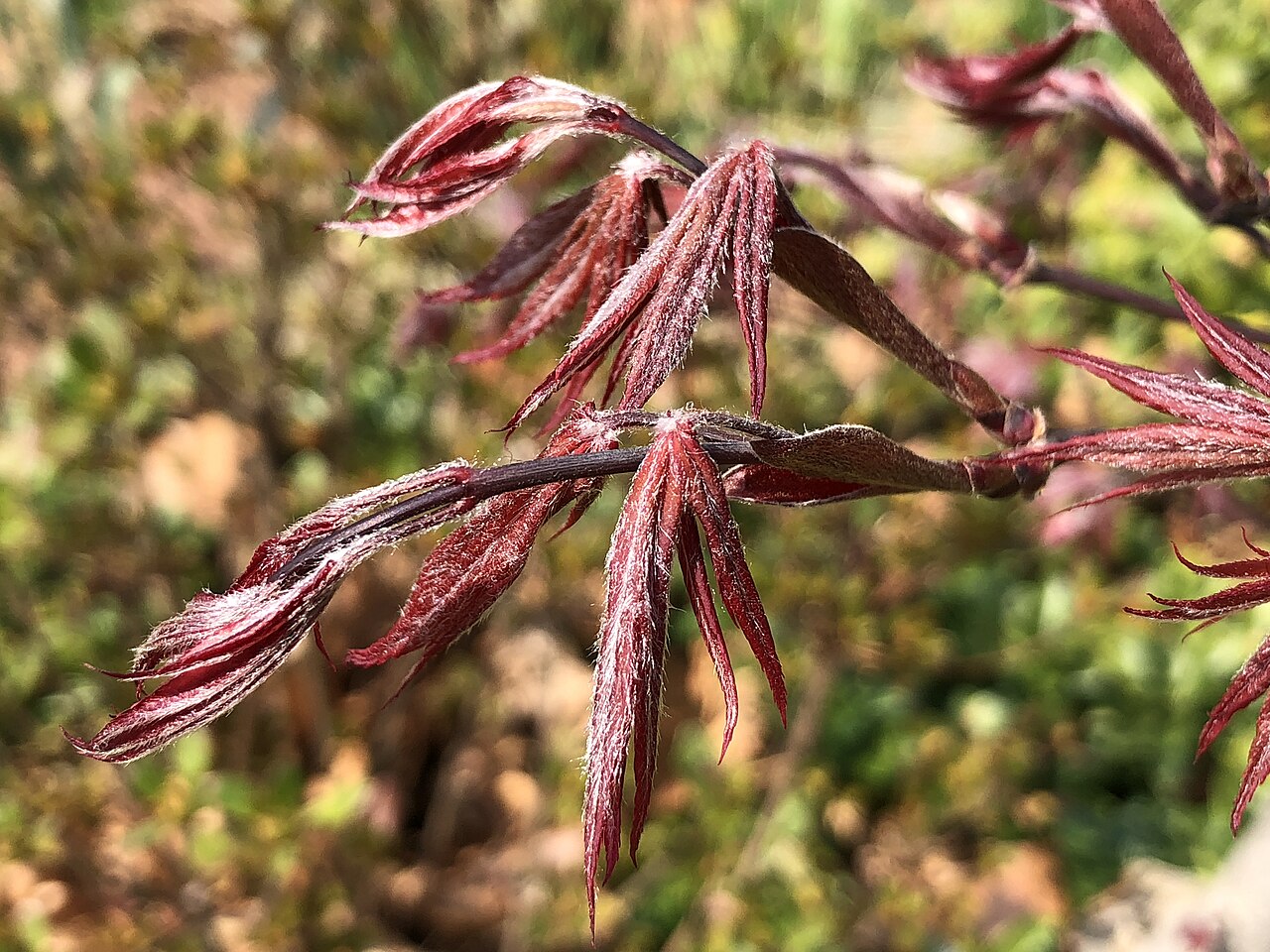
Fire-engine-red new spring foliage on an Acer palmatum Atropurpureum Group Japanese maple in Fairfax County, Virginia, illustrating the bright spring red color shared by red-leaf
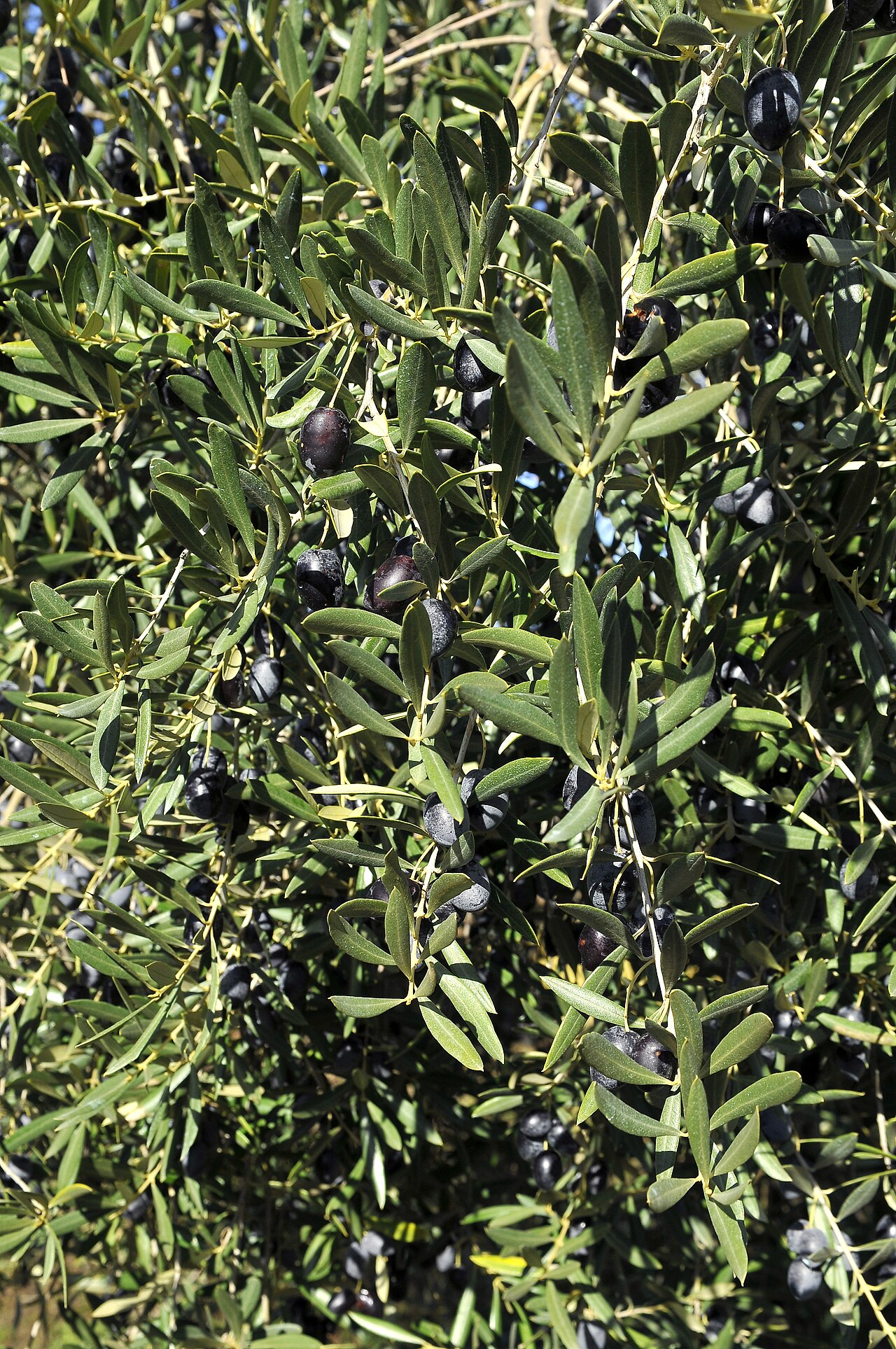
A fruit-laden branch of a Picual olive tree at harvest time, Los Navalmorales, Toledo, Spain. Photo: LBM1948, via Wikimedia Commons (CC BY-SA 4.0) Olea europaea
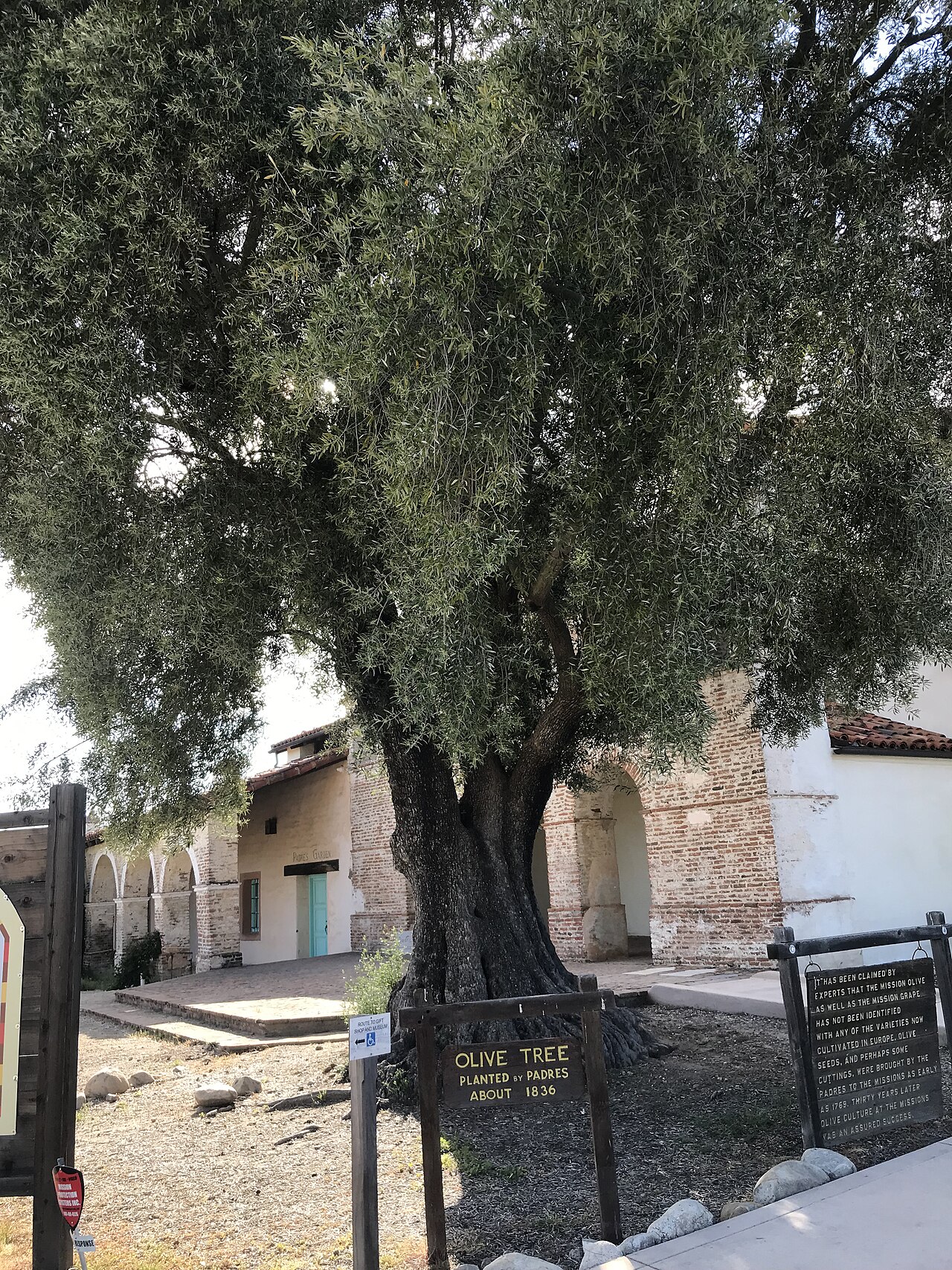
Olive (Olea europaea), the parent species; not confirmed as the ‘Mission’ cultivar itself — a historic olive planted at a California mission around 1836, the
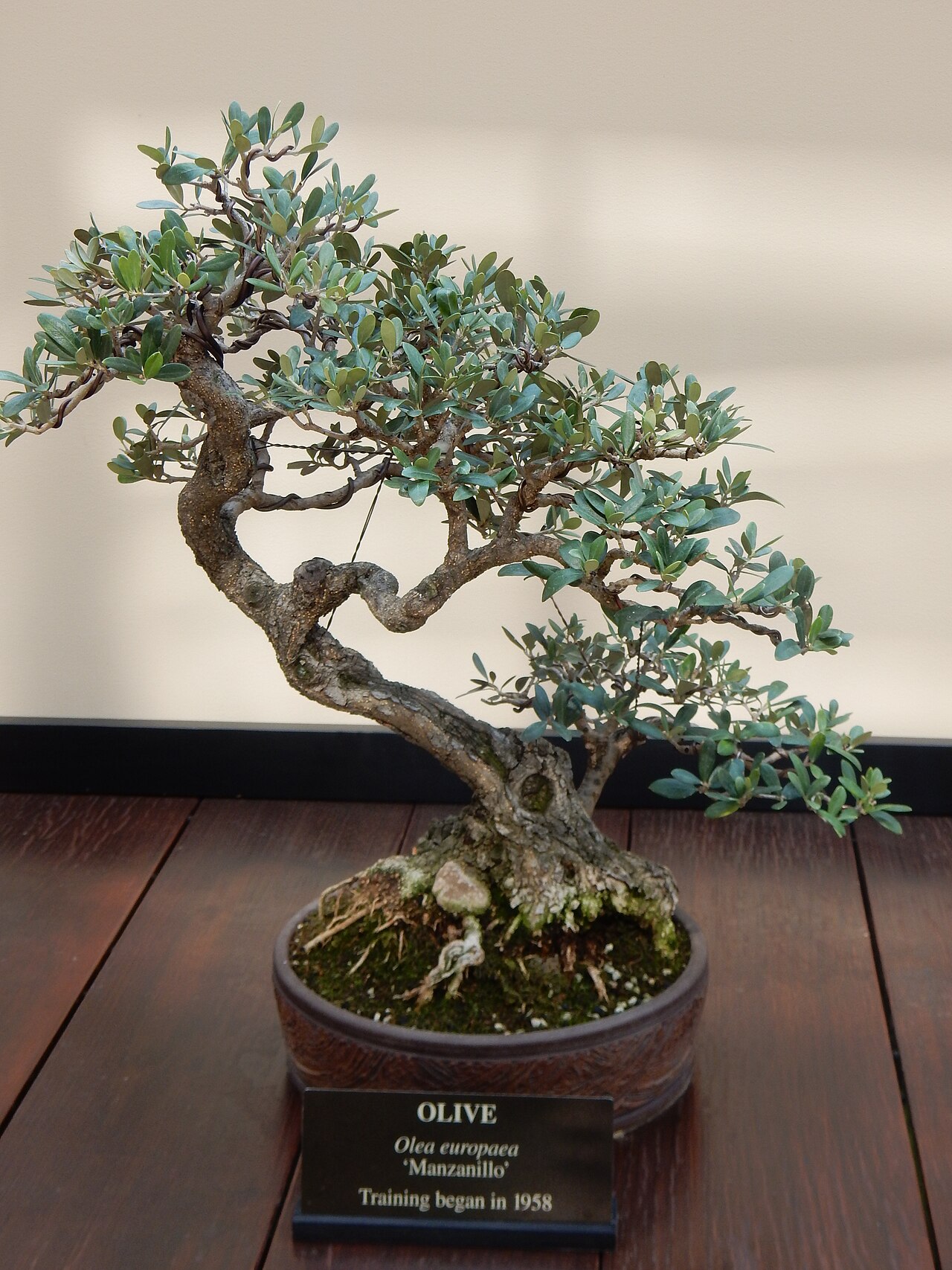
A Manzanillo olive trained as bonsai since 1958, Longwood Gardens — a dramatic example of the cultivar’s thick, gnarled, character-rich trunk. Photo: Shuvaev, via Wikimedia
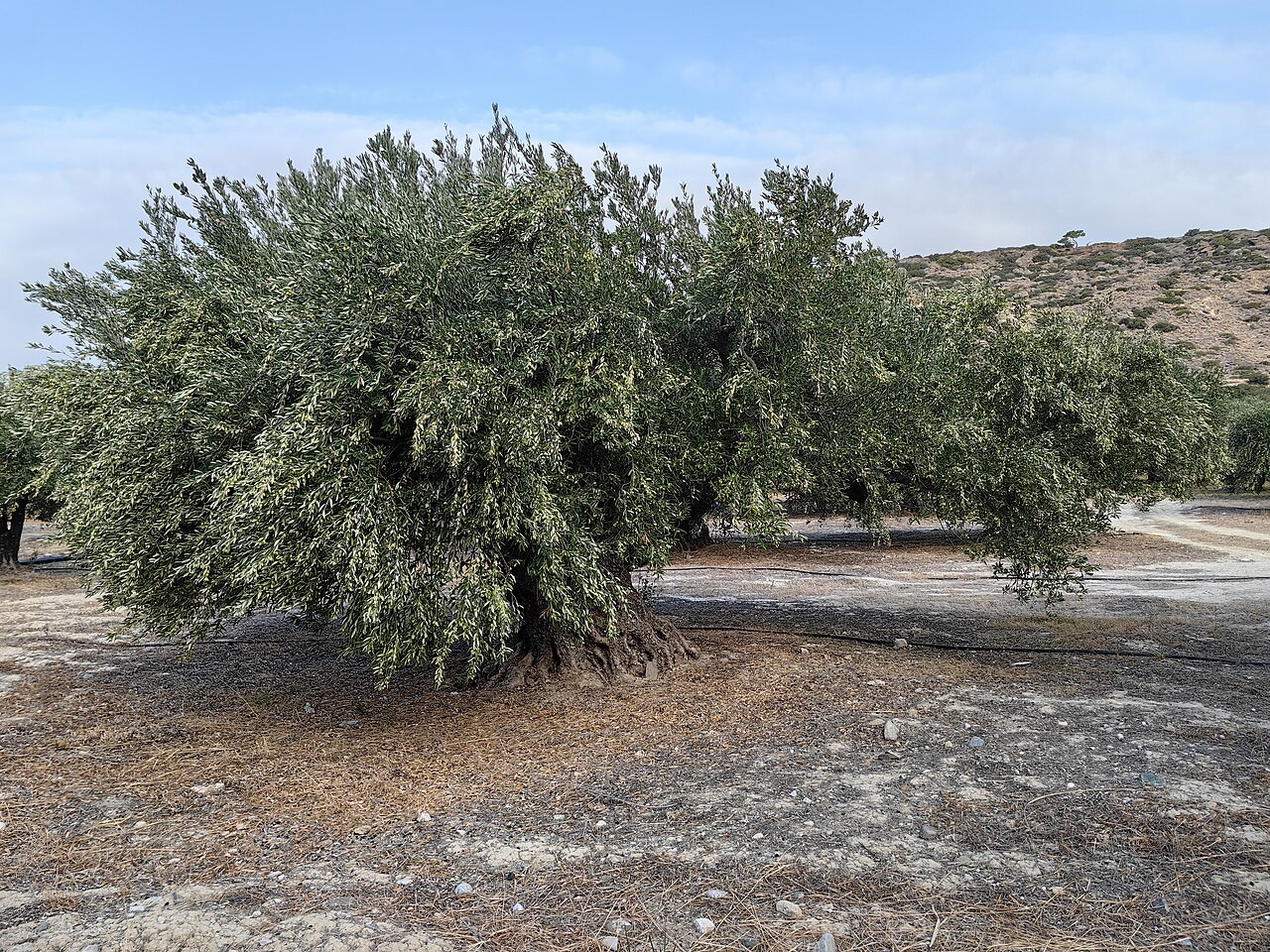
A mature Koroneiki olive tree near Sitia, on Crete, showing the cultivar’s characteristically low, dense, weeping form. Photo: Petro Stelte, via Wikimedia Commons (CC BY-SA
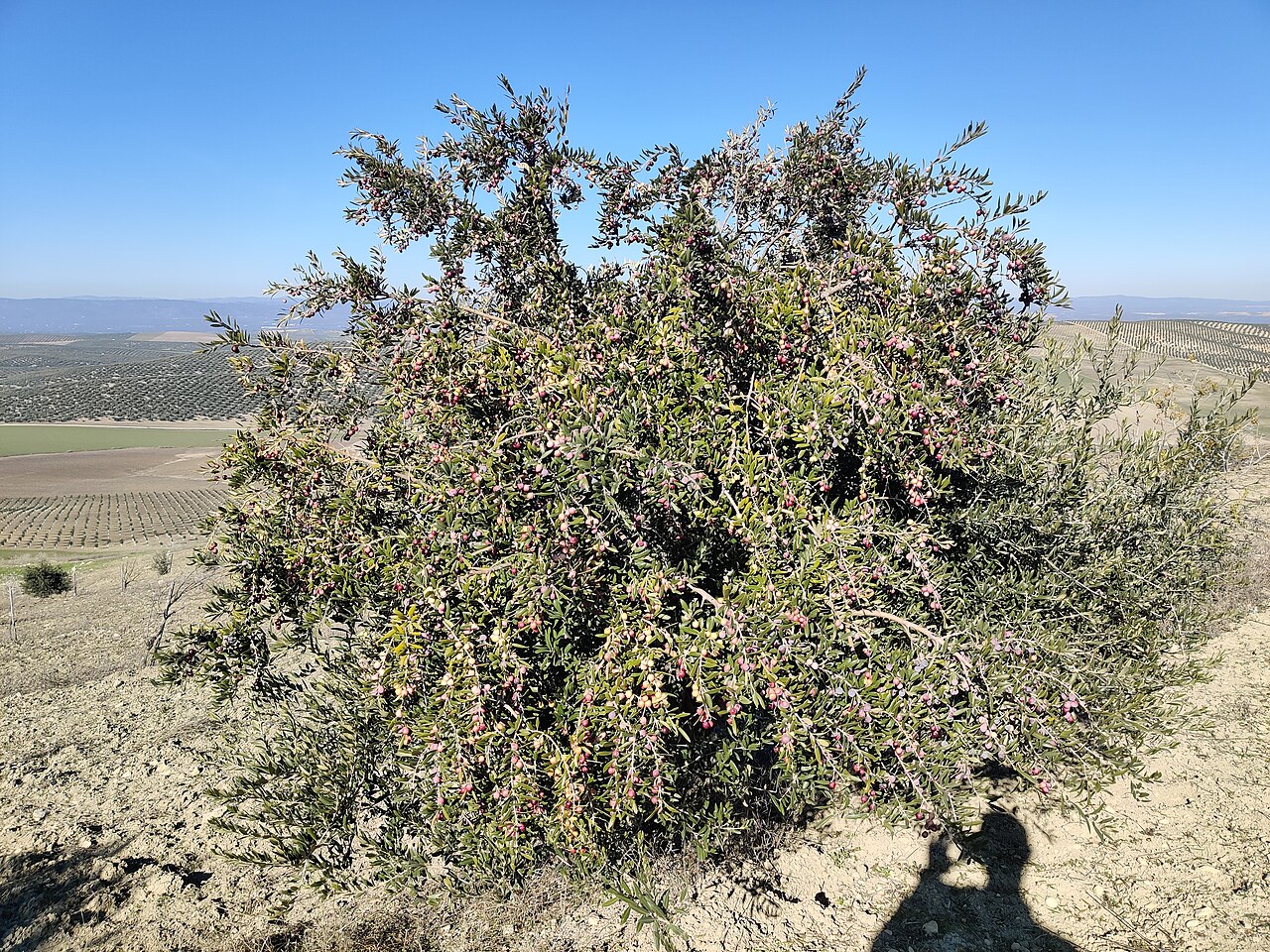
A mature Arbequina olive tree showing its compact, weeping form and heavy fruit set. Photo: Veinticuatro de Jaén, via Wikimedia Commons (CC BY-SA 4.0) Olea
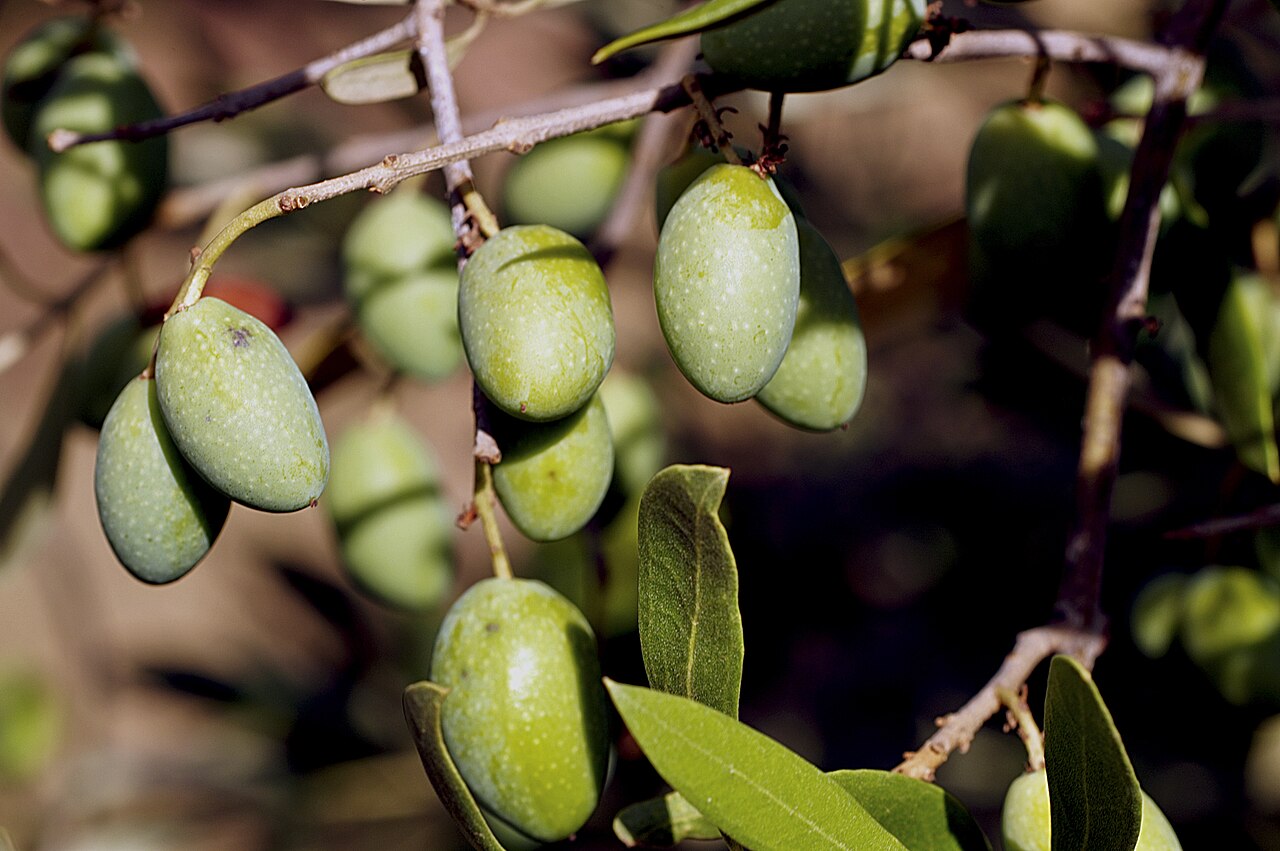
Picholine olives on the branch: slender, pointed-ended green fruit that holds its shape through brining. Photo: INRA DIST from France, via Wikimedia Commons (CC BY
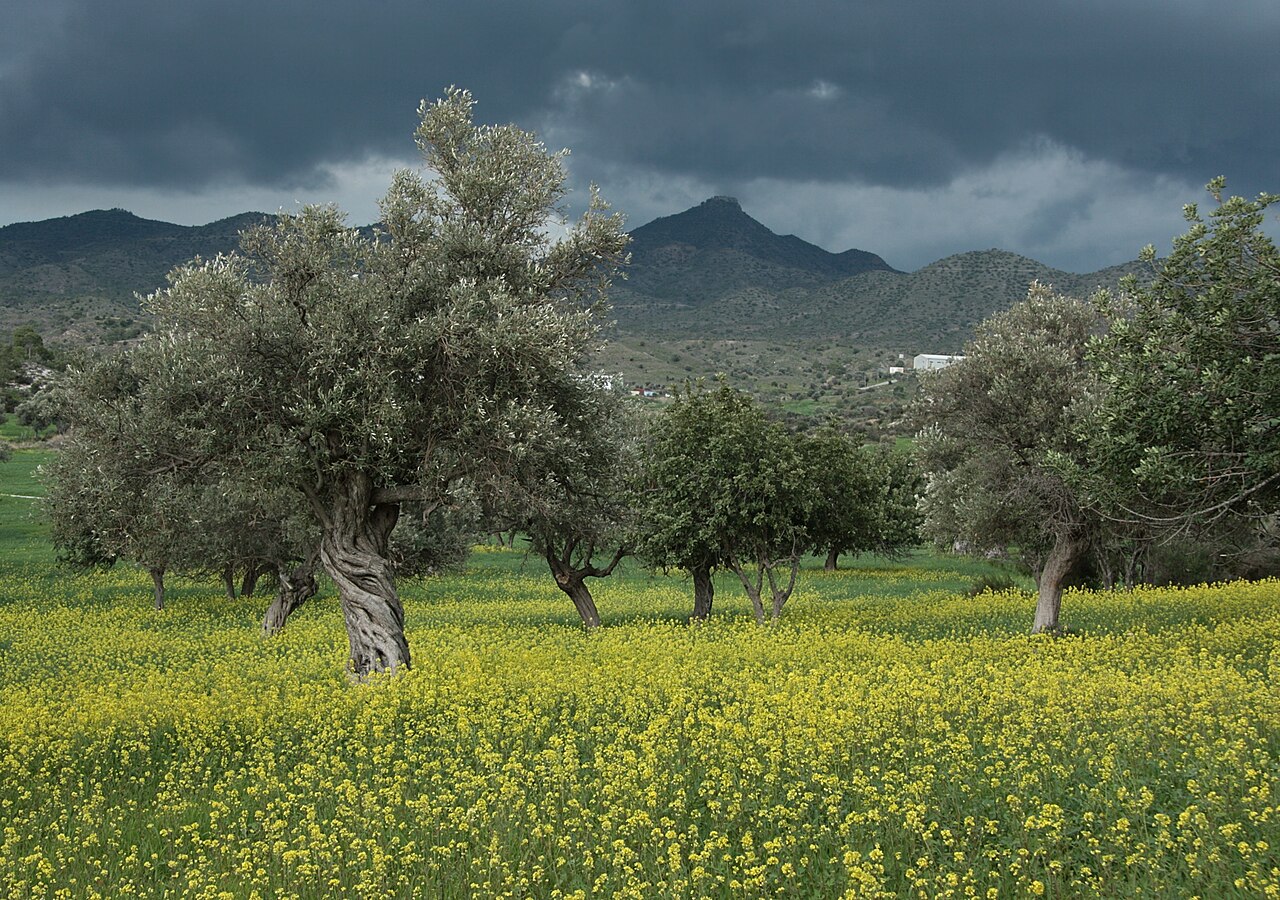
Olive trees (Olea europaea), the parent species; this photo is not ‘Pendolino’ itself, but shows the species’ typical silvery, gnarled form. Photo: Anna Anichkova, via
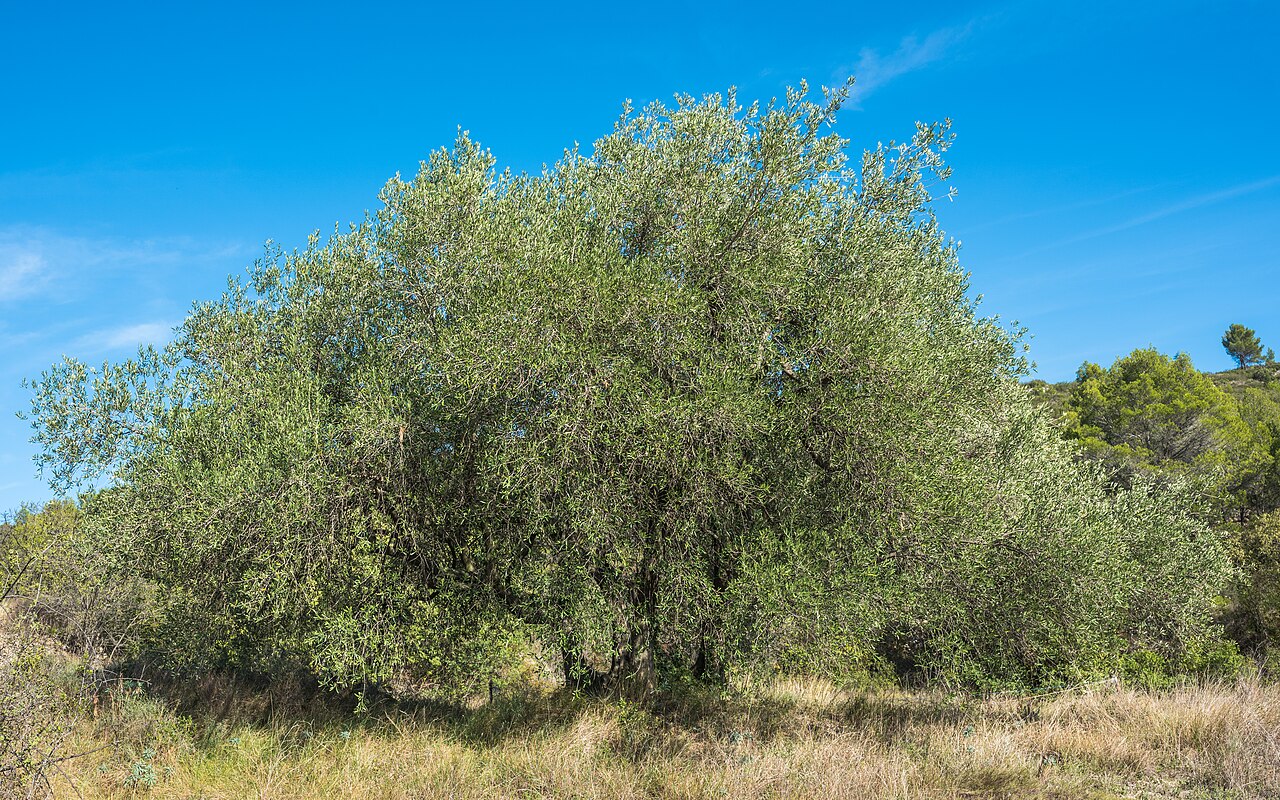
Olive trees (Olea europaea), the parent species; this photo is not ‘Maurino’ itself, but shows the typical silhouette of young to medium-aged trees. Photo: Christian
View More