
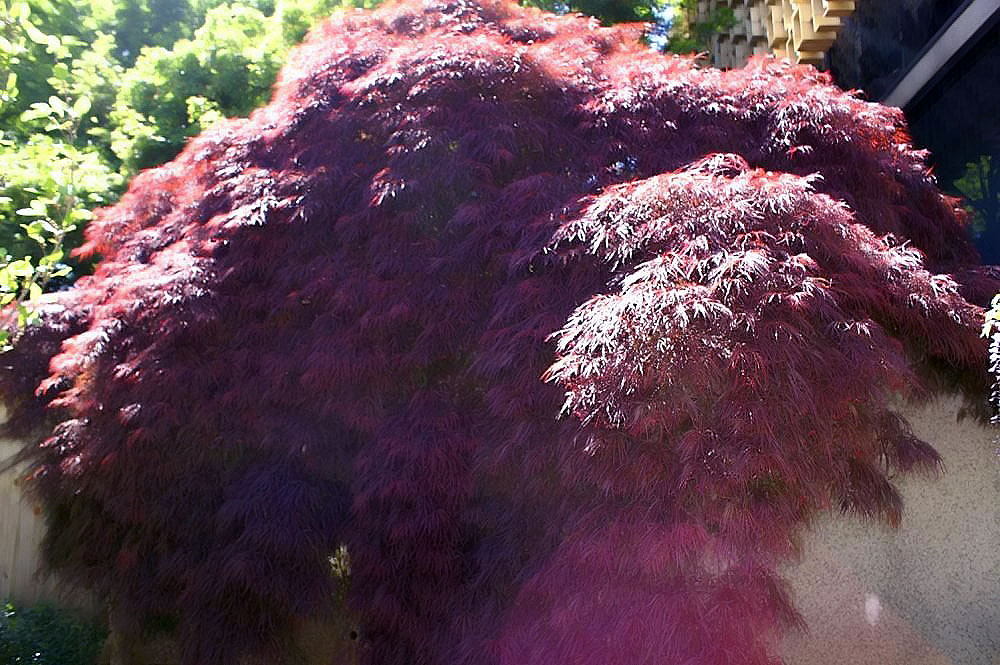
A mature Crimson Queen at the United States National Arboretum, showing its cascading, mounded form. Photo: David J. Stang, via Wikimedia Commons (CC BY-SA 4.0)
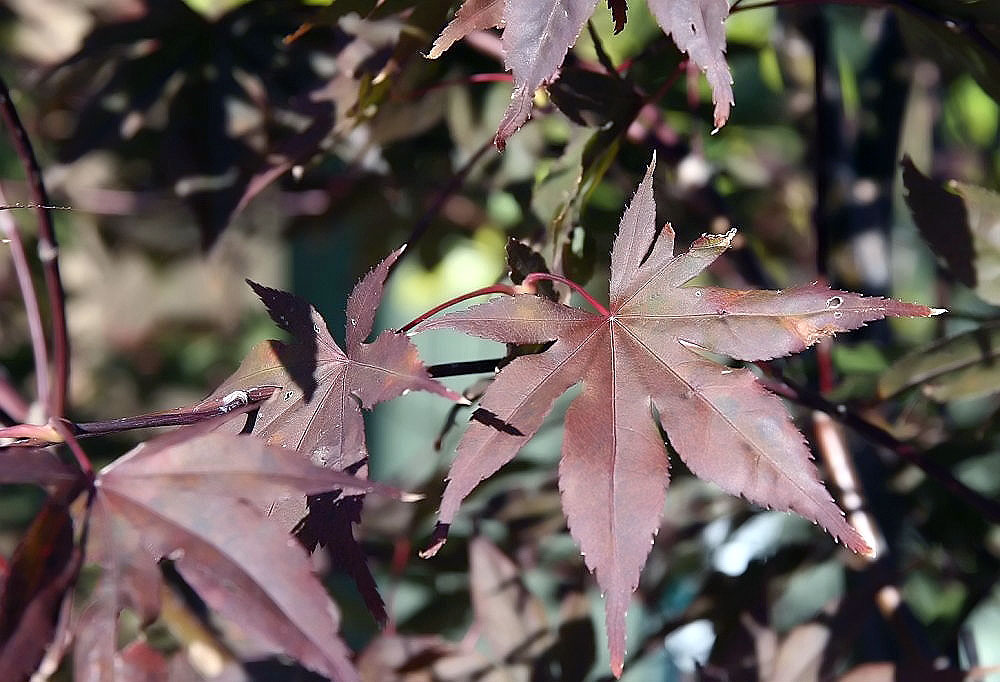
Bloodgood’s deeply lobed, deep maroon-red leaves at a garden center in Virginia. Photo: David J. Stang, via Wikimedia Commons (CC BY-SA 4.0) Acer palmatum ‘Bloodgood’,
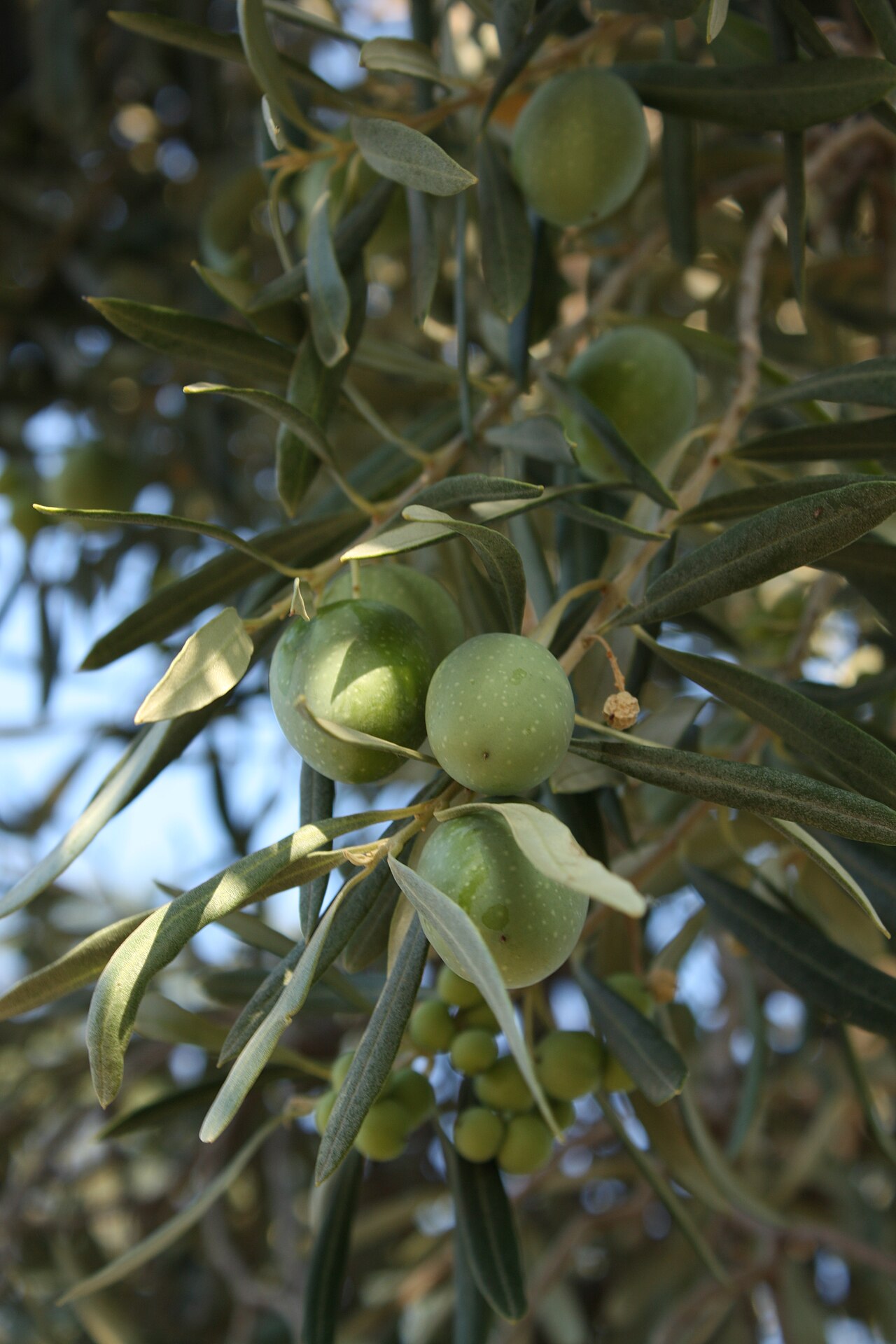
Sevillano olives in an orchard in Corning, California, showing the cultivar’s exceptionally large, oval fruit. Photo: Jessicacu, via Wikimedia Commons (Public domain) Sevillano (Olea europaea
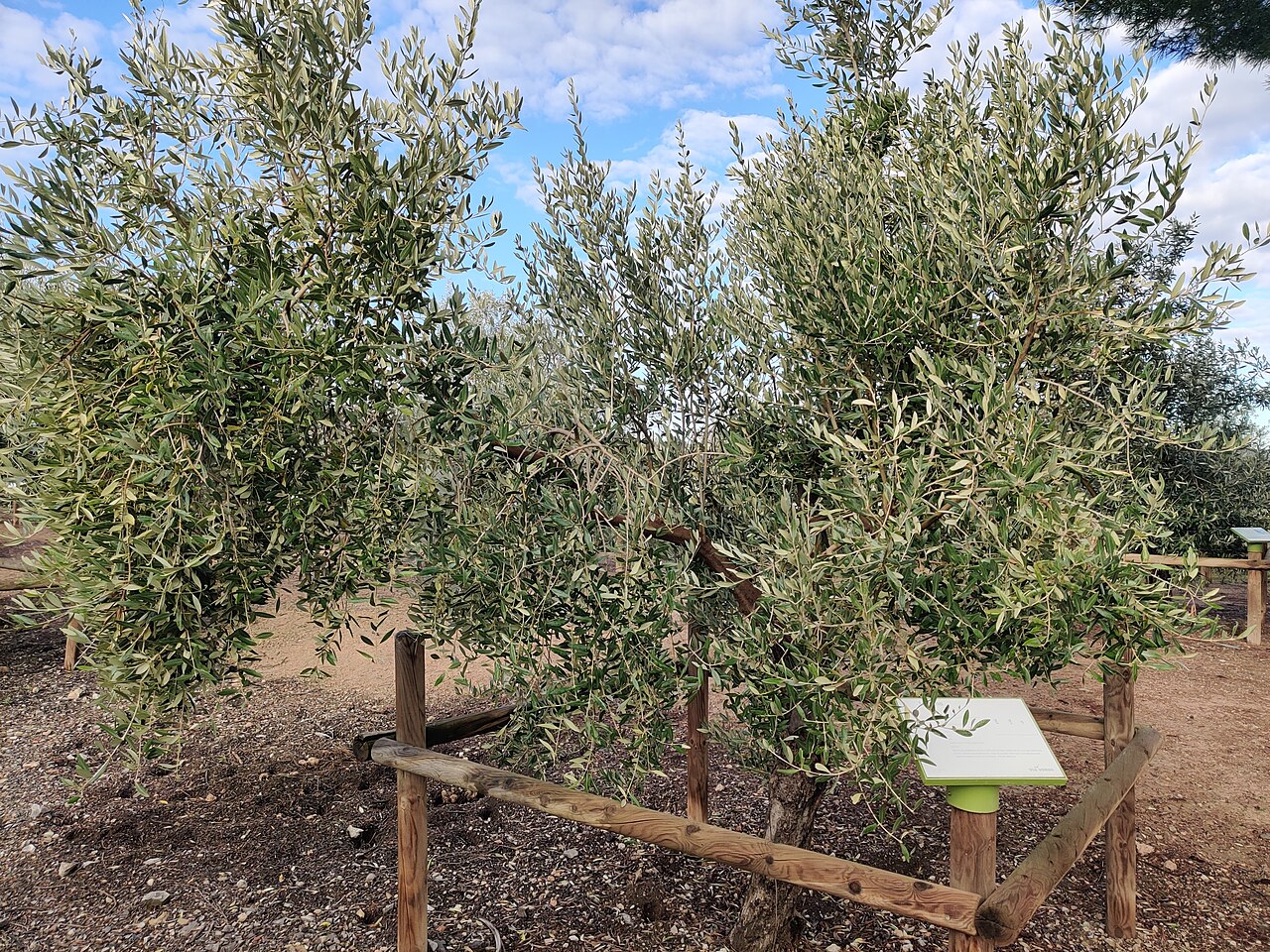
A labeled Leccino tree at the olive variety trial station in Alcaudete, Jaén, Spain, showing its dense, rounded, fast-growing canopy. Photo: Veinticuatro de Jahén, via
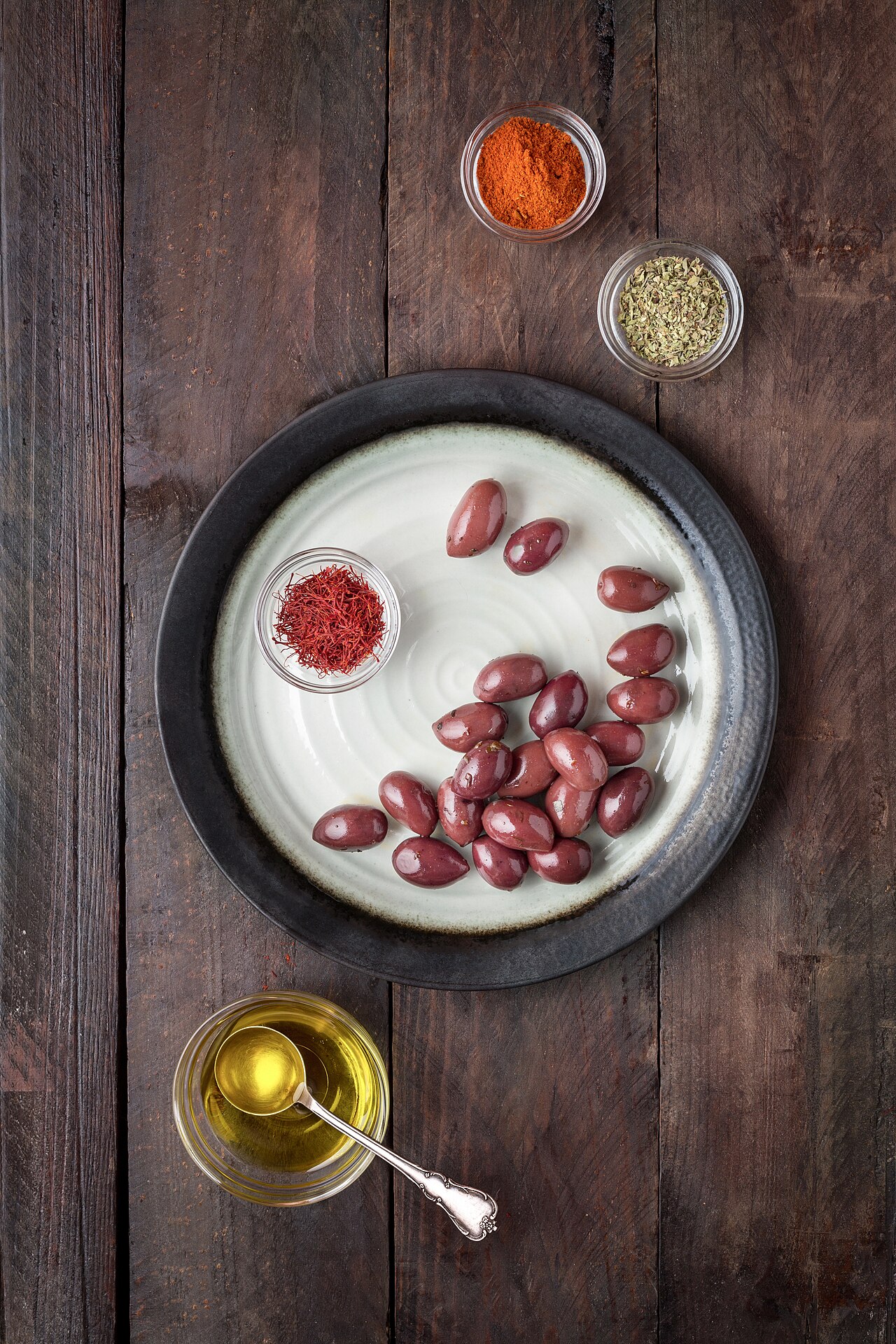
Cured Kalamata olives, showing the dark purple-black color and smooth, slightly asymmetric almond shape typical of the cultivar. Photo: Franciscotrullenque, via Wikimedia Commons (CC BY-SA
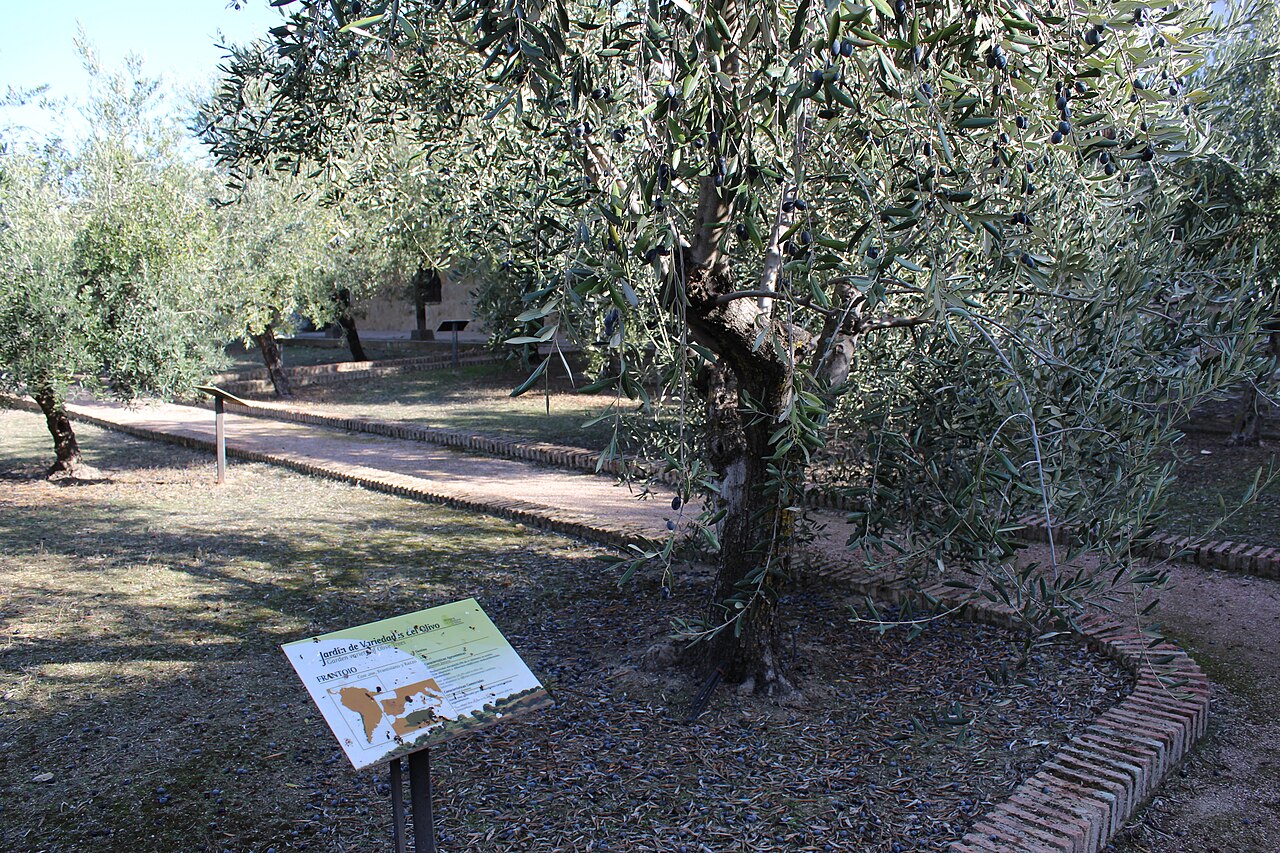
A mature Frantoio tree, labeled in the olive-variety garden at Hacienda La Laguna, Baeza, Spain, showing its upright, airy, tree-like habit. Photo: Veinticuatro de Jahén,
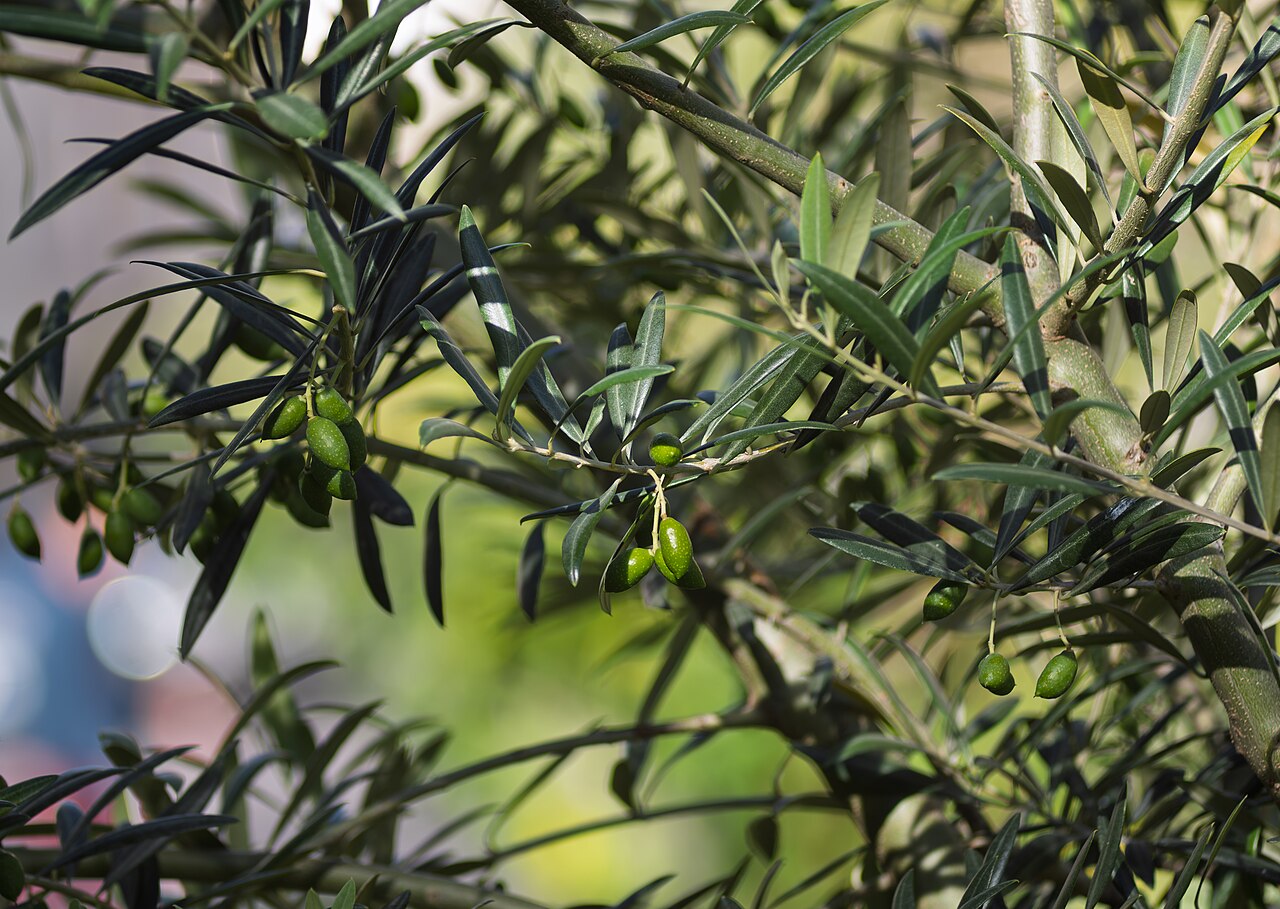
Branch of the species Olea europaea, the parent species; not Ascolana Tenera itself, shown here for general tree and fruiting habit. Photo: Jules Verne Times
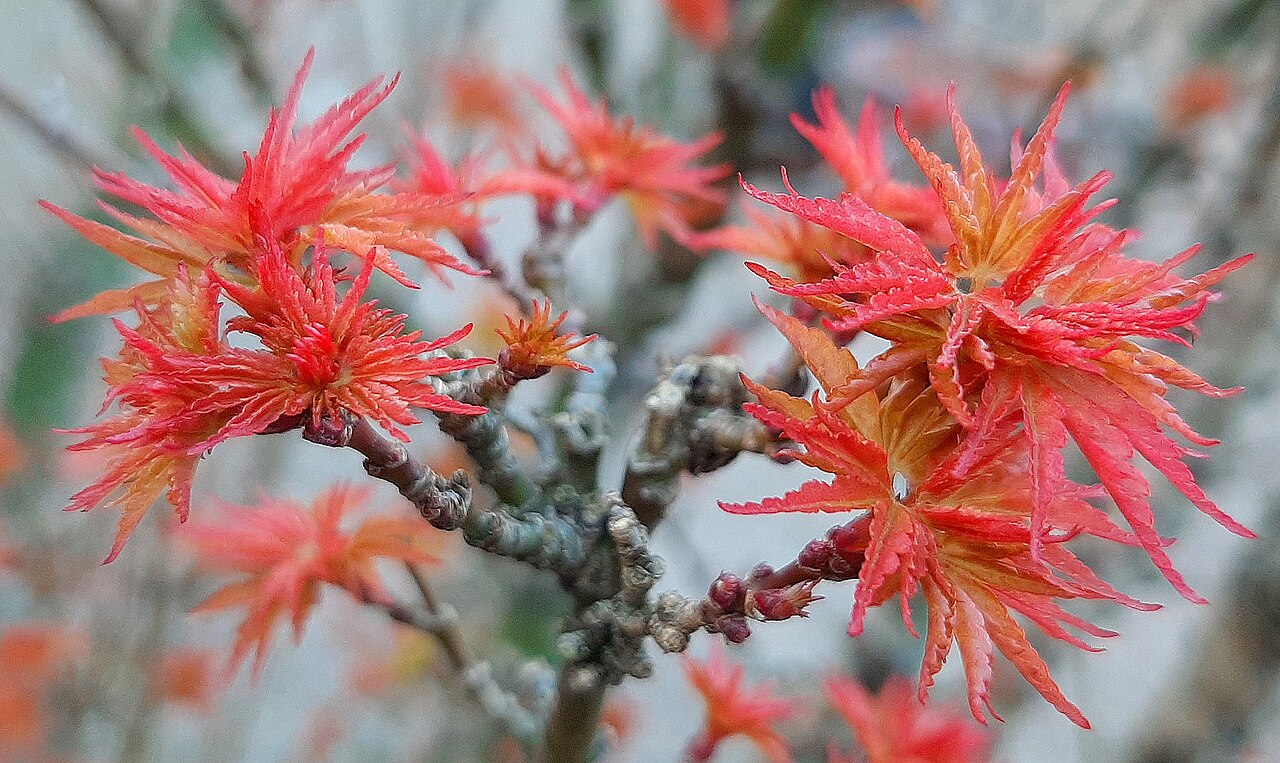
A mature ‘Shishigashira’, showing the dense, congested branching and tightly clustered leaves typical of the cultivar. Photo: Jonathan Billinger, via Wikimedia Commons / geograph.org.uk (CC
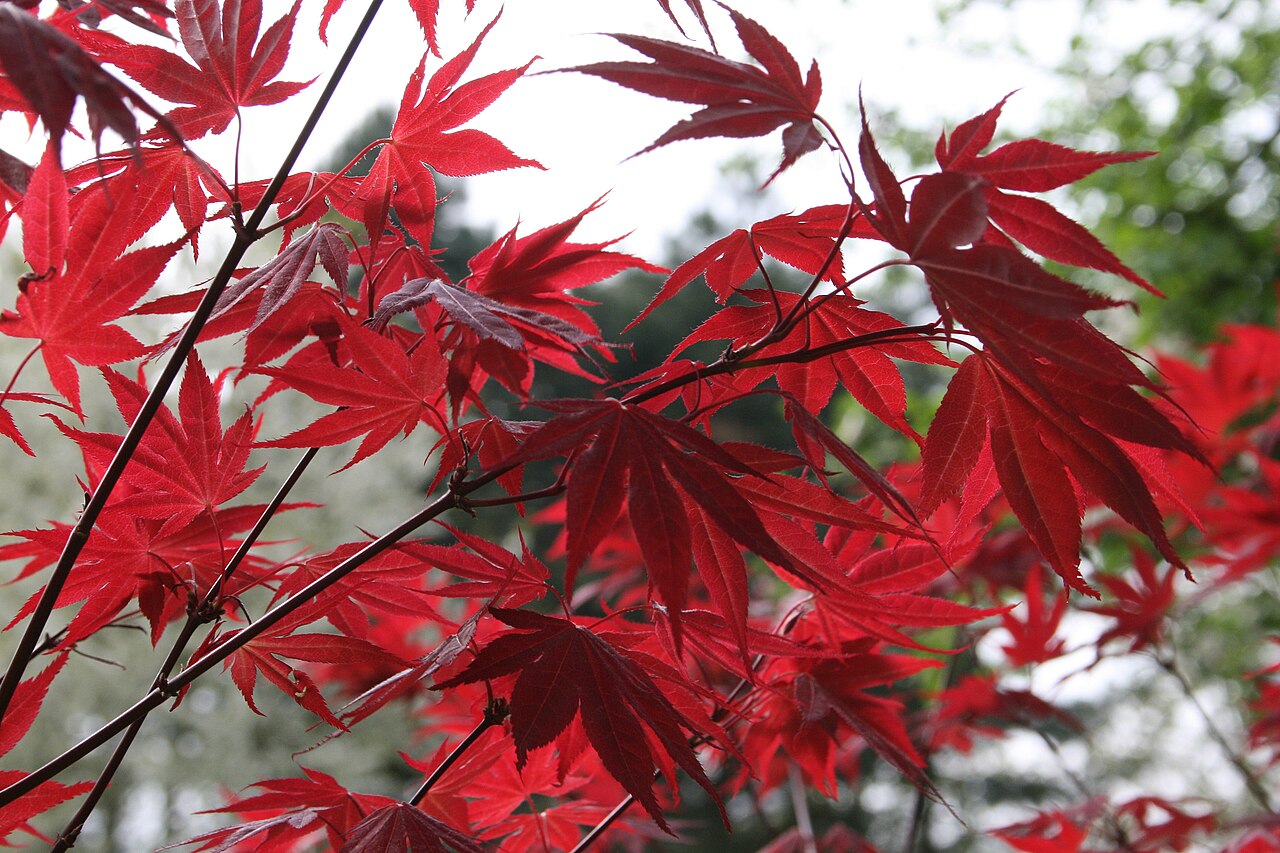
‘Oshio-beni’ holds strong reddish color through summer heat better than many red-leafed Japanese maple cultivars. Photo: Jean-Pol GRANDMONT, via Wikimedia Commons (CC BY 3.0) Acer
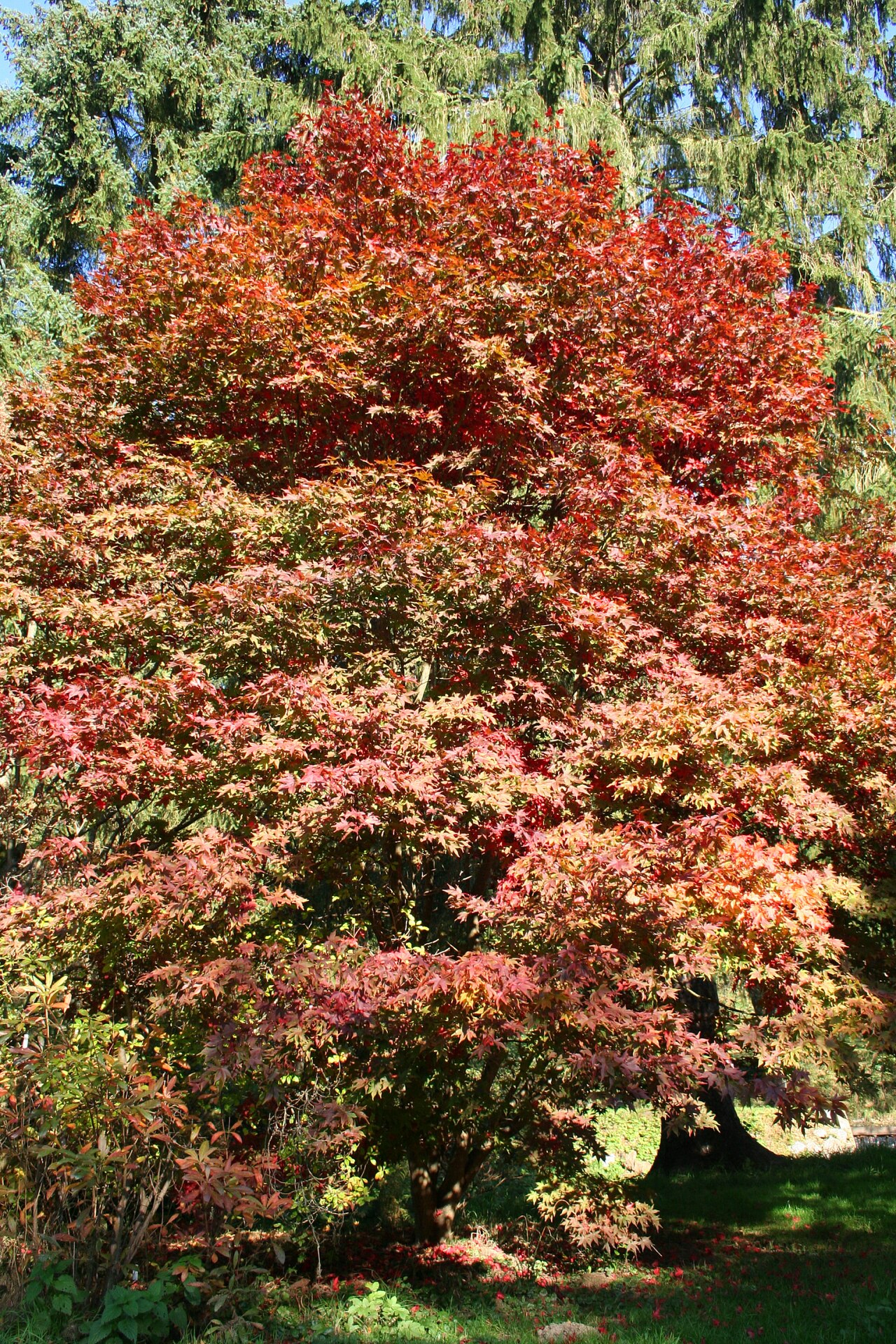
A mature ‘Osakazuki’ in full scarlet fall color, the trait this old cultivar is grown for above all else. Photo: Jean-Pol GRANDMONT, via Wikimedia Commons
View More