
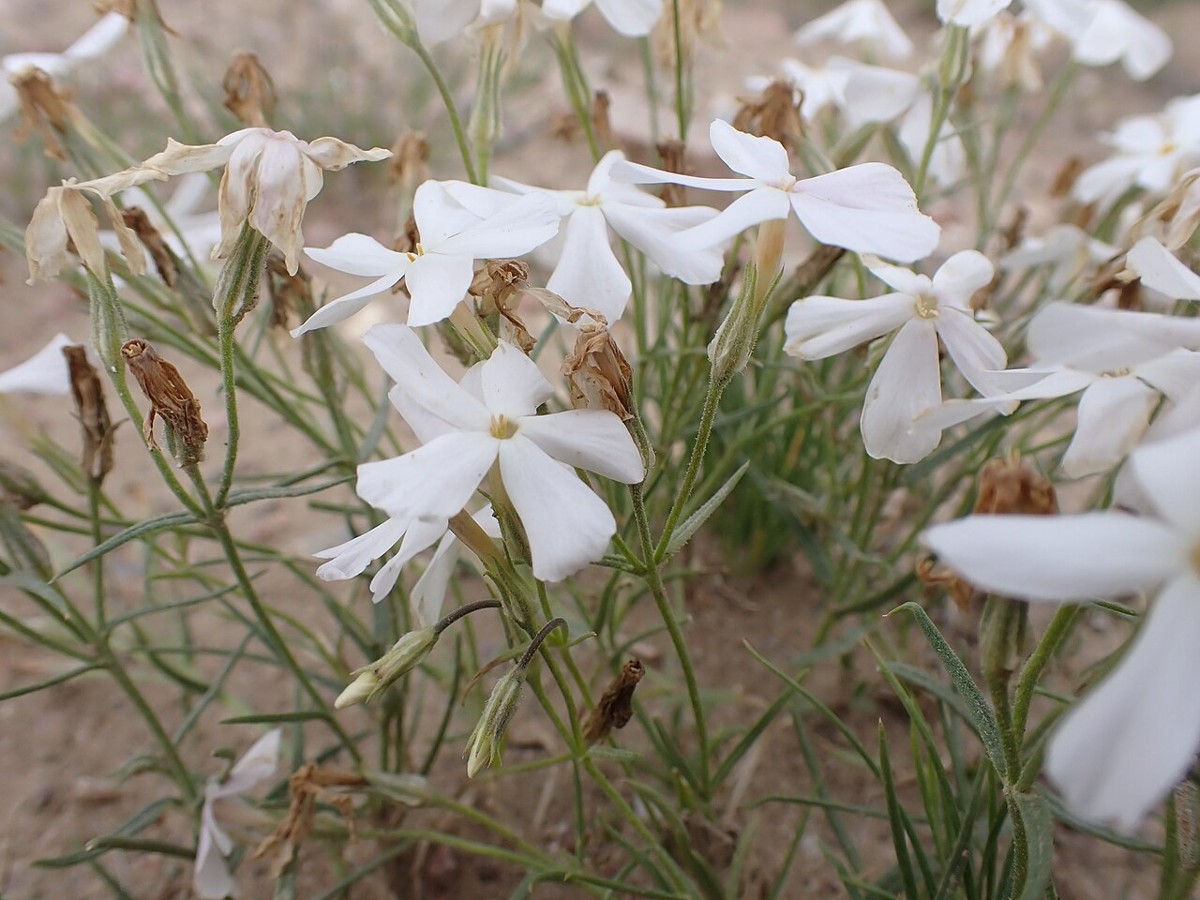
Longleaf phlox blooming among sagebrush-steppe grasses. Photo: Matt Lavin / Wikimedia Commons (CC BY-SA 2.0) Phlox longifolia, commonly called longleaf phlox, is a low, mat-
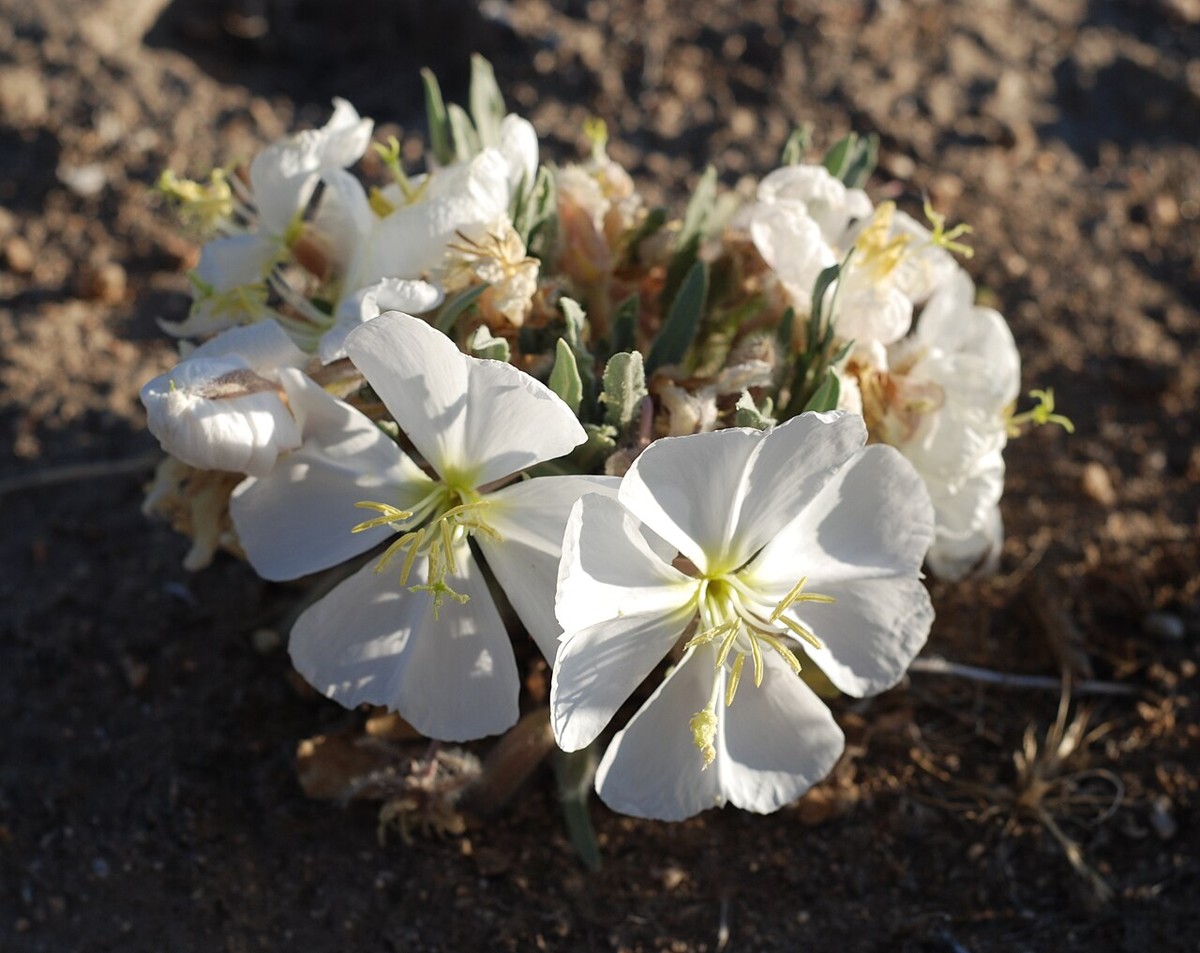
A cluster of dune evening primrose flowers, newly opened white blooms alongside older fading ones. Photo: Jarek Tuszyński / Wikimedia Commons (CC BY-SA 3.0) Oenothera
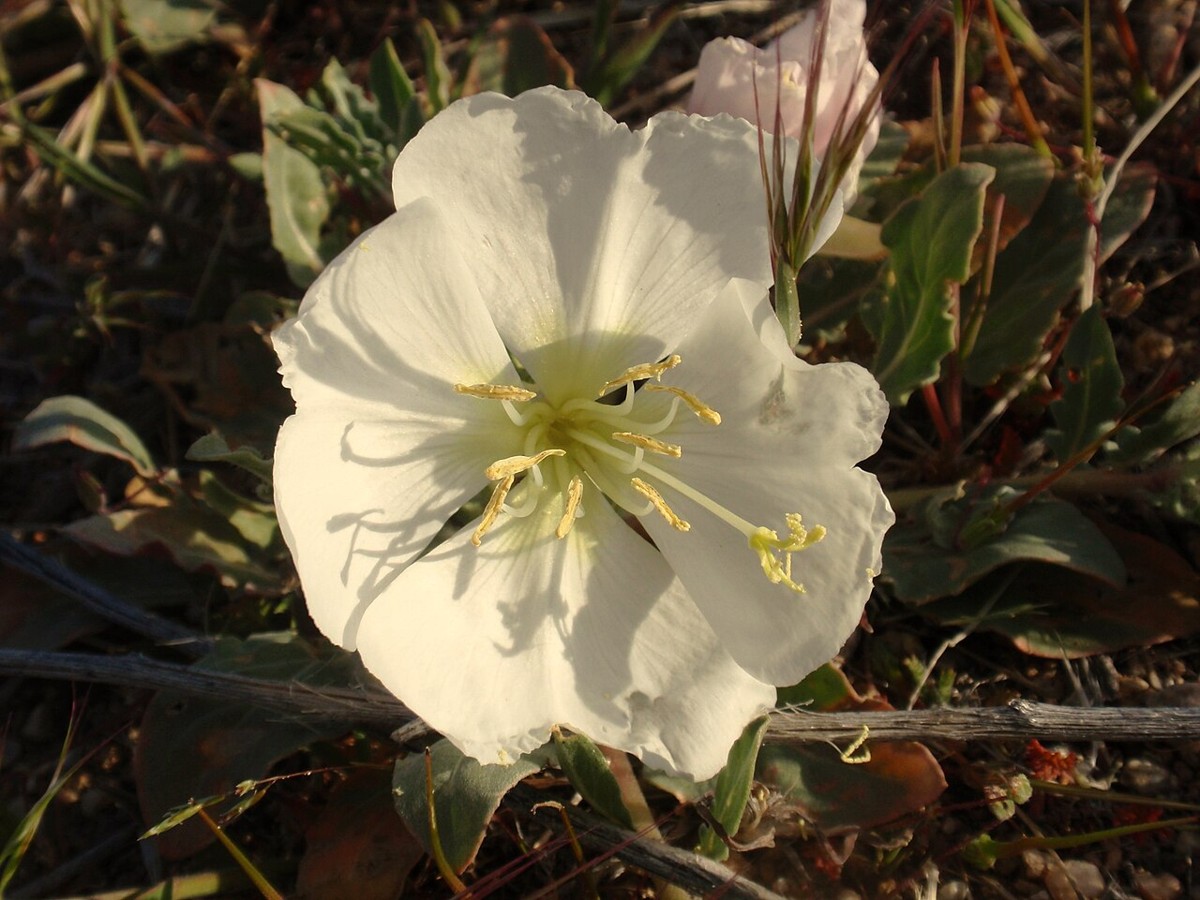
A fresh white California evening primrose flower, with an older bloom fading to pink behind it. Photo: Tom Hilton / Wikimedia Commons (CC BY 2.0)
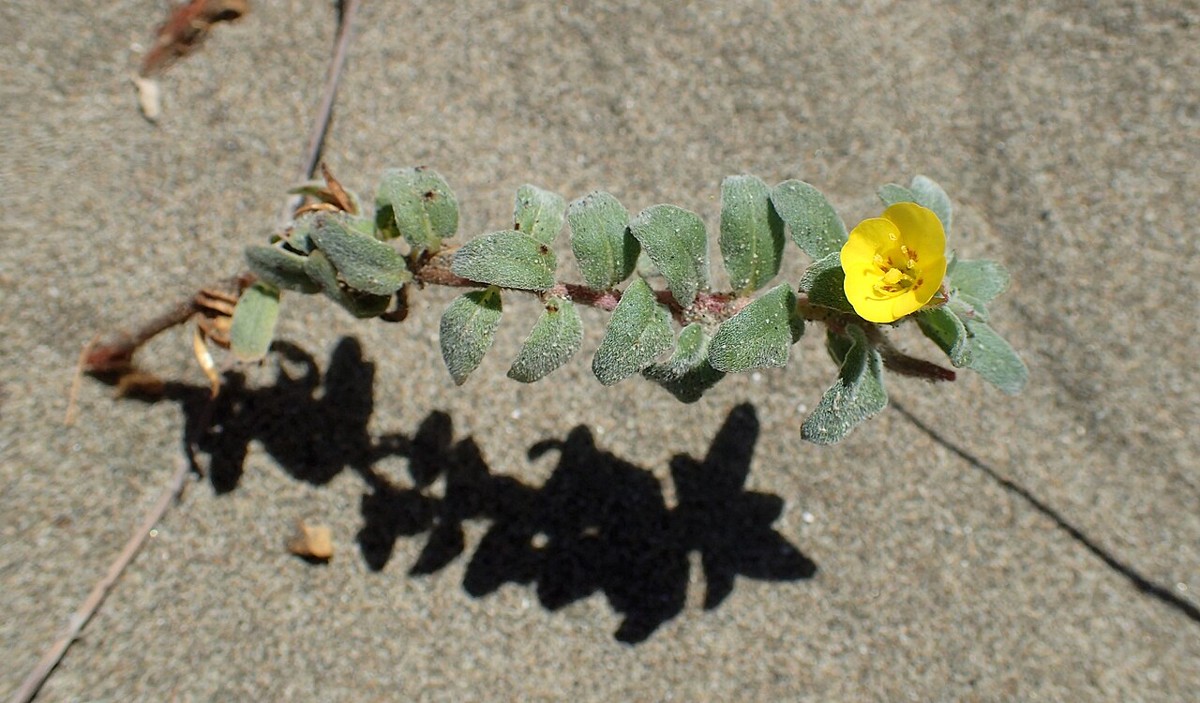
A trailing stem of beach evening primrose on open dune sand, Bodega Dunes, Sonoma County. Photo: Krzysztof Ziarnek / Wikimedia Commons (CC BY-SA 4.0) Camissoniopsis
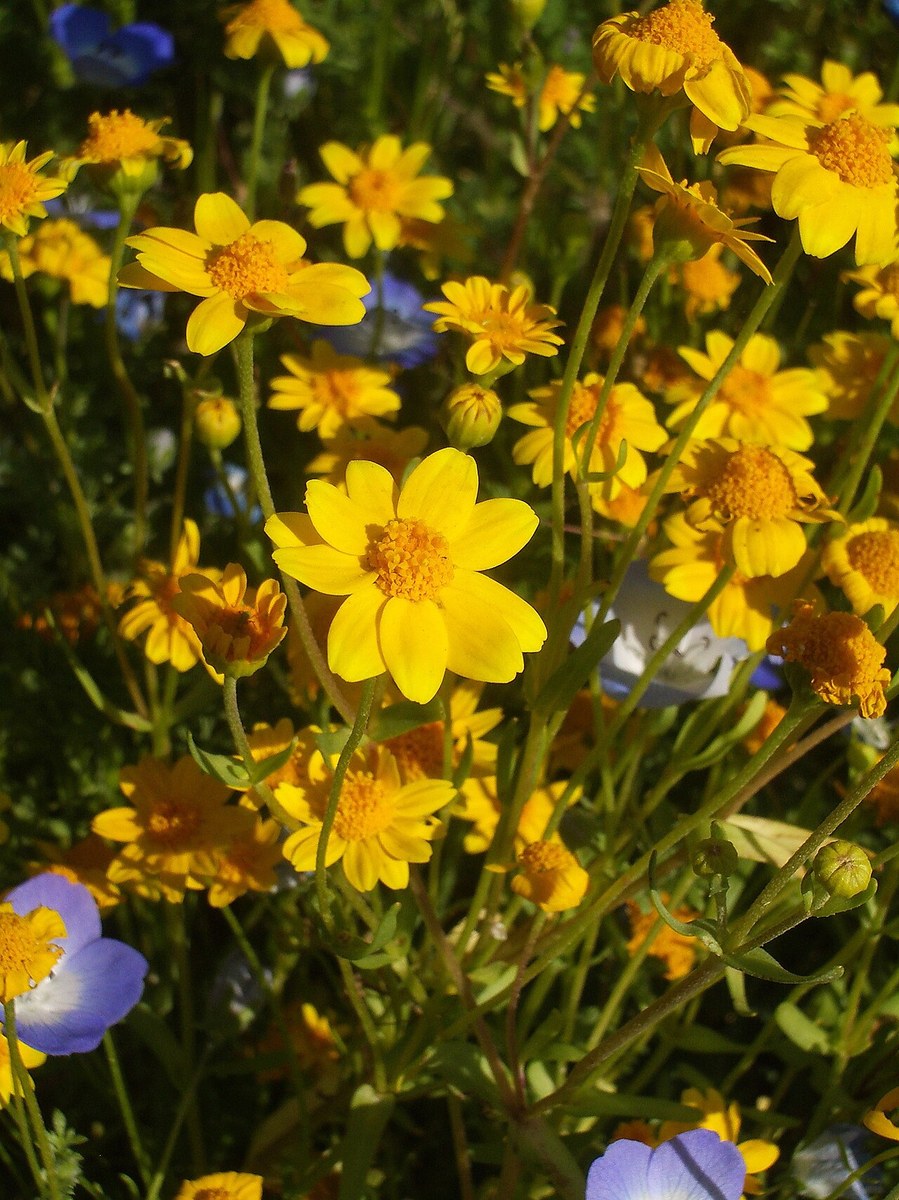
Yellowray goldfields in full bloom, its golden daisy heads often mingling with other California vernal-pool annuals. Photo: Cliff Hutson, Wikimedia Commons (CC BY 2.5) Lasthenia
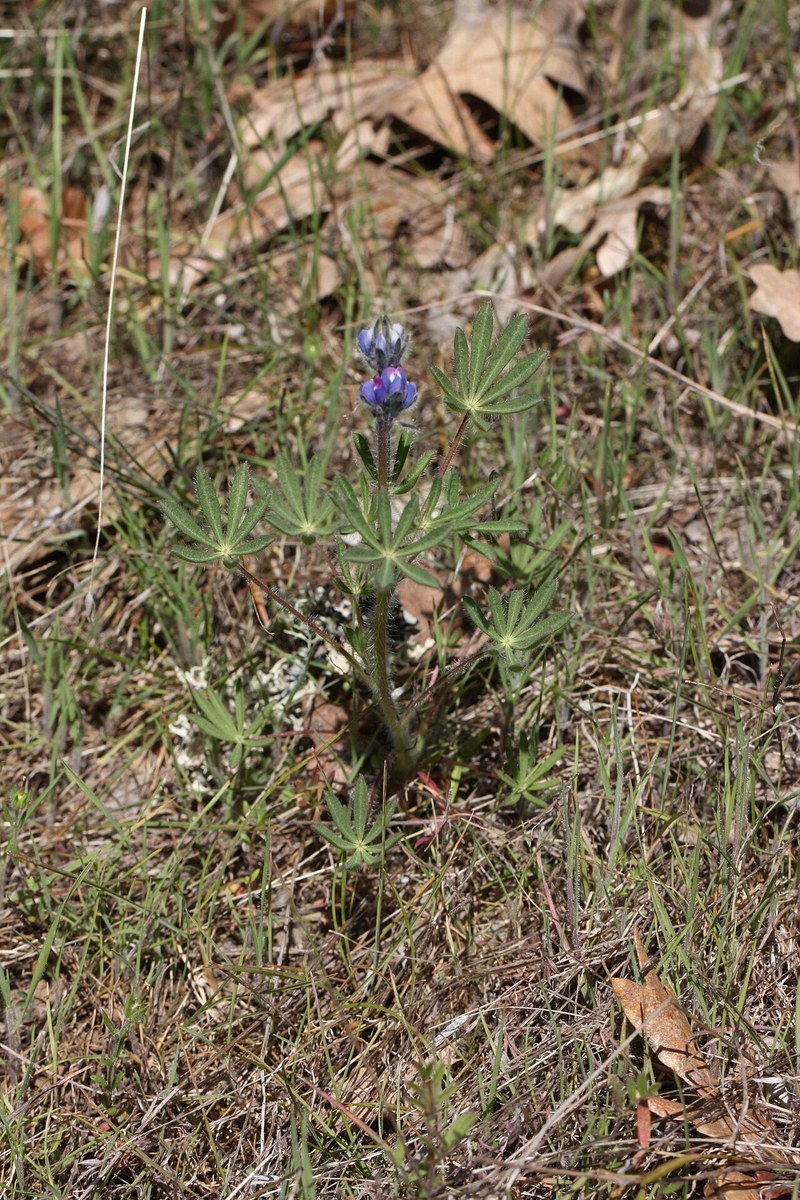
A single miniature lupine plant, rarely taller than a few inches, blooming among spring grasses. Photo: Walter Siegmund, Wikimedia Commons (CC BY-SA 3.0) Lupinus bicolor,
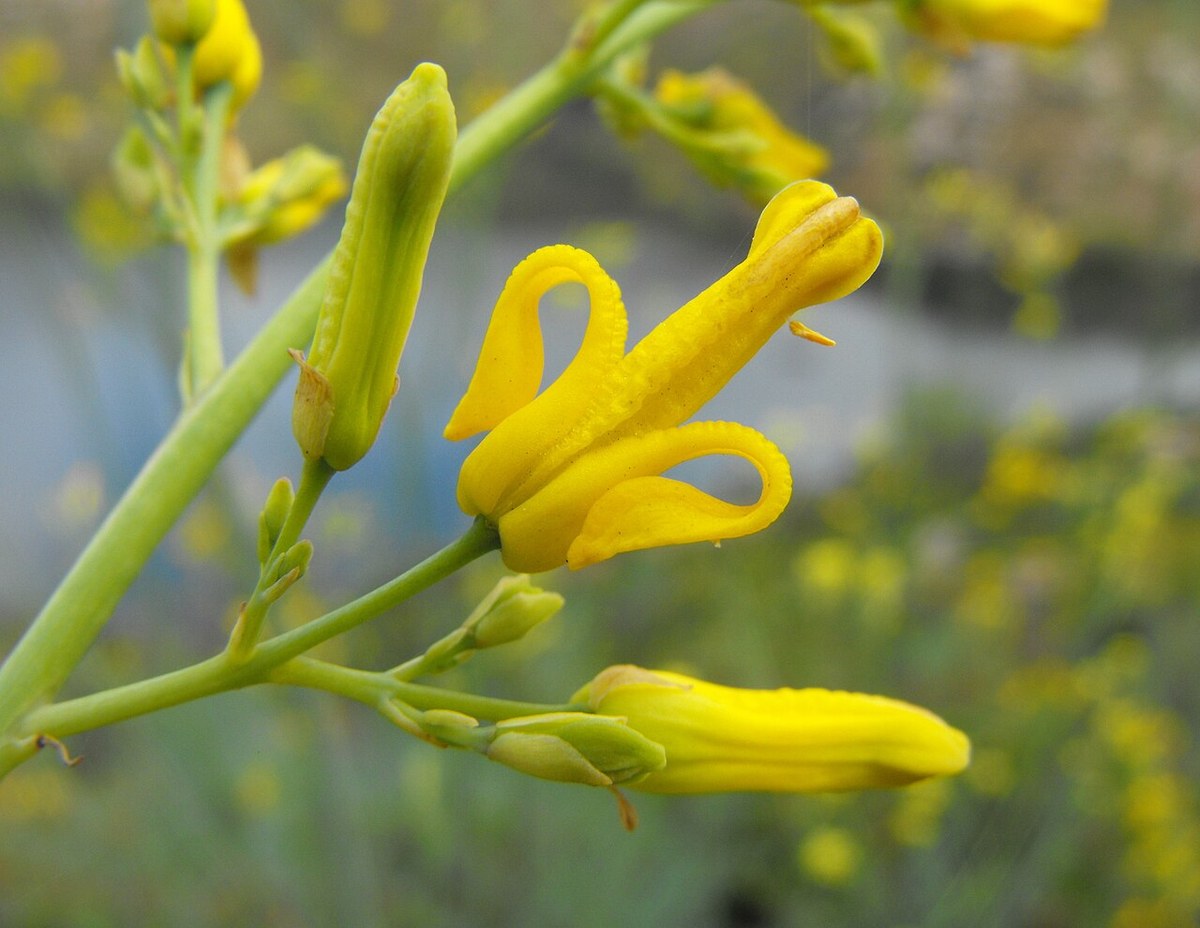
Golden eardrops in bloom, showing the odd, locket-like shape typical of the genus. Photo: Stickpen, Wikimedia Commons (Public domain) Dicentra chrysantha (accepted name Ehrendorferia chrysantha),
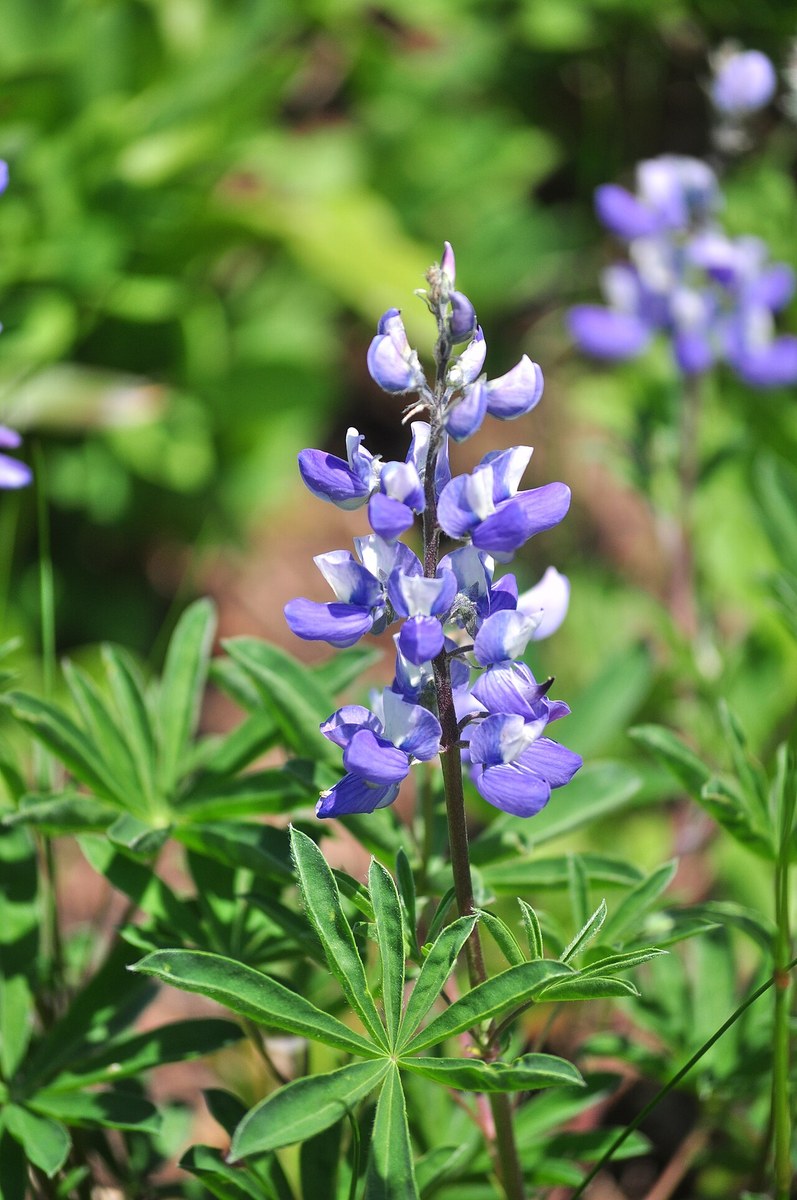
Broadleaf lupine in bloom at Paradise, Mount Rainier National Park. Photo: Joe Mabel, Wikimedia Commons (CC BY-SA 3.0) Lupinus latifolius, commonly known as broadleaf lupine
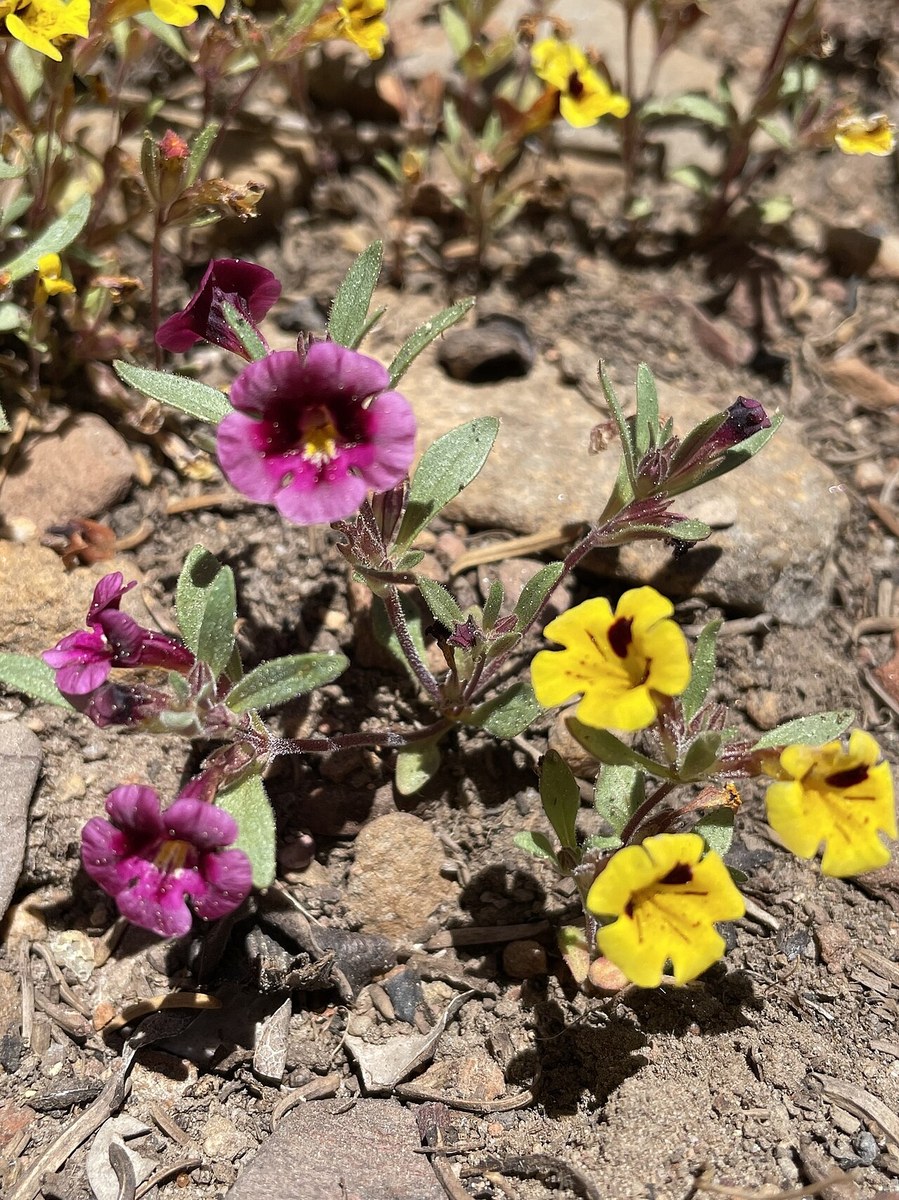
Bicolor monkeyflower growing on open, rocky ground, showing its striking magenta and yellow color forms side by side. Photo: Mike Heine, Wikimedia Commons (CC BY
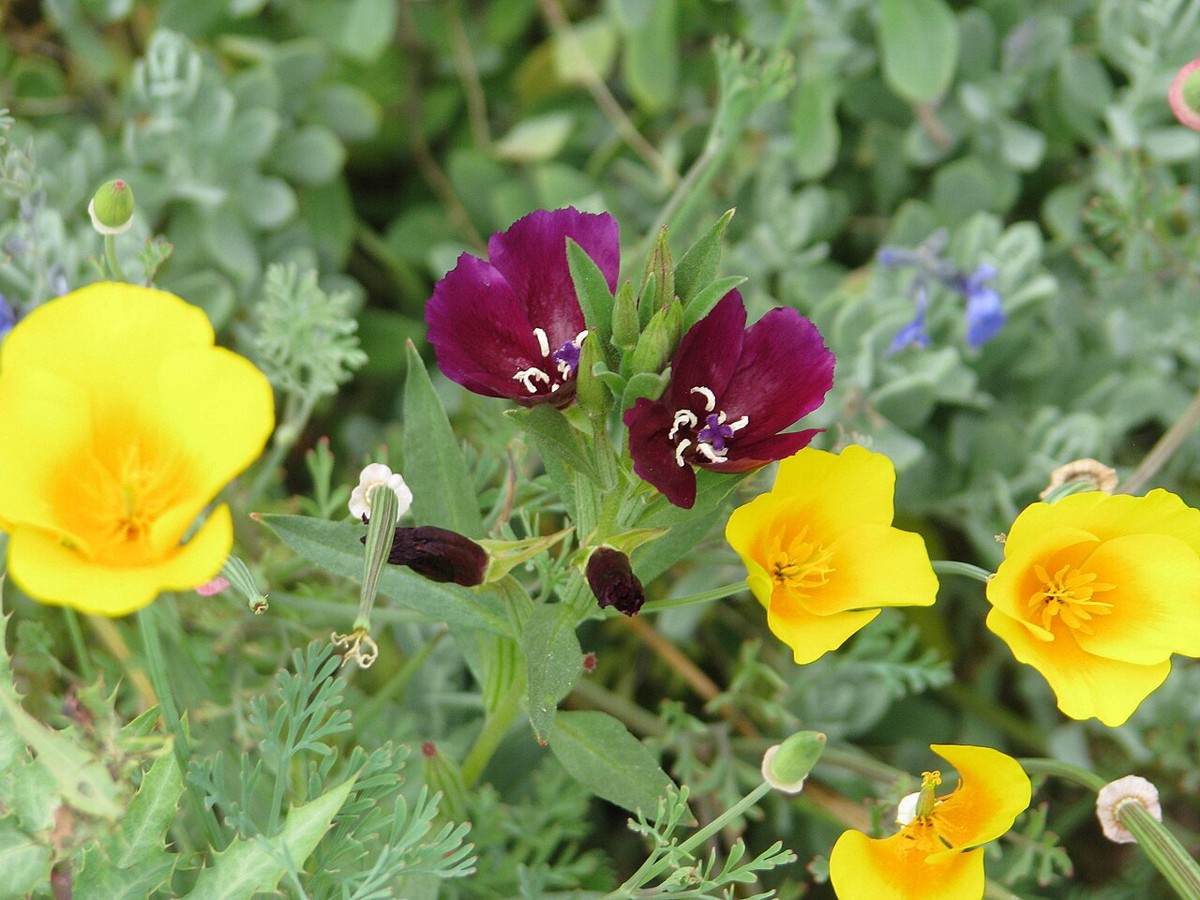
Winecup clarkia’s deep wine-red flowers mingling with California poppies in a spring wildflower field. Photo: peganum, Wikimedia Commons (CC BY-SA 2.0) Clarkia purpurea, commonly called
View More