
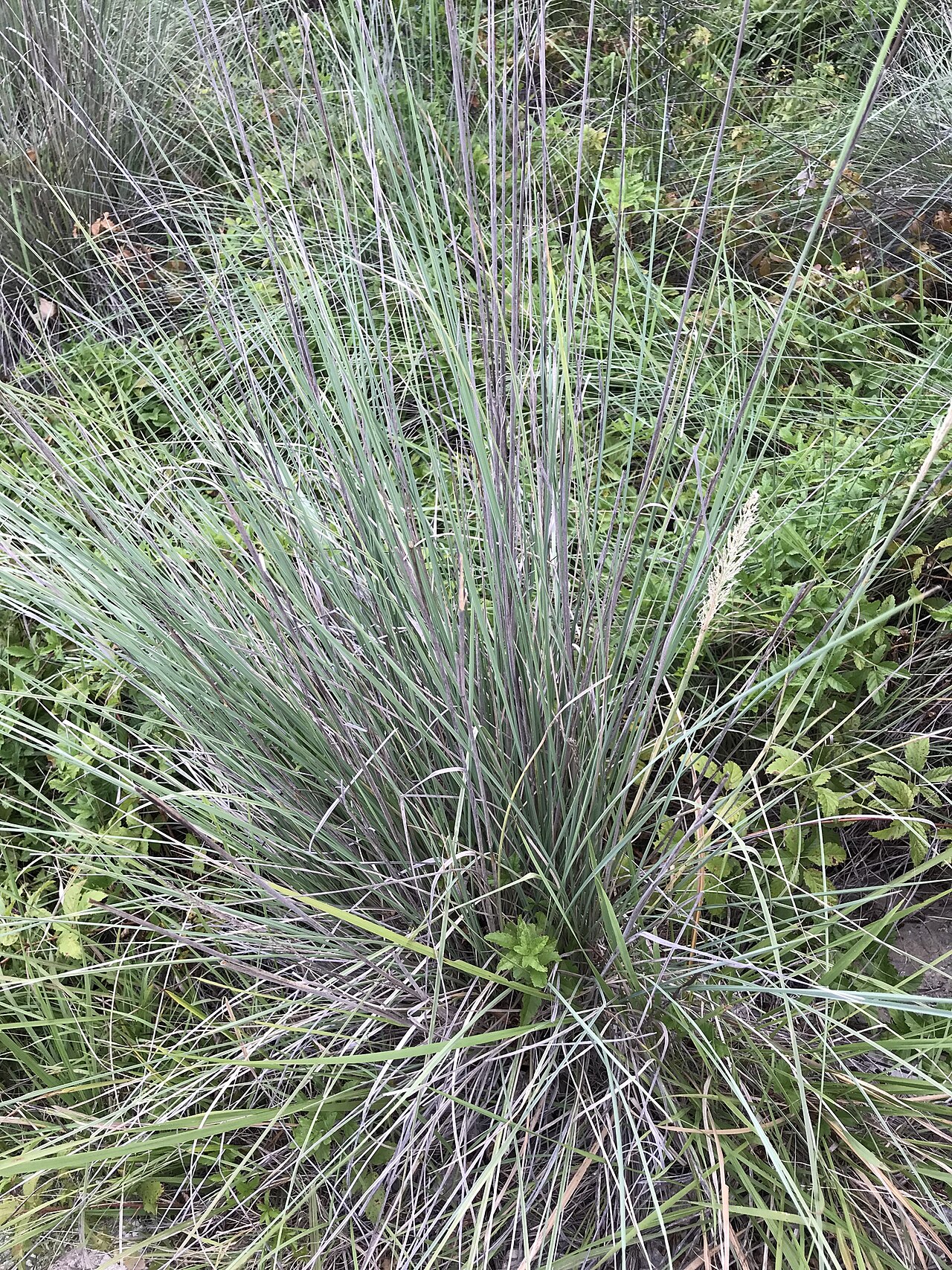
Lindheimer’s Muhly forms a dense, fountain-like clump of fine blue-green foliage. Photo: Cody Stricker, Wikimedia Commons (CC BY 4.0) Muhlenbergia lindheimeri, known as Lindheimer’s Muhly
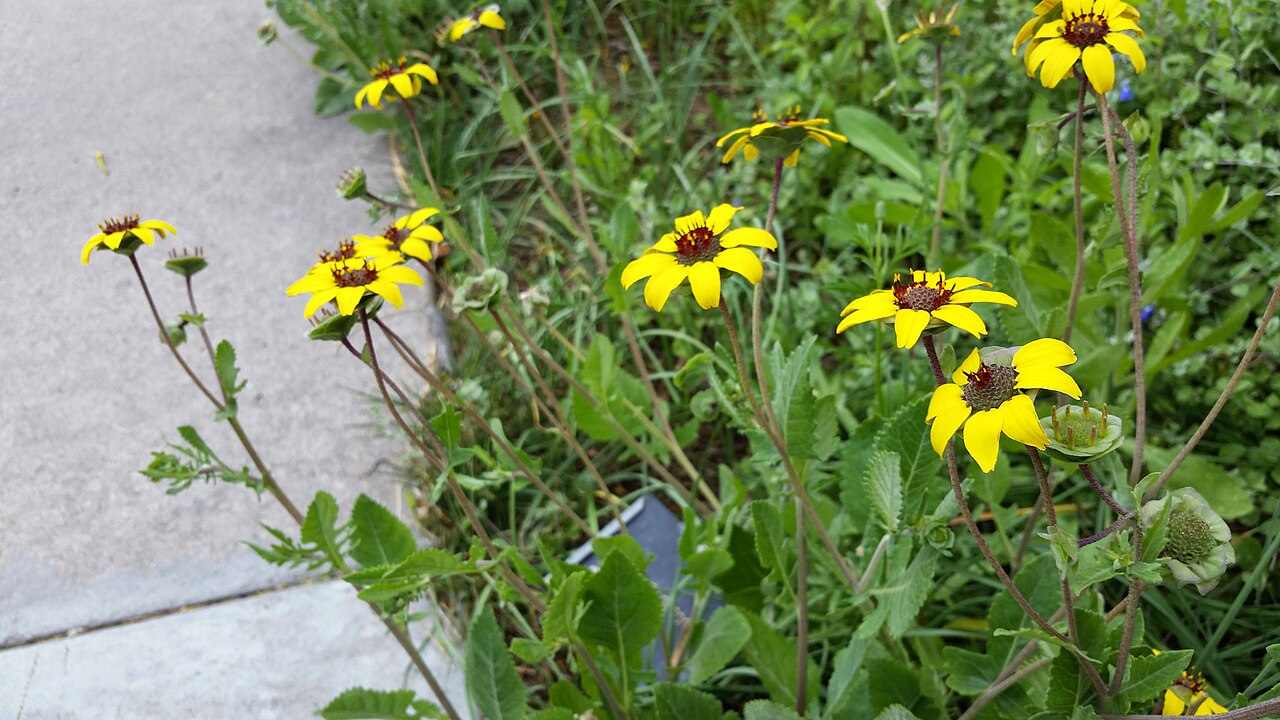
Chocolate Daisy in bloom at the Chihuahuan Desert Gardens, UTEP, El Paso, Texas. Photo: Susan Barnum, Wikimedia Commons (CC BY-SA 4.0) Berlandiera lyrata, commonly called
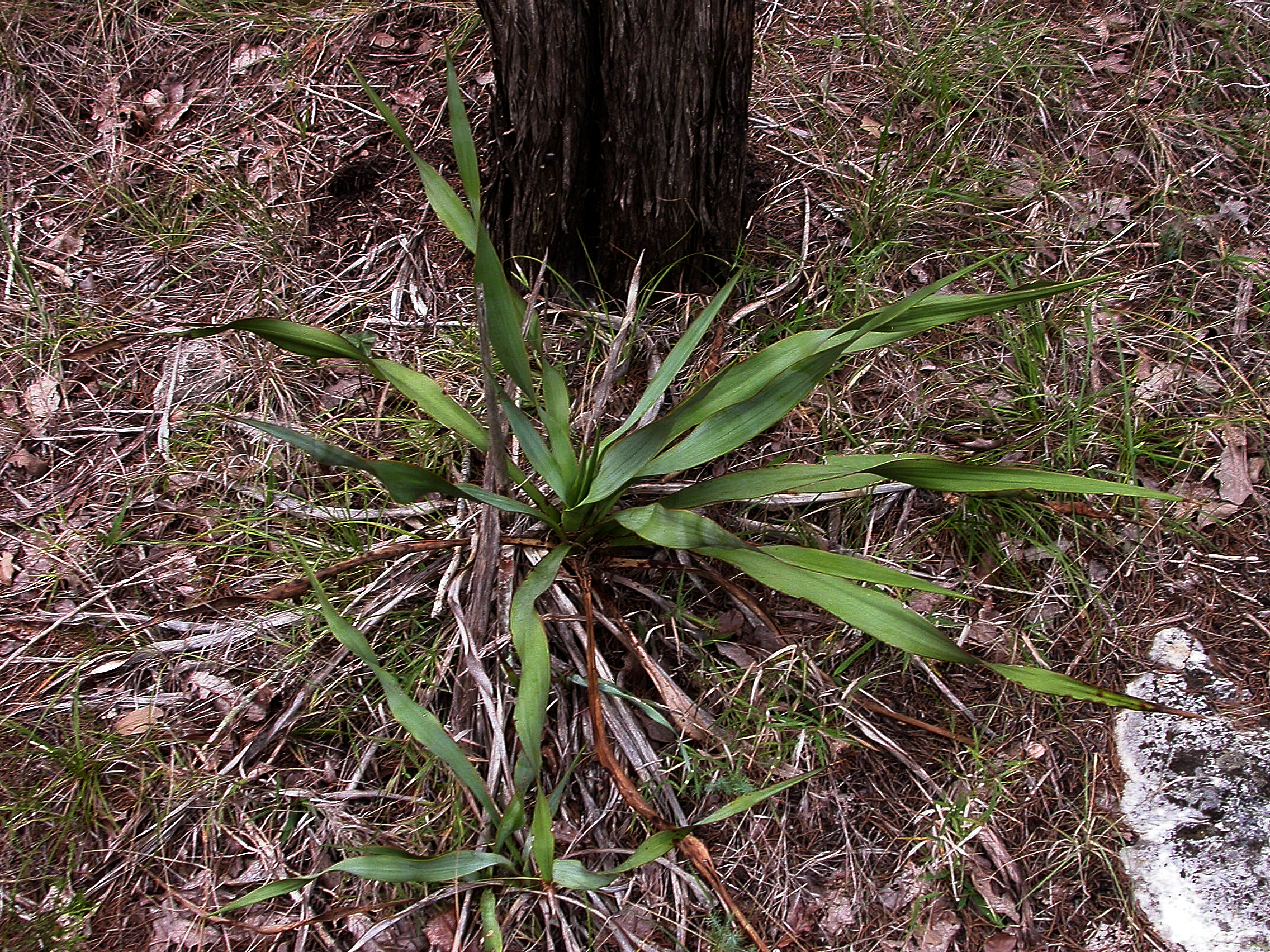
A trunkless Twistleaf Yucca rosette, its leaves characteristically twisting and curving along their length. Photo: Mgust, Wikimedia Commons (CC BY-SA 4.0) Yucca rupicola, commonly called
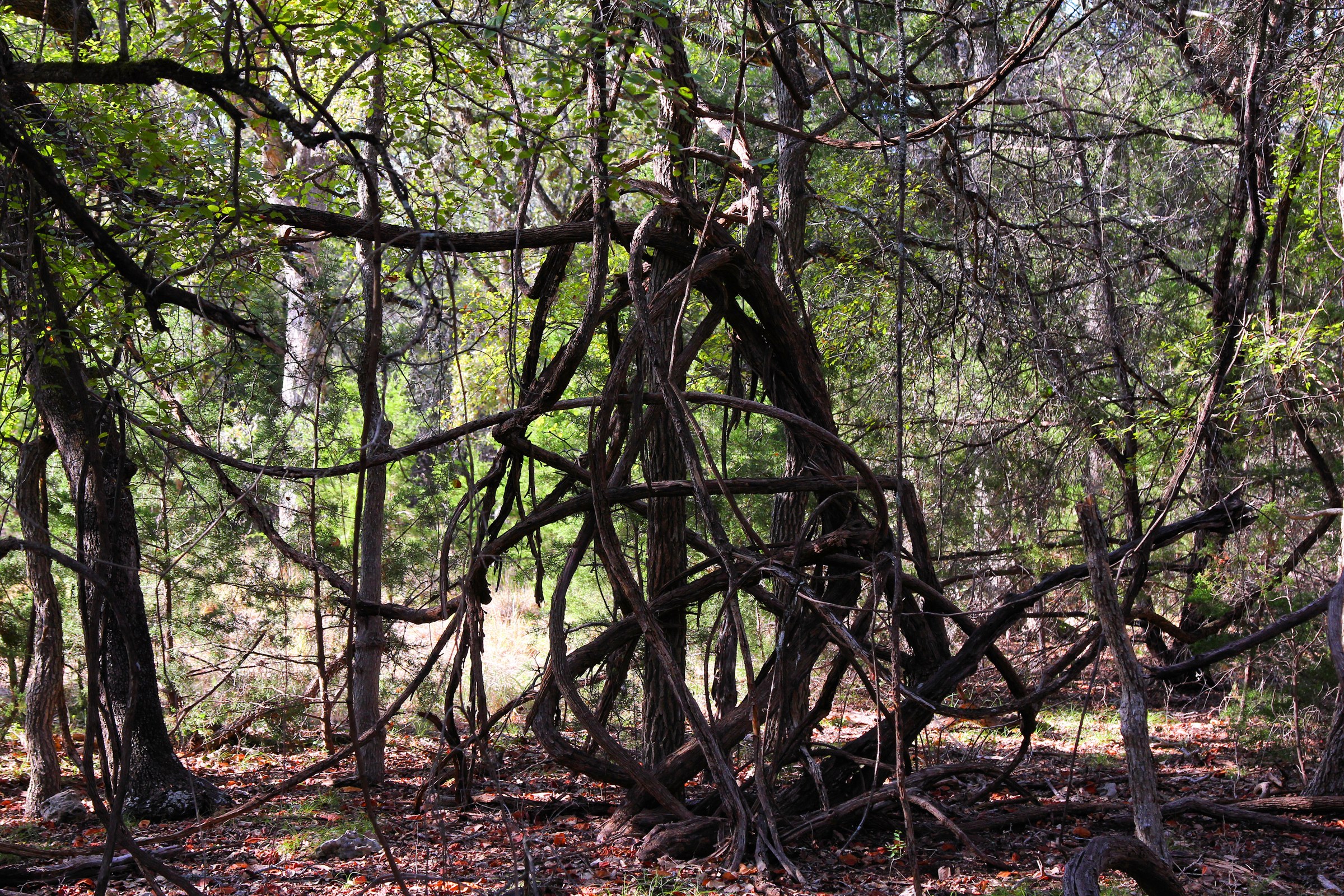
Mustang Grape vines blanket trees at Honey Creek State Natural Area, Texas. Photo: Larry D. Moore, Wikimedia Commons (CC BY 4.0) Vitis mustangensis, commonly known
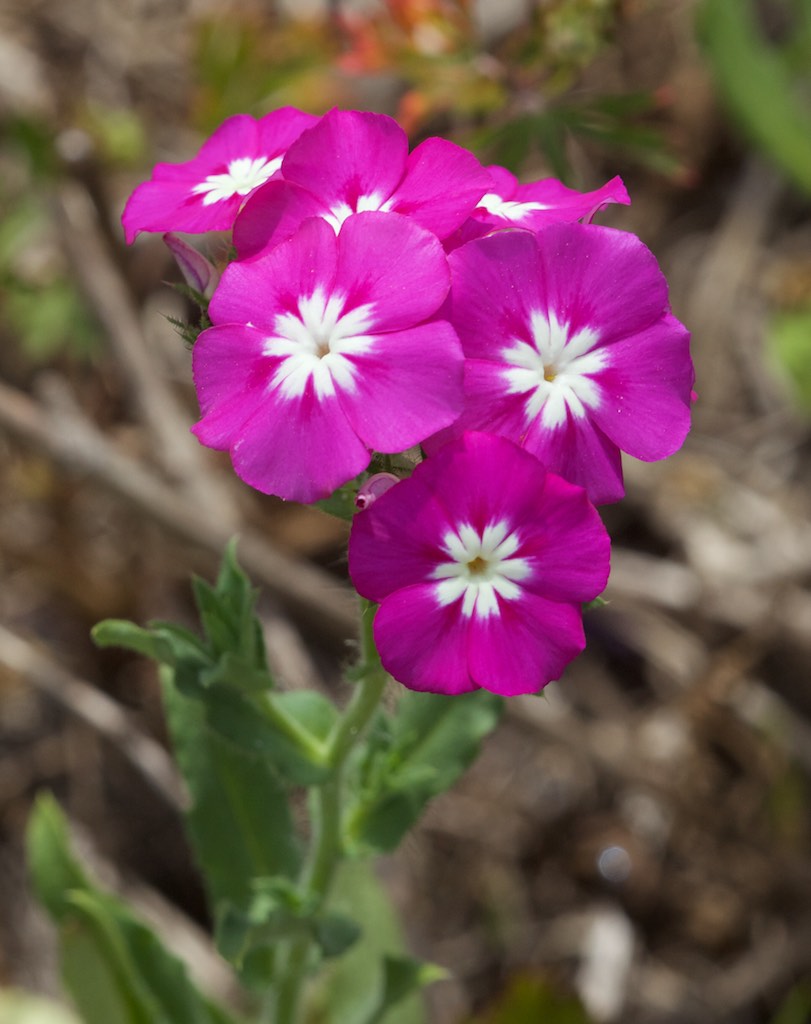
Drummond Phlox blooming in its classic magenta form with a white eye. Photo: mmmavocado, Wikimedia Commons (CC BY 2.0) Phlox drummondii, commonly called Drummond Phlox
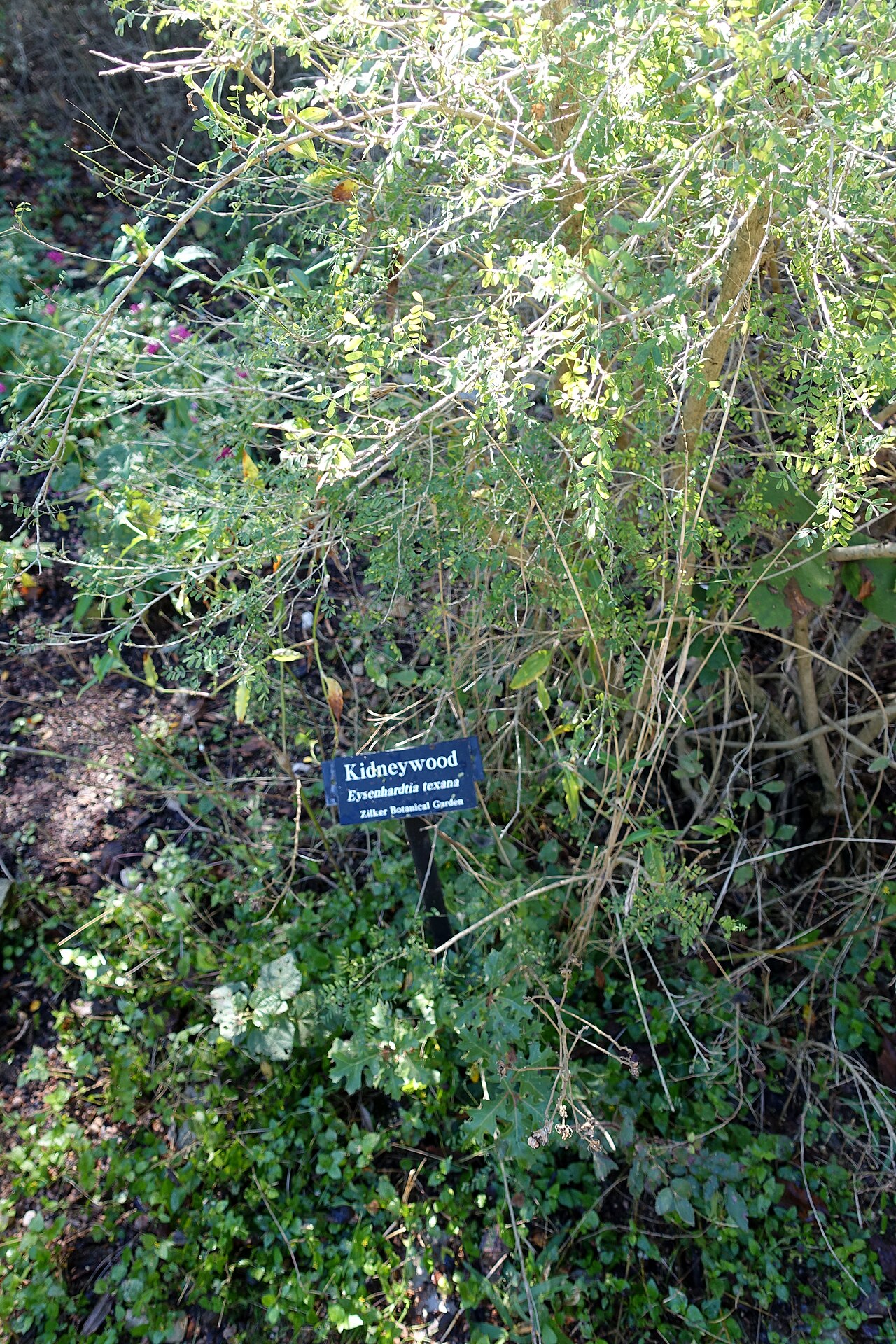
Texas Kidneywood’s open, airy growth habit and fine, feathery compound foliage. Photo: Wikimedia Commons (CC0) Eysenhardtia texana, commonly known as Texas Kidneywood, is a thornless,
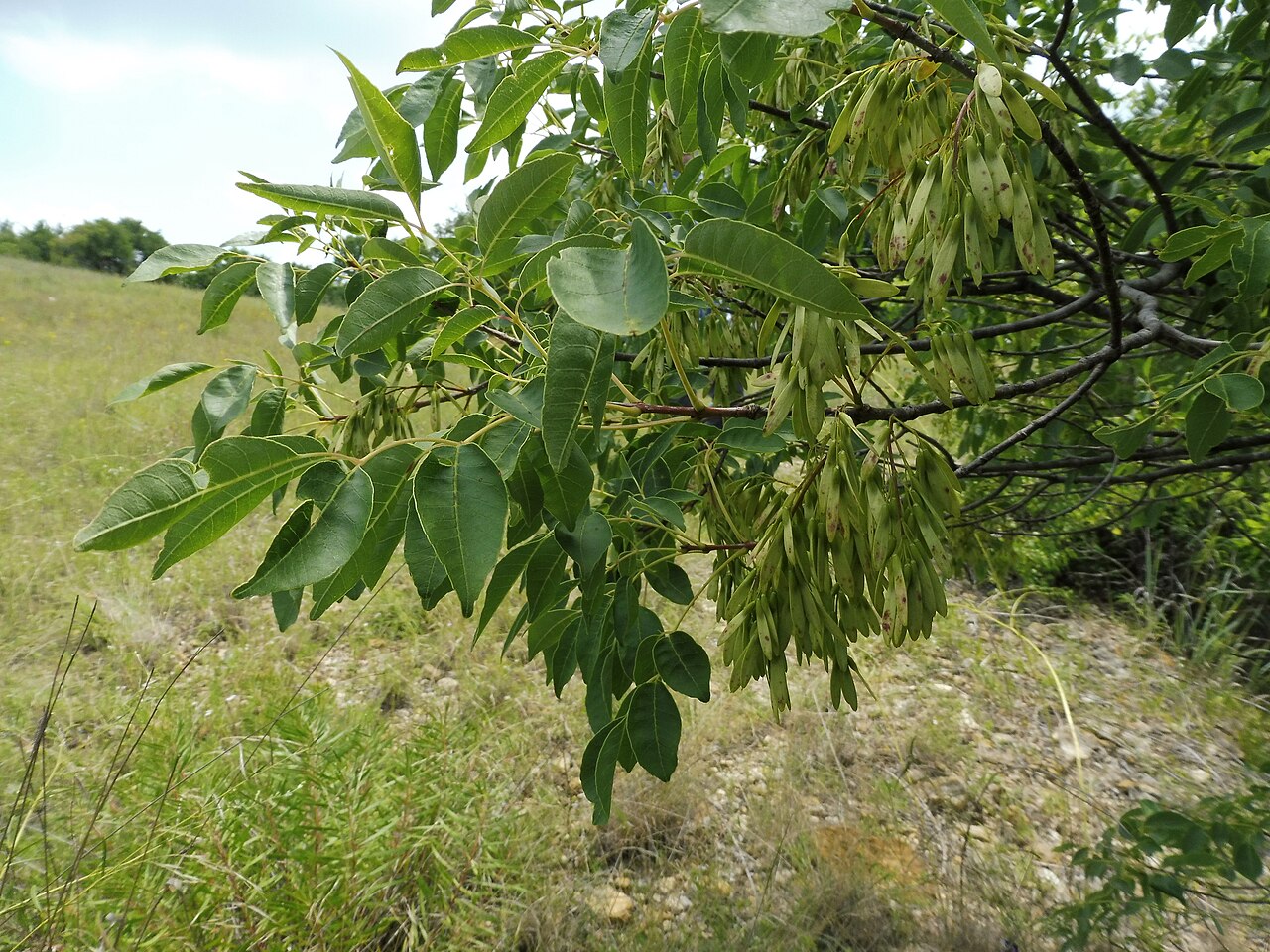
Texas Ash branch in native habitat, showing compound leaves and hanging samaras. Photo: Wikimedia Commons (CC BY-SA 4.0) Fraxinus texensis, commonly known as Texas Ash,
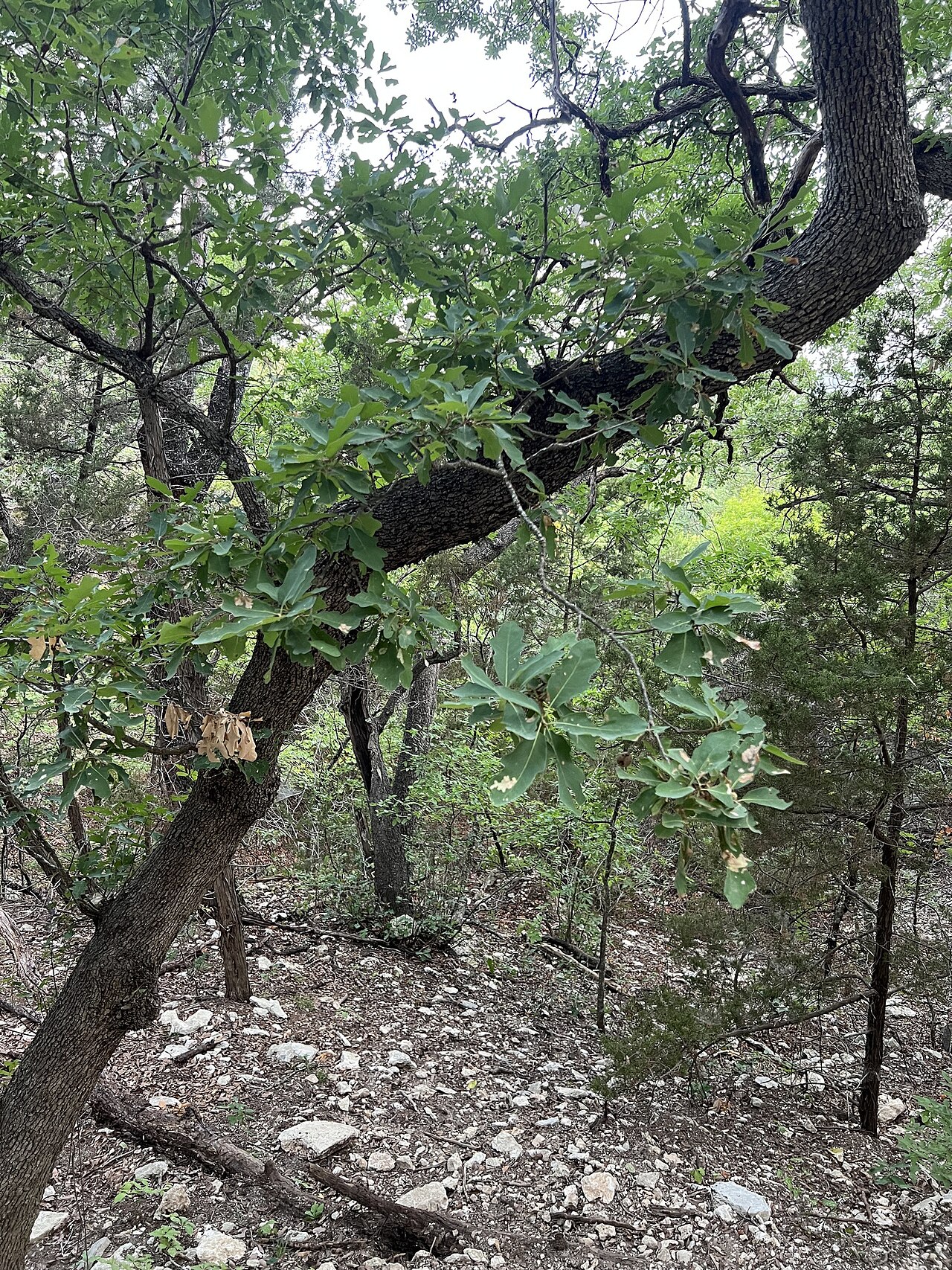
Lacey Oak on a rocky Hill Country slope, showing its characteristic blue-green summer foliage. Photo: Wikimedia Commons (CC0) Quercus laceyi, commonly known as Lacey Oak,
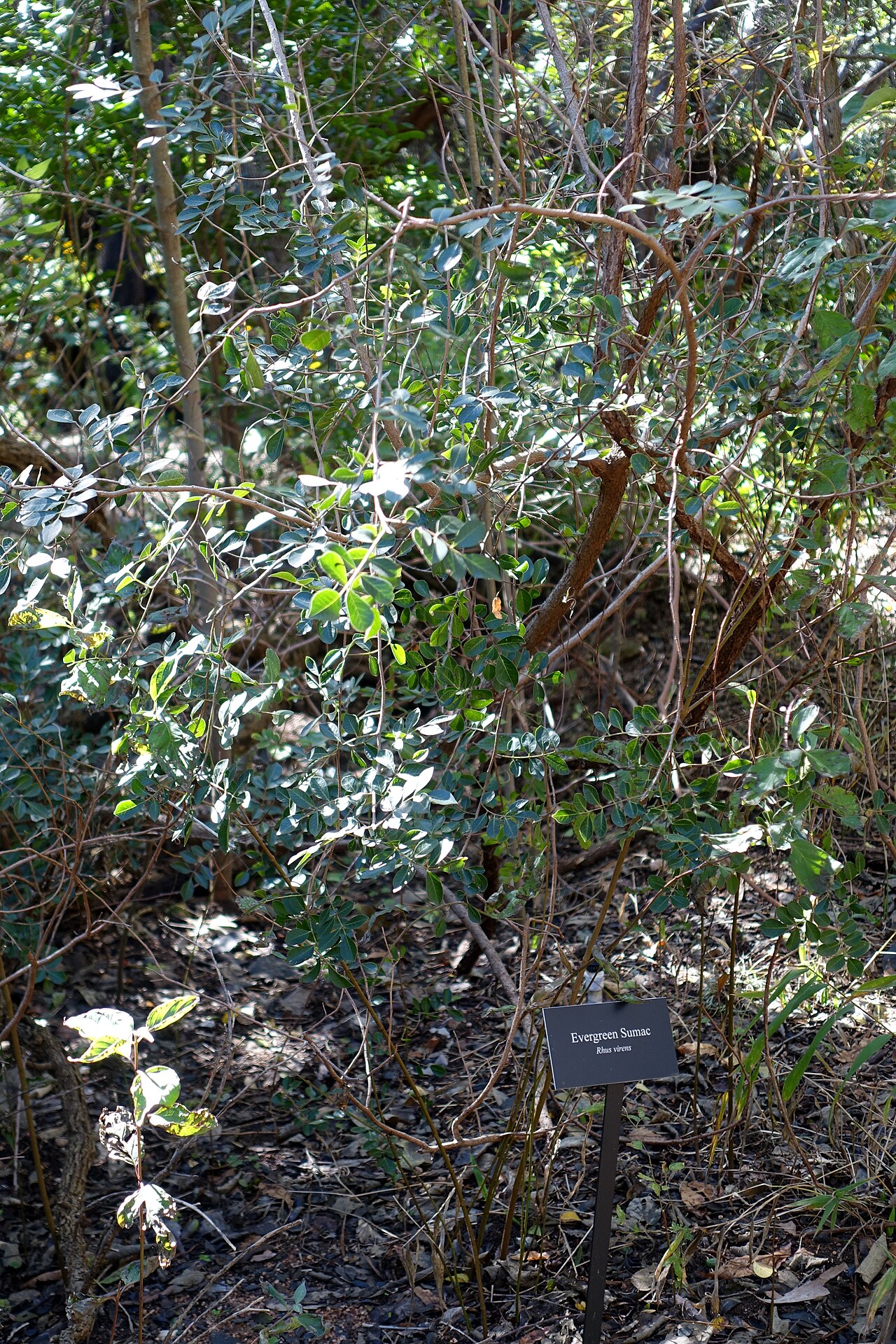
Evergreen sumac’s dense, rounded growth habit and glossy compound leaves. Photo: Wikimedia Commons (CC0) Rhus virens, commonly known as Evergreen Sumac, is a tough, broadleaf
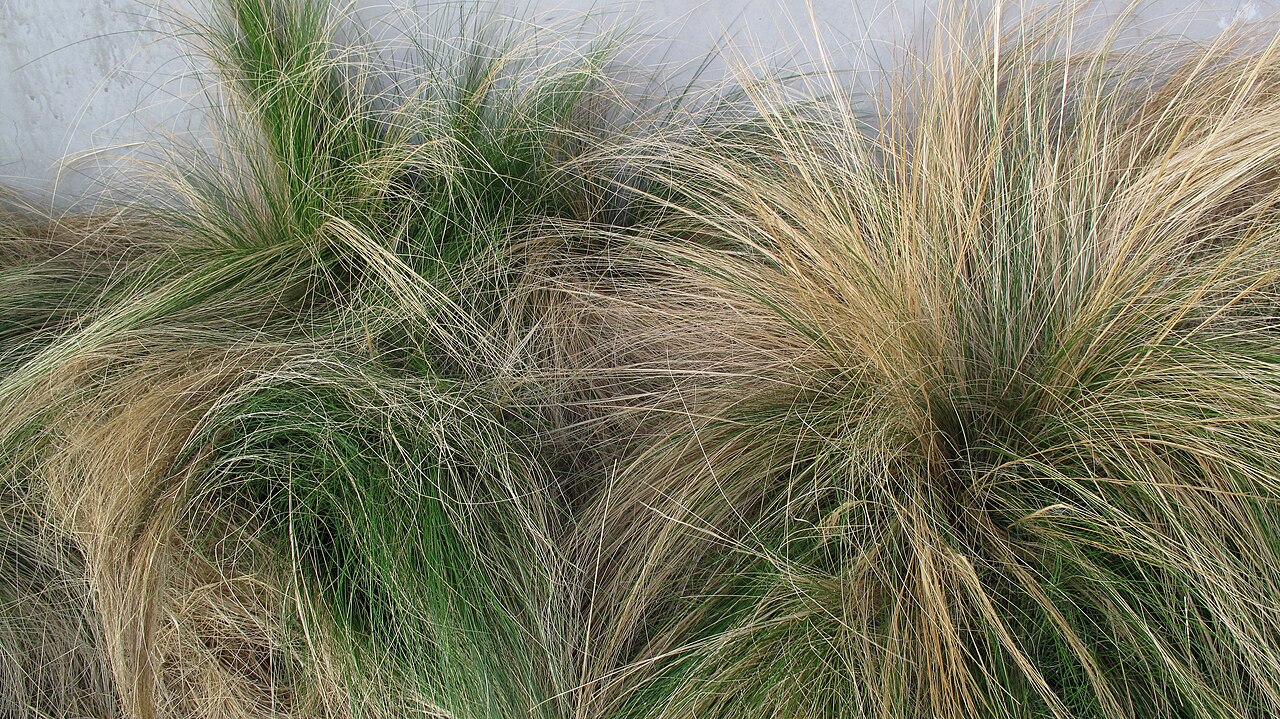
Texas needlegrass forms dense, fountain-like mounds of thread-fine foliage. Photo: Downtowngal / Wikimedia Commons (CC BY-SA 4.0) Nassella tenuissima (syn. Stipa tenuissima), commonly called Texas
View More