
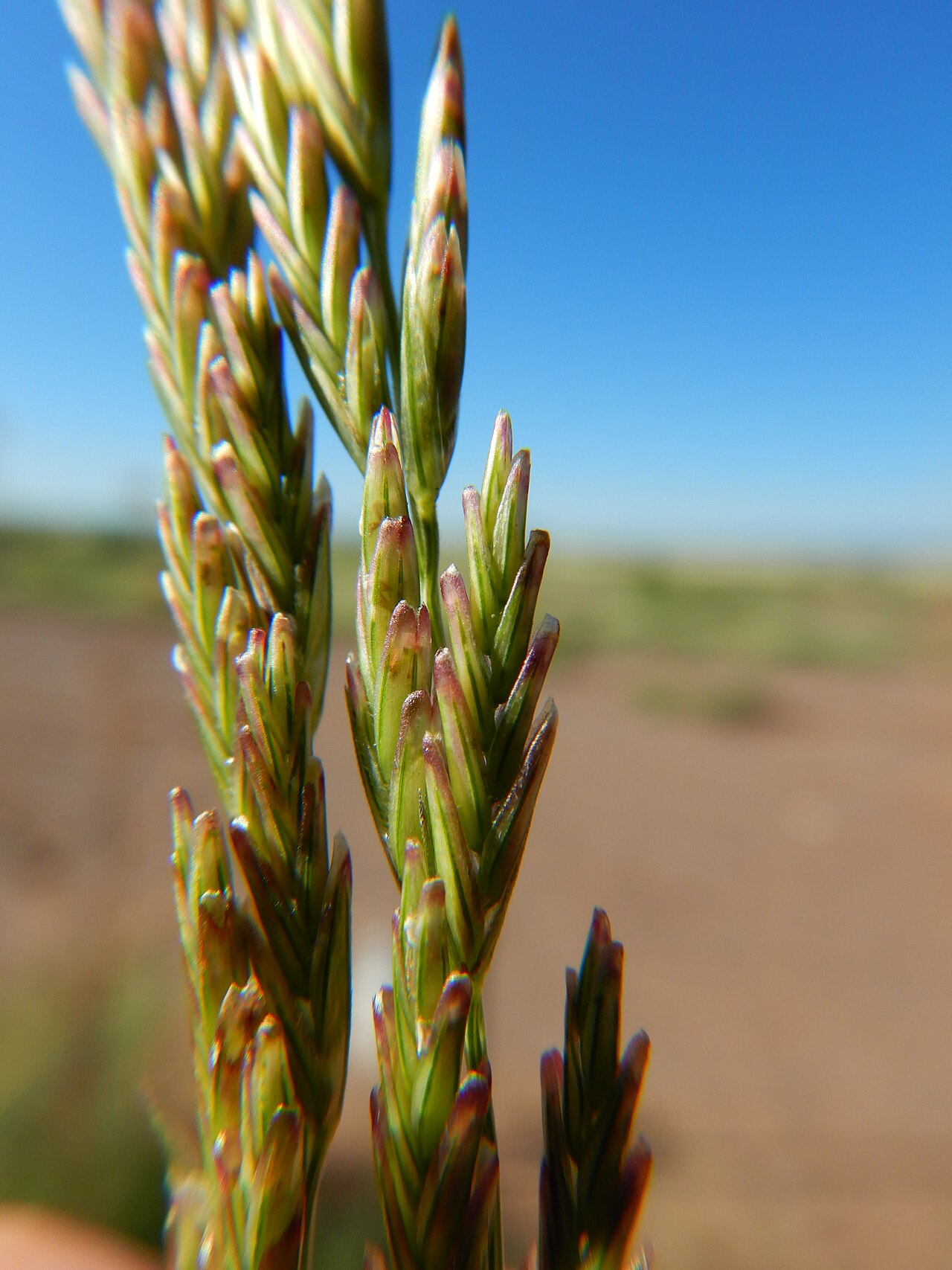
Green sprangletop’s narrow, purple-tinged seed spikes catch the light in late summer. Photo: Patrick Alexander, Wikimedia Commons (CC0) Leptochloa dubia, commonly known as Green Sprangletop
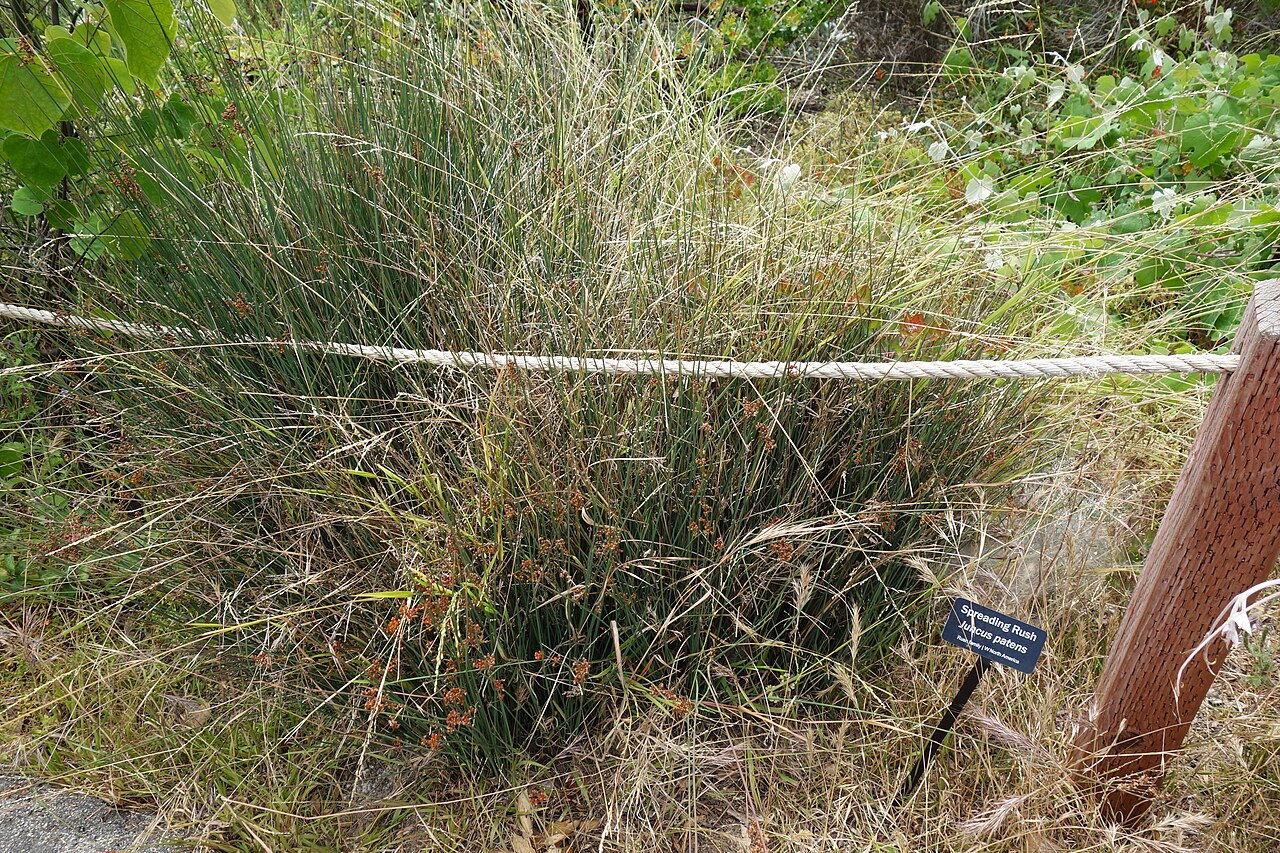
Common rush forms a tidy, upright clump of blue-green stems. Photo: Daderot, Wikimedia Commons (CC0) Juncus patens, commonly called Common Rush, Spreading Rush, or California
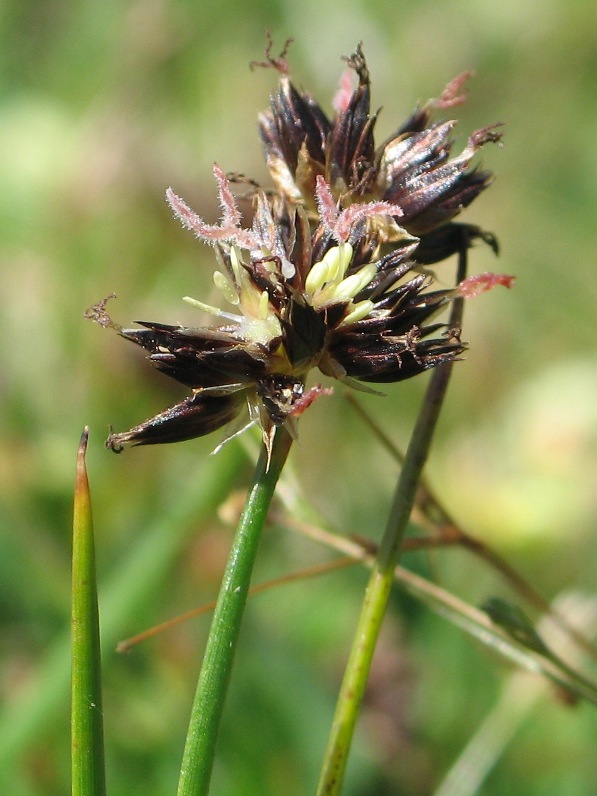
A flower head of brown-headed rush, photographed in coastal dunes near Point Reyes. Photo: Robert Steers/NPS, Wikimedia Commons (CC0) Juncus phaeocephalus, known as Brown-headed Rush
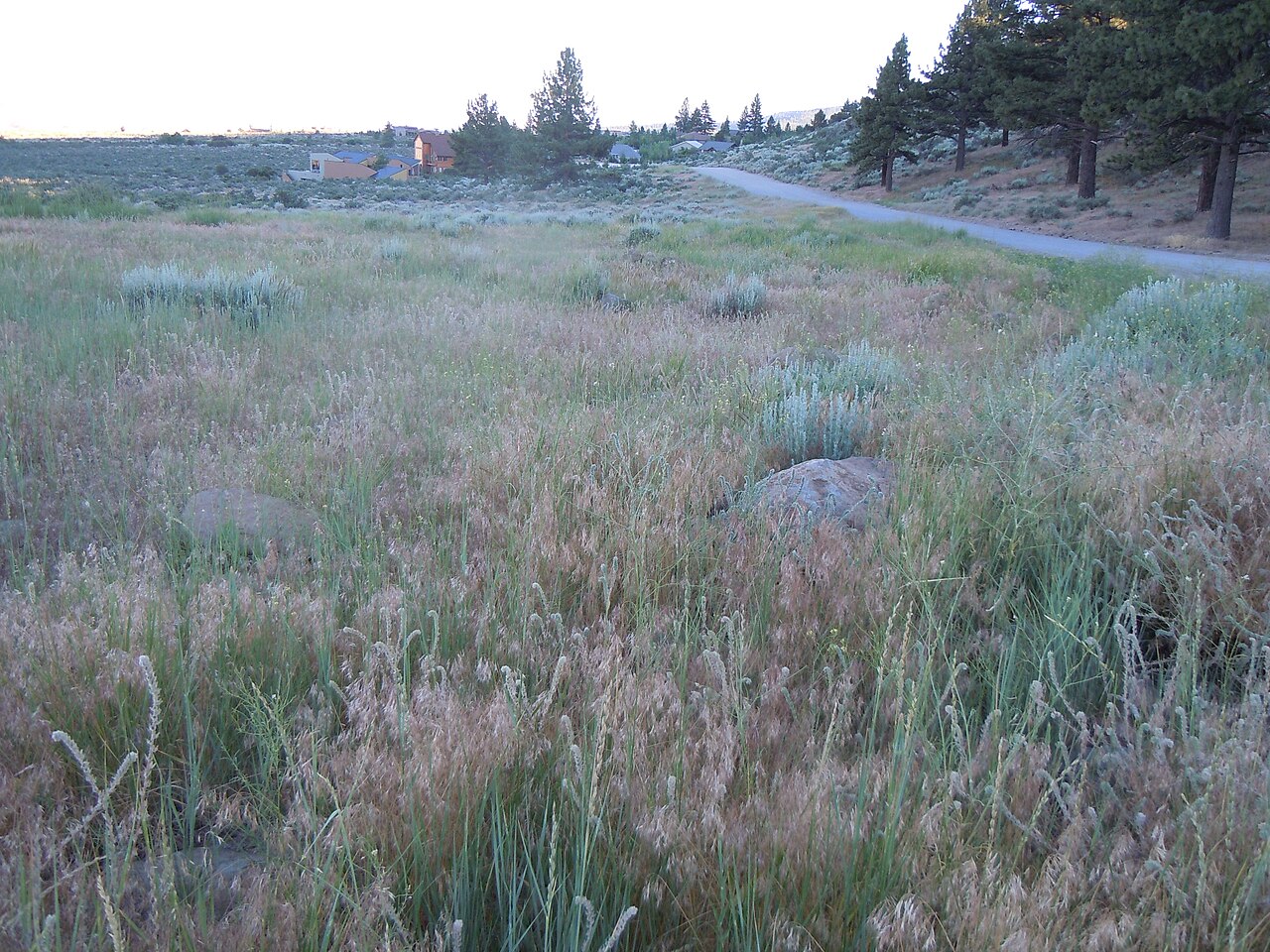
Beardless wildrye forming a dense, sod-like stand in a western valley meadow. Photo: Matt Lavin, Wikimedia Commons (CC BY-SA 2.0) Leymus triticoides, known as Beardless
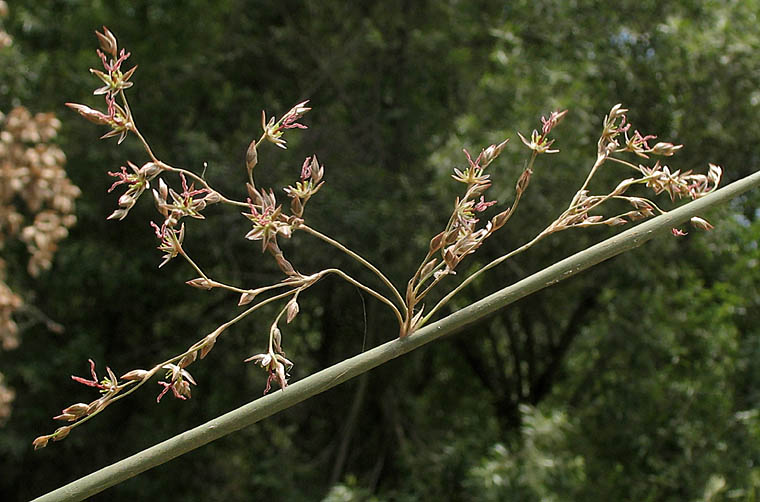
The bushy, side-emerging flower cluster typical of basket rush. Photo: Anthony Valois/National Park Service, Wikimedia Commons (Public domain) Juncus textilis, commonly called Basket Rush, is
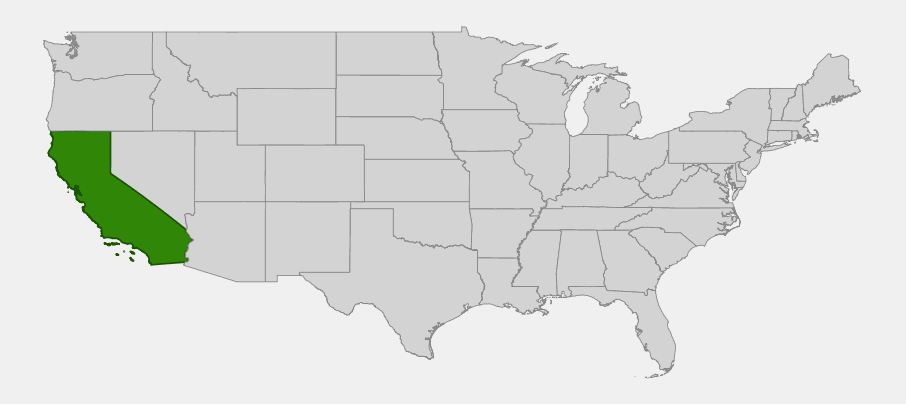
Eryngium vaseyi, commonly known as Vasey’s Coyote Thistle or simply coyote thistle, is a California endemic wildflower restricted to one of the state’s most imperiled
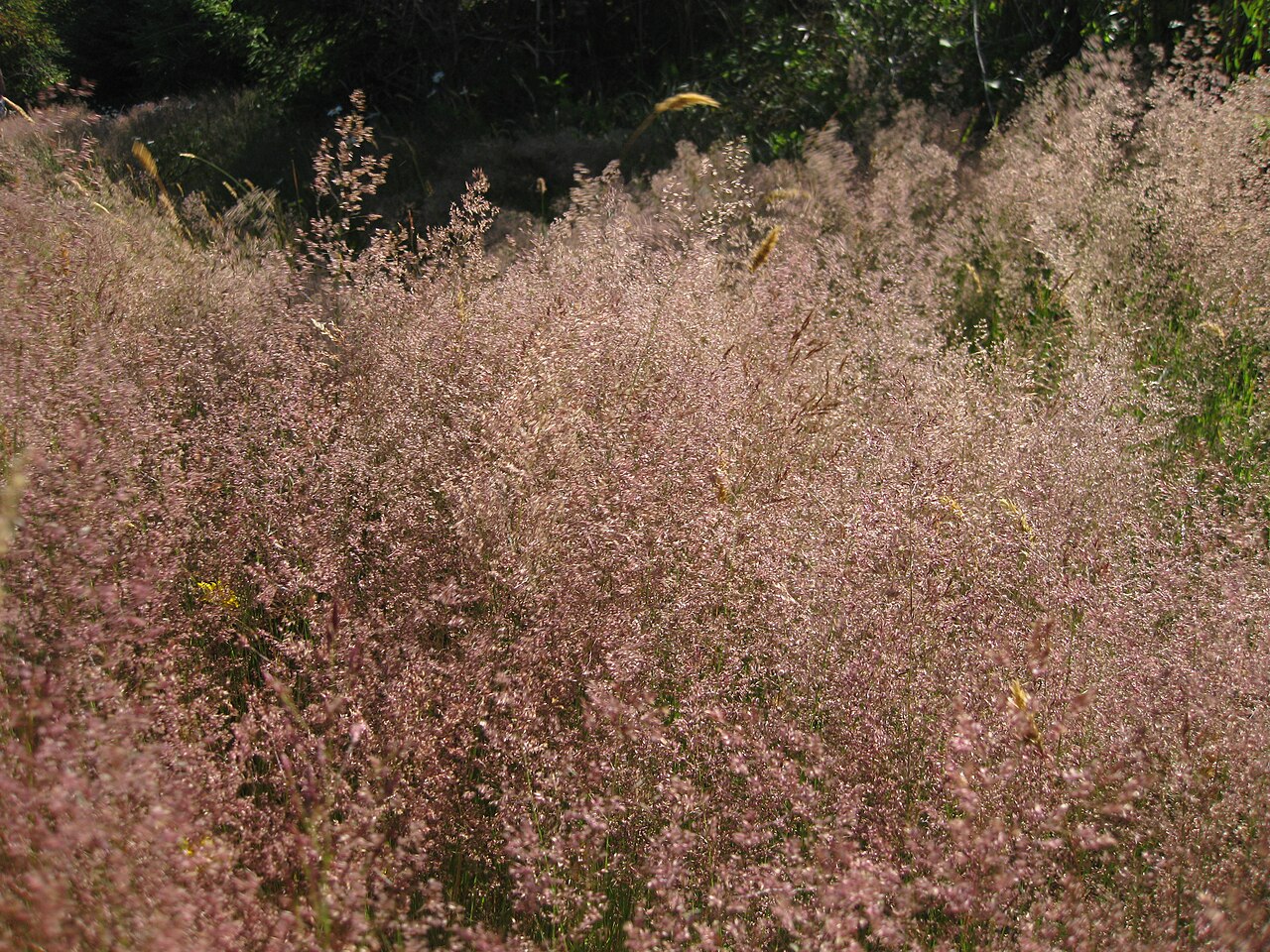
Red fescue in full bloom, its flowering stems coloring an entire meadow with a rosy haze. Photo: Lihagen, Wikimedia Commons (CC BY-SA 3.0) Festuca rubra,
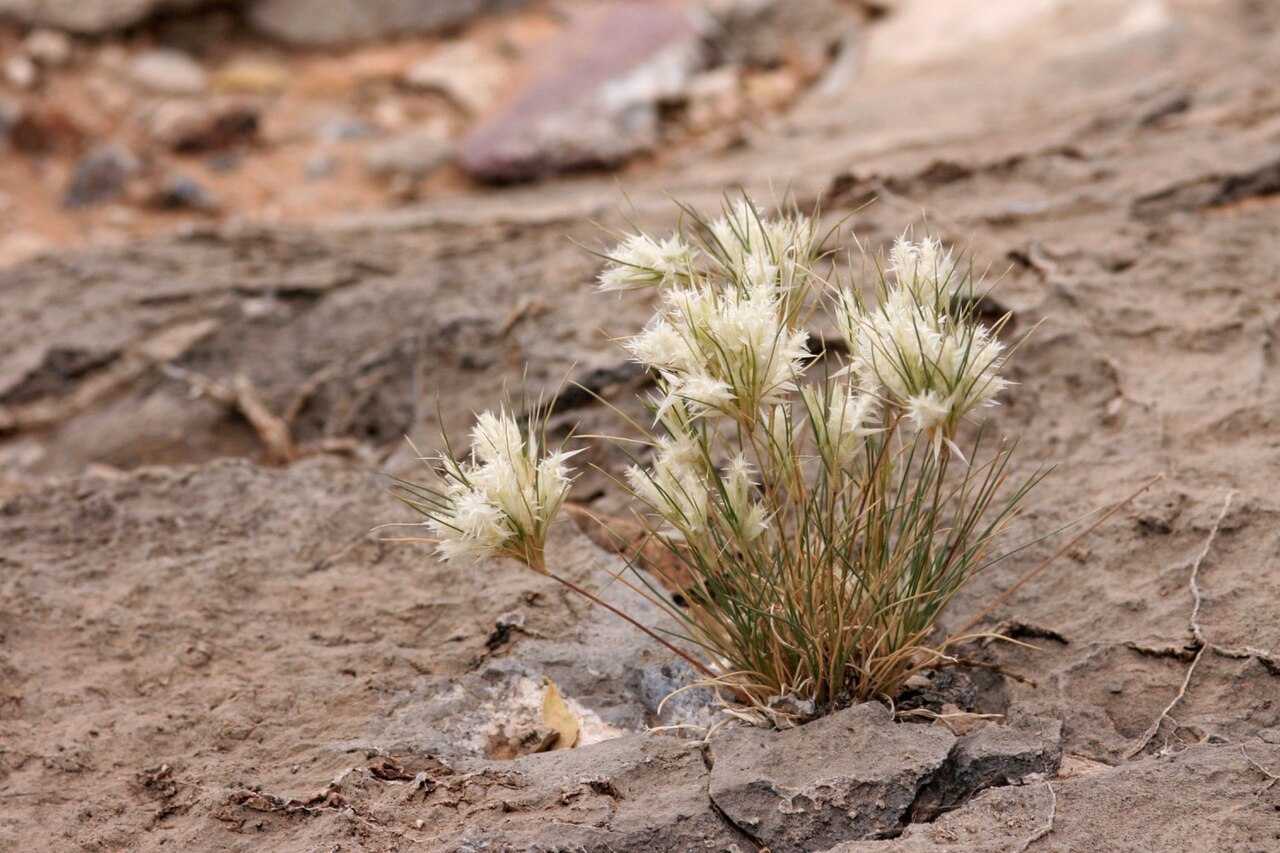
Fluffgrass tucked into a rock crevice near Las Cruces, New Mexico, its plume-like seed heads catching the light. Photo: tom.sulcer, Wikimedia Commons (CC0) Dasyochloa pulchella
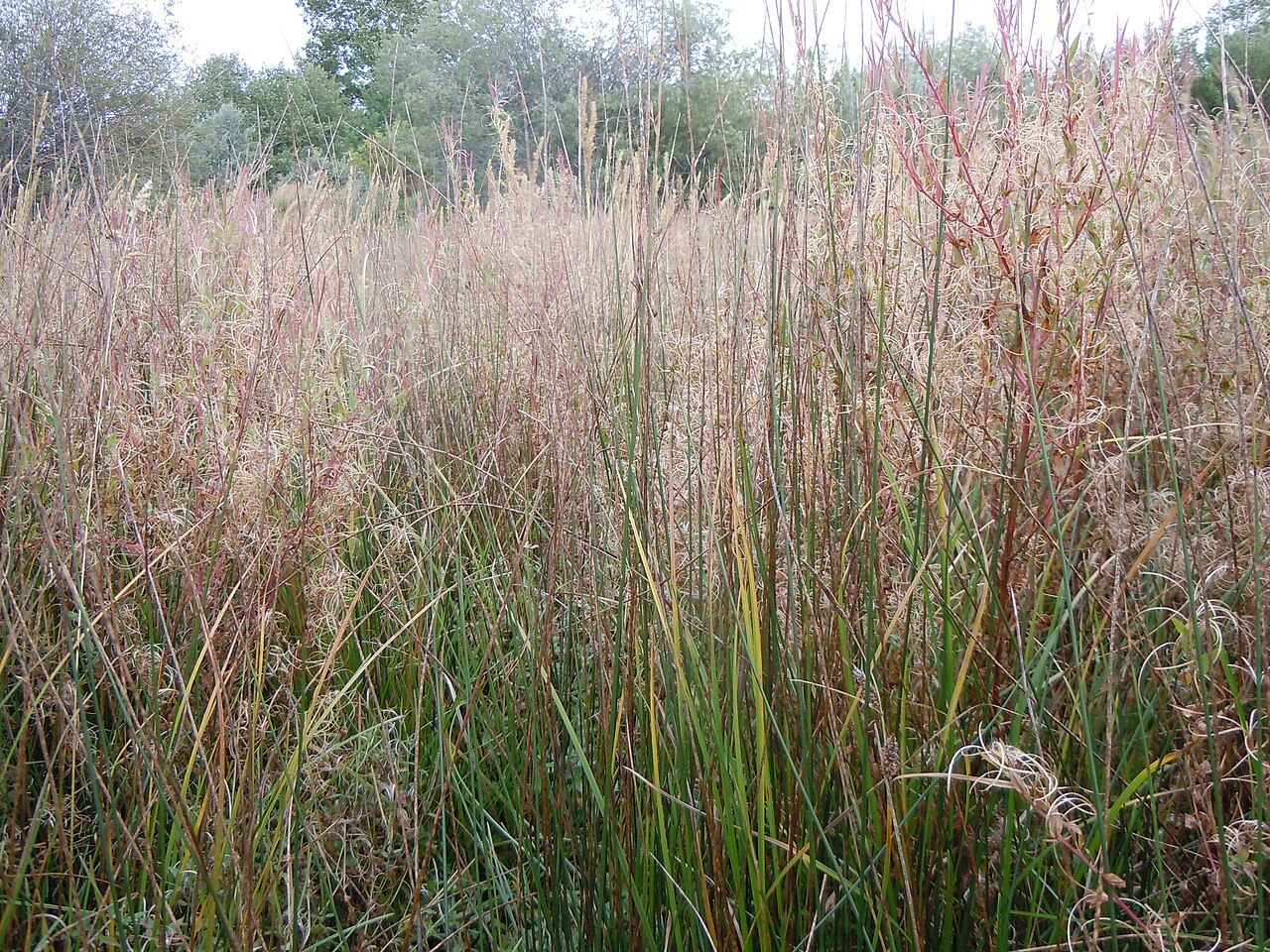
A colony of Baltic rush spreading by rhizomes along a wet meadow edge. Photo: Matt Lavin, Wikimedia Commons (CC BY-SA 2.0) Juncus balticus (now classified
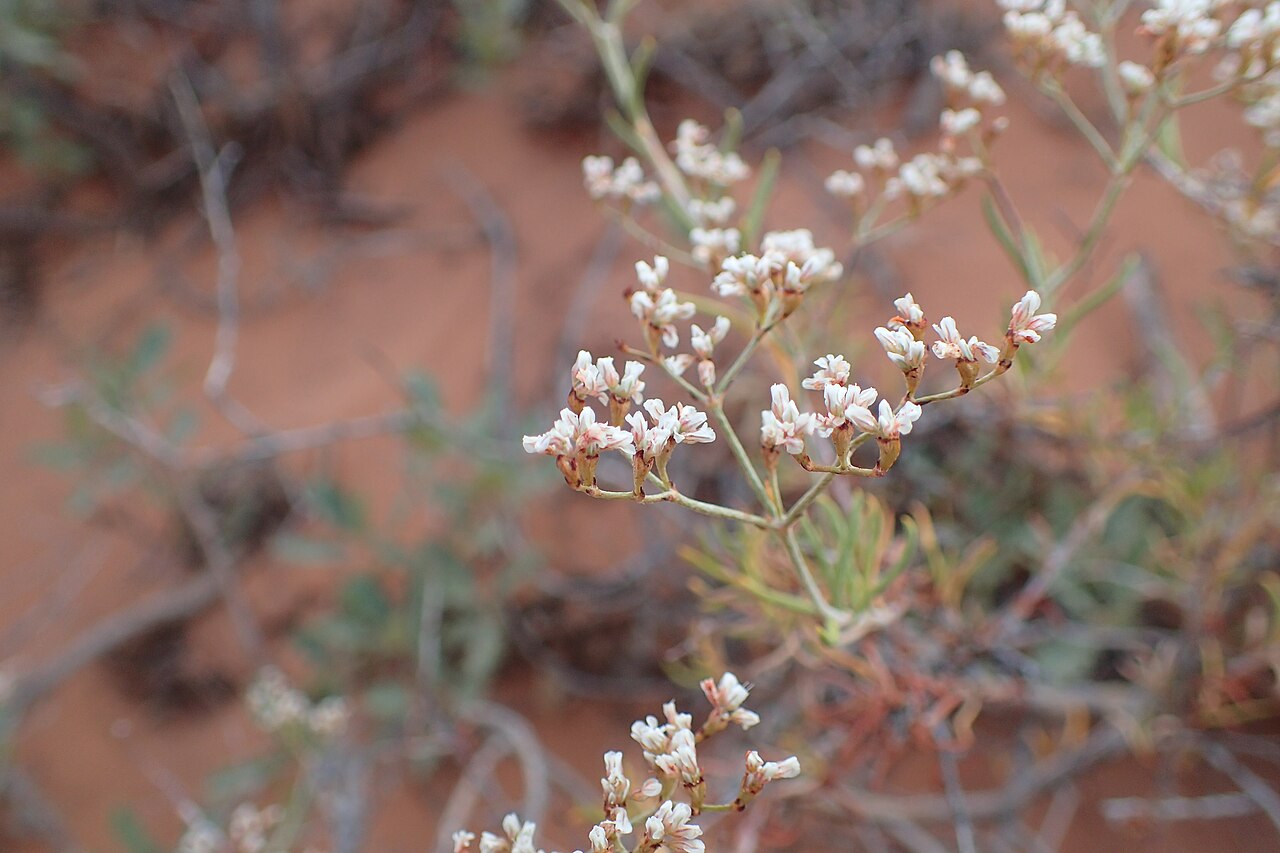
Slender buckwheat in flower at Arches National Park, Utah — its loose clusters of tiny white flowers bloom atop wiry, needle-leaved branches. Photo: Krzysztof Ziarnek
View More