
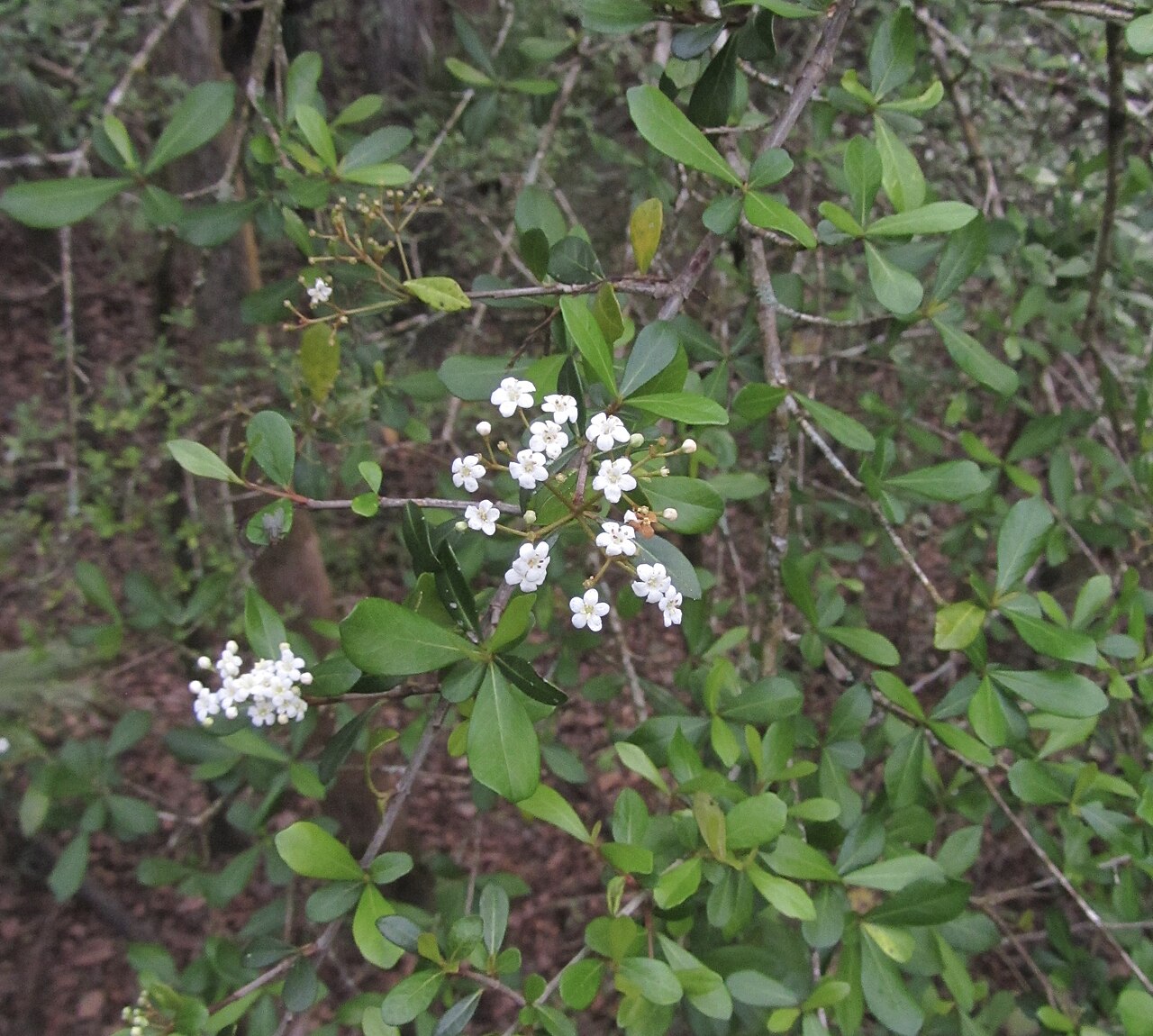
Walter’s Viburnum flowering in Hillsborough River State Park, Florida. Photo: Homer Edward Price, Wikimedia Commons (CC BY 2.0) Viburnum obovatum, commonly known as Walter’s Viburnum
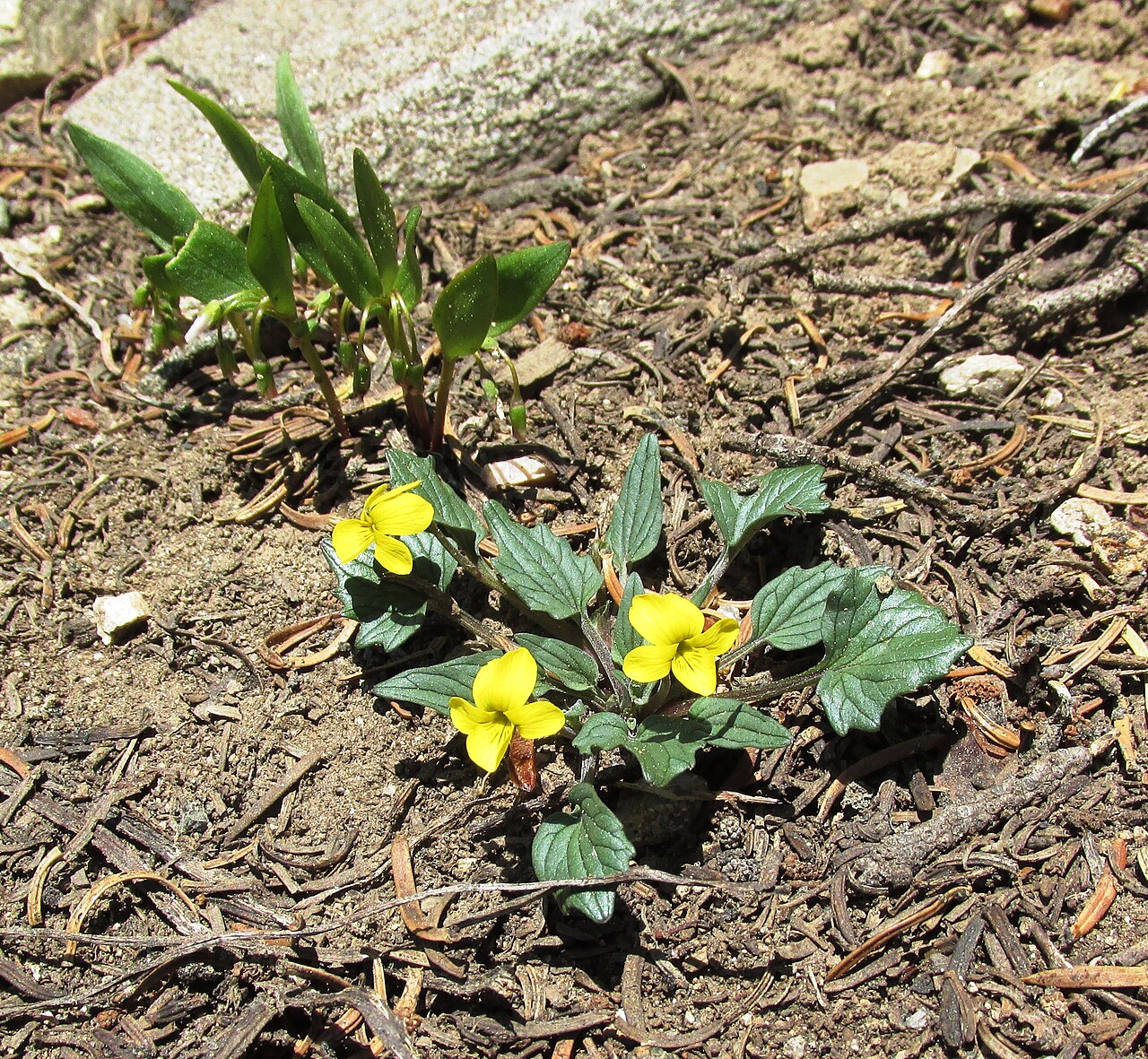
Goosefoot Violet growing at about 10,500 feet on the Gilpin Lake Trail, Routt National Forest, Colorado. Photo: brewbooks, Wikimedia Commons (CC BY-SA 2.0) Viola purpurea,
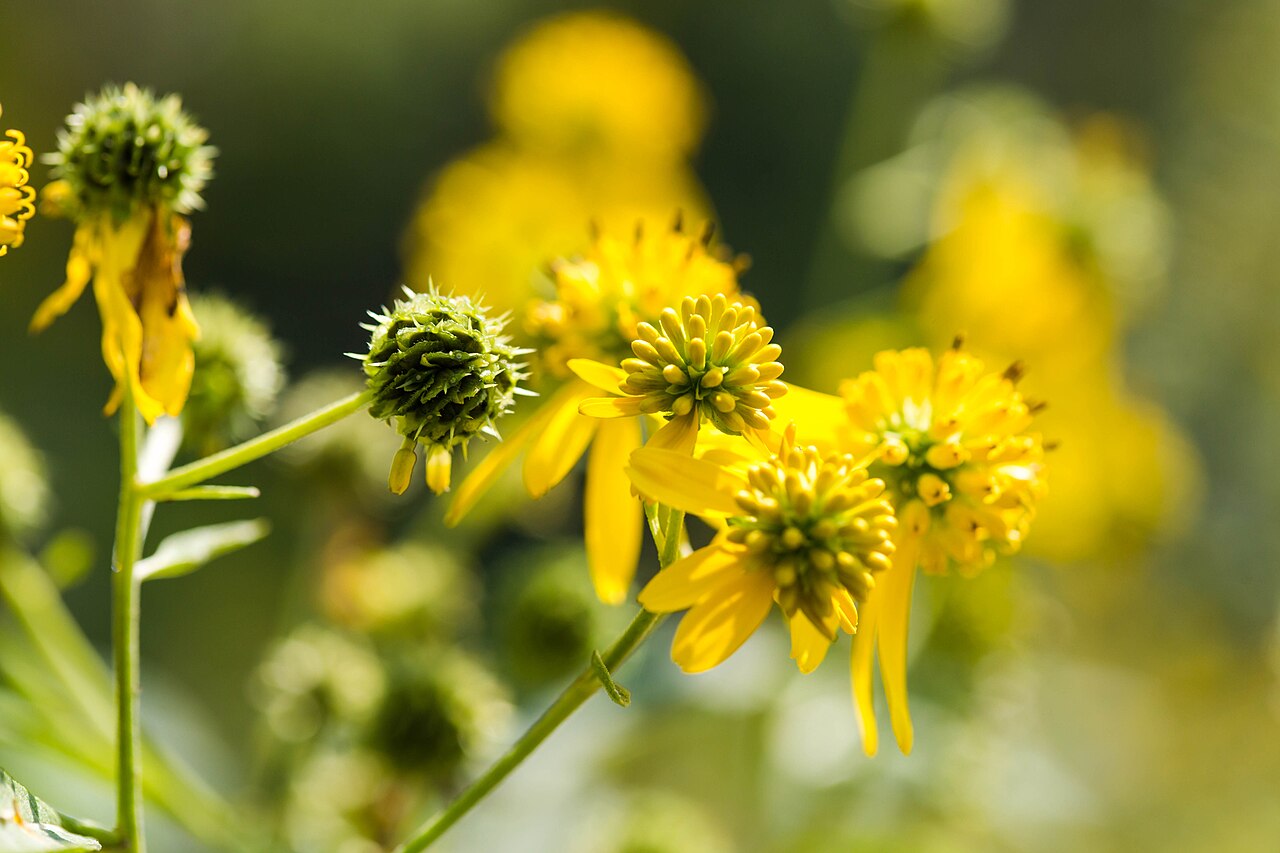
Wingstem’s late-summer flower clusters, with their characteristically ragged, downward-curling ray florets. Photo: Melissa McMasters / Wikimedia Commons (CC BY 2.0) Verbesina alternifolia, commonly called Wingstem
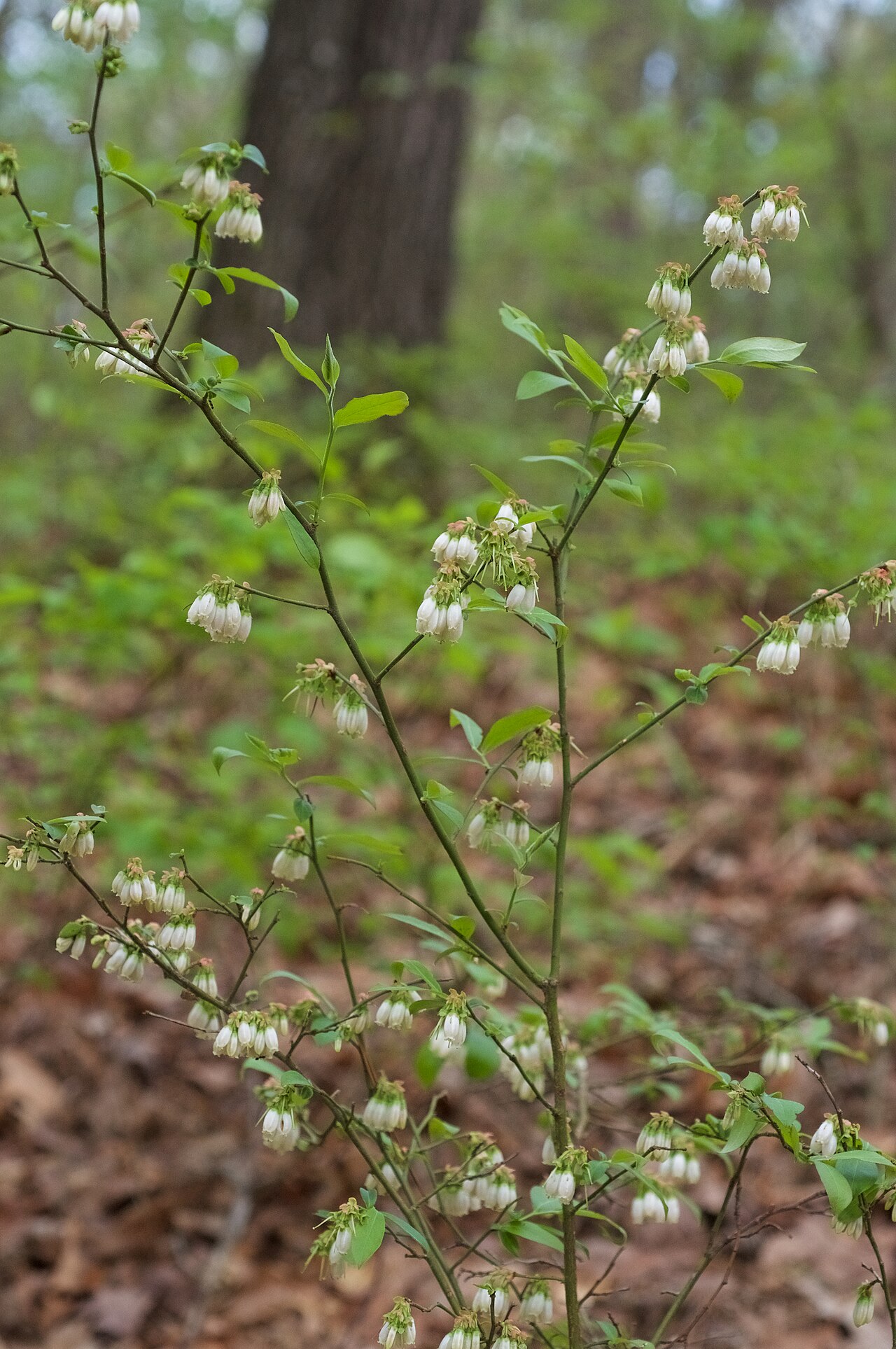
A wild rabbiteye blueberry flowering in Boyle Park, Little Rock, Arkansas. Photo: Eric Hunt / Wikimedia Commons (CC BY-SA 4.0) Vaccinium virgatum (long known by
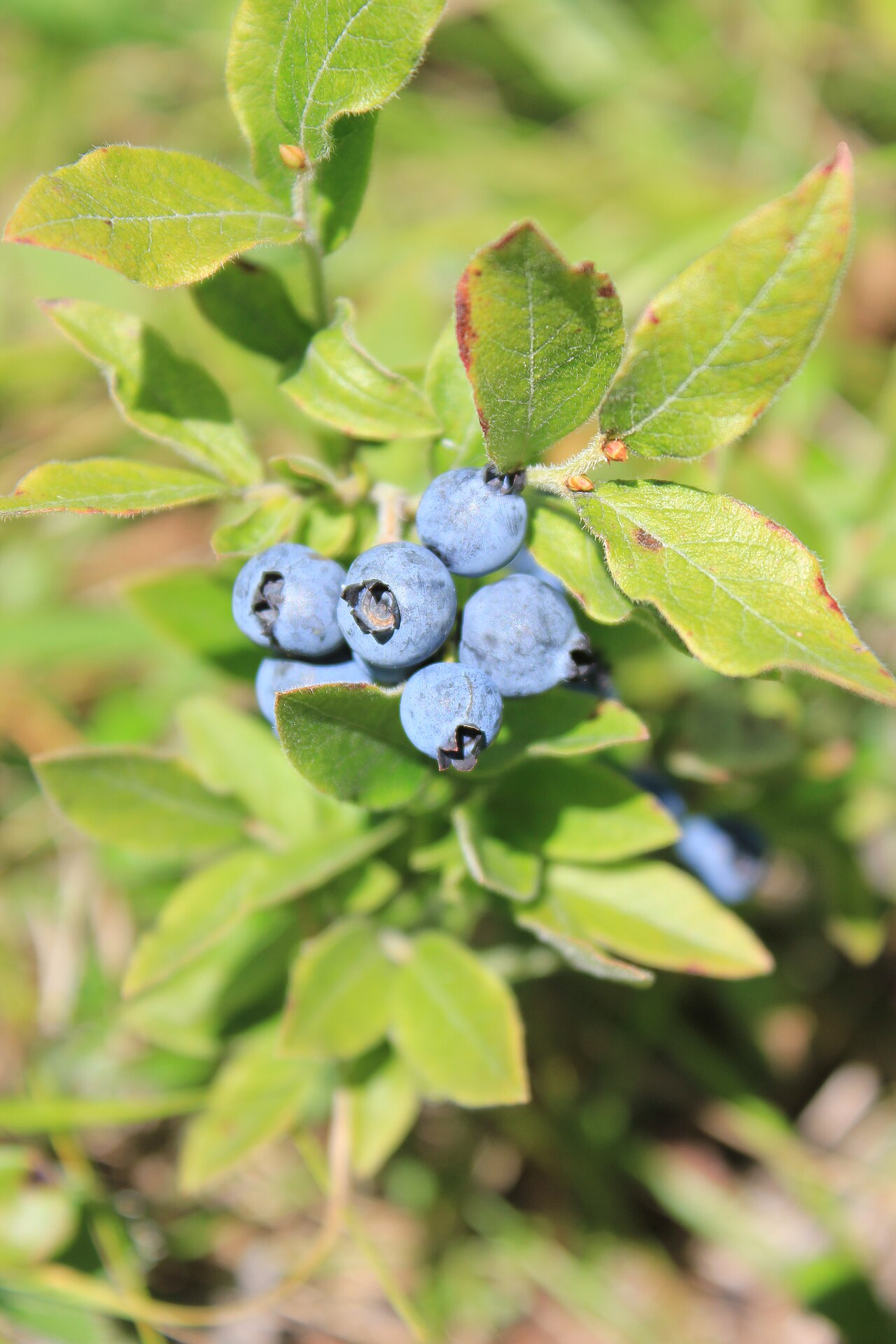
Ripe velvetleaf blueberries in Algonquin Provincial Park — the fine hairs on the twigs and leaves give the species its name. Photo: Ryan Hodnett, Wikimedia
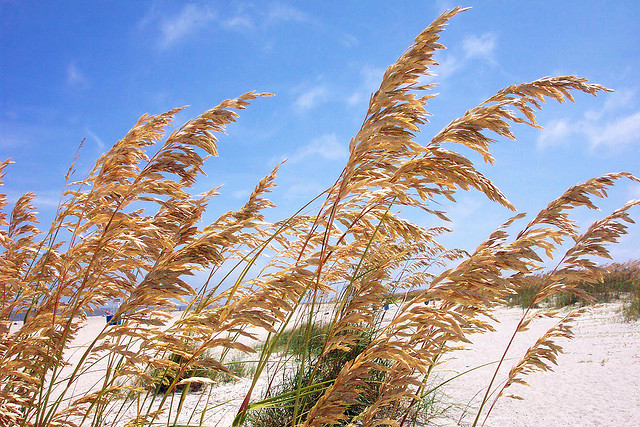
Sea oats anchoring a foredune with their deep, spreading rhizomes. Photo: Melissa P, Flickr, via Wikimedia Commons (CC BY 2.0) Uniola paniculata, commonly called Sea
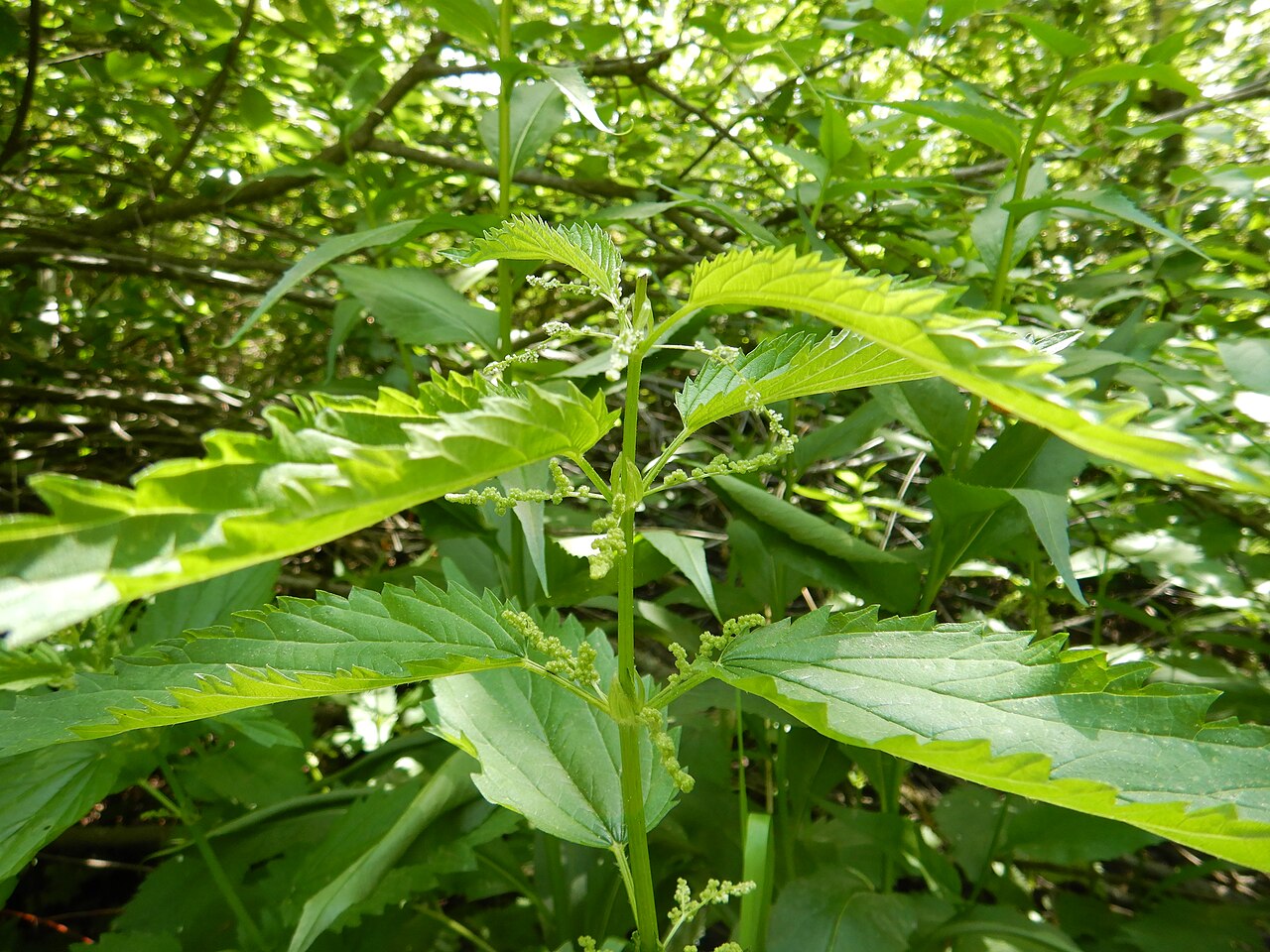
American stinging nettle growing along a streamside trail in Montana. Photo: Matt Lavin, Wikimedia Commons (CC BY-SA 2.0) Urtica dioica ssp. gracilis, commonly called American
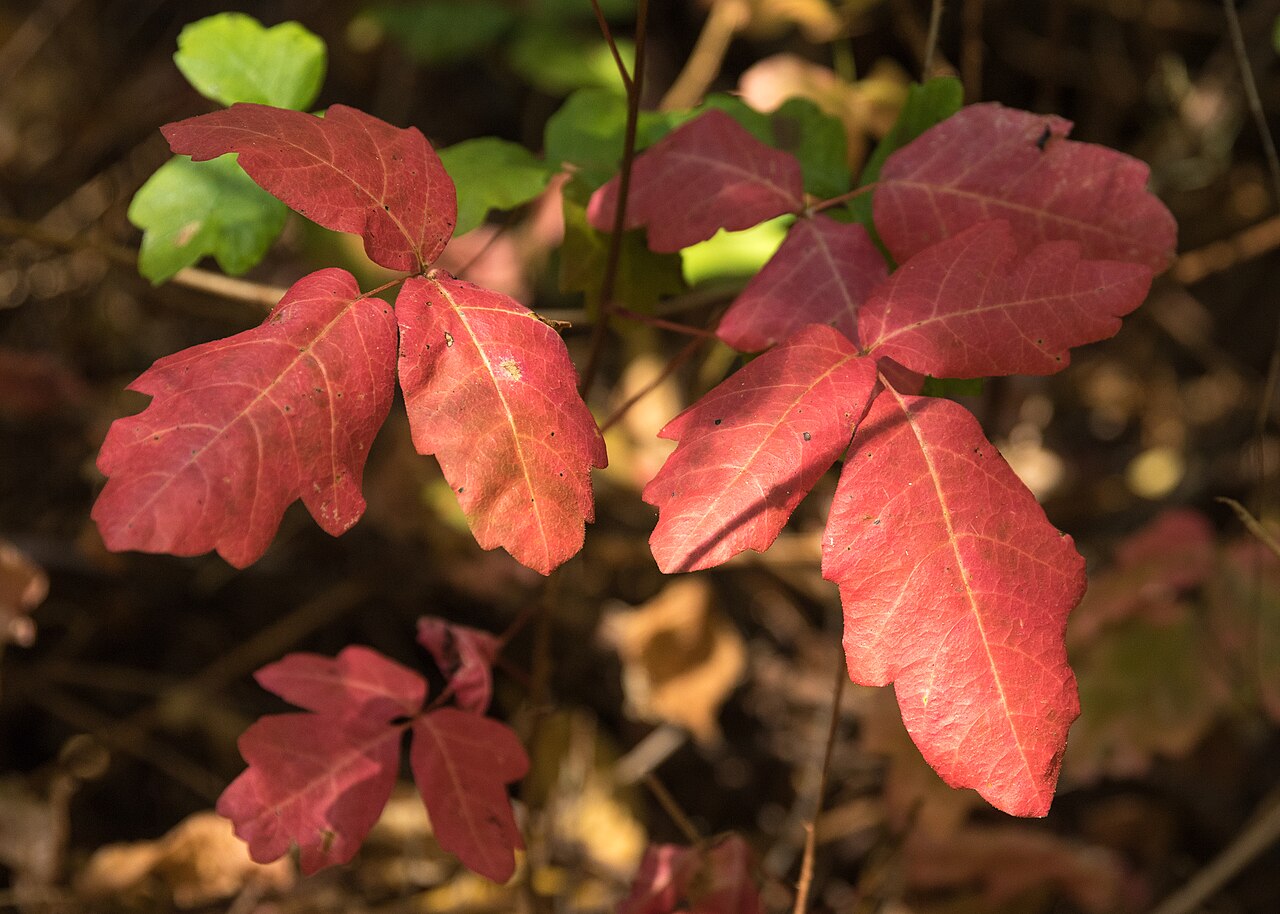
⚠ Urushiol warning: Every part of this plant — leaves, stems, roots, and even bare winter twigs — contains urushiol, an oily resin that causes
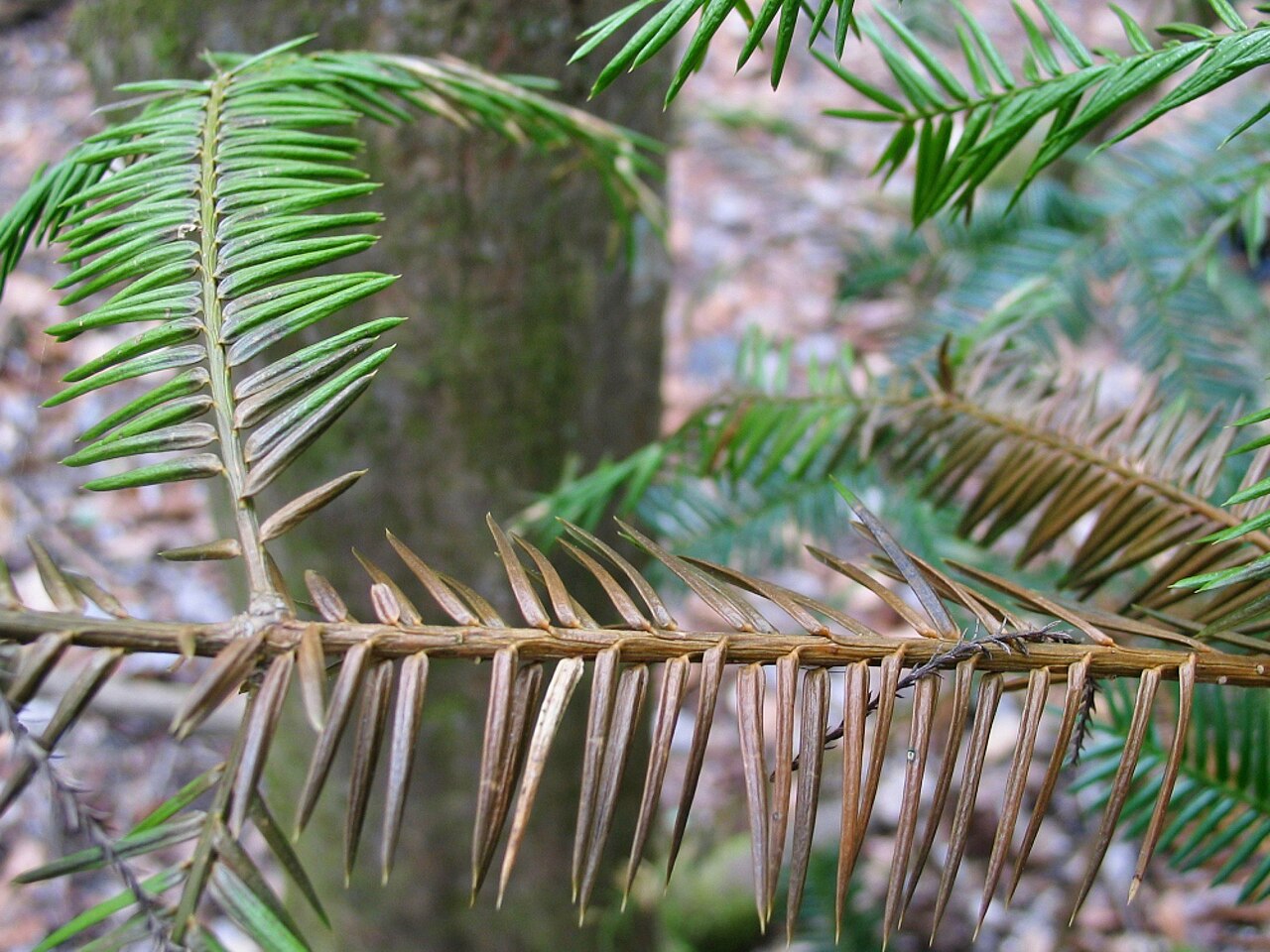
A wild Florida torreya branch along the Apalachicola River, showing healthy new growth alongside the brown dieback typical of the fungal canker disease afflicting the
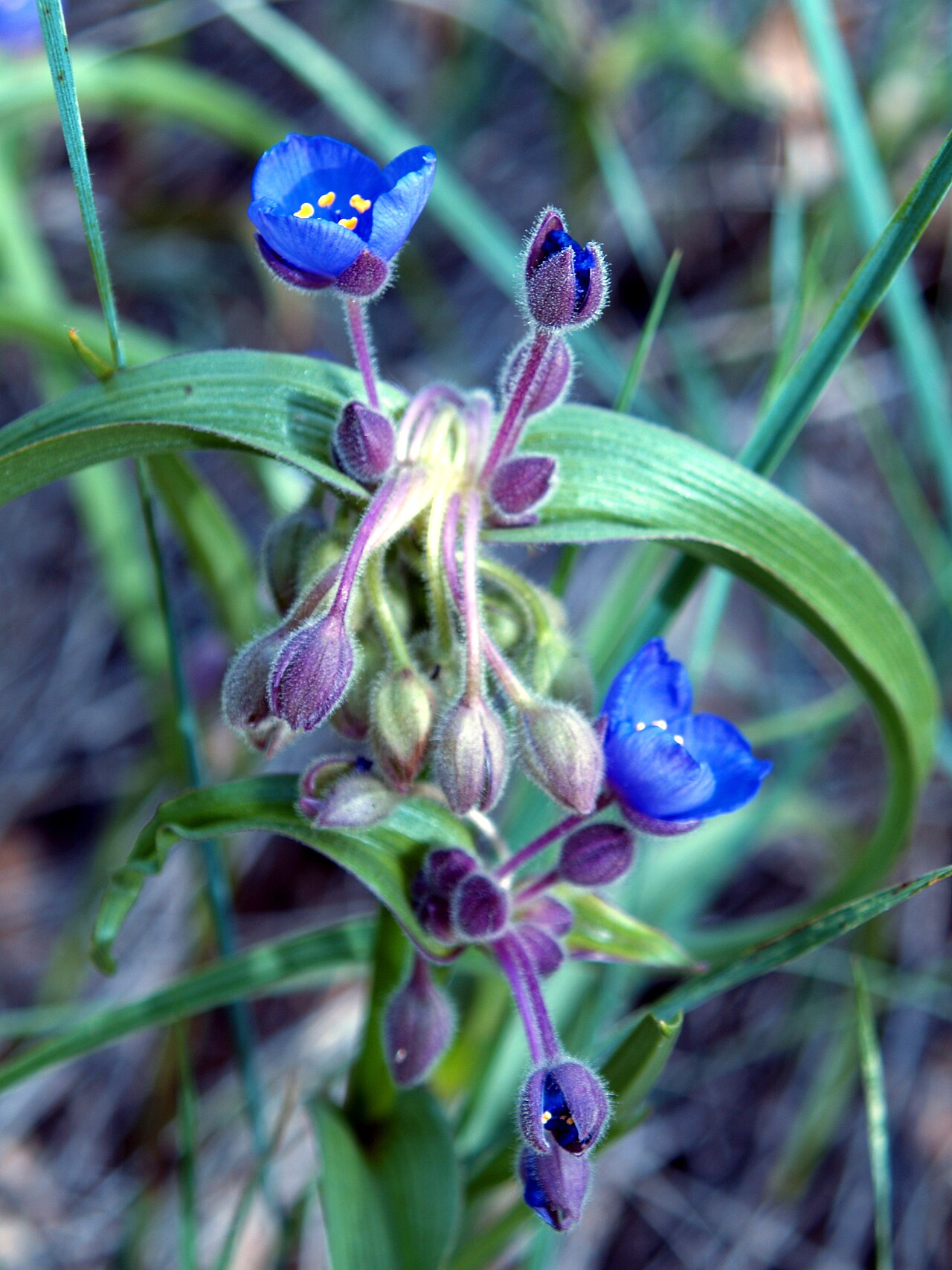
Bracted spiderwort in bloom at Wind Cave National Park, South Dakota, with its characteristic leafy bracts cradling the flower cluster. Photo: Jim Pisarowicz, Wikimedia Commons
View More